“Touring the Land of the Dead” by Maki Kashimada
In Touring the Land of the Dead, author Maki Kashimada writes about one woman’s trauma with razor-perfect concision and an austere beauty.

In Touring the Land of the Dead, author Maki Kashimada writes about one woman’s trauma with razor-perfect concision and an austere beauty.

It is not unusual for journalists from leading publications to turn their hand to books, but it is less usual for such books to have started off in Chinese. Jin Xu is senior editor and chief financial commentator at the Financial Times Chinese and her 2017 monetary history of China, Empire of Silver, has just…

Catherine Menon’s debut novel, Fragile Monsters, is a beautifully written story of one Indian Malaysian family’s history, entwined with secrets and hidden heartbreak, told through the fractious relationship of Durga and her Ammuma, her grandmother Mary. When Durga, a mathematics lecturer returns home to rural Pahang after ten years away in Canada and in Kuala…

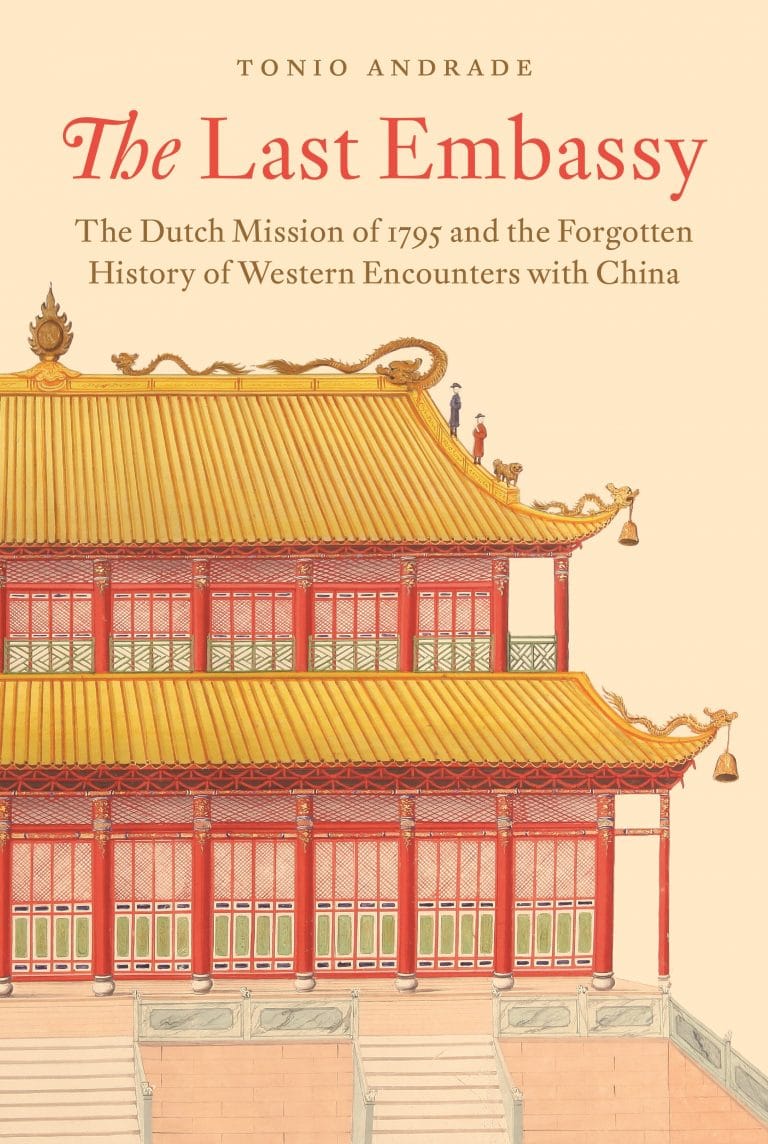
Many cultures under, or in the shadow of, an empire sometimes make use of that empire’s language to express themselves. Latin was used throughout Europe, while for a couple of centuries after the Norman conquest, the dominant written language in England was French. China exerted a similar cultural pull over its neighbors: Japanese poets would…

The 19th-century Indian poet Mirza Ghalib always evoked strong opinions about his literary worth. An early 20th-century critic proclaimed, “India has just two scriptures or divine gospels, the holy Vedas and the poetry of Ghalib.” Meanwhile an anonymous Delhiwallah quipped: “I get the verse of Mir<fn>Mir Taqi Mir 1725-1810, Ghalib’s most illustrious predecessor</fn> but Mirza’s…

Shaw Kuzki’s middle-grade novel Soul Lanterns begins in August 1970. A generation earlier, an atomic bomb leveled Hiroshima. Nozomi and her friends have grown up attending yearly memorials and learning about “the flash” in their peace studies class. When a much-loved art teacher takes an unexpected leave of absence, Nozomi begins to wonder about how…

In 1929, a young woman sailed from Manila to New York to reunite with an older man who begged her to join him in the United States. Twenty years old at the most—her actual birth year was never clear—she was born from a Filipina mother and a former American soldier previously stationed in the Philippines….

The title promises racy South Asia noir: what happened, who did it, and whether they got away with it. But Samira Shackle’s Karachi Vice actually concerns the lives of five people in that city, as violence—criminal and political—consumes everything around them. They receive no protection from the state as they go about their daily lives….

Namit Arora’s Indians is, this non-Indian guesses, likely to be read somewhat differently depending on whether or not one is included in the title. For those who aren’t, this is a readable and personable if perhaps idiosyncratic history structured as a travelogue.
Riding to join the army in Armenia, Russia’s greatest poet Alexander Sergeievich Pushkin met a ox-cart heading in the opposite direction, carrying a plain box made of planks. “What are you carrying?” the poet asked the carters. “Griboedov”, came the answer. That was Pushkin’s last encounter with his friend, namesake, fellow playwright, diplomat, and now…

“Do androids dream of electric sheep?” famously asked science fiction writer Philip K Dick, obliquely hinting at a universal—and longstanding—human obsession with dreams and our relationship with them. Robert Ford Campany, in his The Chinese Dreamscape, 300 BCE-800 CE, approaches the subject of dreams—as do many other people—in terms of personal psychology. It is difficult…

Unlike the ever-changing silhouettes of western dress, the iconic cut of the Japanese kimono, a straight-seamed T-shaped robe, was developed in the Heian period (794 -1185) and has remained relatively unchanged through modern times. Central to almost all ensembles in traditional Japanese dress, kimono designs were seen as intimate reflections of the wearer’s identity. Newly…
“When people talk of horses, no one ever thinks of China,” complains Yin Hung Young in the opening lines of The Horses of China. By “people” she may have in mind the kinds of people who compete in dressage, follow thoroughbred racing or work on Kentucky stud farms, the “horsey” people to whom Young dedicates…
Toward the beginning of his most recent (and thirteenth) collection, Singaporean poet Cyril Wong writes: “I’m a poet of intangible things, so the audience doesn’t quite exist.” This latter assertion is belied by numerous awards, steady book sales and high output over the last twenty years.

Like clockwork, every year around the spring equinox, as the ducks and egrets return to the rivers and sprigs of green grass begin sprouting in lawns, people in Japan take to the hills to pick mountain vegetables, herbs and other wild foods. As translator and writer Winifred Bird explains in her new book, Eating Wild…