What’s new
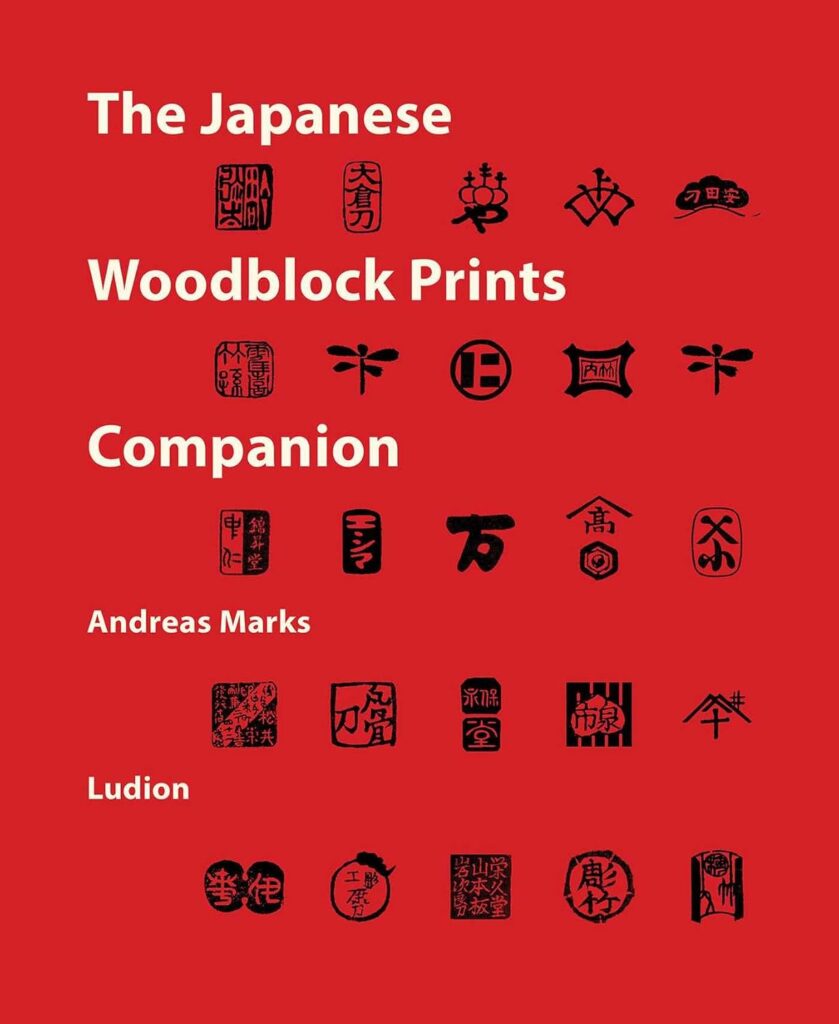
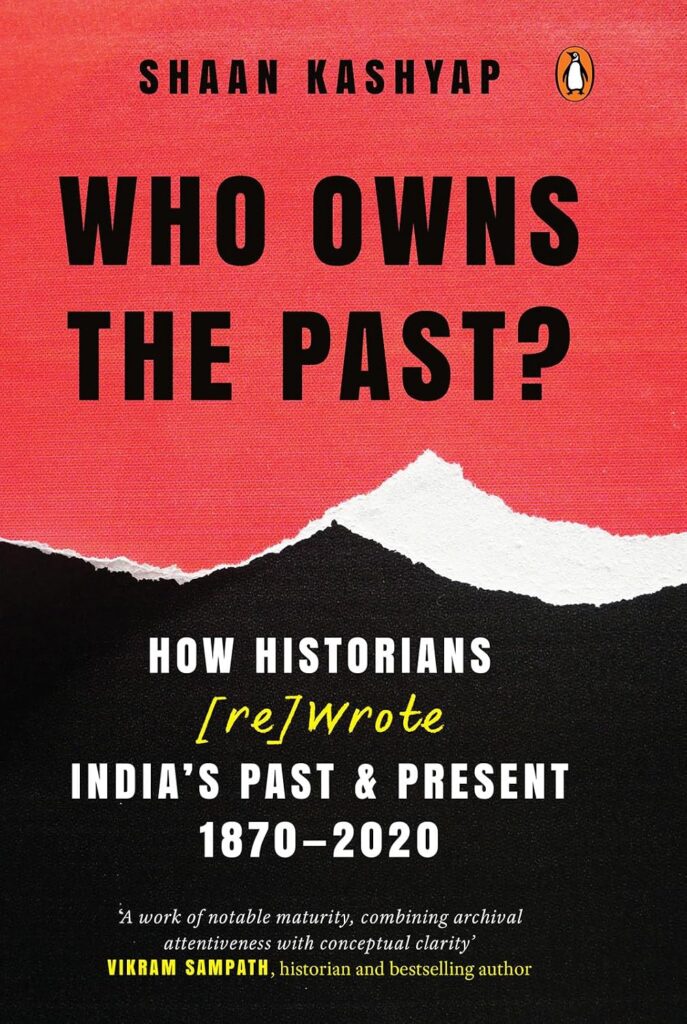

“The Japanese Woodblock Prints Companion” by Andreas Marks
“Under the Wave Off Kanagawa”, popularly known as “The Great Wave”, is without a doubt the most celebrated Japanese woodblock print. It is also the most recognised work of Japanese art tout court. Ask anyone with an interest in the genre and they will tell you that it was made by Katsushika Hokusai (1760-1849) which,…
-

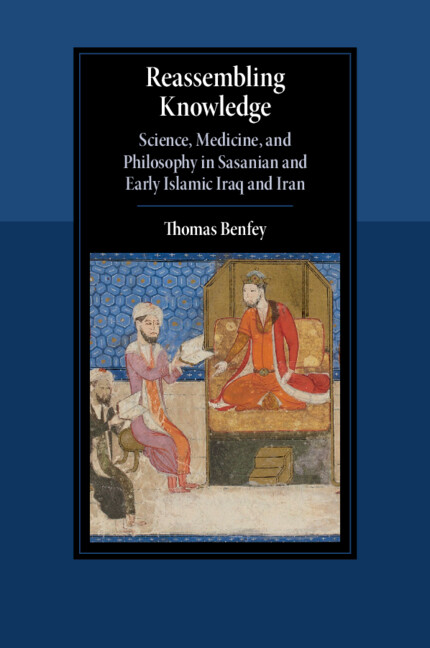
“Reassembling Knowledge” by Thomas Benfey
Iranian tradition held that the first, ancient dynasty of kings had mastered all the useful sciences, from astronomy to medicine,… -

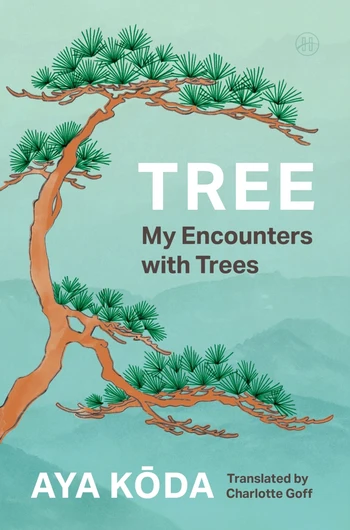
“Tree” by Aya Kōda
Until she was forty-three years old, Aya Kōda (1904-1990) was known primarily for being the daughter of the novelist Rohan…
-

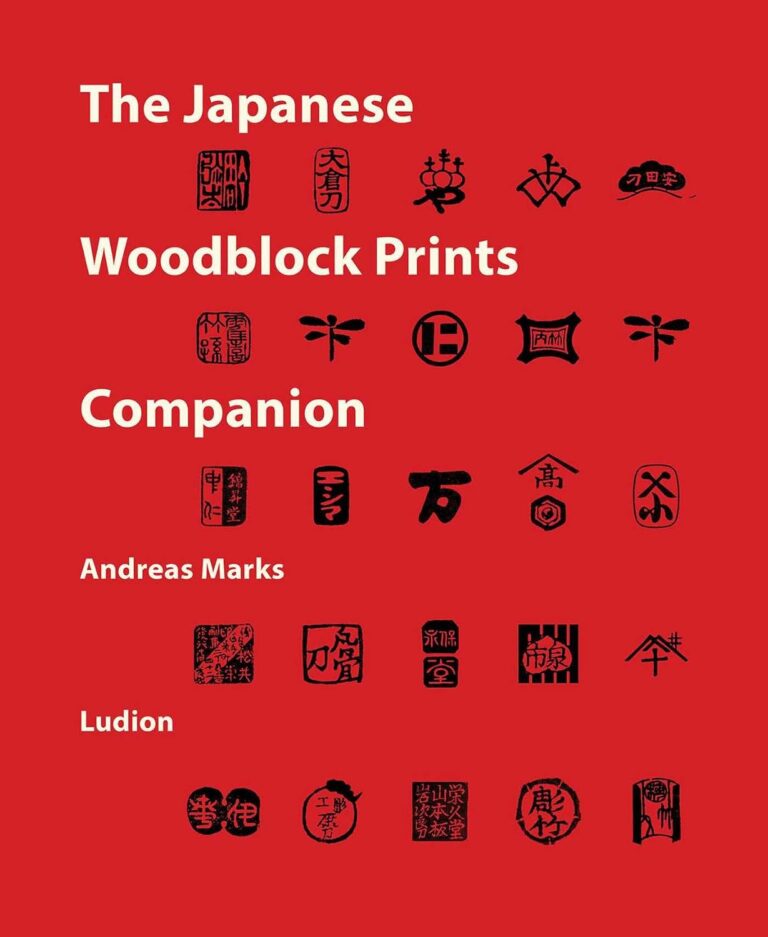
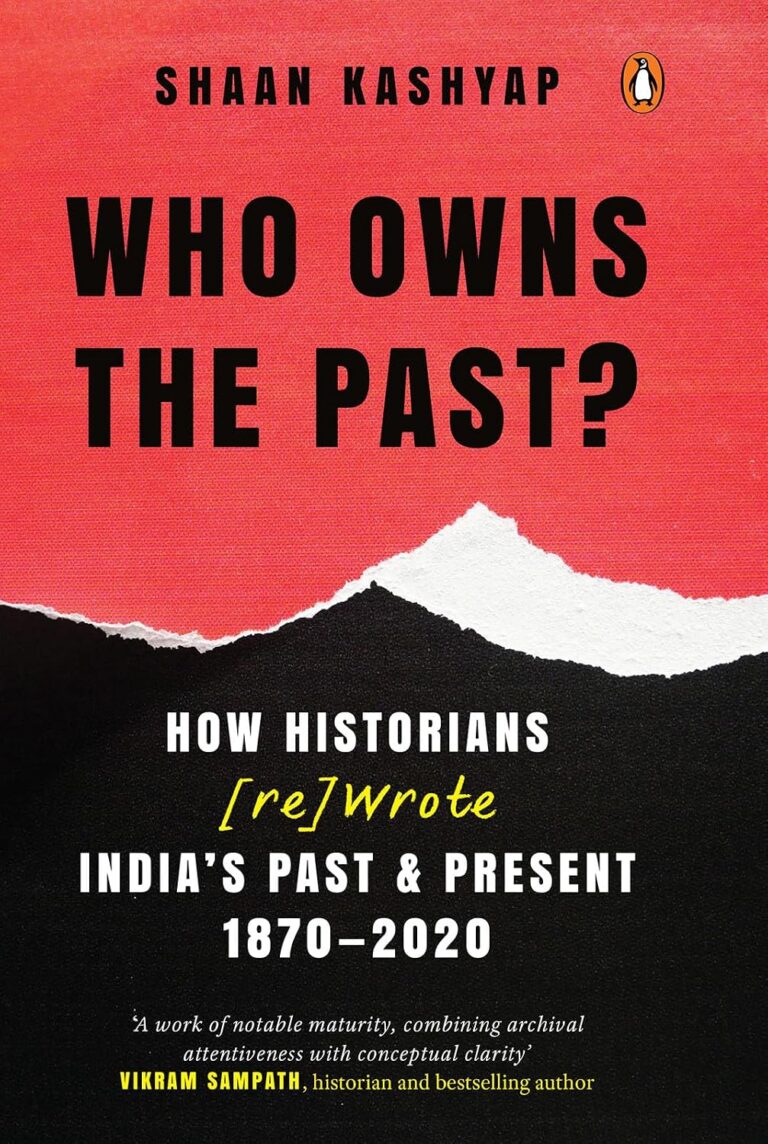
“Who Owns the Past?” by Shaan Kashyap
History, or least the writing of it, does not remain confined to academia or historians; it can increasingly become a… -

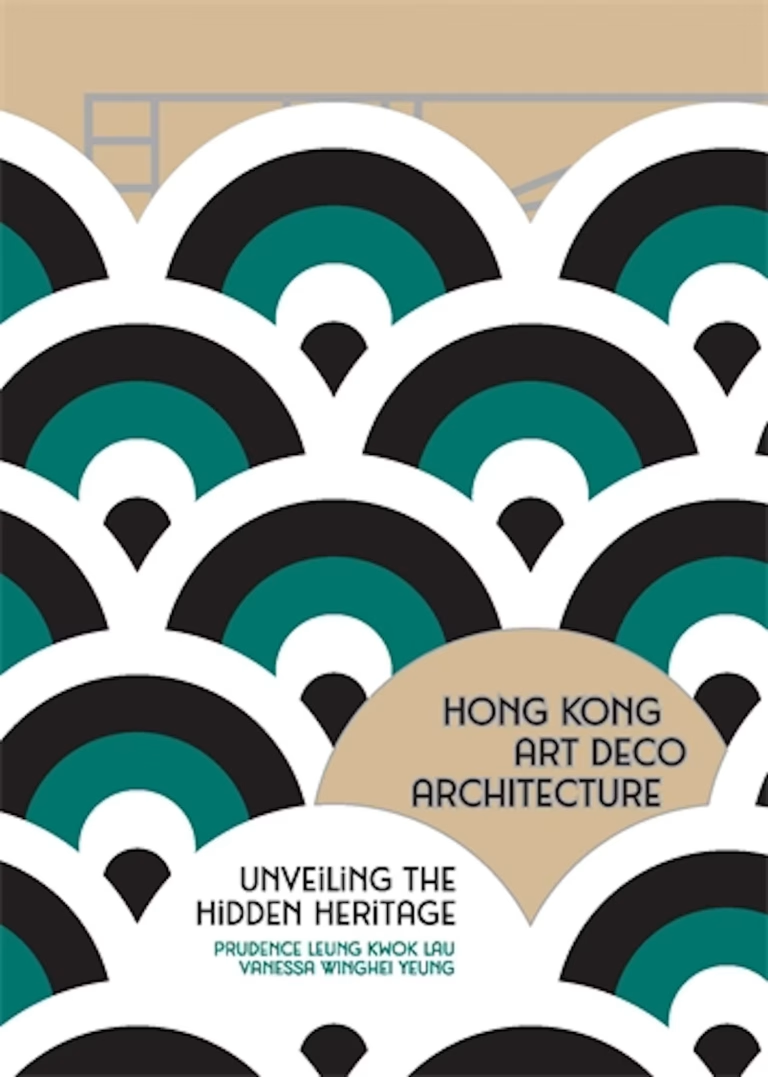
“Hong Kong Art Deco Architecture: Unveiling the Hidden Heritage”
In Moliere’s play Le Bourgeois Gentilhomme, the wannabe aesthete Monsieur Jourdain learns with delight that “for more than forty years…

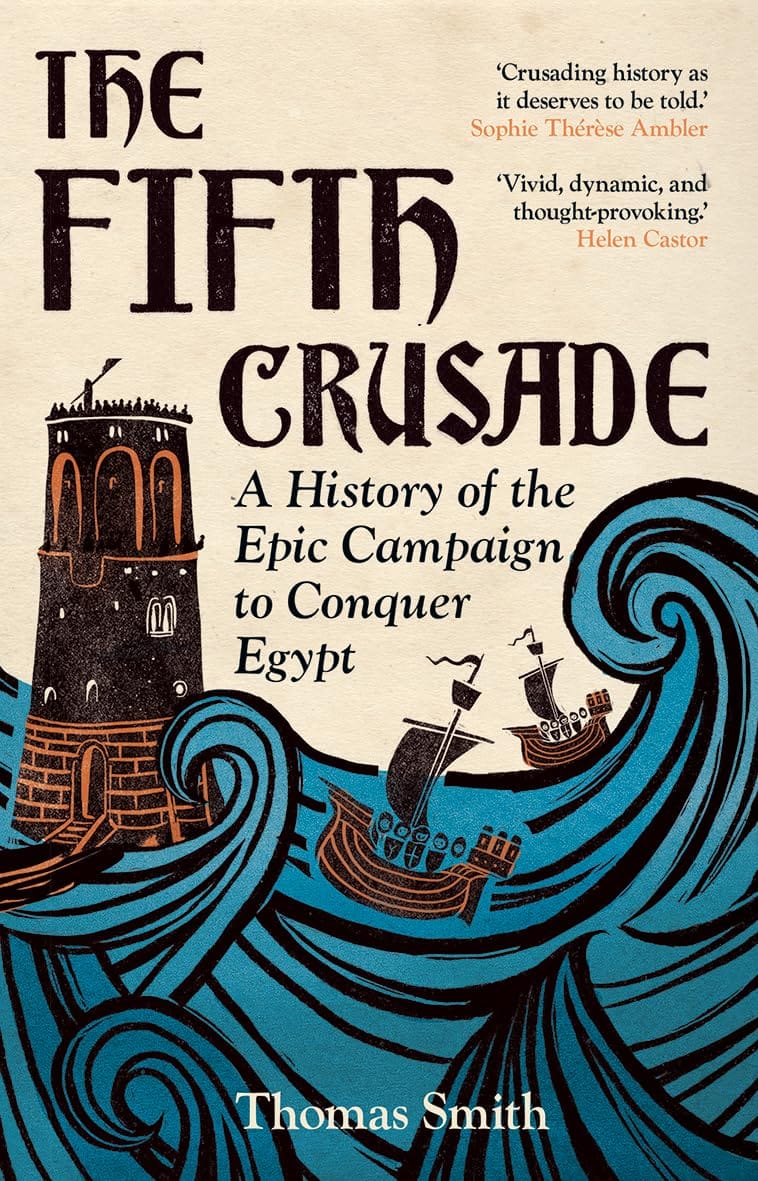
“The Fifth Crusade” by Thomas Smith
This century’s “forever wars” have nothing on the Crusades, which lasted some three centuries and had to be numbered. Lay interest in the Crusades seems to diminish after the clash of heavy hitters Richard the Lionheart and Saladin in the Third and the disrepute engendered by the Fourth, in which the Franks turned on their…

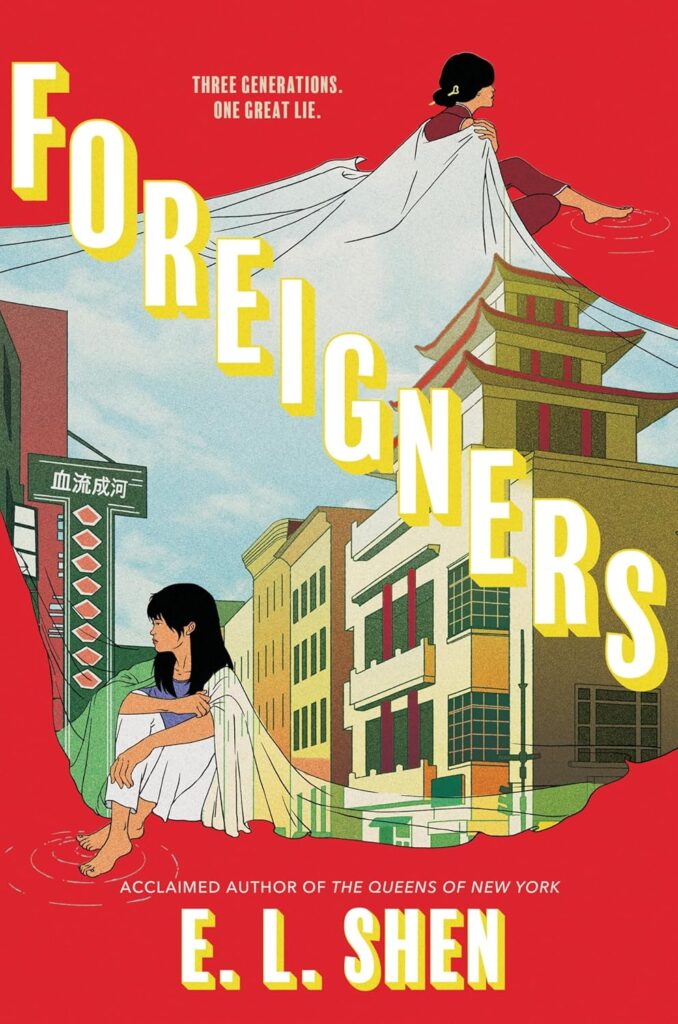
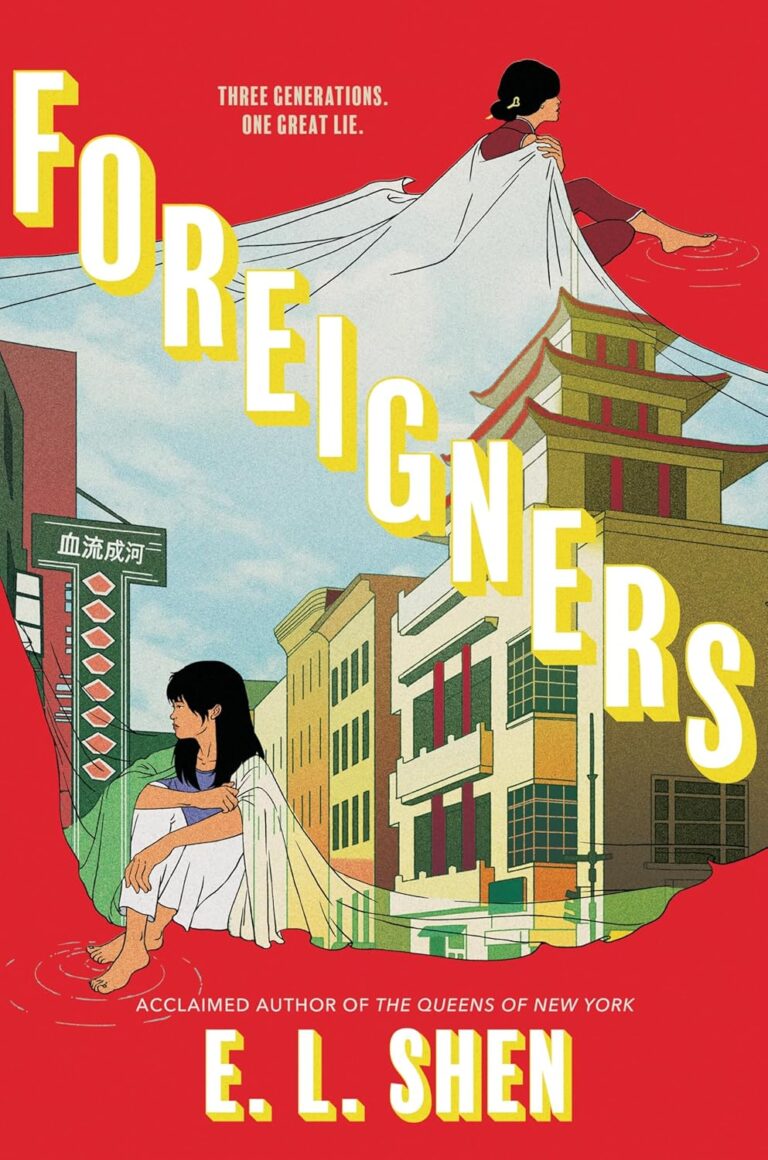
“Foreigners” by EL Shen
When Dawn Chin is assigned a high school history project to interview a family member, she picks her paternal grandmother and learns more about her family history than she expected, including a couple of life-altering secrets. All the lies, all the secrets, the masks her family wears, the ones she puts on too, like a…
-

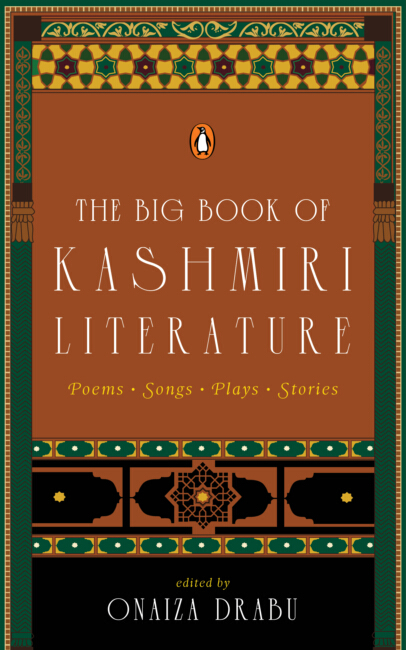
“The Big Book of Kashmiri Literature”
In 1958, a Kashmiri poet who earned his living cutting timber sat down in front of a radio microphone and… -

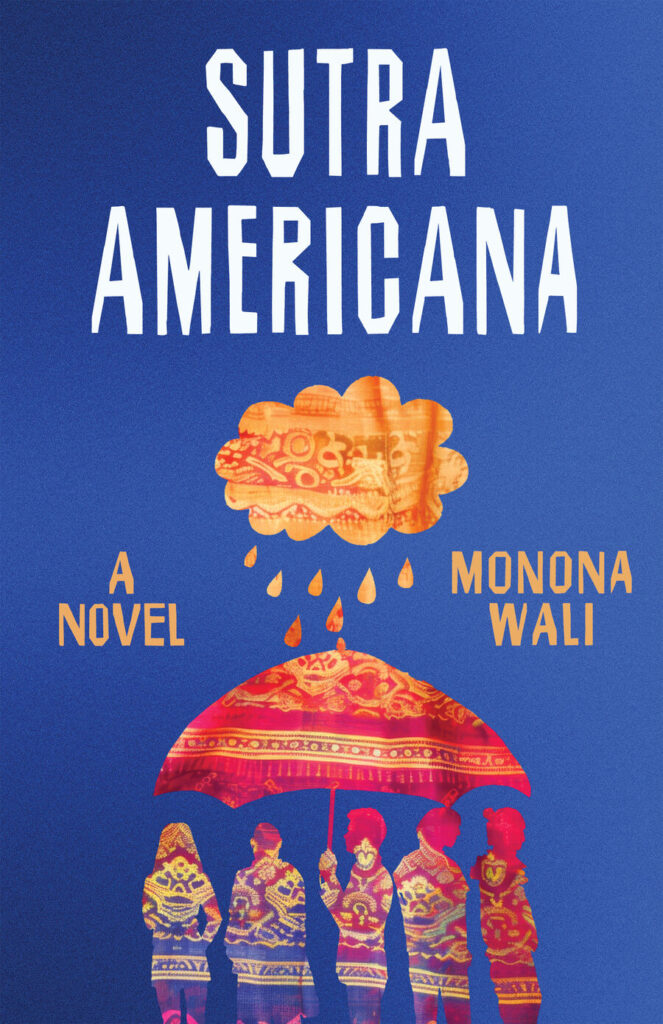
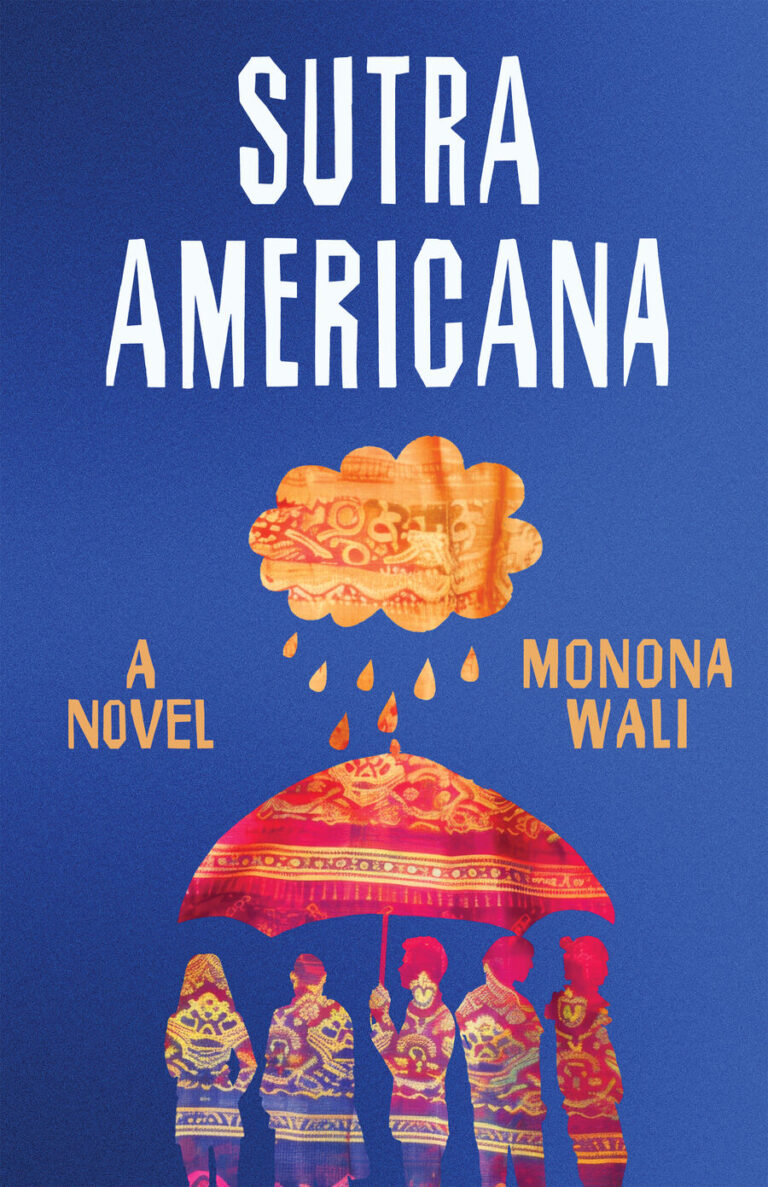
“Sutra Americana” by Monona Wali
It’s not hard to picture the leap Monona Wali made from filmmaker to writer after reading her latest novel, Sutra…
-

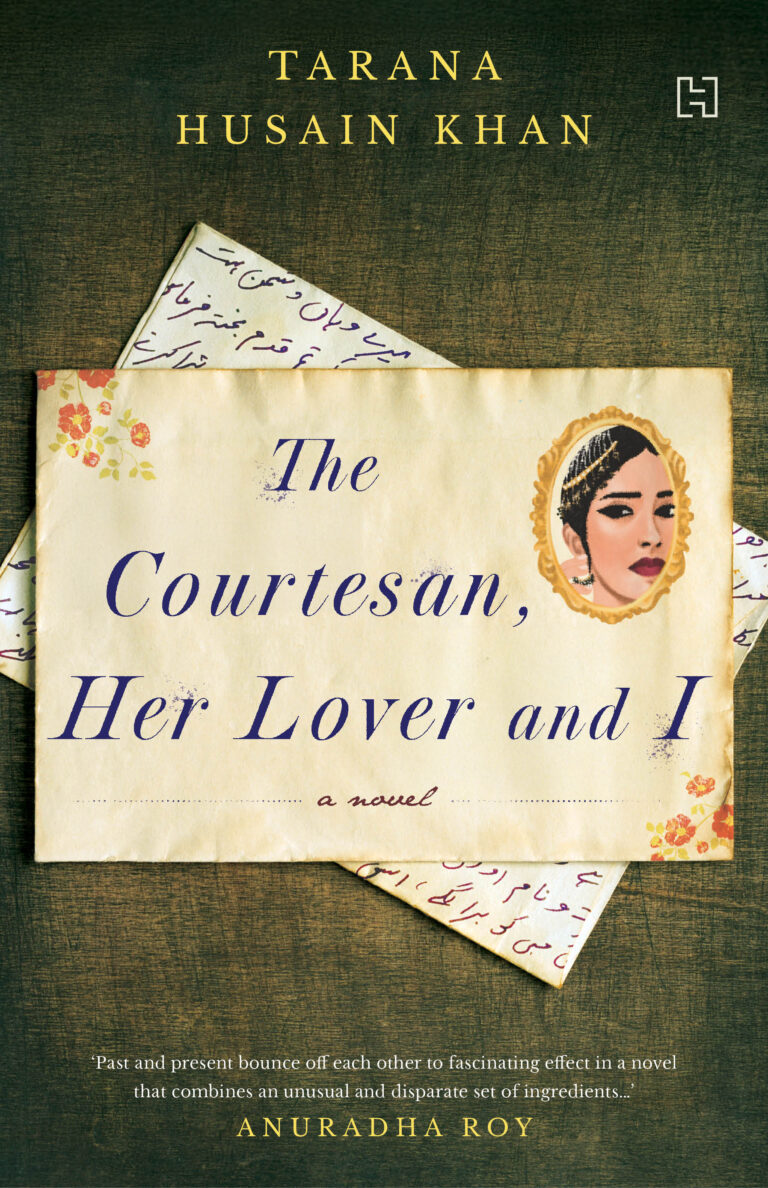
“The Courtesan, Her Lover, and I” by Tarana Husain Khan
In modern day Rampur, aspiring writer Rukmini finds herself fascinated by the life of Munni Bai Hijab: the real-life 19th-century… -

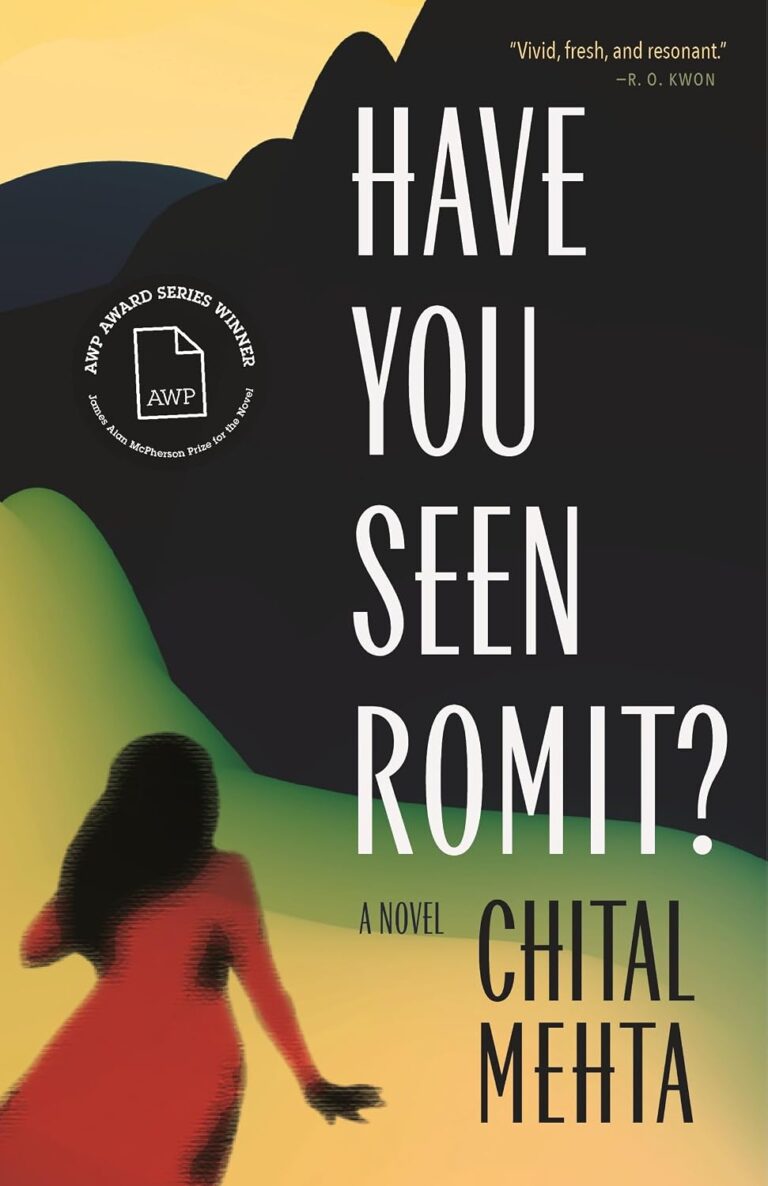
“Have You Seen Romit?” by Chital Mehta
Usha and her husband Om are part of a Gujarati community in Coimbatore and the parents of three grown children:…
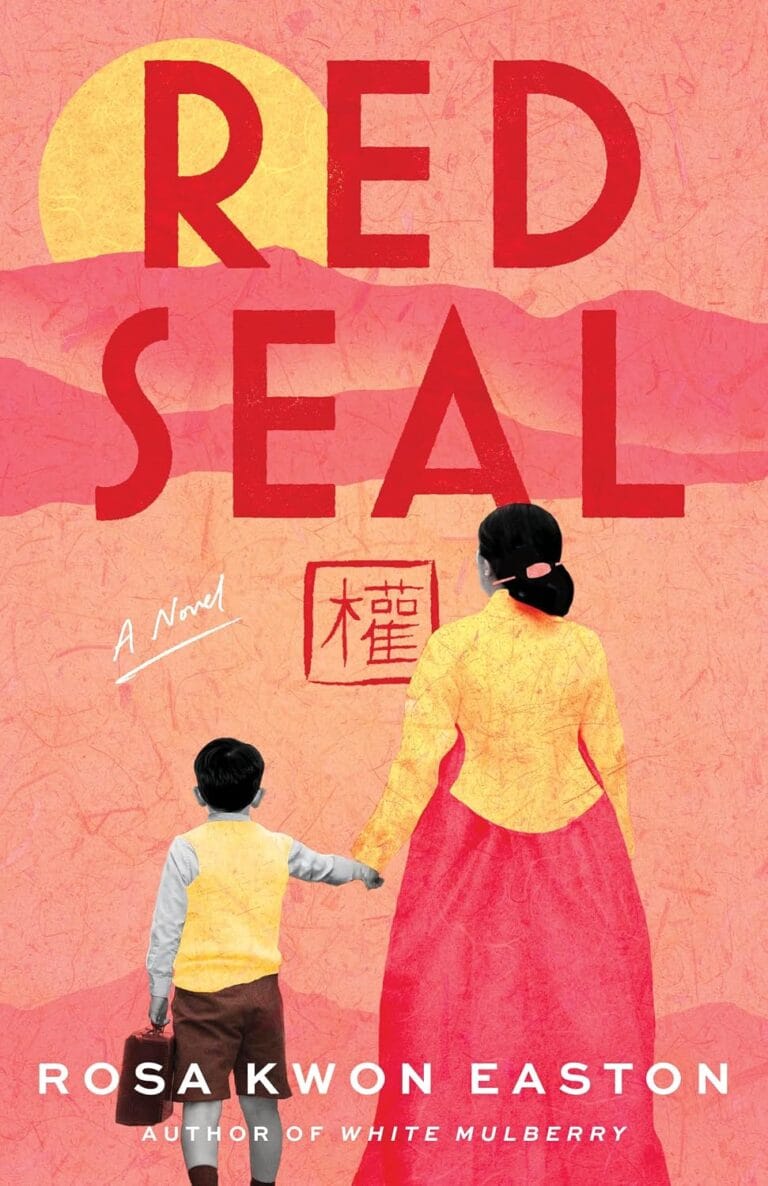
“Red Seal” by Rosa Kwon Easton
Rosa Kwon Easton’s debut novel, White Mulberry, tells the story of Miyoung, a Korean nurse who passes as Japanese while living and working in Japan as World War II erupts. In that book, Miyoung learns to do whatever she can to protect herself from danger. In the newly-published sequel Red Seal, which takes place across…
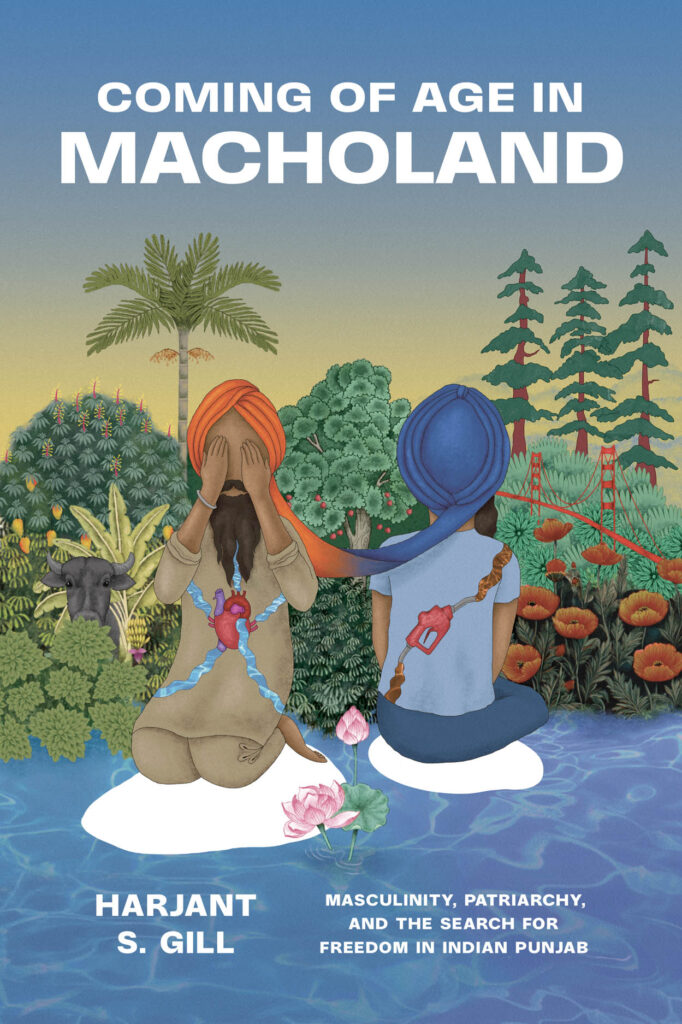
“Coming of Age in Macholand” by Harjant S Gill
Through Punjabi men’s struggles to marry, migrate, love, and escape, Coming of Age in Macholand reveals what patriarchy costs the men it promises to empower. In 2019, Sandeep, a twenty-seven-year-old from…
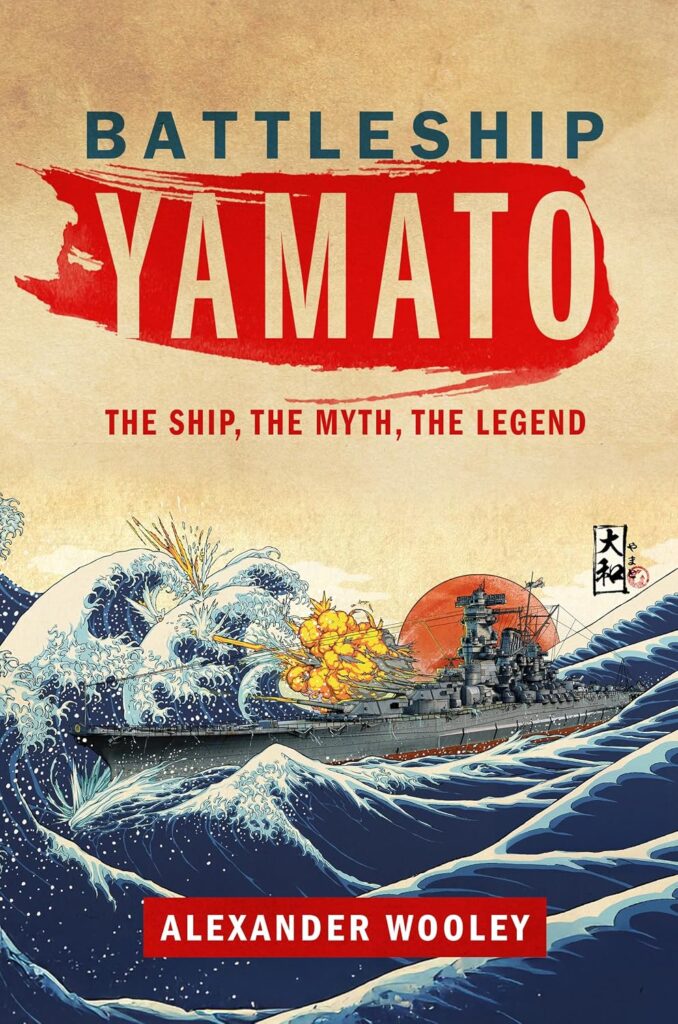
“Battleship Yamato” by Alexander Wooley
Author Alexander Wooley explores the enduring legacy of the battleship Yamato, weaving together history, myth, and cultural impact to reveal how a wartime icon became a symbol of Japan’s identity…
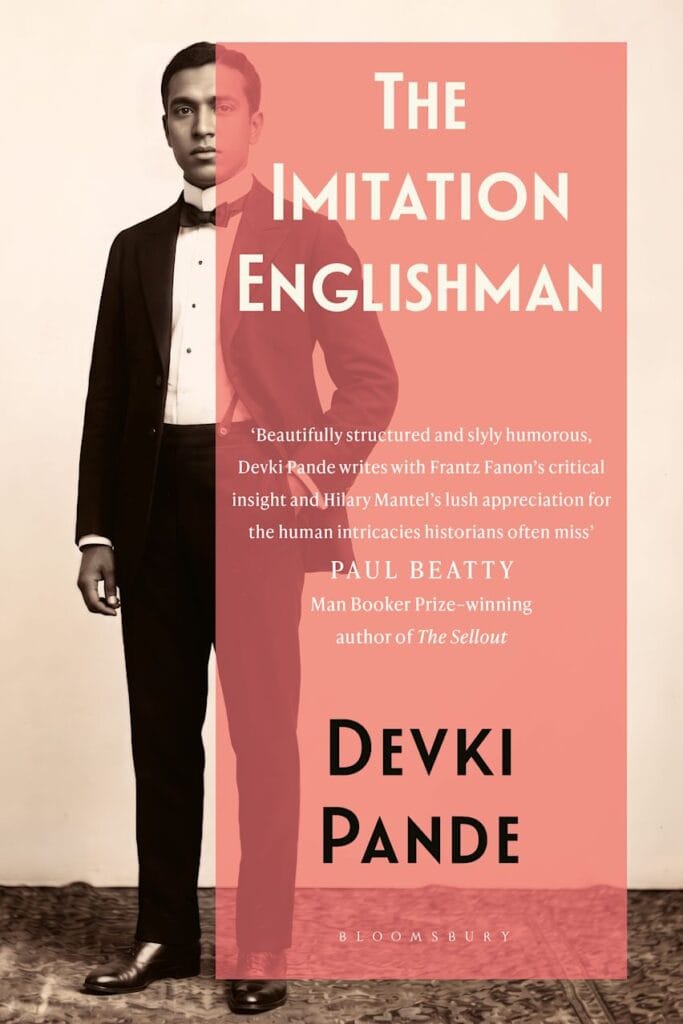
“The Imitation Englishman” by Devki Pande
It is 1916, the middle of World War I. Madhusudan Chandra Joshi is a young clerk who works at the District Courts of India. As he journeys to Heidelberg to…
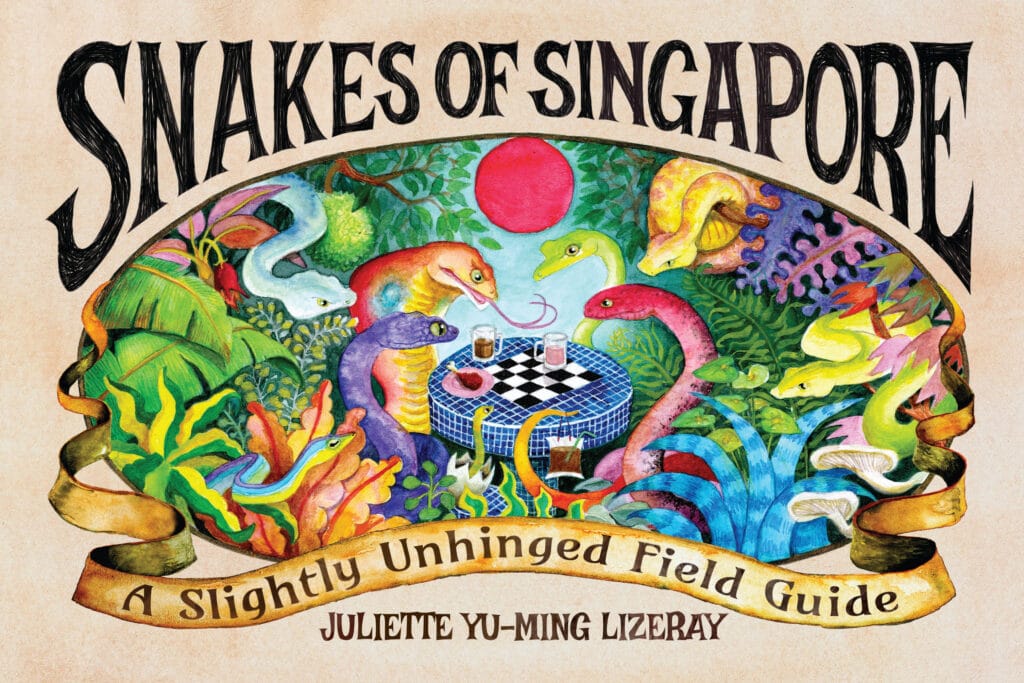
“Snakes of Singapore: A Slightly Unhinged Field Guide” by Juliette Yu-Ming Lizeray
Meet Singapore’s strangest inhabitants. The snake that cartwheels. The snake that clones itself. The snake that flies through the air. Snakes are everywhere in Singapore, gliding through mangroves, sunning on…
You must be logged in to post a comment.