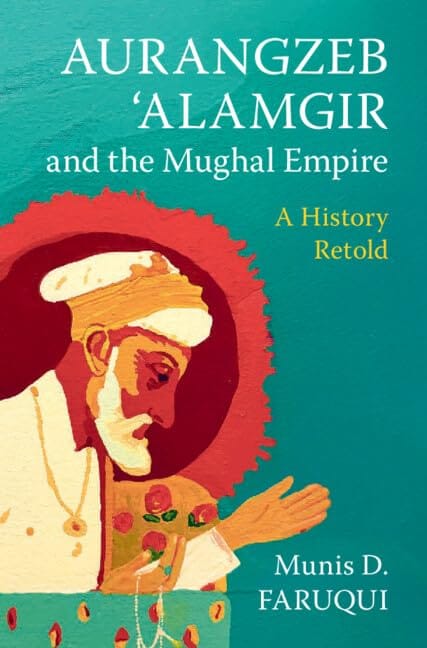
Over the past decade or so, Indian popular history publishing has seen a welcome trend. After a run of strong biographies on the great Mughal emperors, writers have begun to explore the lives of secondary figures, from the formidable empress Nur Jahan and the powerful princess Jahanara to the philosopher-prince Dara Shukoh and the chronicler-princess Gulbadan. It seems a natural progression, then, to move on to the senior, non-Mughal figures who were indispensable to the empire’s success. Rima Hooja’s The Emperor’s General is a prime example, a deeply-researched biography of a man who was, arguably, more central to the empire’s consolidation than any single imperial prince.

Running and securing an empire can get expensive–especially one known for its opulence, like the Mughal Empire, which conquered much of northern India before rapidly declining in the 18th century. But how did the Mughals get their money? Often, it was through wealthy merchants, like the Jhaveri family, who willingly—and then not-so-willingly–funded the empire’s activities.

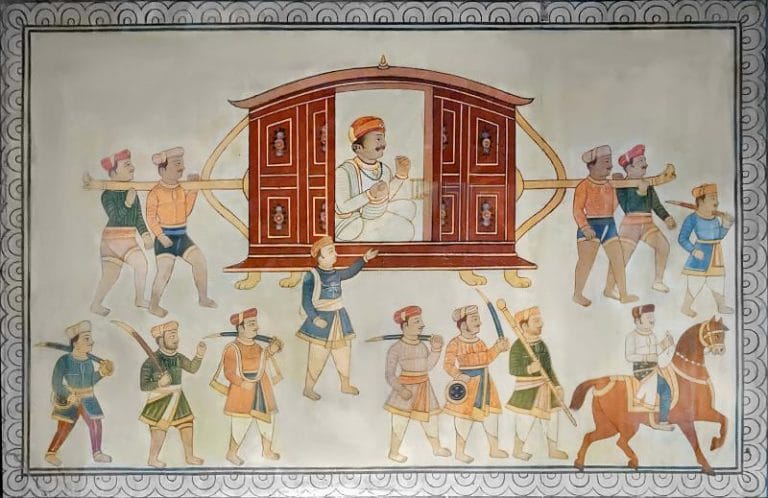
Although subtitled “Family Fortunes” and presented as being the story of the Jhaveri business family in Gujarat, Sudev Sheth’s recent history Bankrolling Empire is as much, if not more, about the wider arc of the decline of the Mughal Empire. Whether one is interested in the specific role of finance in the Mughal Empire or the jigsaw puzzle that is Mughal history, one is likely to come away from this well-written and colorful book quite the wiser.