“Touring the Land of the Dead” by Maki Kashimada
In Touring the Land of the Dead, author Maki Kashimada writes about one woman’s trauma with razor-perfect concision and an austere beauty.
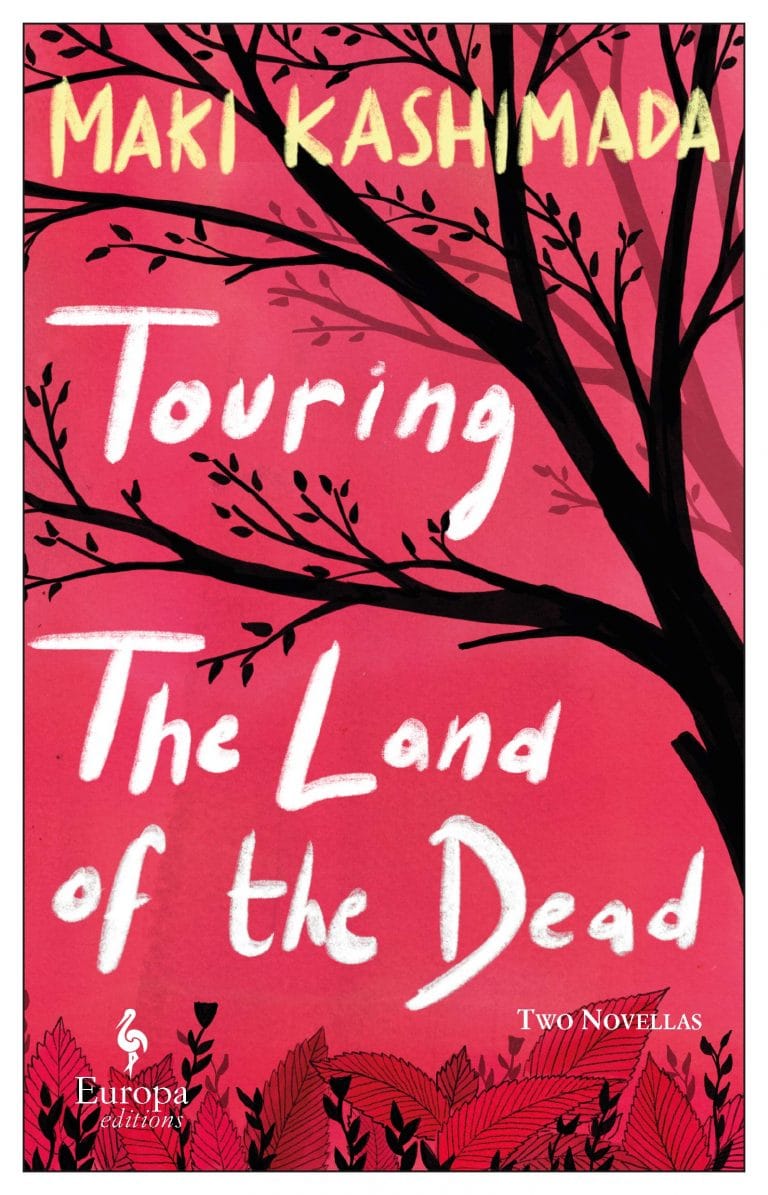
In Touring the Land of the Dead, author Maki Kashimada writes about one woman’s trauma with razor-perfect concision and an austere beauty.

Shaw Kuzki’s middle-grade novel Soul Lanterns begins in August 1970. A generation earlier, an atomic bomb leveled Hiroshima. Nozomi and her friends have grown up attending yearly memorials and learning about “the flash” in their peace studies class. When a much-loved art teacher takes an unexpected leave of absence, Nozomi begins to wonder about how…
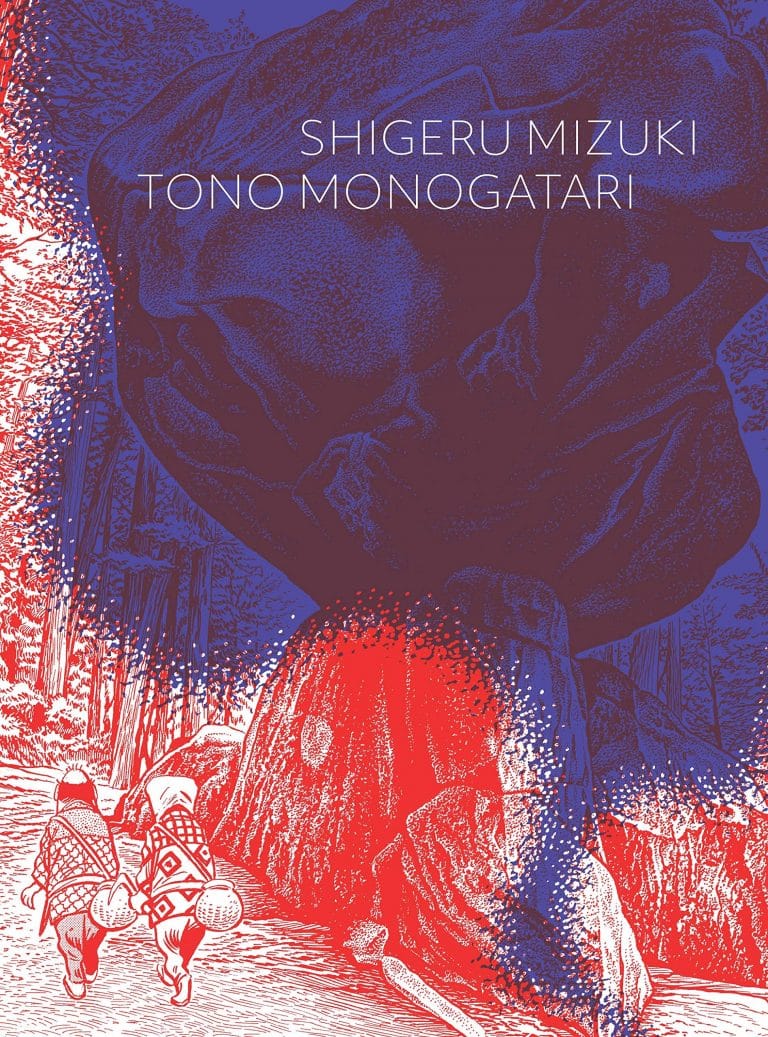
Shigeru Mizuki’s Tono Monogatari has a complicated lineage. During Japan’s rapid modernization in the early 20th century, a man named Kunio Yanagita set out to preserve Japan’s cultural heritage of magic and the supernatural. Along the way, he met a young writer, Kizen Sasaki. Together they traveled Japan’s Tono region, today about five hours northeast…

Mizumura Minae’s An I-Novel begins with a caveat: the author herself once suggested that translating the novel, originally published in Japan in 1995, into English was singularly impossible.

The unnamed narrator in Tsumura Kikuko’s There’s No Such Thing as an Easy Job quits a job she loves after developing “burnout syndrome”. Her first career (the reader won’t find out what it was until the novel’s final pages) has sucked up “every scrap of energy” she had. She asks a recruiter to find her…
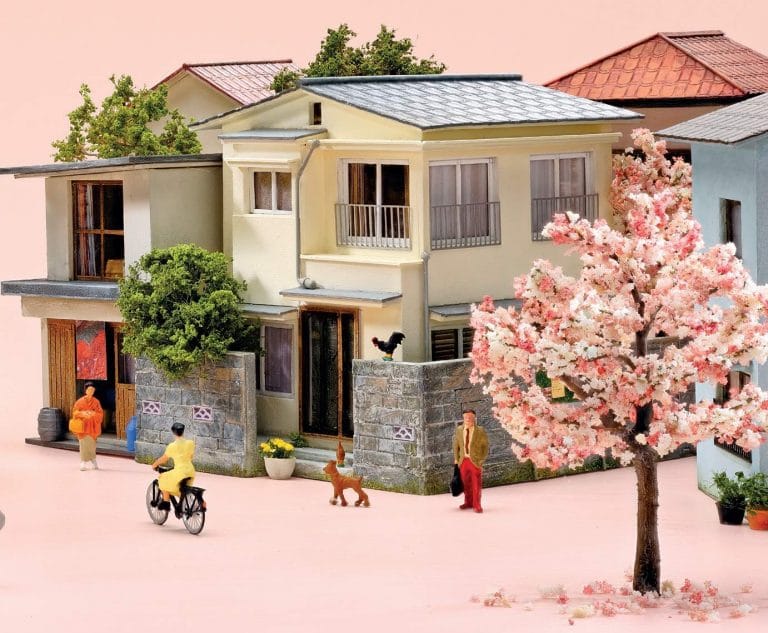
People from My Neighborhood is a book about relationships. Kawakami Hiromi’s collection of micro-fiction, itself only 120-pages long, is about the members of the close-knit community in an exurban Tokyo town. For a volume of short stories, the relationships between characters are remarkably strong. Two and three pages at a time, the reader begins to…

Kiki, a thirteen-year-old witch in training, leaves her rural village for a bustling seaside town. With her, she takes only a bento lunchbox, a radio, and her black cat Jiji. She travels by broom, of course. Broom flight is the only magic Kiki has. Western audiences may know Kiki from the massively popular, heavily-lauded 1989…
Asa’s husband has just been transferred, so the couple moves into his parents’ rental house, next door to her in-laws. When they move, Asa must quit her job, but “it’s not really the kind of job that’s worth holding on to” anyway.
Angry women hold a special place in Japanese folklore. Many of Japan’s best-known tales are about “vengeful ghosts”, almost always women, who wreak havoc on the living for some perceived wrong.