“Inglorious Empire: What the British Did to India” by Shashi Tharoor
It is not surprising that writers in the Indian sub-continent should seek to redress the balance in accounts about what happened there when it was part of the British Empire.
It is not surprising that writers in the Indian sub-continent should seek to redress the balance in accounts about what happened there when it was part of the British Empire.
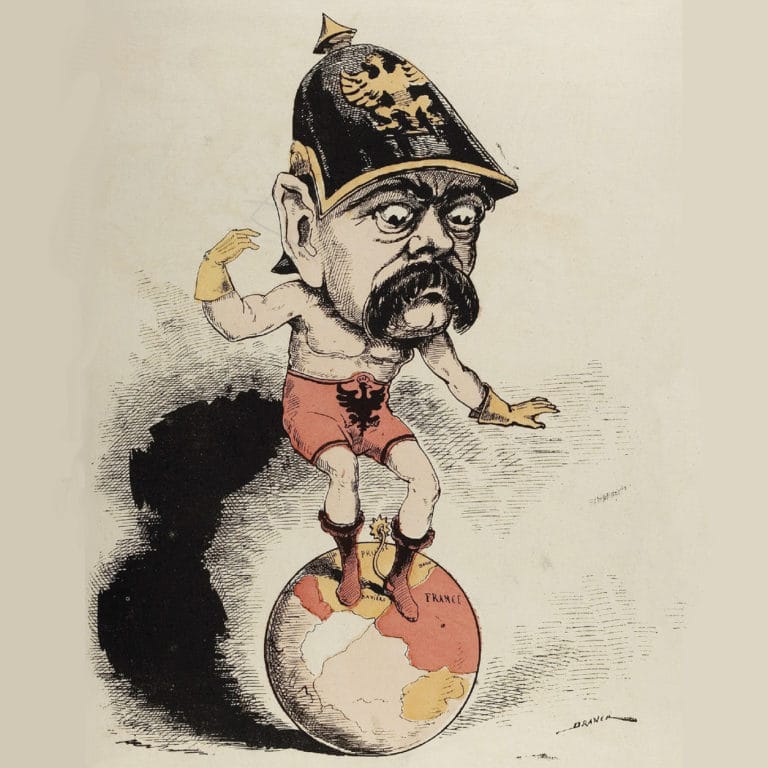
It is important for statesmen and policymakers to study and understand history, but the use of historical analogies to inform policy is fraught with dangers. The United States and its allies discovered that the “lessons of Munich” of 1930s Europe, for example, were not easily translatable to wars on the Korean peninsula and later in…
The recurring themes of Manchuria’s history—and Empire and Environment in the Making of Manchuria, edited by Norman Smith—are colonization and the environment. Over centuries, Manchuria—the region covering the remote northeast of modern-day China—has been fought over by competing imperial powers. Its geographic location at the intersection of three of the 20th century’s most powerful empires—Russia,…
After the collapse of the Manchurian empire, Japan was keen to expand its holdings in Korea and the Pacific into Manchuria and eventually into Mongolia and the Russian Far East. Their argument was that Japan had to feed its huge population with scarce resources, so imperialist expansion was a matter of life and death.
In the triumvirate of superpowers, only China and Russia share a border. In Beyond the Amur, Victor Zatsepine discusses how that border, or rather the eastern section of it, came to be.
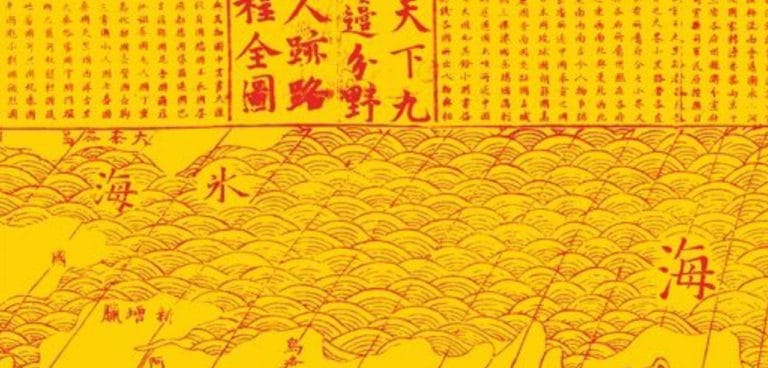
One need look no further than Britain’s impending departure from the European Union for an example of how once apparently dormant elements of a nation’s self-image can be reawakened. An abiding historical sense of aloofness and suspicion of Europe, which seemed to have been quelled by the forces of globalisation in recent decades, has emerged…

Western commentators are wont to complain that China doesn’t always seem committed to “international norms”. Robert Bickers’s new book Out of China: How the Chinese Ended the Era of Western Domination helps explain why: “international norms” were used for a century to justify encroachments on Chinese sovereignty.

“Man cannot control the current of events,” remarked Otto von Bismarck, “he can only float with them and steer.” The great German Chancellor understood that it is much easier to design a grand strategy for international politics than to implement one.
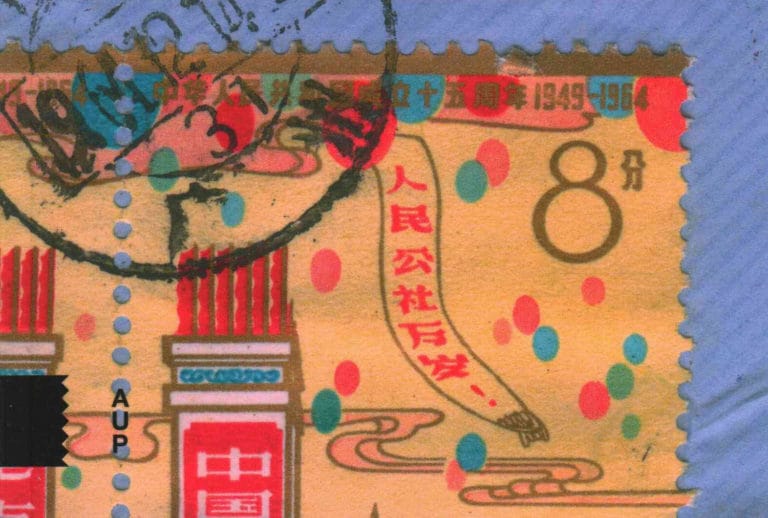
Between September and Christmas 1964, the Dutch sinologist Erik Zürcher undertook a three month visit to China organized by the state travel agency Luxingshe. It was official and exceptional. China was closed for business, isolated and angry at history. Barely more than a decade previously, Dutch troops in UN Command had been fighting the Chinese…
If you were to visit the British Museum and take a quick look at HC Cornelius’s View of the ruins of a Bramin temple at Brambanang, you might surmise that it is an exquisite piece of landscape art, depicting a typical rural scene in early 19th-century Java.
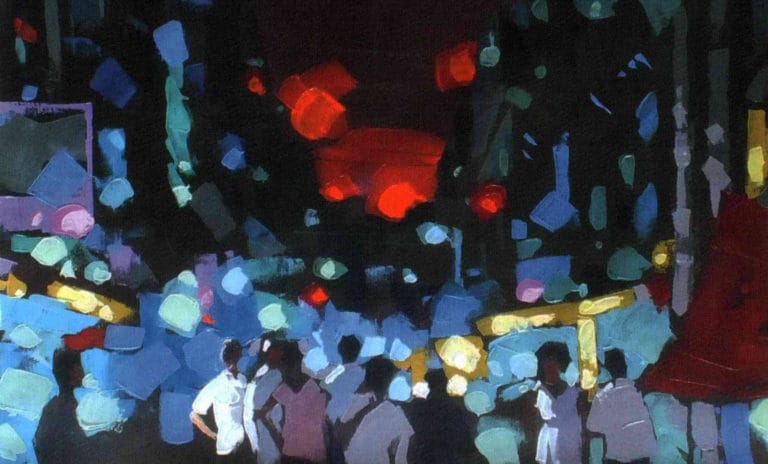
There are few recent books as deeply anchored in both global and urban history as Su Lin Lewis’s exploration of urban life in early-twentieth-century Southeast Asian port cities. Combining a keen interest in the consequences of the world’s growing connectedness during the tail end of the age of steam, a thorough familiarity with the places…
Resting together after an afternoon climb to the hillside Kyoto grave of her father’s great benefactor, the school principal who provided for the 90-year-old Anglican minister when he was just a penniless, fatherless newspaper boy, Joy Kogawa brought herself to speak: “Dad, I know what you did.”
Back in the 1980s, books about Japan became bestsellers worldwide, with the ascent of Japan from the ignominy and abject destruction of 1945 to the position of the #2 economy on the planet, with the #1 spot not far off in the breathless predictions of some at the time.
Here at last a book to unearth the untold story of Chinese porcelain in Spain at the time when both countries first started trading. Early relations between China and Spain remains an understudied subject, and the glaring absence of a monograph on Chinese porcelain in Spain has finally been redressed with the magisterial Chinese Porcelain…
The so-called “Manila galleon”—more than a trade route but in its structure and organization what we would consider today a shipping line—connected Asia with the Americas for 250 years through the latter quarter of the 16th century to the first quarter of the 19th. By being the final bi-directional piece of the global trade puzzle,…