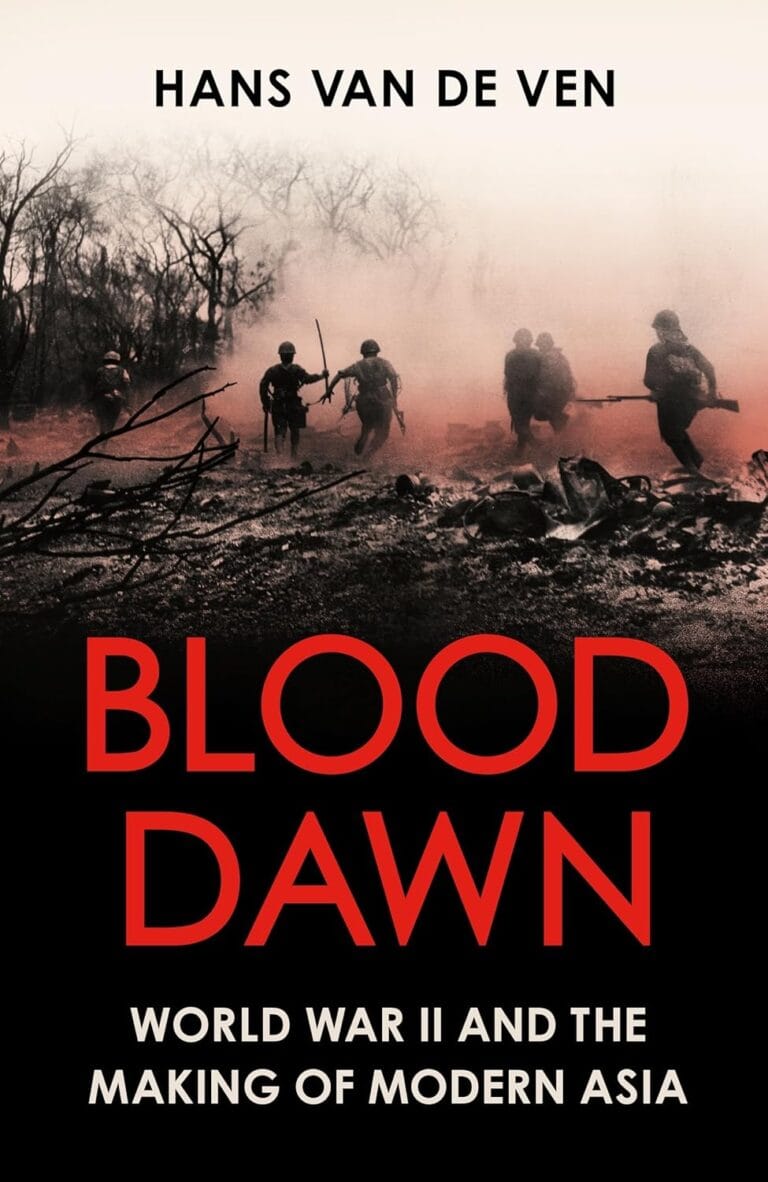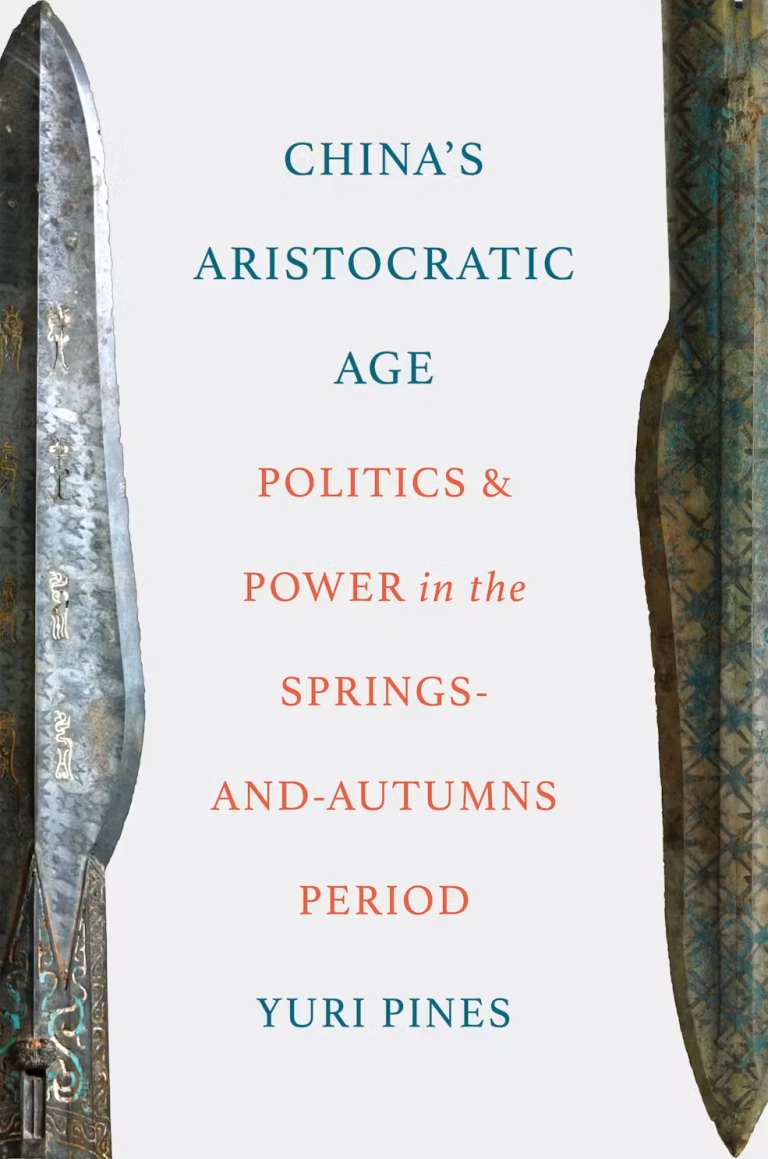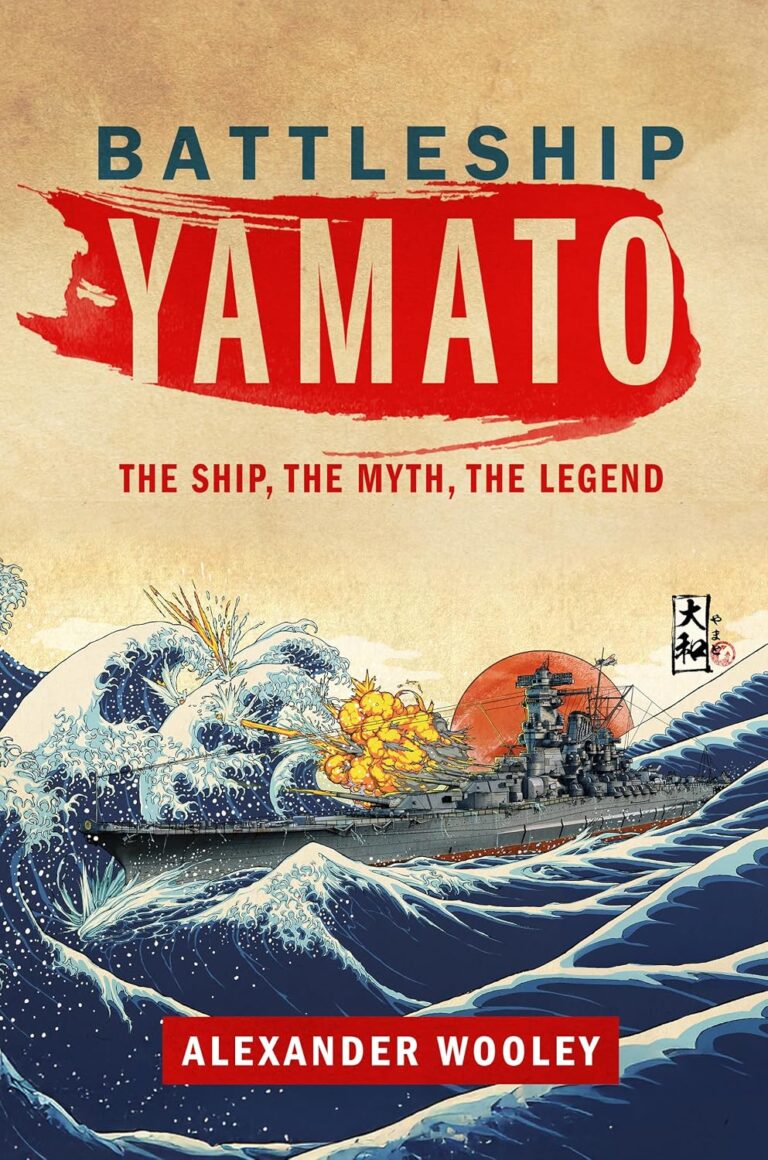
Biographies, at least in English, about Japanese who played key roles in the Second World War are relatively rare. Chiang Kai-shek, Winston Churchill, Charles de Gaulle, Adolph Hitler, Benito Mussolini, Franklin D. Roosevelt and Joseph Stalin—each the subject of dozens of biographies—have all attracted a great deal of attention.. General Tojo Hideki, Japan’s leader for most of the war, has however had only several books dedicated to him. For the leader of an empire that held Manchuria in its grip, overran much of China, occupied French Indochina, and seized throughout Southeast Asia the colonies of the Americans, British, and Dutch before going down in defeat, this relative lack of attention is remarkable.
History
Delhi is haunted—by its ghosts, its ruins, and its unending capacity for rebirth. In the shadow of medieval mosques and Mughal tombs, the past refuses to stay buried. Saints, Sultans, poets, and lovers—all linger in the city’s imagination, their stories shaping how we remember what once was.

Arguing for the importance of taking Japanese political thought seriously, this book is the first to bring together authoritative essays by world experts on the thinkers who shaped Japan’s New Left movement. In doing so, it demonstrates the distinctiveness and significance of Japanese left-wing thought, providing an invaluable resource for students of 20th-century radical politics.
A book that attempts to tell the story of one of the world’s largest and most complex islands across vast spans of time—from deep geological history to the urgent pressures of the present—Olivier Hein’s Borneo: The History of an Enigma announces its ambition from the first pages. Such scale is risky: many books with grand reach end up flattened by their own seriousness. Hein avoids that fate. What emerges instead is a work of remarkable clarity and narrative energy, one that wears its scholarship lightly and reads with the confidence of a storyteller who knows exactly where he is taking you.
The name Jodhpur itself conjures for many the full colour of the Raj at its height: polo grounds and palaces, and impeccably-tailored riding trousers—jodhpurs—a word exported into the English language. In Peter Vacher’s richly-illustrated and deeply-researched book, that familiar imagery is joined by something less-widely appreciated but no less consequential: aviation. The result is a book that reveals how a princely desert state became one of the most important air hubs in Asia between the World Wars, and later a critical node in the Allied war effort in South-East Asia.
Today, much of the Middle East is “Arab”—an identity that now extends across North Africa and up through the Near East to Syria. Yet how did this region become Arab? How did this identity spread? Was it due to migration, or conquest?
The Myanmar-China border stretches for over 2,000 kilometres between China’s Yunnan Province and Myanmar’s Kachin and Shan States. The border has long been a site of migration, trade and cultural exchange, and became a particularly significant area of escape during periods of political and economic hardship. The impact of this border on individual lives is the focus of Wen-Chin Chang’s new book, Echoes from the Sino-Burmese Borderlands: Untold Stories of Overland Chinese Migrants during the Cold War.
What does it mean to be a historian? How do you try to explain the past when sources are lacking? And how do we talk about history when it’s so politicized? In the new book Speaking of History: Conversations about India’s Past and Present (India Allen Lane, 2025), Namit Arora and Romila Thapar discuss some of the challenges facing historians in India today, what it means to be an academic historian, and how ideas around gender, caste and religion may be getting distorted in India’s public history.
Ghosted: Delhi’s Haunted Monuments delves into the often-overlooked monuments of Delhi through the lens of jinns, Sufi saints and the horror tales associated with them, revealing both the brutality and humanity embedded in the collective history of the monuments and those who are tethered to them. Historian Eric Chopra contends that “to make sense of its antiquity is an overwhelming process for it’s a city that has witnessed 100,000 years of presence” and that in the light of the city’s long exposure to invasion and migration it “must be haunted”.
Robert Strange McNamara was arguably one of the worst public servants in post-World War II American history. Decades after the Vietnam War ended, McNamara, who served as US Defense Secretary in the Kennedy and Johnson administrations, admitted that as early as 1965 he believed that the United States could not win that war yet he orchestrated and publicly supported the Americanization of the war, sending more than 500,000 American servicemen to fight in what he believed was a hopeless cause. All the while, he kept telling the American people that the US was winning, even as he quietly recommended bombing pauses, troop ceilings, and negotiations with the North Vietnamese.

You must be logged in to post a comment.