“The Bangalore Detectives Club” by Harini Nagendra
It’s a spring evening in 1921 in Bangalore. Nineteen year-old newlywed Kaveri Murthy is dining with her husband at the posh Century Club when there’s a murder.
It’s a spring evening in 1921 in Bangalore. Nineteen year-old newlywed Kaveri Murthy is dining with her husband at the posh Century Club when there’s a murder.
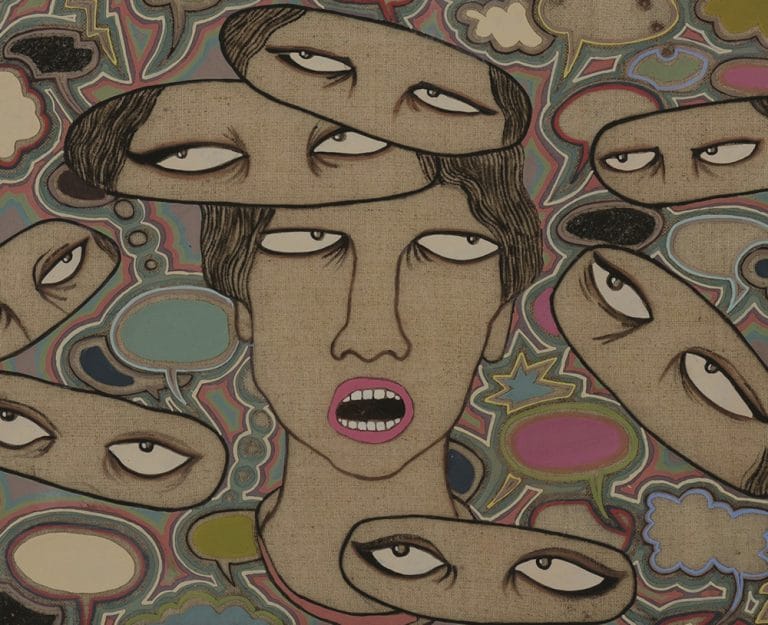
There are two thoughts about how English fits in India. One holds that it is a foreign language; the other claims that it is an Indian language. In her book Vernacular English: Reading the Anglophone in Postcolonial India, Akshya Saxena takes English out of this Indian/foreign binary and argues that it should be seen on…
In India, a land of many languages, not all languages are created equal. In particular, the government has designated a half dozen as being “classical” and therefore deserving of special support. One of these is Sanskrit, but others are still being spoken (albeit in versions very different from the ancient times). One of these officially…
India is home to more than 200,000 refugees in India today including Afghans, Tibetans, Sri Lankan Tamils, Rohingya and more. Yet almost counterintuitively, the Indian government is highly skeptical of international refugee mechanisms designed to help conditions for refugees. India has not signed the 1951 Refugee Convention and has been widely criticized for its treatment…
The street quietly watches them grow, dream and die. In Siddhartha Street characters come together and grow apart to draw you into the tale of a quotidian street, in a quaint corner of South India. On the rooftop of the lone apartment block in the street, it’s time for “Saturday night drinking” and a motley…
It can be easy to think of the recent history of India—especially for those who aren’t from there—as a straight line, from the Mughal Empire, through the British Empire, to independent India. That, of course, is hugely simplistic, missing the mess of competing polities, interests, and people that made up Indian history over the last…

In 2019, that watershed year just before the onset of Covid-19, a protest movement erupted on the Indian subcontinent in response to two new laws introduced by Prime Minister Narendra Modi’s government. The first, a revision to the Citizenship Act of 1955, with changes to conditions for asylum conditions designed to specifically exclude Muslims; the…
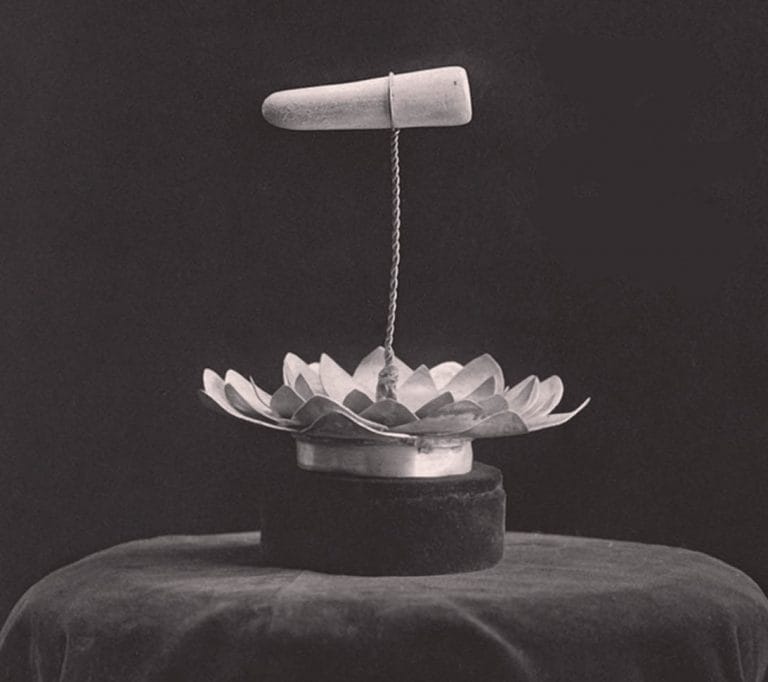
After the Buddha died or, as believers hold, attained Mahaparinirvana, the remains of his body—tooth, hair, bones—were reportedly disseminated to different Buddhist stupas in India. These relics have been understood to be at the centre of various miracles and legends since then and have also been highly coveted objects. Rulers of various kingdoms have wanted…
This book provides an in-depth ethnographic study of science and religion in the context of South Asia, giving voice to Indian scientists and shedding valuable light on their engagement with religion. Drawing on biographical, autobiographical, historical, and ethnographic material, the volume focuses on scientists’ religious life and practices, and the variety of ways in which…
London has always been a galvanizing factor for the South Asian community—whether due to the machinations of empire, the drive for higher education, or the need to make a living. South Asians make up the largest group of foreign-born individuals in London—and South Asian politicians in the UK cross the political divide, from Rishi Sunak…

Saadat Hasan Manto is a writer the South Asian reviewer or commentator attempts with trepidation. Usually approached in anthologies of Partition literature where the brutality and violence of being human are expected, there is temptation to wash one hands of him by reading Toba Tek Singh, his most well-known story about the exchange of inmates…
The Mahabharata is one of the central works of Indian literature—its characters, lessons, and tropes are widely known and referenced in Indian popular culture, literary discussions and political debate. And like all classic works, it’s ripe for reinterpretations, deconstructions and adaptations.

As India emerges into independence in 1947, Englishman Charlie Strongbow and 23 colleagues set about setting up a smuggling operation on the previously uninhabited Cross Island, just off Bombay’s Ferry Wharf. The aim is to supply the good and the great (and the not-so-good) with contraband cigarettes, cheese, booze, perfume and whatever other Western products…
Following the Great Rebellion in 1857, the last Mughal Emperor, Bahadur Shah Zafar, was deposed, packed in a bullock card, and exiled to Rangoon. The termination of Mughal rule marked the advent of the Raj, but the British still had to contend with hundreds of regional power brokers whose loyalty had to be ascertained. These…
The grand churches of Europe are studied as great works of art and architecture. They continue to fascinate believers, historians, and art historians alike. The great names behind these works are hailed as legends and visionaries blending beauty with devotion to give meaning to the rituals that these buildings were home to. Compared to these…