“Bitter Orange Tree” by Jokha Alharthi
In this lyrical follow-up to her Man Booker International prize-winning novel, Celestial Bodies, Jokha Alharthi explores love, desire and language through three generations of an Omani family.
In this lyrical follow-up to her Man Booker International prize-winning novel, Celestial Bodies, Jokha Alharthi explores love, desire and language through three generations of an Omani family.
“Ancient Iran and the Classical World”, an exhibition currently running at the J Paul Getty Museum, is the second in a series that examines how ancient Greece and Rome interacted with the other civilizations of the Mediterranean, the Middle East and beyond. A sequel to the inaugural exhibition, “Beyond the Nile”, the current exhibition considers…
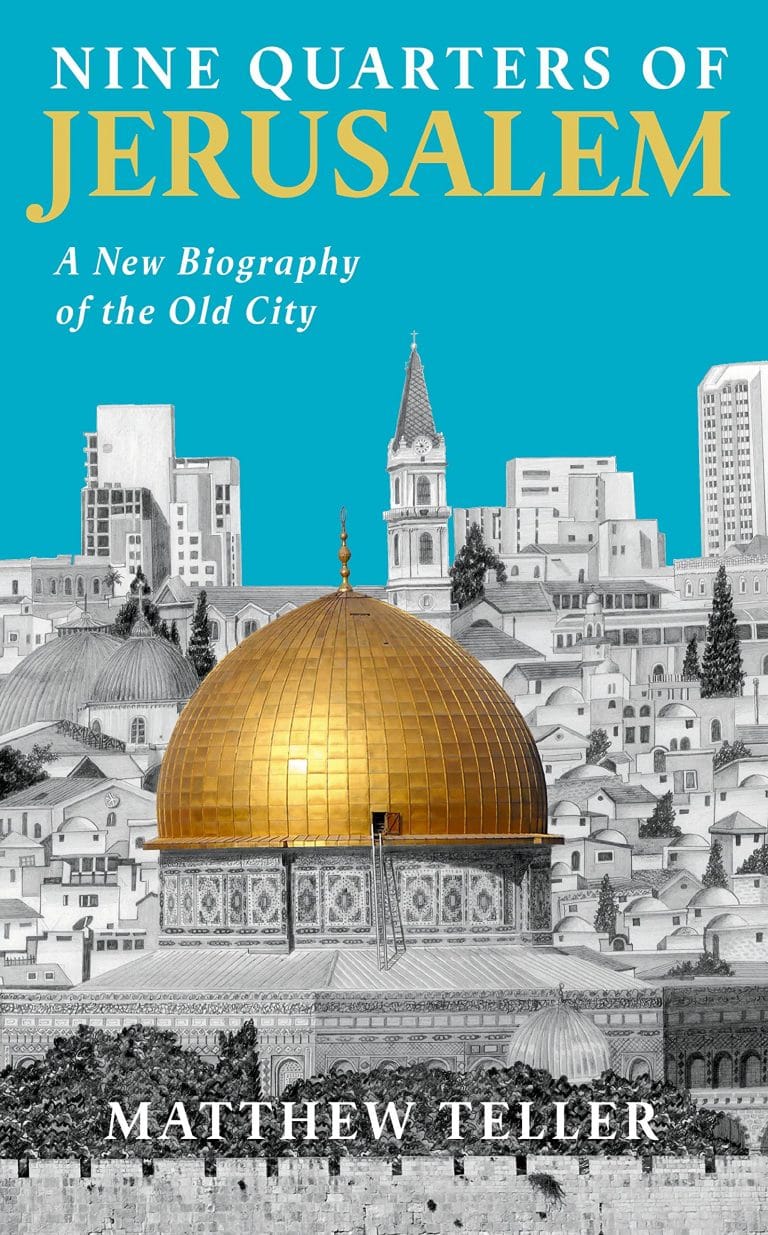
In Matthew Teller’s new travelogue, Nine Quarters of Jerusalem: A New Biography of the Old City, he explains that while Jerusalem’s Old City is known for its four quarters—Muslim, Christian, Armenian, and Jewish—this is a simplification that doesn’t recognize the many other ethnic and religious groups that make this city so unique. As the title…
Visitors from the Arab world flock to Istanbul today, enjoying the city’s cosmopolitan vibe alongside its comfortingly familiar culinary and architectural riches. Turkey’s accelerating pivot towards the Arab world has renewed old connections. Ottoman Sultan Selim the “Grim” conquered Syria and Egypt in 1517. For the next 400 years, Arabs frequented Istanbul as loyal Ottoman…
The Mediterranean, the body of water that now divides and buffers Europe from the “over there” of Africa and the Middle East, used (many centuries ago) to unite a region. The “Mare Nostrum” of the Romans was a conduit for internal commercial and cultural communication. And for several centuries prior to becoming a Roman lake,…
“To this day the monument remains nearly unscathed—a meager consolation in the face of such suffering.” The monument in question is the Umayyad Mosque of Damascus, erected in about 705 by the young and energetic Umayyad (the dynasty began in 661) caliph al-Walid I (705-15) on the site of a Christian church which he had…
Few families have had as much success shaping history as the Abbasids. Descended from one of the Prophet Muhammad’s four uncles, they used their reputation for probity and piety to take over and rule the Arab Empire for 37 reigns. Deftly managing family feuds, they enjoyed a century of unimaginable splendor, followed by four centuries…
The Second Battle of El-Alamein, alongside Stalingrad and Midway, is taught in schools the world over as one of the turning points of the Second World War—or, depending on who you talk to, the turning point.
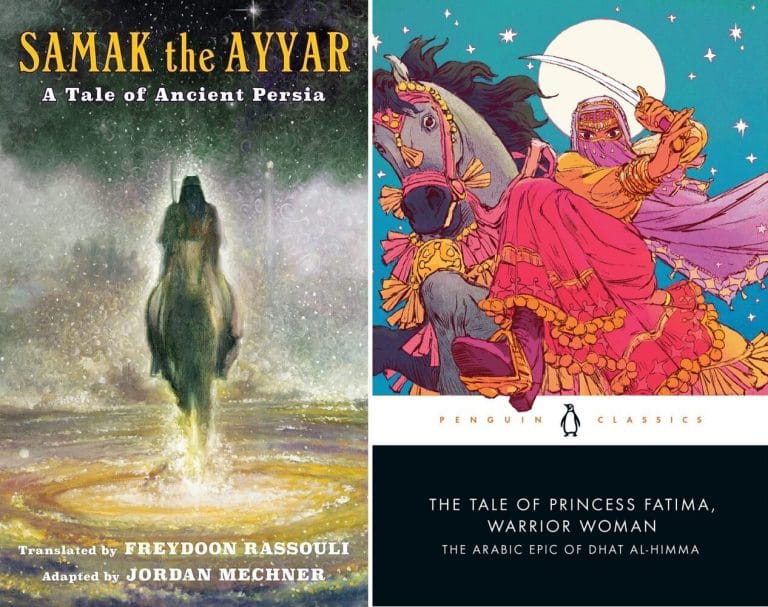
If you happen to have a few hours to spare and a swash to buckle, here are two rousing epic adventures from Persia and the Middle East to fill in the time. If we think of Persian epics, the two titles which probably come to mind are Ferdowsi’s Shahnameh and Vis and Ramin by Fakhruddin…

The British Eighth Army’s victory at the Second Battle of El Alamein in October-November 1942 is commonly considered one of the turning points of the Second World War—Winston Churchill called it “the end of the beginning” of the war. Historian and journalist Gershom Gorenberg, however, contends that the true turning point in the North African/Middle…
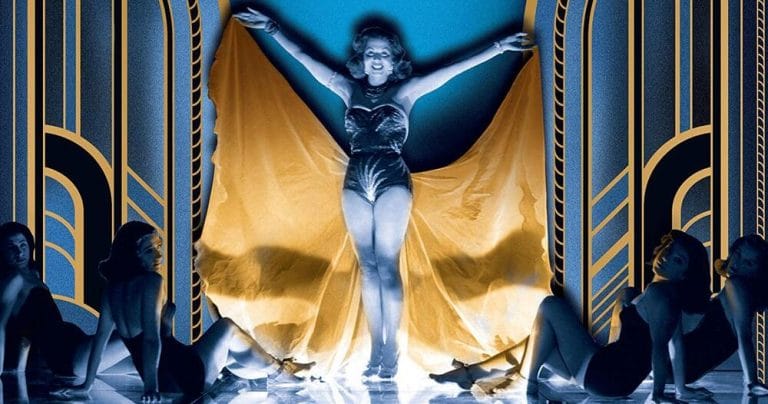
Many years ago a Parisian dance act from Pigalle received an invitation to play at a nightclub on Cairo’s Pyramid Road. Like “costumes” at the Crazy Horse today, the dancers’ body stockings left nothing to the imagination. The audience of worldly Cairiotes, the tarbouche-wearing musicians with their lutes and durabukas, the indefatigable army of busboys,…
The area where the country of Yemen is now found was long known to geographers by the Latin Arabic Felix; felix meant “fertile” but also “happy” or “lucky”. Yemen is much in the news today and little of it is either happy or lucky. When Peter Schlesinger visited the Yemen Arab Republic (the northern half…

The Hijaz, that part of the Arabian Peninsula which contains the holy cities of Mecca and Medina, was long subject to imperialism, but not of Western variety: it was instead subject to the Ottomans. Although nominally under Ottoman suzerainty for centuries, it was ironically 19th-century British imperialism that forced Istanbul to attempt to consolidate its…
Visitors around the world have traveled to Europe to see the tall spires and stained glass windows of the continent’s Gothic cathedrals: in Cologne, Chartres, Milan, Florence, York and Paris. The trappings of Gothic architecture have become shorthand for “medieval Europe”. Yet in Stealing from the Saracens: How Islamic Architecture Shaped Europe, Diana Darke investigates…
This year’s 75th anniversary of the end of WW2 and, in particular, the end of the War in the Pacific, has coincided with a number of books, some broad, some focusing on individuals. But few perhaps look at what is—at first glance—as unlikely a corner as Kelly A Hammond’s China’s Muslims & Japan’s Empire.