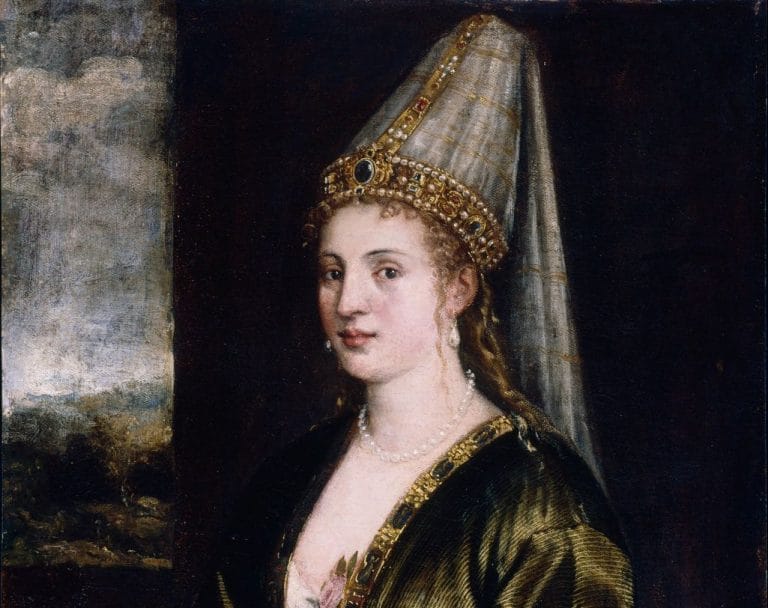
The geometric patterning in Islamic tiles, carpets and textiles bespeak the Chief Architect, and how He brings forth the beauty of the physical world through eternal shapes. Implicit in these designs are dualities, heaven and earth, light and shadow, and of course male and female. The curating tradition of museums focuses on the male element in Islamic art. From the great monarchs like Iran’s Shah Abbas, Turkey’s Suleyman the Magnificent and India’s Shah Jahan, museums display their silk ceremonial gowns, jade-handled swords and brocaded riding boots. Objects made by or for women rarely figure in the exhibit cases.
Turkey
The scene is Turkey in the mid-to-late 70s. A young male college student hops onto a bus. He sits next to a cute female student from his class, but before they can strike up a conversation, they see a right-wing passenger, walk up to another passenger and hit him on the head with a hammer. The young woman screams. The two students get off the bus, only for the female student to call the male student a “disgusting fascist” and leave in anger.
Academic texts don’t usually manifest themselves as graphic novels.
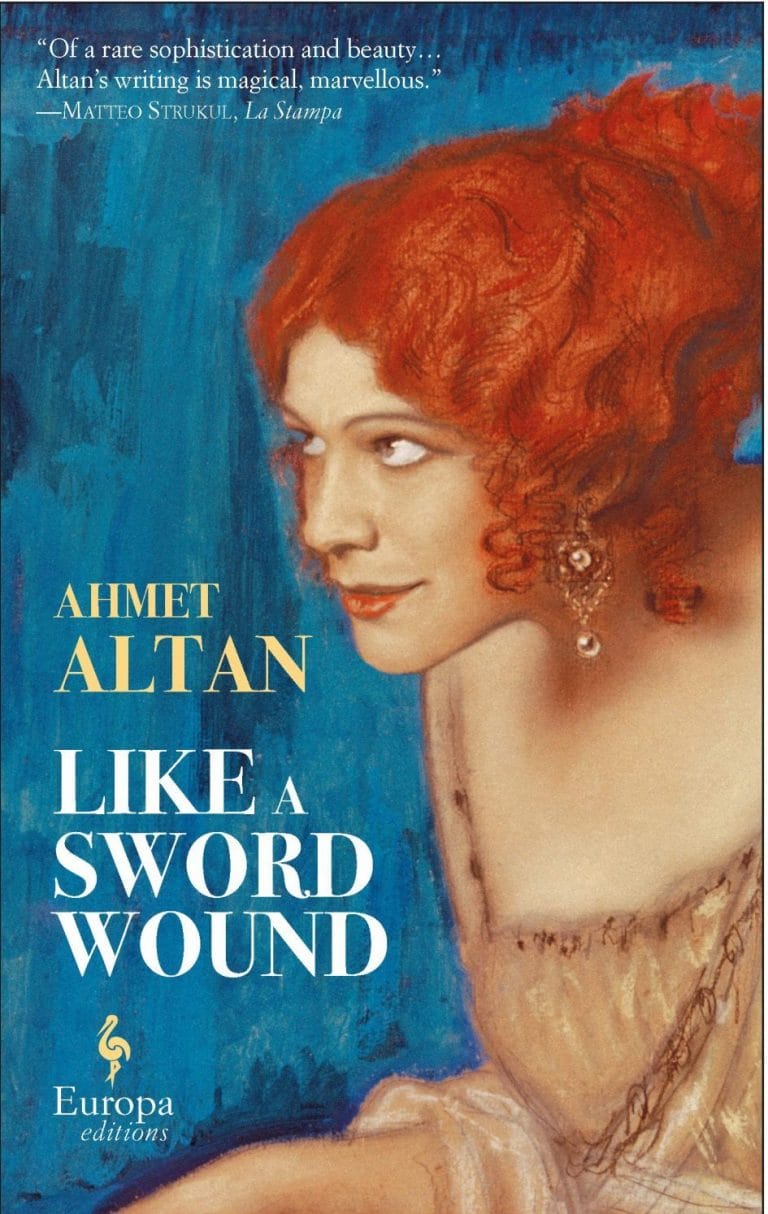
Ahmet Altan is something of a master of the evocative opening line, brief this time: “Some nights he woke to the footsteps of the ants crawling across the Persian carpet.” Although Love in the Days of Rebellion, the second installment in Ahmet Altan’s “Ottoman Quartet”, is a sequel to Like a Sword Wound, it can also be read alone.
The Hijaz, that part of the Arabian Peninsula which contains the holy cities of Mecca and Medina, was long subject to imperialism, but not of Western variety: it was instead subject to the Ottomans. Although nominally under Ottoman suzerainty for centuries, it was ironically 19th-century British imperialism that forced Istanbul to attempt to consolidate its control over the region.
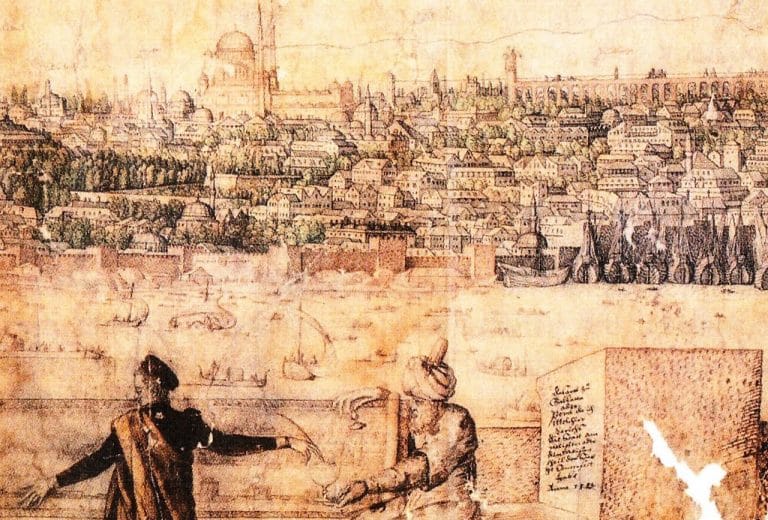
In 1480, the Ottoman Sultan Mehmed II, who had conquered Constantinople fewer than three decades earlier, sat for a portrait by the Venetian painter Gentile Bellini. Bellini had been sent to Istanbul to fulfill a request for a “un bon depentor que sapia retrazer”—“a good painter who knows how to paint portraits”. The Sultan apparently wanted his portrait done.
Two men stand in front of a vegetable and fruit stall, completely absorbed by their own private conversation. Behind them, two other, younger men intimately shake hands on leaving the “Cafés Salonu” while a boy next to them is trying to wipe the water and trash from the sidewalk. The whole setting appears cinematic, the characters shimmering in the moody atmosphere engendered by the beam of the street light.
10 Minutes 38 Seconds in this Strange World boldly starts with a chapter entitled “The End” which opens with the death of the main protagonist. “Her name was Leila,” the novel begins, past tense, and already Leila, or Tequila Leila as she is known to her friends and clients, breathes no more, cliffhangers be damned.
To read Türkiye Diary (The Bridge) is to lounge on wicker deck furniture, with comfortable pillows, ensconced on a terrace overlooking the Sea of Marmara in the warm summer night, drinking raki, eating mezze—those fatal Levantine hors d’oeuvres—and listening as a raconteur cagily lets slip indiscretions, eased by raki, night sea air, and a life spent doing things the raconteur is now not sure he should have done.
Alan Mikhail’s much-publicized and lavishly-illustrated new book on Selim I, which he calls “a revisionist account, providing a new and more holistic picture of the last five centuries,” would seem, at first, to be a very welcome addition to a rather sparse list of books, especially biographies, on Ottoman sultans.
You must be logged in to post a comment.