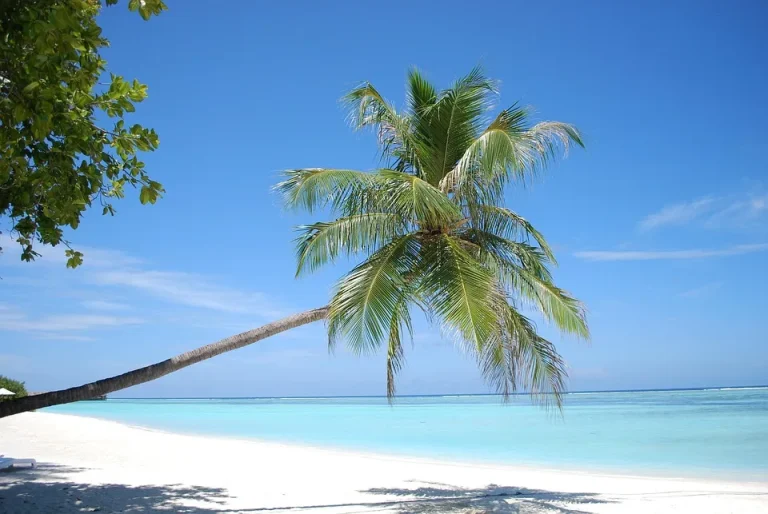
Chinese travelers first made their way to the Maldives in the Indian Ocean in the 14th century, looking for goods like coconuts, cowries, and ambergris. That started centuries of travel to the islands, including one trip by famed sailor Zheng He. Then, quickly, the Maldives—and the broader Indian Ocean—vanished as Ming China turned inward.

Four decades of Japanese colonialism in Korea ended abruptly in August 1945. It took three weeks for US troops to arrive, which started almost three years of US military occupation. By the end of the occupation, Korea was permanently divided into North and South, with Seoul set on an authoritarian path that would persist for decades.

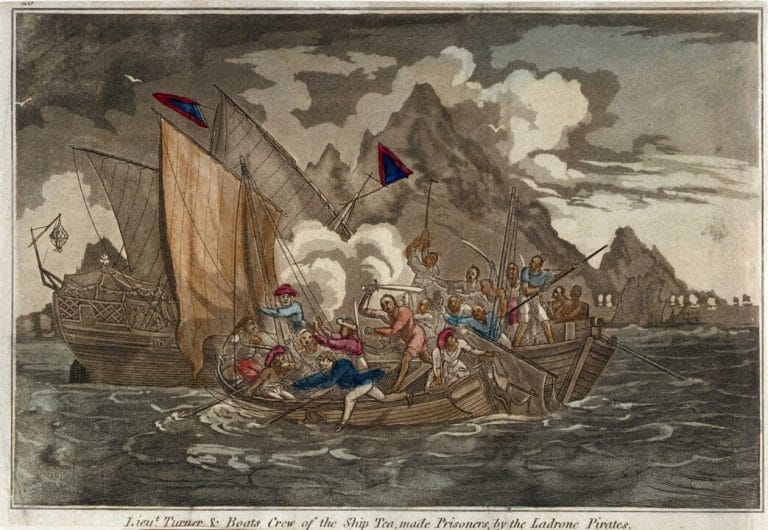
Did you know Hong Kong used to be a hub for pirates? That factoid has long been part of the popular history for Hong Kong—and for Southern China broadly. For centuries, Chinese pirates raided merchants and coastal communities up and down the Chinese coast, taking advantage of weak imperial rule and safe havens like what’s now present-day Vietnam.

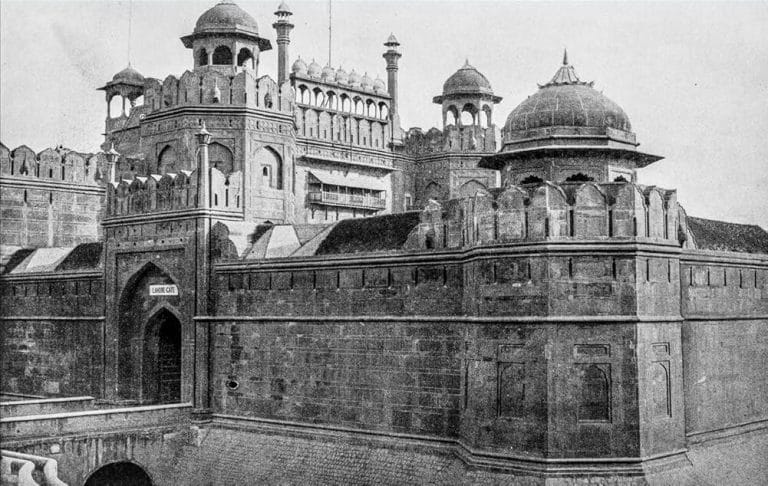
In 1945 to 1946, postwar India was enthralled by the treason trial of three officers—formerly of the Indian National Army, who fought against the British in the Second World War. The trial sparked outrage across the country, among ordinary people, members of the pro-independence movement and, worryingly for the British Raj, members of the Indian army. The end-result? Claude Auchinleck, commander-in-chief of the Indian army, commuted the INA officers’ sentences. Just over a year later, India and Pakistan were independent countries.

Geographic labels are sometimes misnomers. The Dead Sea’s name is not, for the most part. Its high salinity levels kill most forms of life, barring a couple hardy microbes and algae—and even these are threatened by environmental change. Except the Dead Sea has been part of human history for millennia. Jericho, the world’s oldest city, sits nearby. It features prominently in the Bible. Greeks, Romans, Jews, Arabs, Europeans all interact with the Dead Sea. And it’s now a tourist hotspot, a source for resources extraction–and a political hotspot, shared between Jordan, Israel, and the contested area of the West Bank.

What is Hinduism? For centuries, that question was particularly thorny, both for local Indians and for colonial outsiders. People inside and outside the country tried to define what Hinduism was. Missionaries grappled with Hindu practices, finding both similarities and dangerous differences with their own Christian faith. The East India Company adopted several Hindu rituals to keep the peace, much to the chagrin of officials back in London.

Kishore Mahbubani, longtime Singaporean diplomat and academic, opens his new memoir with a provocative line: “Blame it on the damn British.” Kishore, who later served as Singapore’s ambassador to the UN and founding dean of the Lee Kuan Yew School of Public Policy, was born to poor migrants in Singapore, studied philosophy on a government scholarship—and from there, somehow got roped into the foreign service.

Pakistan’s history since independence is… complicated. Partition wrecked the economy, leaving all the economic infrastructure in India. Democracy was weak, as the military launched multiple coups to overthrow the civilian government. The country was split into an unsustainable two halves—with one declaring independence as Bangladesh by the 70s.

The 1920s and 1930s were a period of cosmopolitan globalization—and no one, perhaps, exemplified it more than Victor Sassoon, business tycoon, trader and industrialist. He’s the subject of Rosemary Wakeman’s latest book The Worlds of Victor Sassoon: Bombay, London, Shanghai, 1918–1941 which traces Victor’s journey through these three cities—and explores how the world economy changes as he travels. After all, it’s a period where the world trading system is beginning to unravel, as British dominance in manufacturing is starting to be challenged by cheaper rivals in Germany and Japan, with arguments for economic policies that seem very familiar to us today.