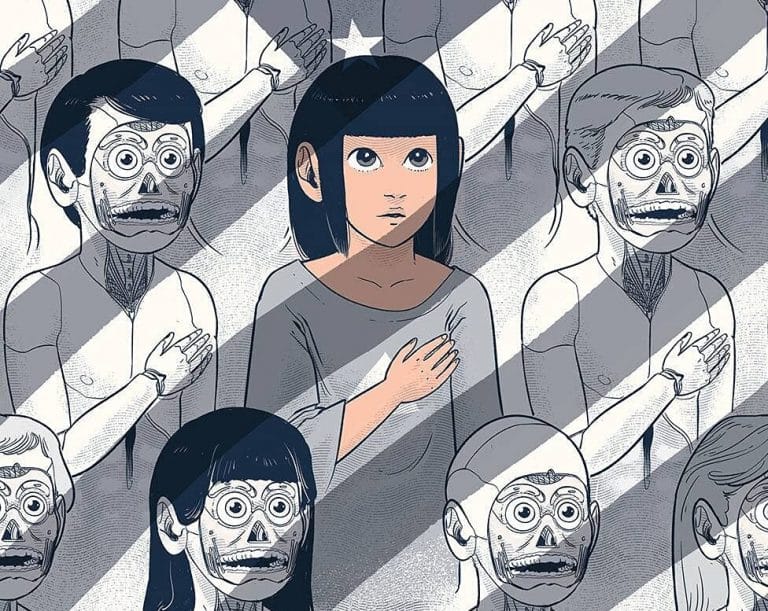
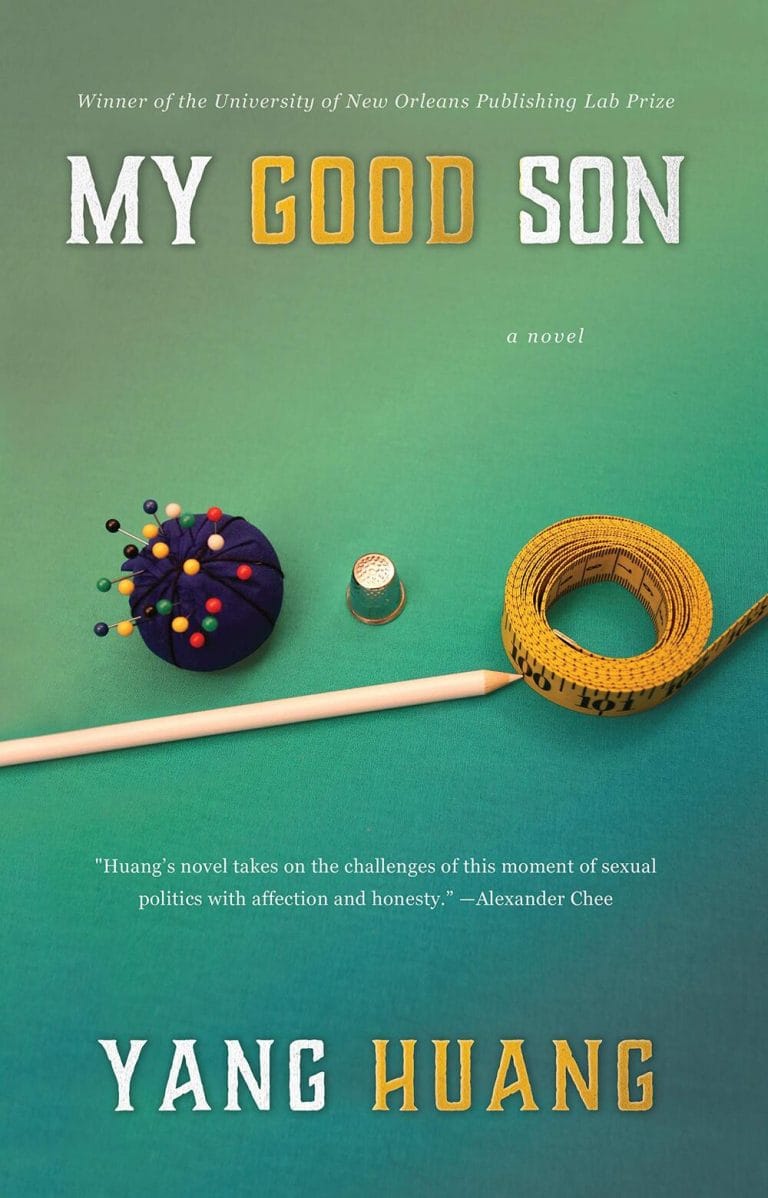
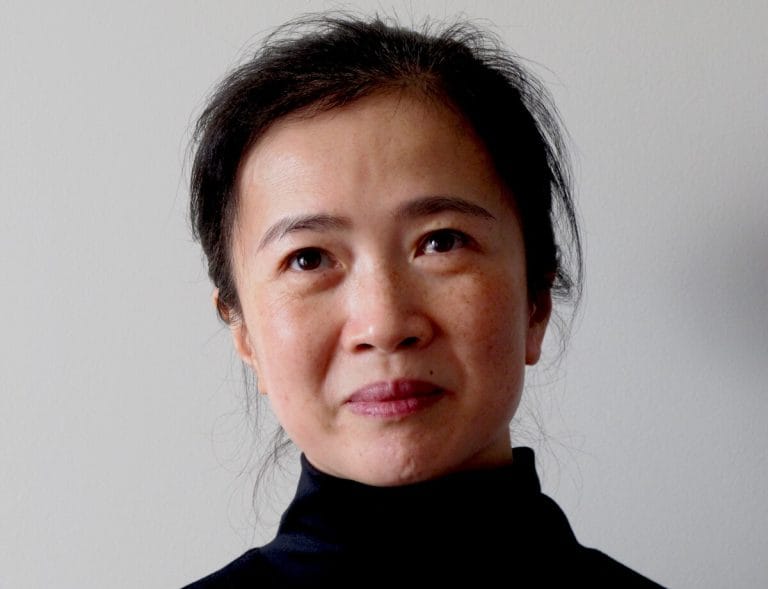
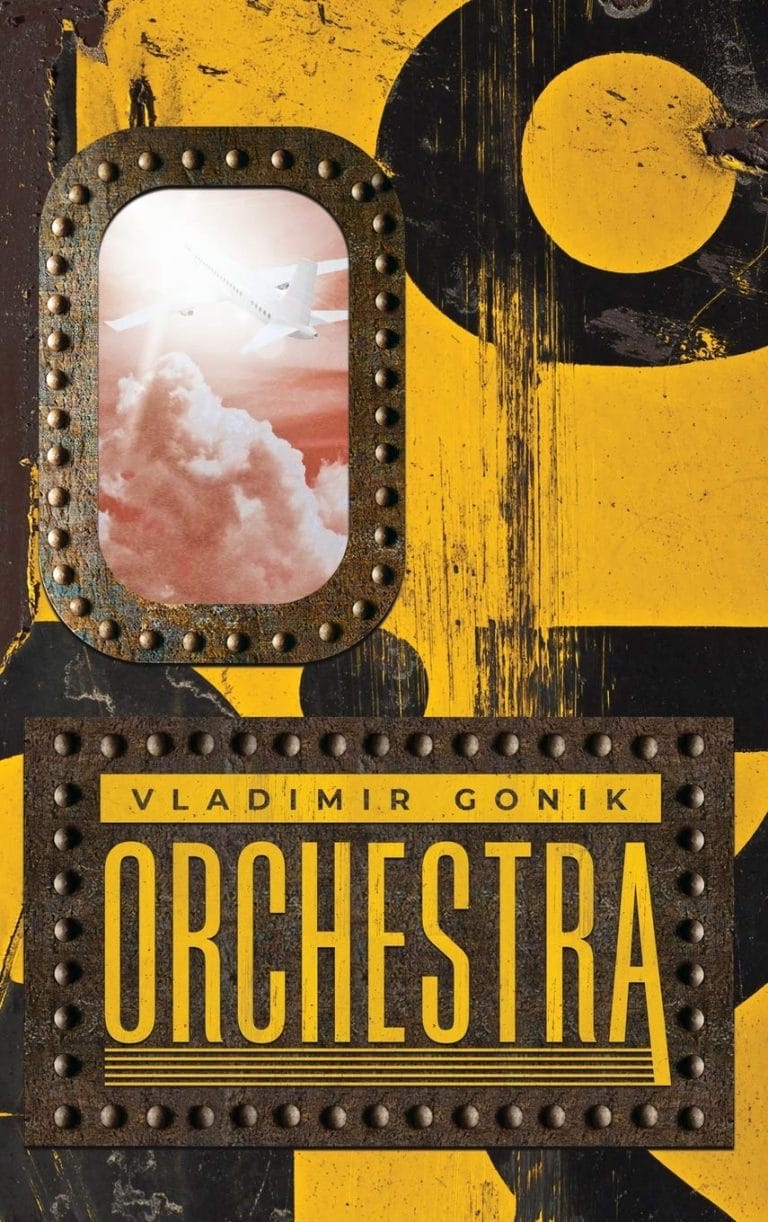
“You are eating an orange. You are naked.” by Sheung-King
The title—You are eating an orange. You are naked—gives away that this is not an ordinary novel.
To some extent, all one needs to know about The Java Enigma is that it has been called, more than once, “Da Vinci Code”-like. This will either intrigue or repel, depending on how one feels about Dan Brown’s genre-creating blockbuster. Neither reaction would however be entirely warranted, for—while there are certainly similarities—Erni Salleh’s debut novel…

The Ming Dynasty ended in a slow-motion train wreck that inspired poetry, opera and wistful memoirs. It also provided a platform for remarkable women entertainers, the mingzi, to shine and even outshine their male contemporaries, politicians, literati and courtiers. Later observers admired the “manly” virtues of three heroines, Chen Yuanyuan, Liu Rushi and Fragrant Princess…
Hilary Byrd is a depressed and disgruntled English librarian from Petts Wood in southeast London. Frustrated with the changes in his library over the past twenty years—digitalization and moms’ groups that take the focus away from print books and exacerbate his depression—he plans a trip overseas to clear his mind and to show himself and…
Ahmet Altan is something of a master of the evocative opening line, brief this time: “Some nights he woke to the footsteps of the ants crawling across the Persian carpet.” Although Love in the Days of Rebellion, the second installment in Ahmet Altan’s “Ottoman Quartet”, is a sequel to Like a Sword Wound, it can…

Shigeru Mizuki’s Tono Monogatari has a complicated lineage. During Japan’s rapid modernization in the early 20th century, a man named Kunio Yanagita set out to preserve Japan’s cultural heritage of magic and the supernatural. Along the way, he met a young writer, Kizen Sasaki. Together they traveled Japan’s Tono region, today about five hours northeast…
William Gross (or Grose) was a 19th-century African-American pioneer and hotelier in Seattle that caught the attention of author Amy Sommers. She bases her novel Rumors from Shanghai on a fictional grandson, Tolt Gross, a young lawyer who moves to Shanghai and soon after learns of Japan’s plans to bomb Pearl Harbor.

Murder mysteries make natural period pieces, because passion, crime, investigation and come-uppance speak to material culture and social manners. Miss Marple evokes mid-20th century Britain, Inspector Montalbano—contemporary Sicily. Raza Mir’s Murder in the Mushaira brings to life mid-19th-century Shahjahan-abad (as Delhi was then known), its Ramazan celebrations, noble palaces, shrines, shops and slums. He lets…

Mizumura Minae’s An I-Novel begins with a caveat: the author herself once suggested that translating the novel, originally published in Japan in 1995, into English was singularly impossible.
Crystal Z Lee’s debut novel, Love and Other Moods, begins—as one does—with a lavish wedding à la Crazy Rich Asians. Chinese-American Joss Kong is marrying ultra-wealthy Tay Kai Tang at a swanky Shanghai hotel with an audience of friends and family that speak a variety of Chinese dialects and English with a variety of accents….
A novel set in capitalist Hong Kong in the 1960s and steeped in alcohol, prostitution and stream-of-consciousness narration might not suggest a controlled work of fiction. Yet Liu Yichang’s classic The Drunkard, in Charlotte Chun-lam Yiu’s new translation, is measured, uninhibited and very good.
Power corrupts is the message from author Megha Majumdar in her blistering debut novel of prejudice and injustice set in contemporary Kolkata.
After a yoga retreat from hell somewhere between Shenzhen and Dongguan, twenty-year-old Tiller Bardmon meets single mother Val and her eight-year old son, Victor Jr at the Hong Kong International Airport’s food court. Val and her son are returning to the United States after visiting her family in Kowloon, yet when she tries to pay…
Once home to the cultured, artistic world of courtesans, Heera Mandi is now a crumbling red-light district in Lahore. Raina is a young tour guide committed to fighting the injustice and violence now endemic there. But she’s part of the world she’s fighting: her mother Jahaan-e-Rumi works there; her father, Sherji, manages her mother’s career…
A desire to love, befriend, and uncover characterize Purple Perilla, a short collection of three stories from acclaimed Chinese author Can Xue. The book offers a poetic reckoning for our present moment, while the COVID-19 crisis continues to shape our lives.