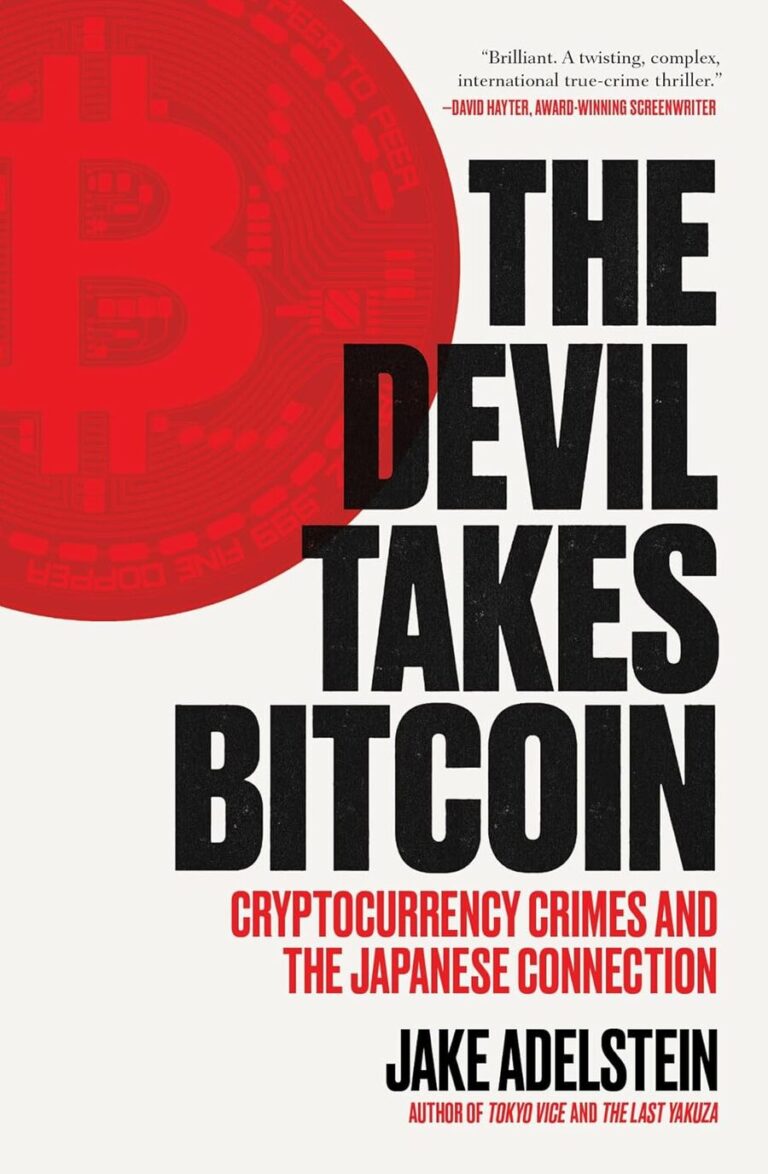
When Bitcoin first became a buzzword among early adopters around 2011, it was spoken of by devotees as a revolutionary force, promising to upend finance much like Jimi Hendrix redefined rock music with his electric guitar riffs. But for ‘normies’ or everyday people, the idea was baffling. How could something intangible, not backed by governments or banks, hold real value? In The Devil Takes Bitcoin: Cryptocurrency Crimes and the Japanese Connection, Jake Adelstein unpacks this world with a gripping narrative that blends true crime, investigative journalism, and cultural insight.

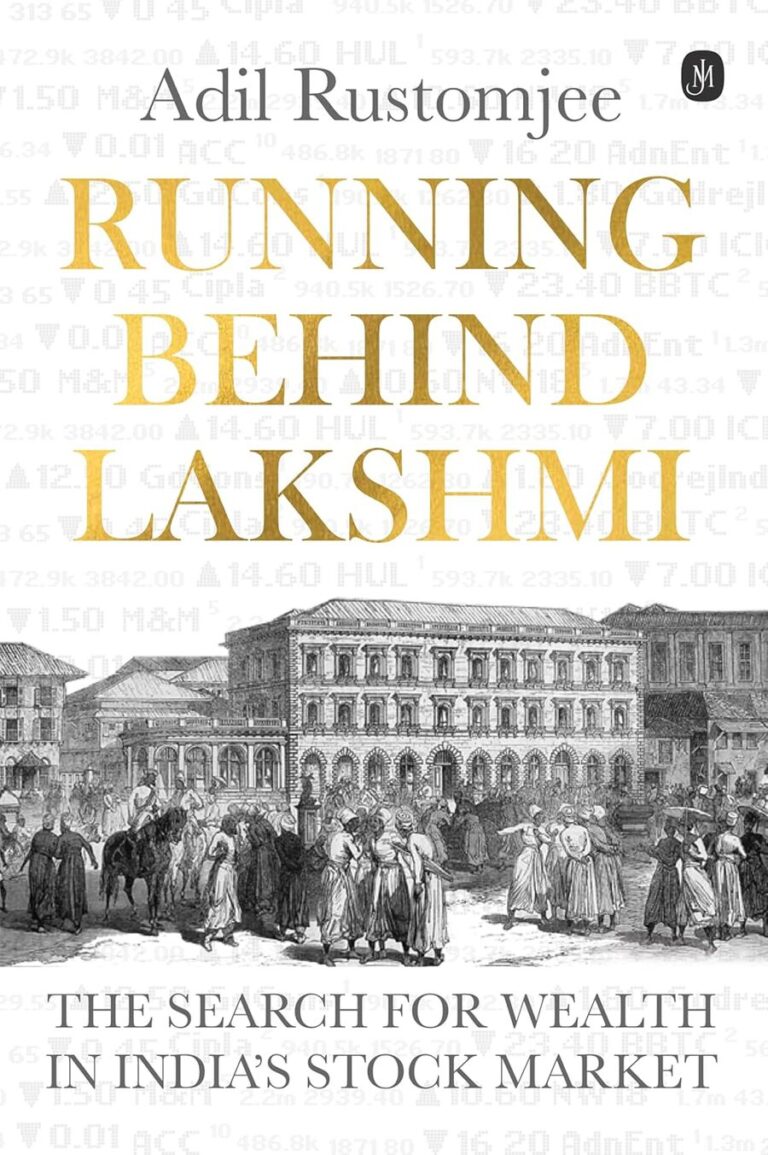
A recent report comparing stock market returns from 1995 to 2025 across 14 major countries found that India boasted the highest annualized returns … while also displaying the greatest volatility. Anyone hoping to profit from that tremendous but erratic growth would do well to peruse Running Behind Lakshmi. Adil Rustomjee’s indulgent editors allowed him to publish a book that is equal parts history, textbook, and personal musing. Like India itself, the work is enormous, variegated, occasionally exasperating and utterly unique.

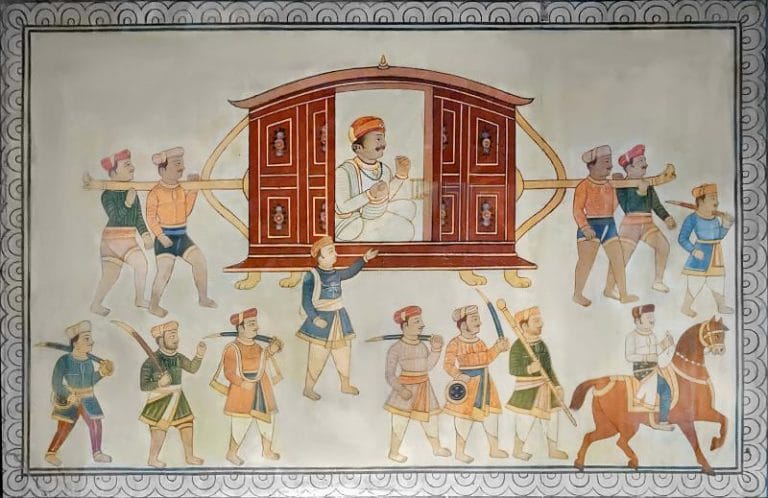
Running and securing an empire can get expensive–especially one known for its opulence, like the Mughal Empire, which conquered much of northern India before rapidly declining in the 18th century. But how did the Mughals get their money? Often, it was through wealthy merchants, like the Jhaveri family, who willingly—and then not-so-willingly–funded the empire’s activities.

Although subtitled “Family Fortunes” and presented as being the story of the Jhaveri business family in Gujarat, Sudev Sheth’s recent history Bankrolling Empire is as much, if not more, about the wider arc of the decline of the Mughal Empire. Whether one is interested in the specific role of finance in the Mughal Empire or the jigsaw puzzle that is Mughal history, one is likely to come away from this well-written and colorful book quite the wiser.