2021: The Year in Translation from Chinese
A round-up of reviews of works in translation from Chinese, including fiction, story collections, poetry, biographies, classics and philosophy.
A round-up of reviews of works in translation from Chinese, including fiction, story collections, poetry, biographies, classics and philosophy.
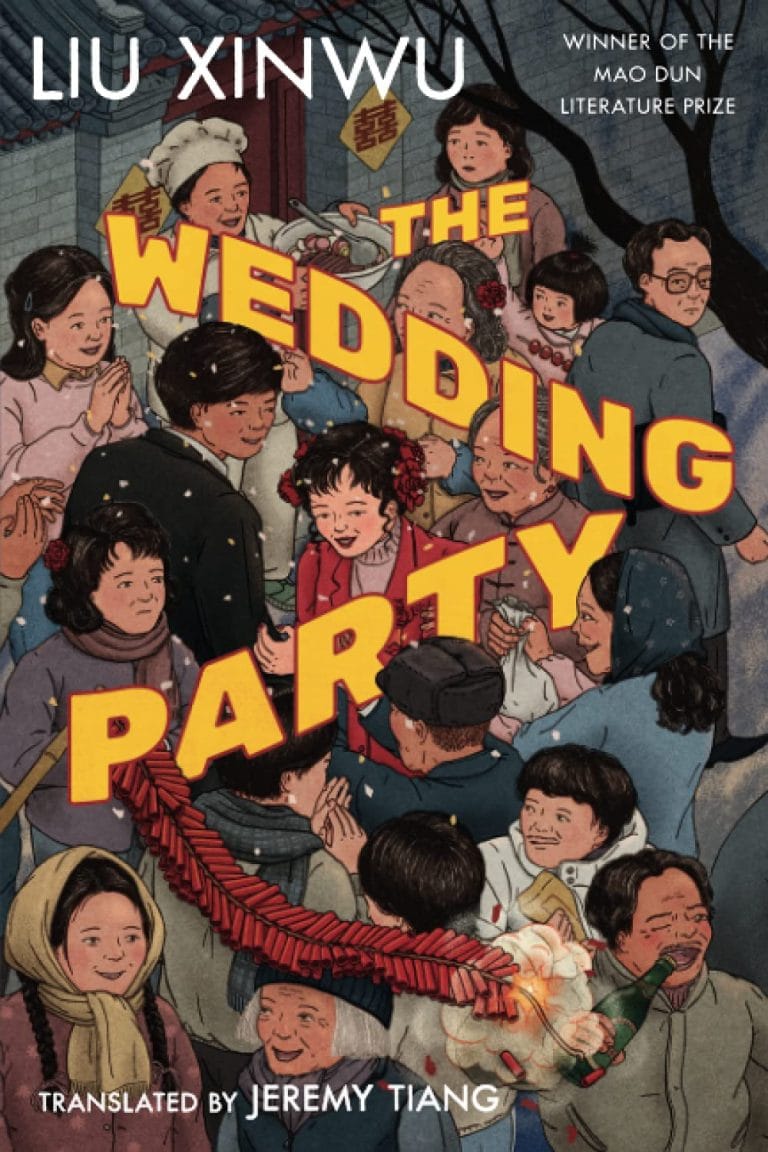
It is somewhat inexplicable that it has taken more than 35 years for Liu Xinwu’s The Wedding Party to show up in English. The book was serialized in 1984 and published the next year, winning the Mao Dun Prize and adapted into an 8-episode series for television. Popularity can be the result of hitting a…
A round-up of reviews of works in translation from Japanese, including fiction and non-fiction, novels, story collections and children’s books.
Shang Qin (1930–2010) is widely considered one of the most influential and original modern Chinese poets. His critical acclaim was earned not only as a modern master of the prose poem but also as one of Taiwan’s leading surrealist poets. This book is the largest selection of his poetry available in English.
At the beginning of More Than One Child, Shen Yang writes, “I broke a law simply by being born.” She was her parents’ second daughter, and she is referring to the family planning laws which until recently saw China’s One-Child Policy strictly enforced. Her childhood was thus essentially intertwined with politics, but her memoir of…
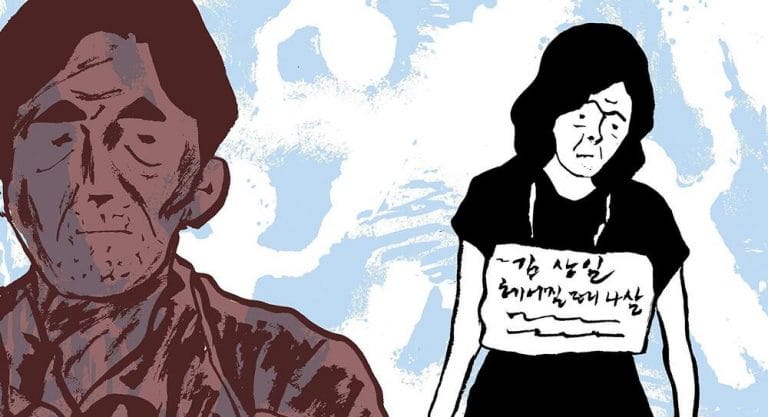
Keum Suk Gendry-Kim’s mother became separated from her sister back in 1950 and has not seen her since. Her mother is one of more than 130,000 people who have applied through the Red Cross to locate a missing sibling, child, or spouse left behind in North Korea. Stories of these separations are the subjects of…
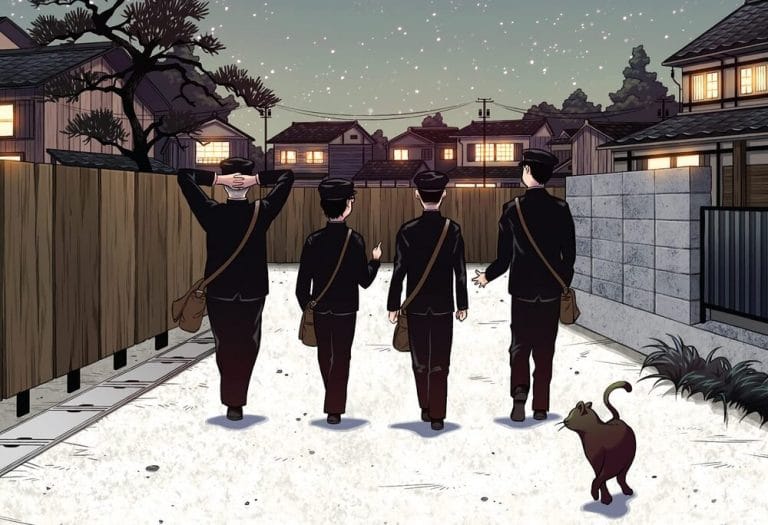
How Do You Live?, written by Genzaburo Yoshino, is a Japanese classic first published in 1937. On its face, it is a coming-of-age story about fifteen-year-old Copper, a talented Tokyo schoolboy under the looming shadow of World War Two. Together with a close-knit group of friends, he faces the timeless challenges of growing up.

Fiona Sze-Lorrain, a distinguished poet herself, is also a busy and prolific translator of Chinese poetry, which is very fortunate both for the poets themselves, who get exposure to a readership outside China, and for readers, whose literary horizons are expanded thanks to her sensitive and careful work. Here are two volumes of poetry written…
“I’m going to tell you the truth,” begins the narrator on the first page of Kim Thúy’s latest, Em, “but only partially, incompletely, more or less.” To put an even finer emphasis on the point, she tells us a couple pages later, that “truth “is fragmented”—as indeed it must be when dealing with a topic…
Aleksandr Solzhenitsyn, the courageous Soviet dissident and Nobel Prize-winning author of the Gulag Archipelago who died in 2008, considered The Red Wheel his most important work. Its ten volumes cover Russia from pre-World War I days to the fall of the Romanov dynasty and the early months of the 1917 Russian Revolution. The Red Wheel…
Mo Yan’s fiction has captivated a global audience for years, and his speeches are just as riveting. They provide rare insights into the complex thought processes of one of the most influential writers in the world. Mo Yan’s passion for this work comes across clearly in his lectures and speeches, reinforcing the strong emotions his…
The word ganbaru is ubiquitous in Japanese culture. Roughly translated, it means “persistence”, “tenacity” or “hard work”. When junior high students cram for high school entrance exams, their parents remind them, “Ganbatte!” When a 1995 earthquake killed 6,500 people and irreparably damaged more than 400,000 buildings in Kobe, the government urged people on: “Ganbaro!”

From her bed, a young girl gazes up at a mobile of seven spinning horses.
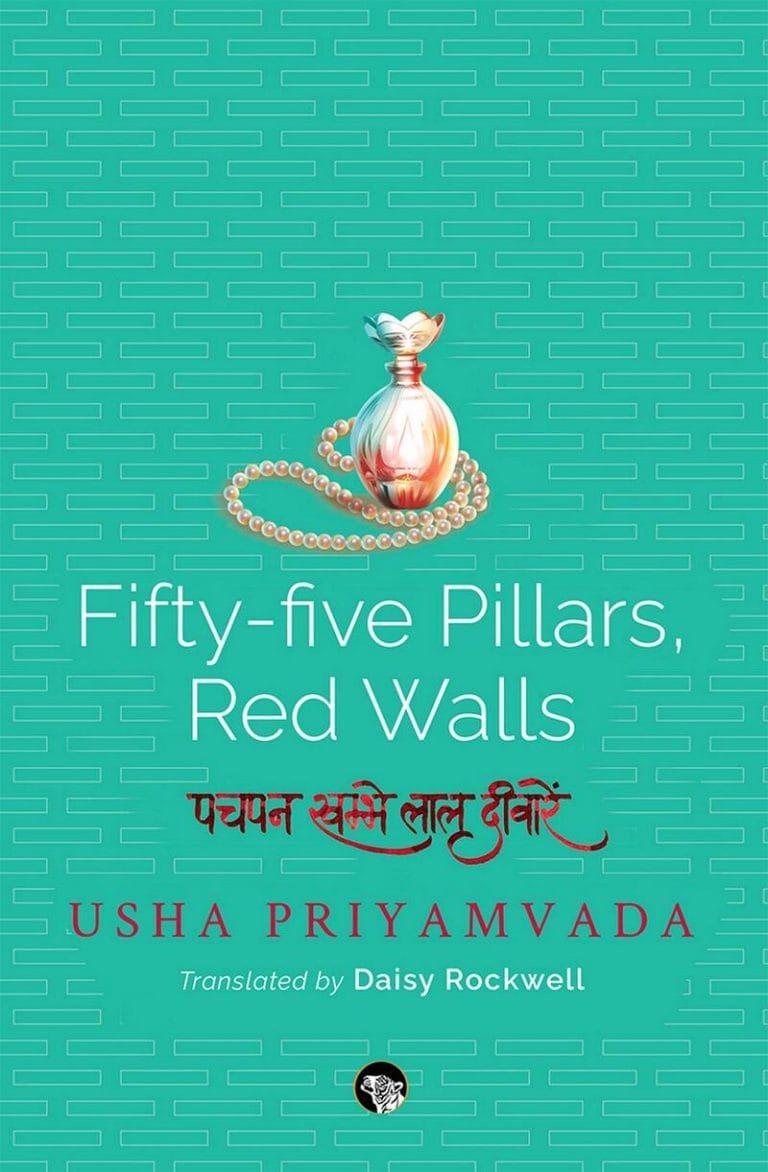
Fifty-Five Pillars, Red Walls, Usha Priyamvada’s debut novel, translated from Hindi by Daisy Rockwell, is a seminal work of feminist literature, and a cult classic among middle-class Hindi readers. Released in 1961, the book is one of the most well-known literary pieces set in Delhi, and one of the first translations to come from Indian…
Strange Bedfellows, a novel by Liu Zhenyun, China’s most renowned writer of satire, and translated by Howard Goldblatt and Sylvia Lin, is a farcical tale of sibling devotion, sexual exploitation, and official corruption, all played out more or less in bed. Though a critique of new mercenary values, scam artists, and the common folks’ vulnerability…