“The Foley Artist”, stories by Ricco Villanueva Siasoco
Ricco Villanueva Siasoco knows a good lede when he writes one: “Viva wants her boobs back”. So starts the first story in this debut collection.
Ricco Villanueva Siasoco knows a good lede when he writes one: “Viva wants her boobs back”. So starts the first story in this debut collection.

In a welcome development for new voices and regional literature, Penguin Southeast Asia began publishing in Singapore in May. Among its first titles are two collections of short stories, The Heartsick Diaspora by Elaine Chiew, and Cursed and Other Stories by Noelle Q De Jesus.
Trans-culturalism is personified in the life and career of Lafcadio Hearn (1850-1904).
There is a Kashmir that tourists know about: the one with houseboats, carpets, the one called the Paradise on Earth. There is another Kashmir the world knows through the newspapers, that of militants, a place embroiled in the Indo-Pak border conflict. Madhuri Vijay’s debut novel is a “fictional” attempt to know Kashmir from both extremes—the…
Hiroko Oyamada’s debut novel in English was drawn, it is said, from her experiences working as a temp in the subsidiary of an automaker. If The Factory is any indication, she didn’t take to it.
Globalization usually means manufacturing. But globalization reaches into other realms, even waste disposal as Adam Minter wrote in his debut book, Junkyard Planet. In his new book, Secondhand, he investigates what happens to material goods we donate after we’re done using them and travels throughout North America, Asia, and Africa to explore how different countries…
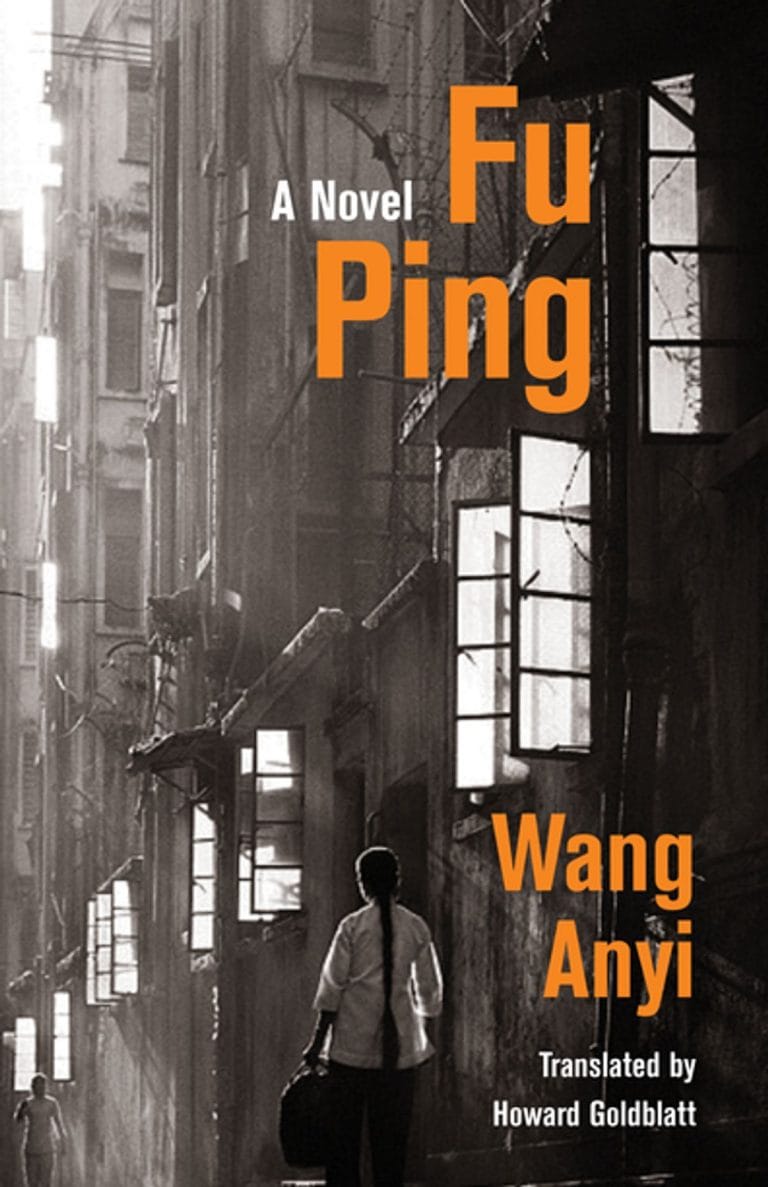
With the exception of Eileen Chang to whom she is often compared, few writers have become as synonymous with Shanghai as Wang Anyi. Although born in Nanjing, Wang was brought to Shanghai at the age of one by her mother, noted writer and Shanghai native Ru Zhijuan, and her quest to know the city over…
Racial and gender divides in contemporary Britain are cross-examined in this intelligent courtroom thriller by Kia Abdullah. The case under consideration concerns Jodie Wolfe, a 16-year old girl who is facially disfigured by neurofibromatosis. She claims she has been raped by a group of four classmates. The fact that she is white, and the accused…
When İpek Çalişlar discovered that Latife Hanım had demanded that her husband, Mustafa Kemal Atatürk, change the law to enable her to stand for parliament, the respected journalist knew she had found the subject of her next project. The result is Madam Atatürk, a biography of Latife Hanım and the role she played in modernizing…
In his introduction to this new biography of Yuan Shikai, Patrick Fuliang Shan makes reference to the long-held view of Yuan as a stereotypical historical villain—or, in Chinese, fanmian lishi renwu. The Chinese phrase is perhaps the more apposite, as one literal translation would be “a person on the wrong side of history”. Whatever one’s…
In the introduction to her new book, Big Sister, Little Sister, Red Sister: Three Women at the Heart of Twentieth-Century China, Jung Chang writes that she originally set out to research a book on Sun Yat-sen to see if he really warranted the status of “Father of Modern China”. But the stories of Sun’s wife…
In 1415, the English forces under Henry V inflicted a terrible defeat on the French army. After the battle, under a heap of dead soldiers, they found and captured a young man who turned out to be Charles, duc d’Orléans (1394-1465). He was taken to England and placed in honorable captivity, but Henry V ordered…
A new book by William Dalrymple is always something of an event. The Anarchy doesn’t disappoint: readable, informative, full of color. Dalrymple lets the protagonists speak for themselves as much as possible, protagonists which thankfully, but not surprisingly given the author, include Indians as much as Europeans.
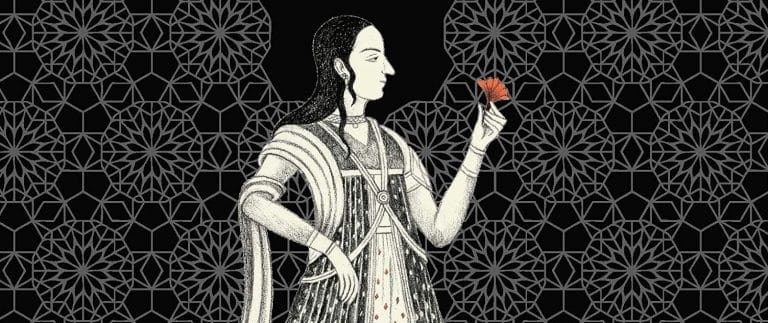
Manu S Pillai, the acclaimed author of a monumental historical study, The Ivory Throne: Chronicles of the House of Travancore (2015), presents himself here in a somewhat lighter vein, with a series of essays on interesting personalities, known and unknown, from Indian history both before and during British rule.
Frank Dikötter, author of the acclaimed People’s Trilogy, focuses his latest book on the special role personality cults have played in eight eerily effective 20th-century dictatorships. The wryly titled How to Be a Dictator reminds readers of the depressingly similar tactics tyrants have used throughout history to destroy rivals and win acquiescence, if not exactly…