“The First Great Powers: Babylon and Assyria” by Arthur Cotterell
Literary allusions to Babylon and Assyria are often not very complimentary, and they are most certainly based on common misconceptions.
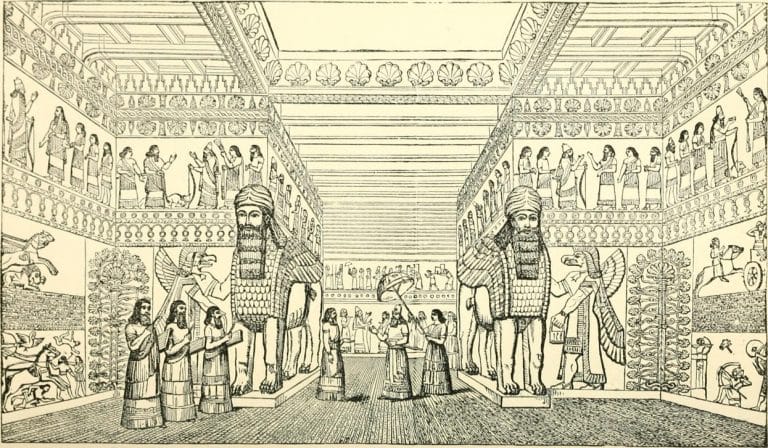
Literary allusions to Babylon and Assyria are often not very complimentary, and they are most certainly based on common misconceptions.
When Abigail Hing Wen was a teenager, she spent a summer in Taiwan to get in touch with her Chinese roots. The program, funded by the Republic of China, has been dubbed the “love boat”, but has nothing to do with ships or the sea.
Former journalist Deepa Anappara exposes the plight of India’s “missing” children in a story of abduction told from the viewpoint of a nine-year old boy, Jai.
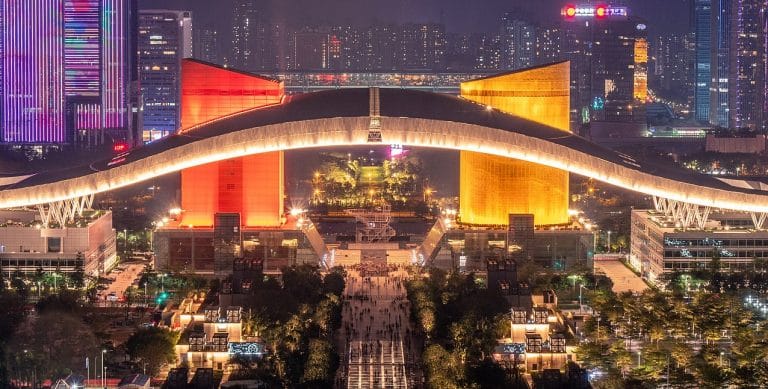
Is Shenzhen now China’s most important city? In August of 2019, the country’s State Council released a statement announcing that Shenzhen was to be developed into a “pilot demonstration area of socialism with Chinese characteristics”, with the aim of it becoming a “global benchmark city”.
The 1980 death of Hong Kong police officer John MacLennan shook the territory and made international news, eventually driving the Hong Kong courts to decriminalize homosexuality in 1991.
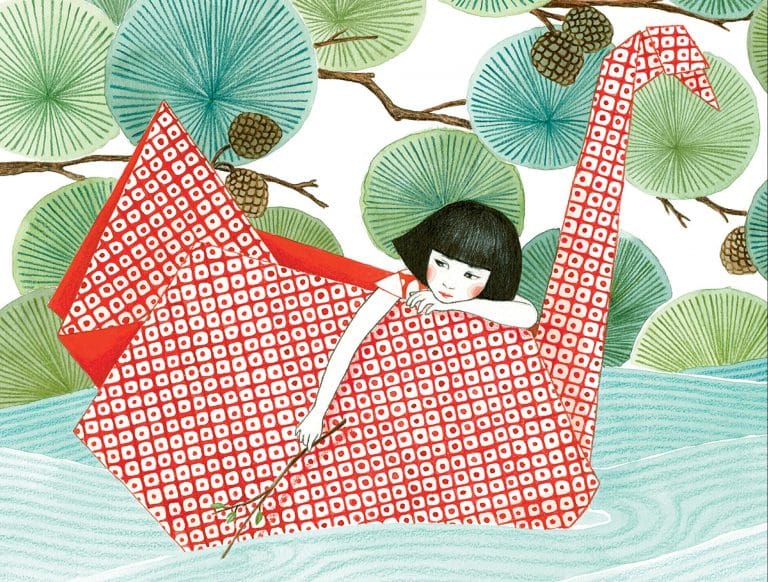
It’s the first day of Spring and Miyuki, already running through the garden, can’t wait.
At first hearing, Stories of the Sahara sounds improbable: about a half-century ago, a young Chinese woman from Taiwan decamps to El Aaiún in the then Spanish Sahara.
Myanmar or Burma? Thant Myint-U begins this timely and important book unraveling the basic question of what to call this country.
Eun Ji Koh was a typical Californian teenager before her immigrant parents surprised Koh and her brother with some startling news. Her father had been offered a far more lucrative job back in Seoul than he could ever expect to be offered in the US. It isn’t uncommon for immigrants to return to their countries…
Whither China? It is perhaps the most important question on the minds of statesmen, diplomats, and scholars. French political scientist Jean-Pierre Cabestan, who teaches at Hong Kong Baptist University, attempts to supply the answer in his new book China Tomorrow: Democracy or Dictatorship?
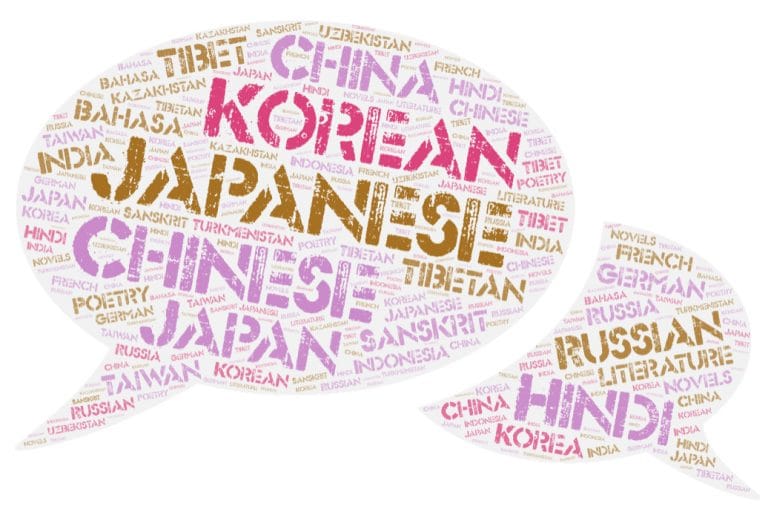
Reviews of Asian fiction, poetry and non-fiction in translation from 2019, from Japanese, Chinese, Sanskrit, Tibetan, Korean, Bahasa Indonesia, Hindi, Farsi, Russian, French and German.
Very few people (other than Anthony Janson in his monumental History of Art, published in 1968) would attempt to write a history of an entire country’s art, and even fewer could do it in one volume and cover a period from 15,000 BCE right up to the present day. Professor Tsuji does this for Japanese…
“On a sultry August day I set out to walk a straight line across Beijing.” So begins Jonathan Chatwin’s Long Peace Street: A Walk in Modern China. The street, called Chang’an Jie in Chinese, “runs arrow-straight and ten lanes wide in some places,” bisecting the heart of Beijing.

Toward the end of his life, Algernon Blackwood famously reminisced that “I used to tell strange, wild, improbable tales…” The tale of the friendship between Lu Xun and Uchiyama Kanzō would have met Blackwood’s standard—a look at Shanghai during those times, now nearly 100 years ago, suggests why.
As China and the West look at decoupling, it’s worth remembering that the world has been through this several times since they first coupled three-quarters of the way through the 16th century. That’s when the Manila Galleon connected Asia and the Americas, a trade that was, to mix metaphors, oiled by silver.