“Touring the Land of the Dead” by Maki Kashimada
In Touring the Land of the Dead, author Maki Kashimada writes about one woman’s trauma with razor-perfect concision and an austere beauty.
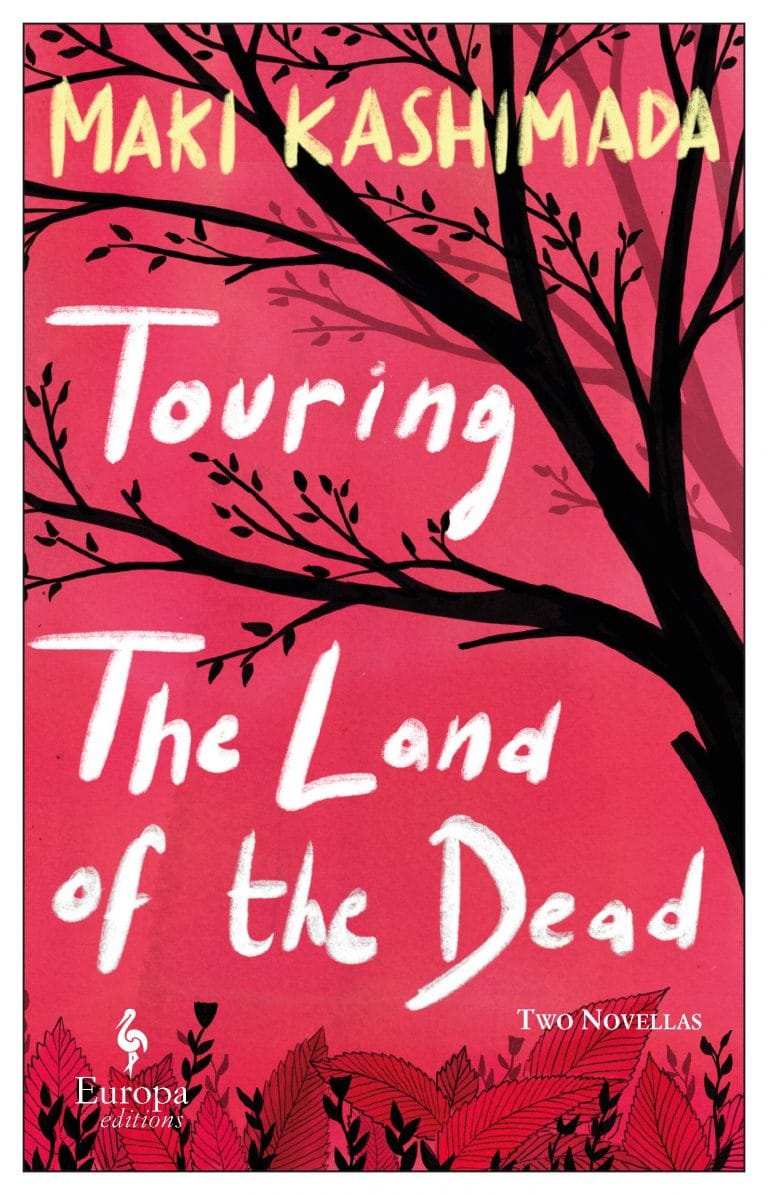
In Touring the Land of the Dead, author Maki Kashimada writes about one woman’s trauma with razor-perfect concision and an austere beauty.

Shaw Kuzki’s middle-grade novel Soul Lanterns begins in August 1970. A generation earlier, an atomic bomb leveled Hiroshima. Nozomi and her friends have grown up attending yearly memorials and learning about “the flash” in their peace studies class. When a much-loved art teacher takes an unexpected leave of absence, Nozomi begins to wonder about how…

Unlike the ever-changing silhouettes of western dress, the iconic cut of the Japanese kimono, a straight-seamed T-shaped robe, was developed in the Heian period (794 -1185) and has remained relatively unchanged through modern times. Central to almost all ensembles in traditional Japanese dress, kimono designs were seen as intimate reflections of the wearer’s identity. Newly…

Like clockwork, every year around the spring equinox, as the ducks and egrets return to the rivers and sprigs of green grass begin sprouting in lawns, people in Japan take to the hills to pick mountain vegetables, herbs and other wild foods. As translator and writer Winifred Bird explains in her new book, Eating Wild…
This friendly guide offers concise but detailed demystifications of more than 85 aspects of ancient and modern Japan.
“100 poems by 100 poets”: compiled in the 13th century by the famed poet, Fujiwara no Teika, (1162–1241) the Hyakunin-isshu (百人一首) is the most widely-read poetry anthology in Japan. Long celebrated in the arts, including in a famous woodblock series by Hokusai, the anthology is part of the curriculum of all Japanese school children, much…
A funny and intimate travelogue of one woman’s unexpected adventures in Japan. French illustrator Julie Blanchin-Fujita arrived in Tokyo for what she thought would be a one-year stint, and ended up never leaving.
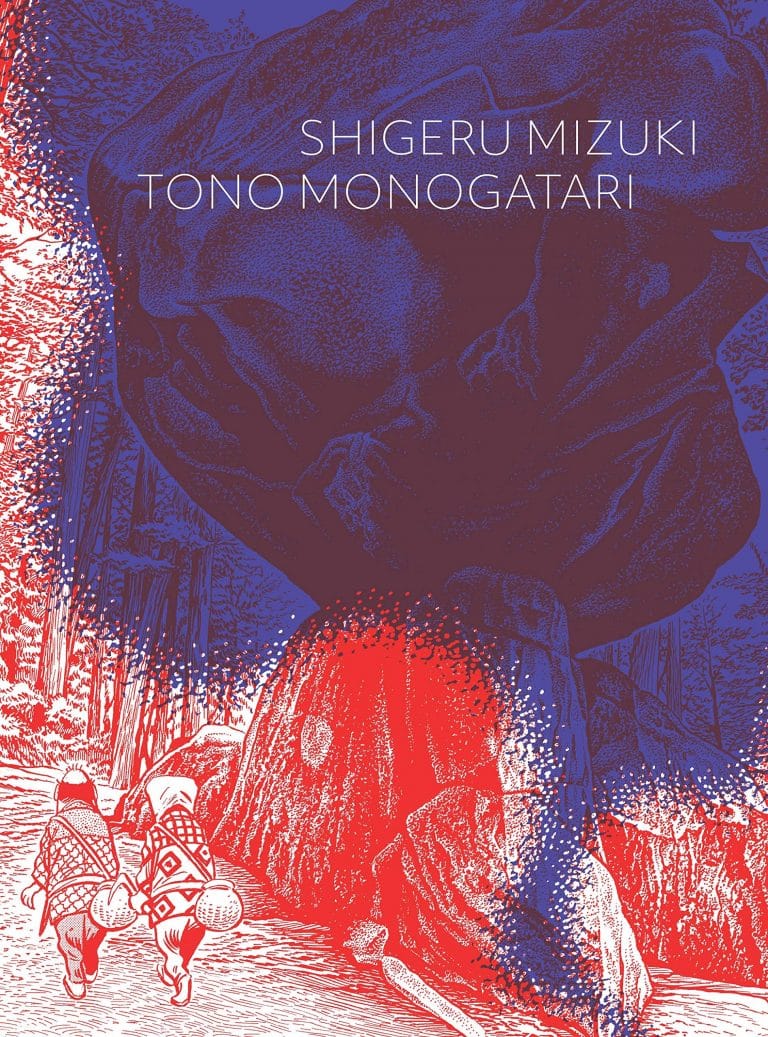
Shigeru Mizuki’s Tono Monogatari has a complicated lineage. During Japan’s rapid modernization in the early 20th century, a man named Kunio Yanagita set out to preserve Japan’s cultural heritage of magic and the supernatural. Along the way, he met a young writer, Kizen Sasaki. Together they traveled Japan’s Tono region, today about five hours northeast…
At 8 years old, Grace Eiko Nishikihama was forcibly removed from her Vancouver home and interned with her parents and siblings in the BC Interior. Chiru Sakura—Falling Cherry Blossoms is a moving and politically outspoken memoir written by Grace, now a grandmother, with passages from a journal kept by her late mother, reflecting on their…
For nearly seventy years, Kazuo Odachi, a respected police officer, insurance investigator, and Kendo-sensei in Japan, kept secret that during the last months of World War II he was a young kamikaze pilot who flew eight suicide missions but miraculously survived. Odachi’s memoir was published in Japanese in 2016, and has now been translated into…

One of the most recognizable garments in Japanese fashion, kimonos were closet staples for people of all classes, ages, and genders. Literally translated as “a thing worn”, it is a term broadly used to describe a T-shaped costume with sleeves partially detached under the arm that can be wrapped around the body and secured with…
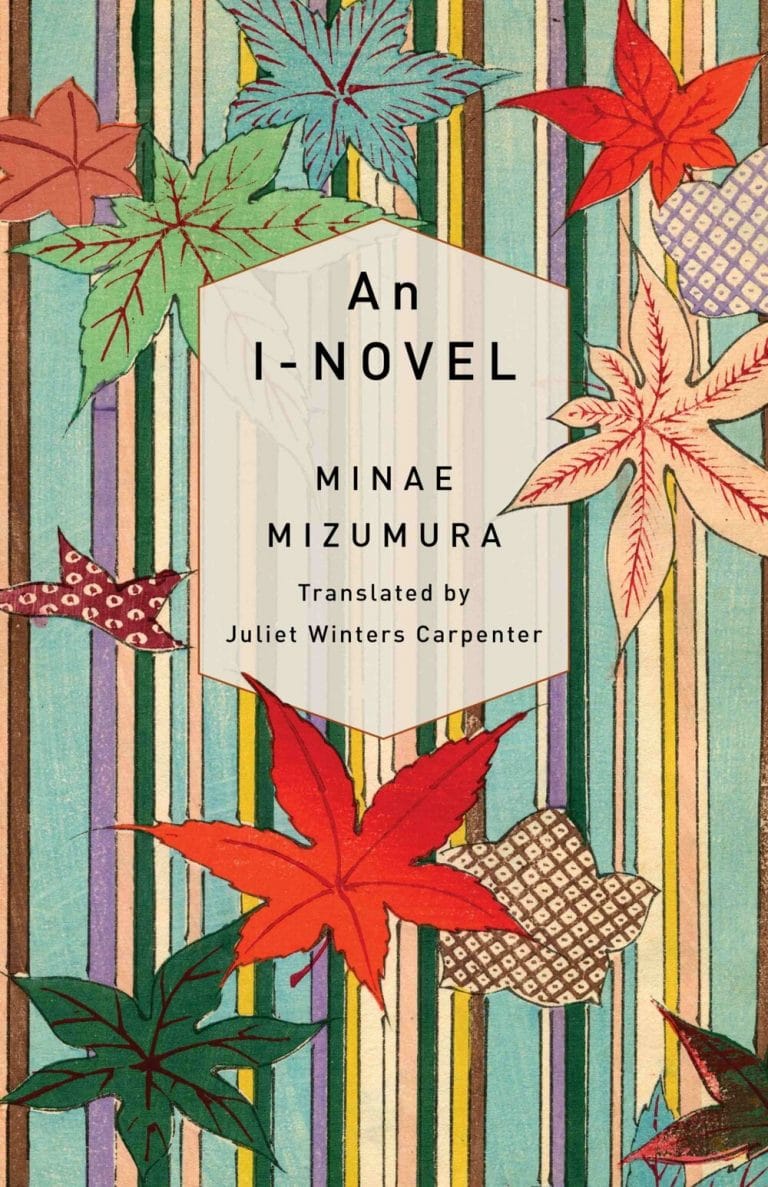
Mizumura Minae’s An I-Novel begins with a caveat: the author herself once suggested that translating the novel, originally published in Japan in 1995, into English was singularly impossible.
The Russian cultural presence in Japan after the Meiji Revolution was immense. Indeed, Japanese cultural negotiations with Russian intellectuals and Russian literature, art, theology and political thought, formed an important basis for modern Japanese transnational intellectual, cultural, literary, and artistic production.
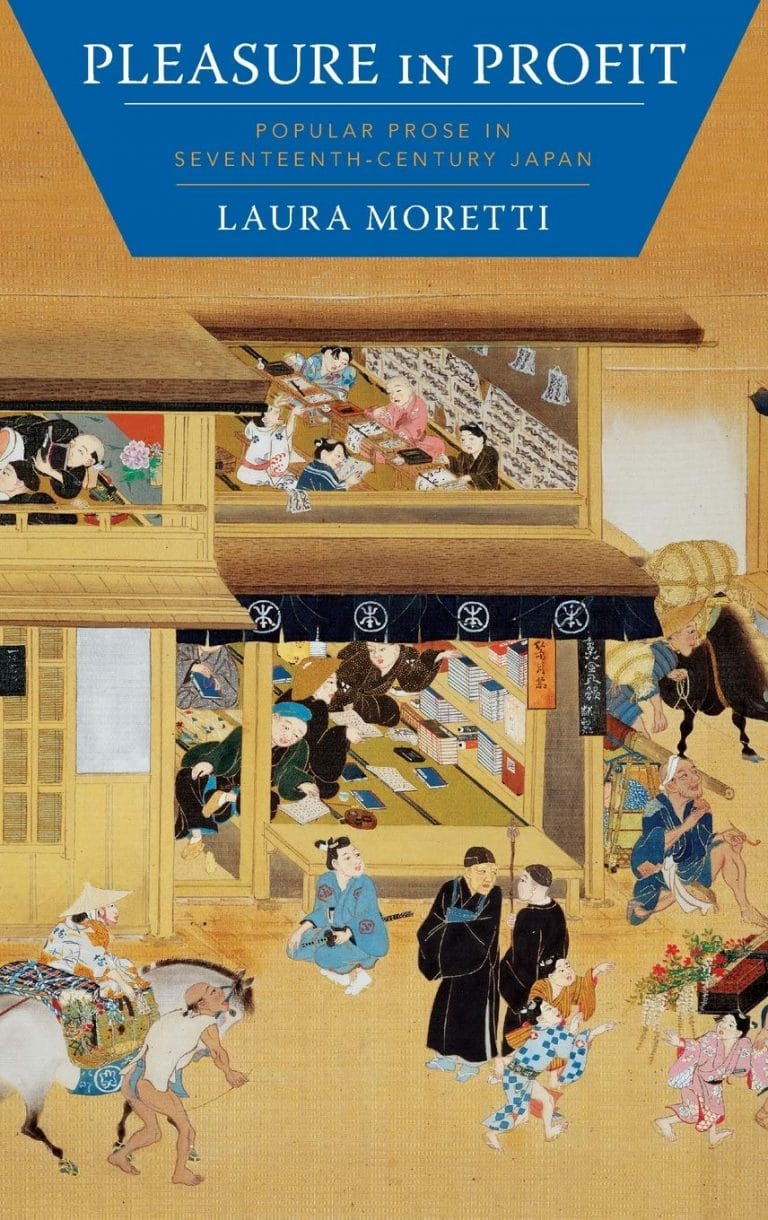
Laura Moretti’s Pleasure in Profit begins and ends with the image of a bookshop in 17th-century Kyoto: Now step back in time, to seventeenth-century Japan. Imagine yourself on Teramachi Street, in the heart of Kyoto.
From about 1765 to 1840 Japanese finding themselves in Edo might have been amused by skimming over a few senryū, short satirical or comical poems which made fun of the pretensions of the administrative capital.