“Lady Joker” by Kaoru Takamura
Among the most unsettling words that can come at the end of a 600-page procedural crime thriller are: “End of Volume One”.
Among the most unsettling words that can come at the end of a 600-page procedural crime thriller are: “End of Volume One”.
In the early eighteenth century, the noblewoman Ōgimachi Machiko composed a memoir of Yanagisawa Yoshiyasu, the powerful samurai for whom she had served as a concubine for twenty years. Machiko assisted Yoshiyasu in his ascent to the rank of chief adjutant to the Tokugawa shogun. She kept him in good graces with the imperial court,…
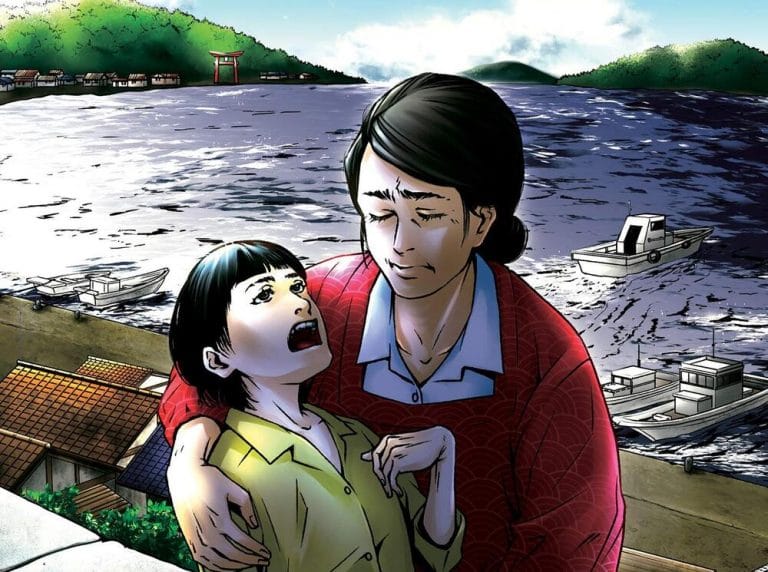
In the mid-1950s, strange symptoms swept through Minamata in Kyushu, the southernmost island in Japan. Fish died, cats became manic, and children started developing neurological issues like trouble speaking and walking. It all originated with the Chissa chemical factory and its waste disposal into the surrounding waters. Sean Michael Wilson and Akiko Shimojima’s comic, The…
Lafcadio Hearn, born of an Irish surgeon and a Greek mother, became known later in life as Koizumi Yakumo after marrying in Japan and taking Japanese citizenship to preserve his wife’s inheritance. Hearn or Koizumi was a journalist and an author, and one of the early English writers to introduce Japan to the outside world…
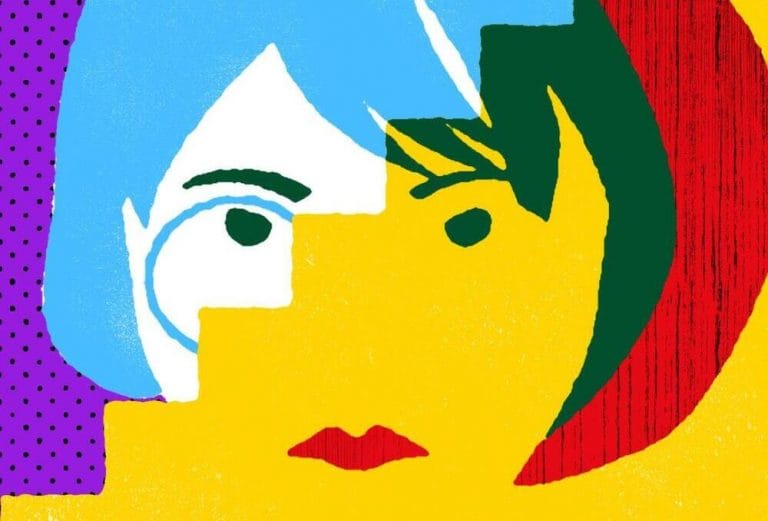
There is a growing interest in a behavioral phenomenon the Internet has dubbed “main character syndrome”. Whether motivated by narcissism or a healthy sense of self-worth, some people live as though they were the hero in a fictional story and interact with the world around them as though they were its center. The narrator of…
The papers are currently full of articles and commentary on the ever-closer relationship between China and Russia, of their compatible economies, state visits, joint projects, shared geopolitical interests and camaraderie between their leaders.
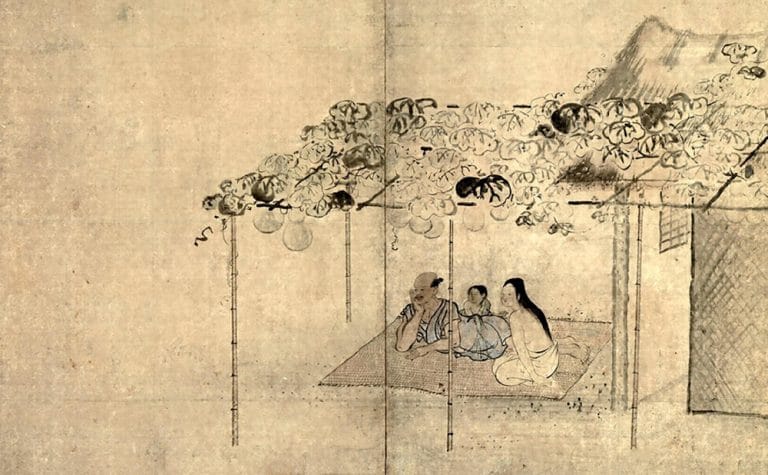
Few nations can boast eras of peace and prosperity as long as the Tokugawa period in Japan, which lasted almost 300 years from the 17th through 19th centuries. Pax Tokugawana: The Cultural Flowering of Japan, 1603-1853 by renowned Japanese studies professor Toru Haga offers a detailed and nuanced portrayal of life under the strict rule…
Ideas about how to study and understand cultural history—particularly literature—are rapidly changing as new digital archives and tools for searching them become available. This is not the first information age, however, to challenge ideas about how and why we value literature and the role numbers might play in this process. The Values in Numbers tells…
When grieving is over, when no one pauses to remember, things will be forgotten forever.

On March 9, 1945, American B-29 flying fortresses firebombed Tokyo, Japan, in what Malcolm Gladwell in his new book The Bomber Mafia calls the “darkest night of the Second World War”.
If anyone thought Sei Shōnagon (ca 964-after 1027) was little more than a gossipy, snooty, disingenuously prim and sometimes acerbic observer of life at the effete Heian court of ancient Japan, here is a book to prove that notion completely wrong. Not only can her classic Pillow Book be read on several levels, but it…
Heaven is excruciating. Readers share viscerally in the protagonist’s victimization at the hands of sadistic bullies. Fans of Breasts and Eggs, Mieko Kawakami’s first novel published in English in 2020, might be expecting another women-centered narrative. Heaven is radically different. This time, an unnamed male narrator describes his appalling position in the social hierarchy of…
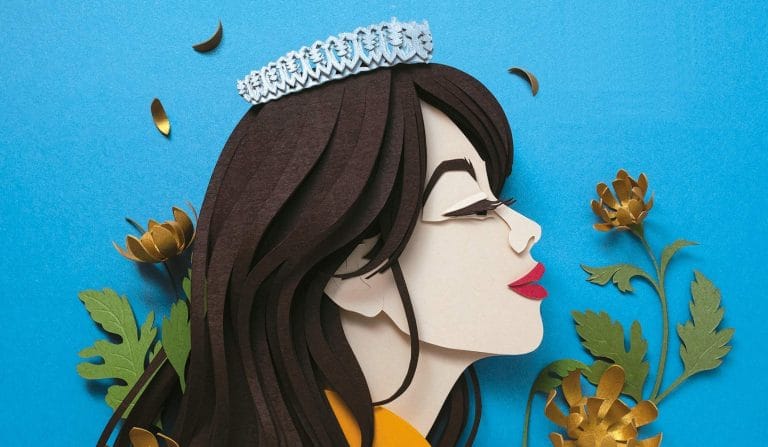
Izumi Tanaka is a normal, Northern California teenager. She’s an average student and spends much of her free time at the local diner with her friends, a quartet they’ve dubbed the Asian Girl Gang, or AGG. In her final semester of high school, life as she knows it suddenly comes to a halt when she…
Kokoro can’t bring herself to go to school anymore. She has been the victim of an intense bullying campaign that culminated in a destructive assault on her home; if the bullies find her, she is afraid they will drag her outside and kill her. Kokoro is twelve years old.
The stories collected in Terminal Boredom take up themes that might feel familiar to readers of contemporary Japanese fiction. The characters criticize, challenge, or defy social conventions. Narrators raise questions about identity and agency. But unlike, say, Mieko Kawakami or Sayaka Murata, author Izumi Suzuki died more than three decades ago.