“Revolution Goes East: Imperial Japan and Soviet Communism” by Tatiana Linkhoeva
There can be a fun-house mirror quality to the history of Japan’s relations with Russia: the events are recognizable, but come with unexpected bulges and pinches.
There can be a fun-house mirror quality to the history of Japan’s relations with Russia: the events are recognizable, but come with unexpected bulges and pinches.
Thomas Bowrey left London for India as a child in 1668; his father had died of the plague in 1665, a tragedy compounded by the Great Fire the next year. Shipping him off to India was not the worst thing a mother could do in such circumstances. Bowrey arrived in Fort St George, Madras after…
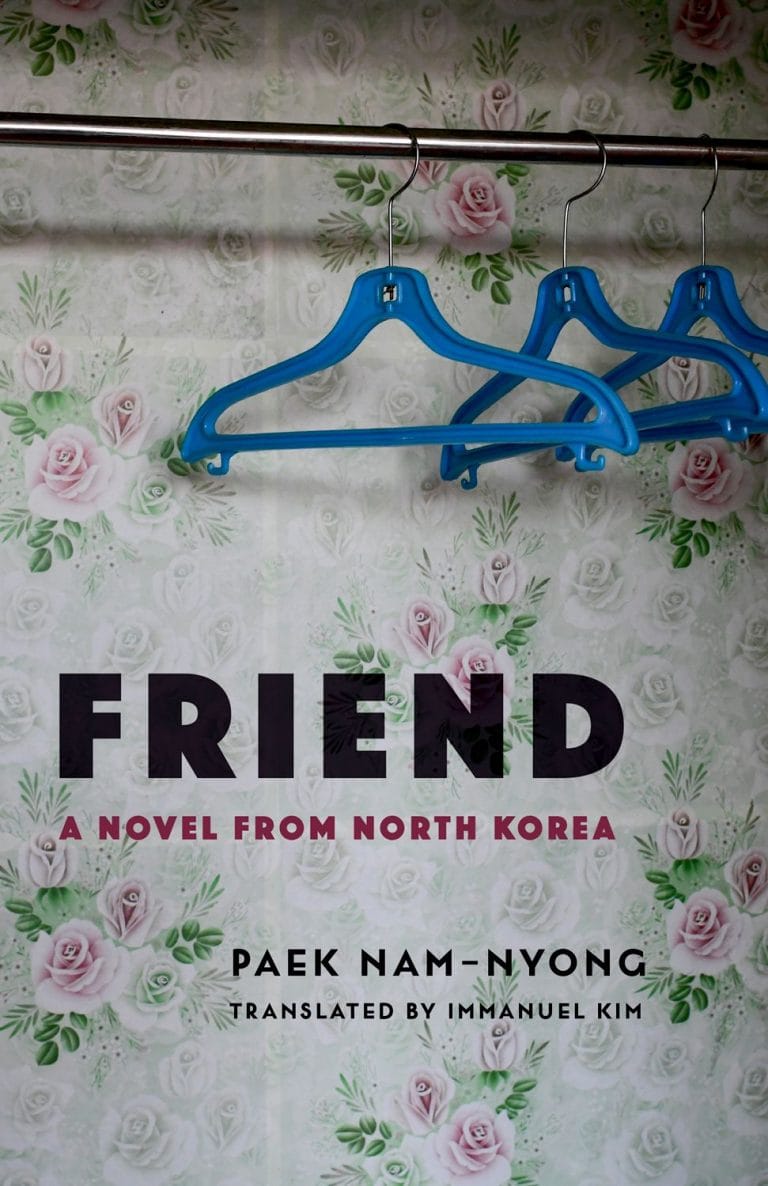
There must be a temptation to approach Paek Nam-nyong’s Friend, presumably the first “state-sanctioned” North Korean novel available in English, much as Samuel Johnson did “a dog’s walking on his hind legs: It is not done well; but you are surprised to find it done at all.” Skeptics will rapidly be disabused.
During a one-year sojourn in London in the 1970s, my secondary school O-level history curriculum covered about a century from mid-1700s on. A decade into a discussion of the Napoleonic Wars, the history master (for such he was called) mentioned, almost in passing (and, in retrospect, probably for my benefit), that after marching through a…
The Sino-Russian relationship is often seen by the West (for which, read the USA) as a sort of counterpoint to Sino-American relations with Russia ready to step in when the US takes a step back. Sören Ubansky’s recent book is one of the periodic but salutary reminders that China and Russia’s mutual dealings are not…
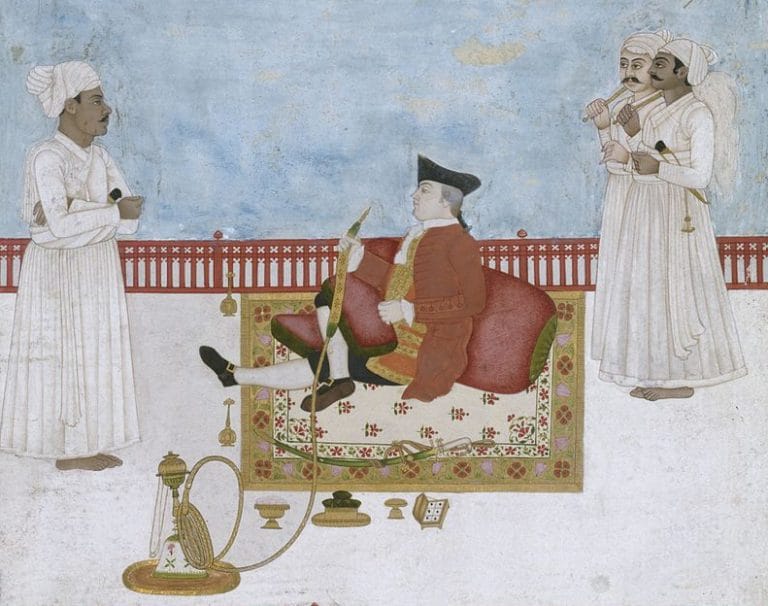
Growing up in the United States can leave one with a curious idea of history. Revolutions are about independence, civil wars are about countries splitting apart, and colonies are about colonists. So what kind of a “colony” was, say, India?
Back in the day, whenever one was in a waiting room or vestibule, one would likely come across a copy of “Reader’s Digest”, which would include a diverse selection of pieces, often abridged, often extracts from elsewhere: easy reading, something to interest anyone and everyone, thought-provoking but not enough to require too much mental exertion.
On 7 September 1695, just off Surat in Gujarat, an English pirate ship knocked off the Fath Mahmamadi, owned by an Indian trader who, according to a contemporary source, did as much trade alone as the East Indian Company all together. The pirates had been waiting for it at the Bab-el-Mandeb between Arabia and the…

Krishnadevaraya may be the most important monarch that most people (well, non-Indian people) have never heard of.

The only surprise in the growing Chinese presence in Latin America is that it still seems to continue to catch some people (at least Americans) unawares. China is now the largest trade and investment partner for several Latin American countries and the second largest for several more.
Umm-El-Banine Assadoulaeff was born in 1905 into one of Baku’s wealthiest families: her peasant-born great-grandfather had discovered oil on his land. She left in 1923, after the Revolution, for Istanbul and then Paris, whence she never returned. Days in the Caucasus, originally published in Paris in 1945, is her memoir of those years.
Husayn ibn ‘Abdallah, more usually known as General Husayn, died in Florence in 1887. Born in Circassia in the late 1820s, he was sold as a slave to agents of the bey of Tunis, raised and trained there, ultimately rising to hold some of the most senior positions in the government.
There’s much to be said for attempting to develop social and political theories, models and philosophies based on something other than Western lines of thought and datasets; the latter’s universality and applicability to the wider world is something which, if not taken merely on faith, that needs to be demonstrated. China, with intellectual, political and…
Among all European countries, Russia’s relations with China are unique in that the two countries—empires for most of their relevant histories—shared a border. Trade between the two was, on the whole, carried out by caravan rather than ship; there were border garrisons a stone’s throw from each other. People and information transited the border along…
In the summer of 1924, Soviet playwright Sergei Tretyakov took up a one-year appointment as Professor of Russian at the University of Beijing. He returned with material that resulted in the 1926 play Roar, China!, based upon a historical incident in Wanhsien in which an American businessman drowned after an argument with a local boatman….