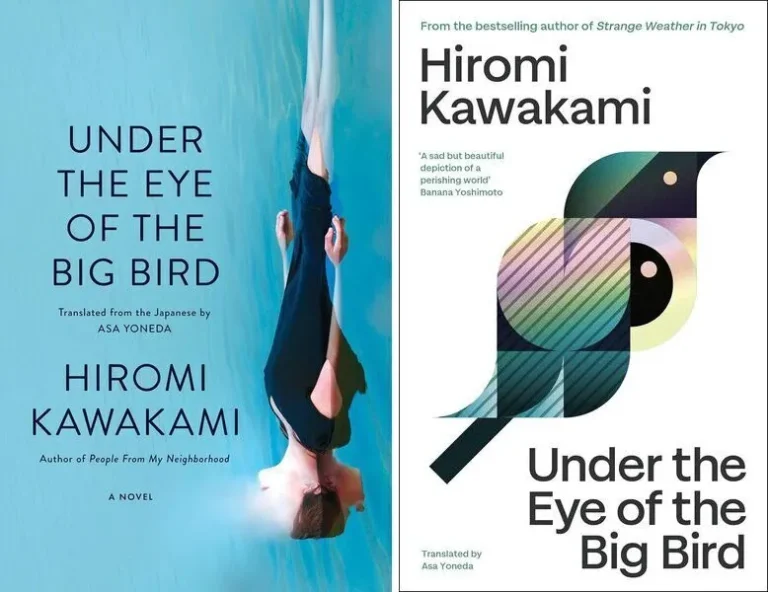
Sixth-grader Lina Uesugi received a strange set of instructions from her father before the beginning of summer vacation: “Go to the Misty Valley. There’s a person there who was good to me years ago.” He didn’t explain to her why she should go or what will happen when she arrives. He simply put her on a train from Shizuoka Prefecture, about 145 kilometers (90 miles) down Japan’s eastern coast from Tokyo, to head north and inland.

Sex is disgusting and unnecessary, men grow foetuses in a sac of artificial skin, and love between two spouses is strictly platonic and familial. These are the building blocks of the strange and deliriously fascinating alternative reality of Sayaka Murata’s newest novel, Vanishing World. Like all of Murata’s previous stories, questions around the terror of abnormal entities in polite society and atypical approaches to intimacy form the book’s core, puncturing every page with warbling instability. Vanishing World, like all of Murata’s other stories in English, has been translated by Ginny Tapley Takemori.

Despite the last decade’s increase in the amount of Japanese fiction being translated into English, several genres remain underrepresented. While English-speakers get access to a number of critically acclaimed literary titles, science fiction and romance, for example, are largely neglected despite their popularity in Japan. Historical samurai fiction, which maintains high Japanese readership, in particular, rarely makes it into English. This trend may be shifting, however, with the recent publication of Shuhei Fujisawa’s Semishigure and the upcoming release of a new, three-volume, translation of Eiji Yoshikawa’s Musashi, which was previously available only in abridged form.

In one story in Shusaku Endo’s Portraits of a Mother, the narrator lies in a hospital bed after a serious operation with the vague impression that his mother is holding his hand. He wakes to the realization that this was a dream and that the “gray shadow” of his mother is nothing more than a recurrent spectre that still visits him two decades after her death. Though at first content, he soon feels resentment for the bonds that continue to bind him to her. As far as the narrator can recall, there was never a time outside of his dreams when this austere woman had shown him such affection.

With no real uniting theme, Unusual Fragments is more of a miscellany than a collection. The authors were born over a span of 78 years. Three of the stories are by women who grew up during the Pacific War—Taeko Kono (1926-2015), Takako Takahashi (1932-2013), and Tomoko Yoshida (1934-). Another is by a woman, Nobuko Takagi (1978-), who was a member of Japan’s “Lost Generation”—Japanese who graduated high school after Japan’s bubble economy popped in 1989. The only male author, Taruho Inagaki (1900-1977), died before Takagi was even born.

In the transition from spring to summer, tensions at Towa Textile are heating up. Factory workers—demanding higher wages, severance pay and other benefits—prepare for a prolonged struggle against management. With the senior executive director abroad at a textile convention and union leaders at a meeting, company director Gosuke Nishinohata is found dead by the train tracks near Kuki Station.

From the look of the cover design and the description, readers may think that Mizuki Tsujimura’s novel Lost Souls Meet Under a Full Moon is yet another example of Japanese healing (or comfort) fiction. Most Japanese healing novels are slim with an inviting cover in soft pastels. The stories center around lost individuals who hope to find happiness in their unfulfilling lives. And they often make use of magical realism. Tsujimura is one of Japan’s most highly-regarded mystery and fantasy writers and her best-known novel in English is the young adult fantasy Lonely Castle in the Mirror. Her entry into healing fiction makes sense, yet the beloved and award winning author’s book is different and more layered than stereotypical healing novels, as well as physically more substantial at almost 300 pages in Yuki Tejima’s English-language translation.

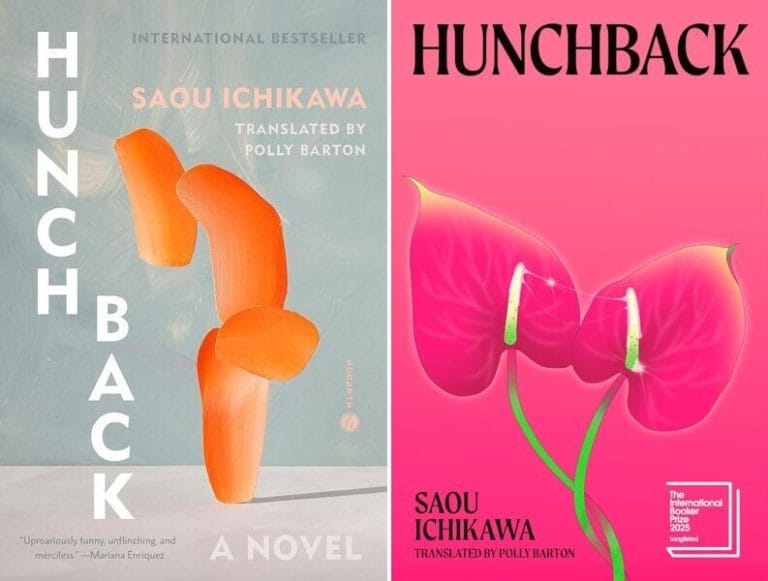
In Saou Ichikawa’s debut story Hunchback, a pendulum swings between desire and survival, told through the voice of a disabled woman in a group home. Translated from Japanese by Polly Barton, the novella has been long-listed for the International Booker Prize, and in Japan, it won the prestigious Akutagawa Prize upon release. Hilarious and provocative, Hunchback flashes between scenes from the group home and her scandalous tweets, between university assignments and swinger club erotica.

“I feel like there must be some way”, ends the title of one story in Tomoka Shibasaki’s A Hundred Years and a Day, “of visiting the places that exist only in people’s memories.” Each of the 34 fictional vignettes in this collection is a standalone slice-of-life that features a character, now advanced into middle-age, recollecting a formative experience of their youth. Through these recollections, Shibasaki creates a humanistic chronicle that touches on the tragic beauty of mortality.

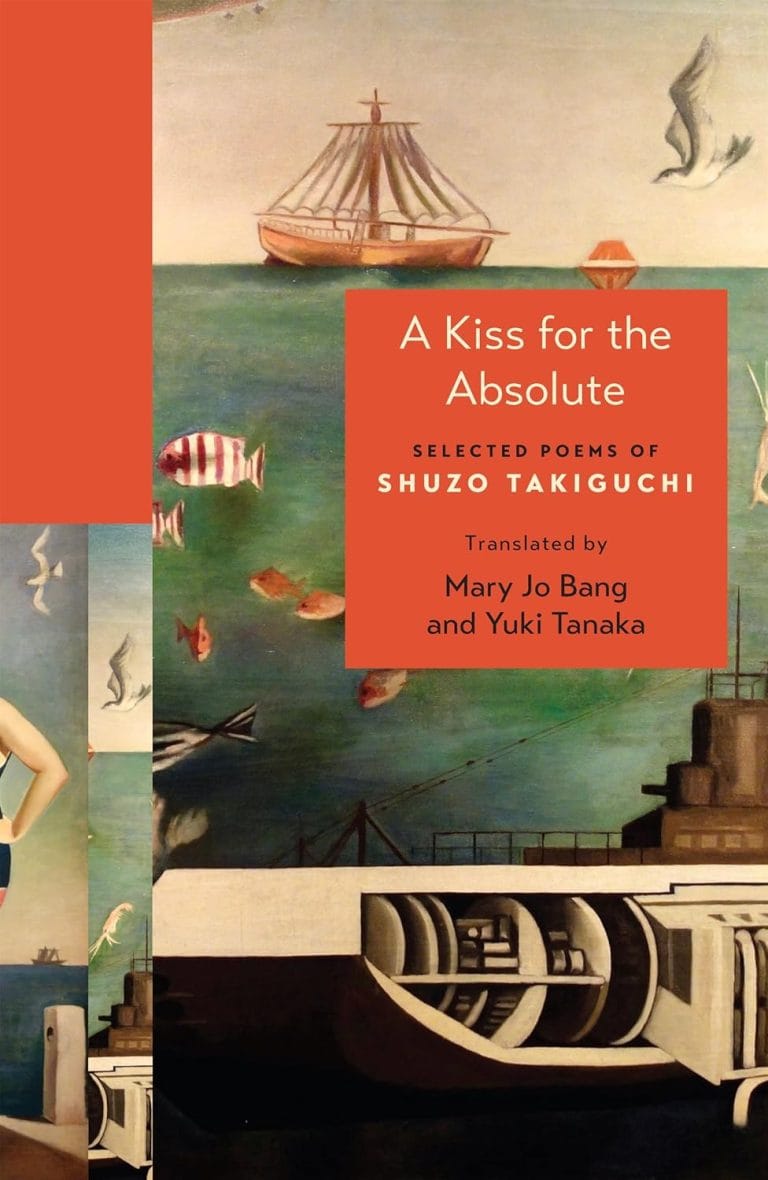
Who is Shuzo Takiguchi? Neglected and out of print for decades in Japan, ignored by the anglophone world, awareness of his contributions to 20th century Japanese writing and fine arts is long overdue. Profoundly influenced by French surrealism, Takiguchi’s heady mix of mythological rumination and avant-garde modernist poetry has finally been made available to an international audience with the bilingual publication of A Kiss for the Absolute: Selected Poems of Shuzo Takiguchi, translated by poets Mary Jo Bang and Yuki Tanaka. Meticulously harvested from a cache comprising a ten-year period of intense literary composition from 1927-1937, this edition of thirty-five poems gives needed shape to Takiguchi’s wide-ranging legacy as an eclectic visionary—critic, translator, poet, artist, collector, curator.