“My Grandfather, the Master Detective” by Masateru Konishi
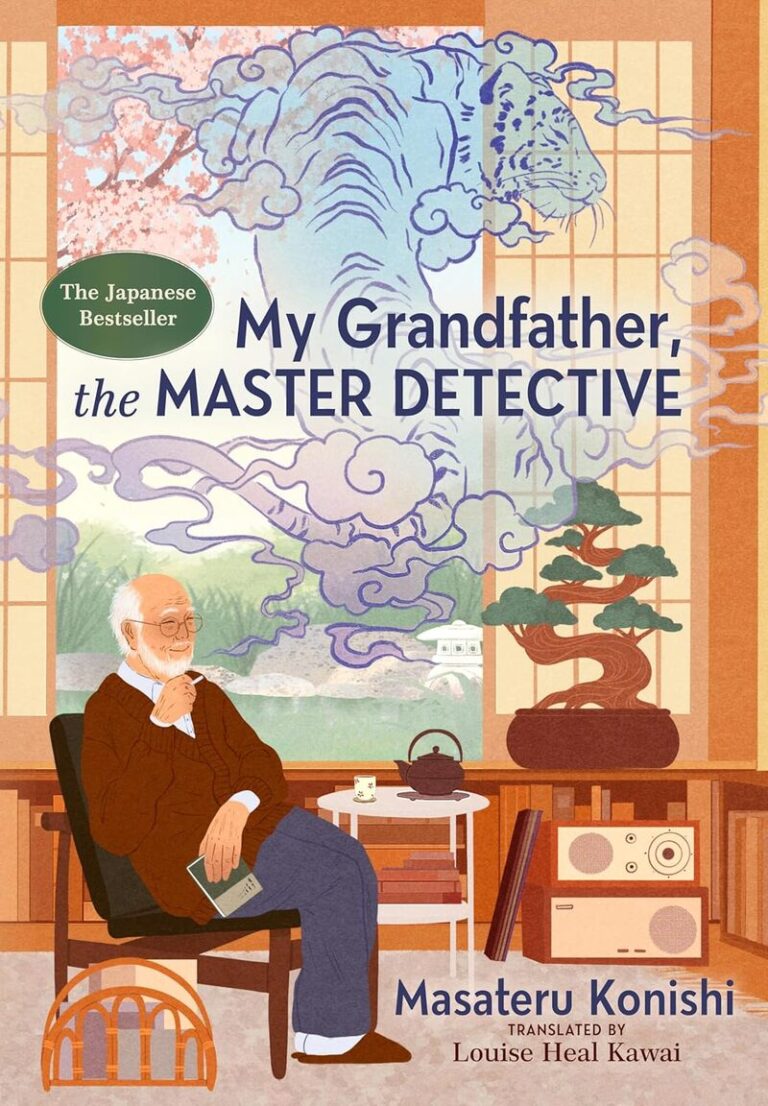
In Tokyo’s Himonya district lives Kaede’s grandfather, a former school principal with a love of mystery novels that he has passed down to his granddaughter.

In Tokyo’s Himonya district lives Kaede’s grandfather, a former school principal with a love of mystery novels that he has passed down to his granddaughter.

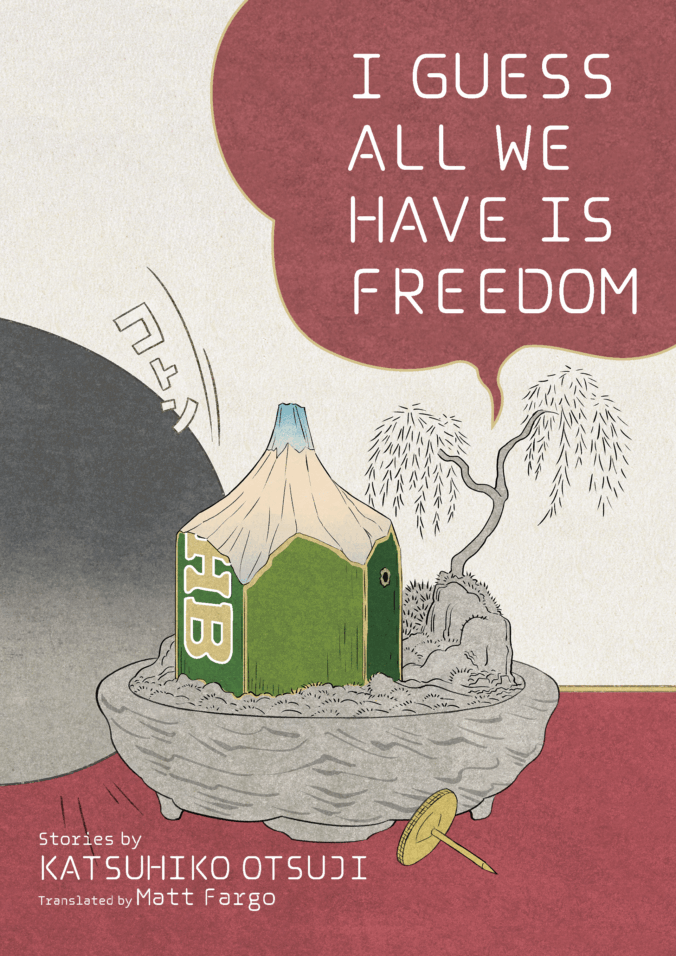
Genpei Akasegawa (whose given name was Katsuhiko Akasegawa) was already famous as Neo-Dadaist artist when he began writing under the name of Katsuhiko Otsuji, and he soon proved himself able to work fruitfully in both domains, earning numerous awards. I Guess All We Have Is Freedom, beautifully translated by Matt Fargo, brings together five of…

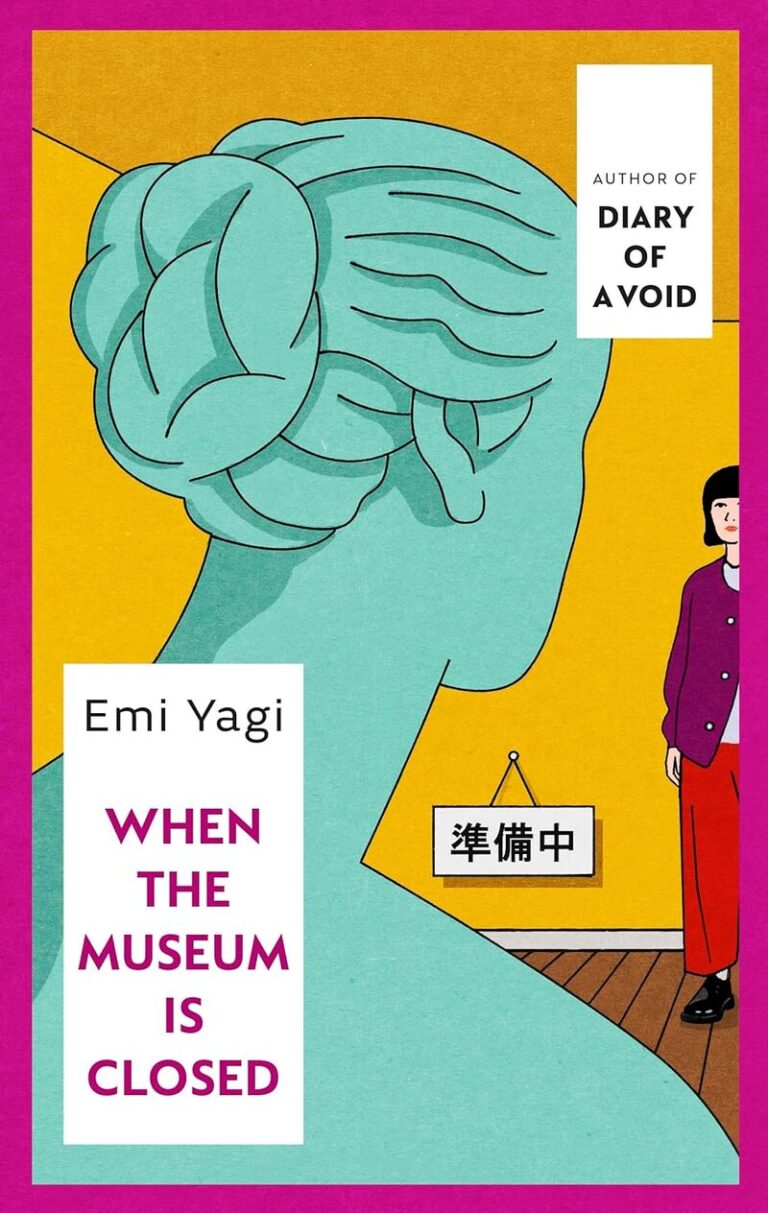
Rika Hourachi has an unusual talent. She’s fluent in conversational Latin. It makes her the perfect hire for an odd position at a nearby museum. The staff needs someone to keep one of their marble statues company. The first century Roman copy of a Greek statue of Aphrodite is lonely. After all, all the other…

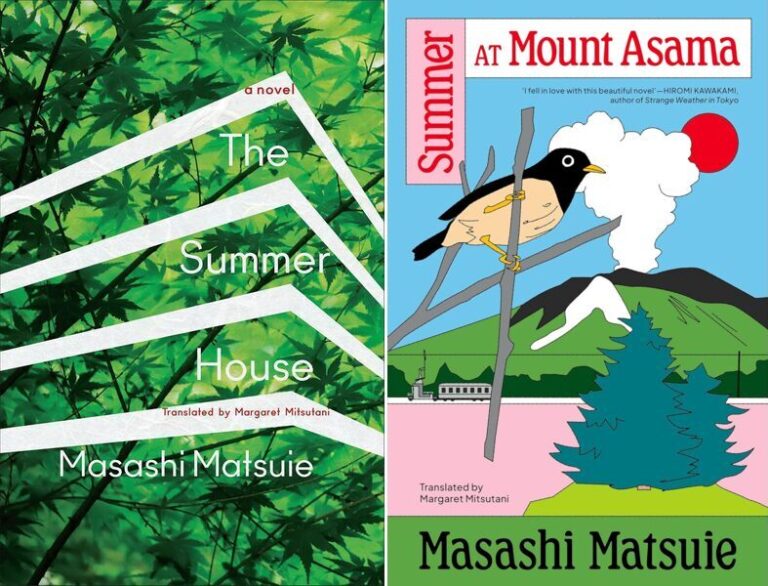
Awarded Japan’s Yomiuri Prize for Literature, The Summer House is Masashi Matsuie’s debut novel. Also published as Summer at Mount Asama, the 2012 work reaches English readers through Margaret Mitsutani’s expert translation. Matsuie constructs the story just as his character Sensei, architect Shunsuke Murai designs buildings: with deceptive ease, creating spaces that beckon people to…
Studio Ghibli’s 1988 film Grave of the Fireflies has been described as the greatest film someone will only watch once. Deeply emotional, director Isao Takahata’s tale of two Japanese war orphans struggling and failing to survive in the closing days of World War II is almost too painful to bear. But the story isn’t Takahata’s—Grave…

The Shimabara Rebellion of 1637-38 has long been a shadowy footnote in Japanese history: an uprising of poor farmers and hidden Christians, crushed with such ferocity that 37,000 men, women, and children were slaughtered at Hara Castle. In most textbooks it garners a brief mention, a prelude to the closing of Japan, when the Tokugawa…

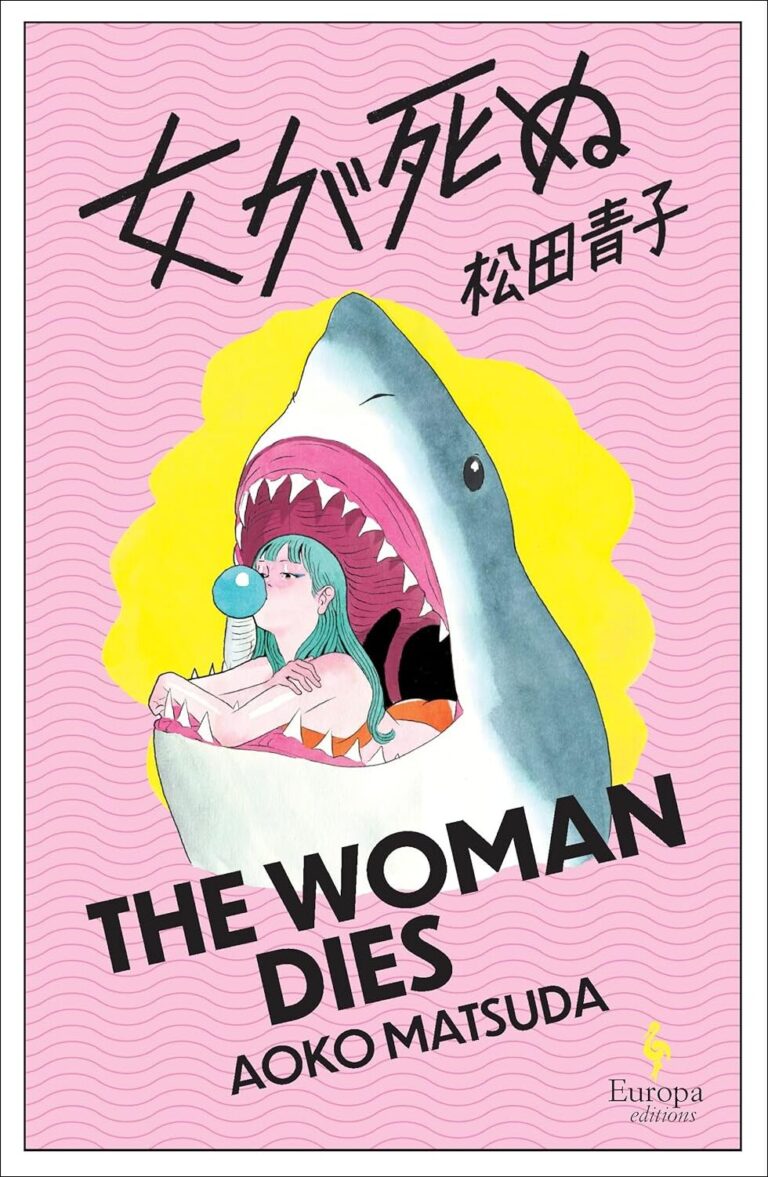
Across fifty-odd flash stories (particularly short pieces of fiction) in The Woman Dies, Aoko Matsuda and translator Polly Barton lean into the weird, nitty-gritty world of womanhood. For the most part, there is no immediate throughline connecting the stories—and their rich inner worlds—to each other. Yet eventually, the lines blur enough for images of women,…

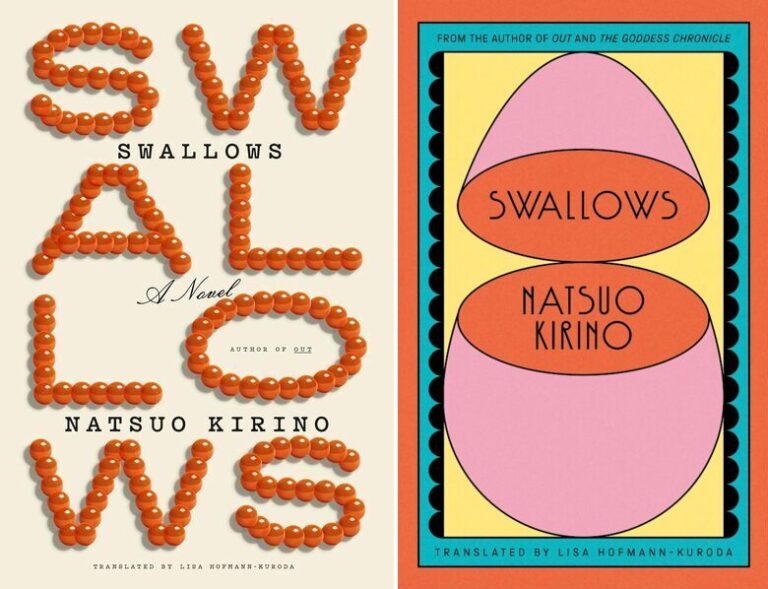
Natsuo Kirino has a real gift for seeing the worst in people. Her characters cheat, steal, and murder with an apparent lack of remorse that makes them (one hopes) unrelatable for most, but they are at least sympathetic in being partially the result of their bleak environments. Kirino’s hopeless worlds of economic and social pressure…

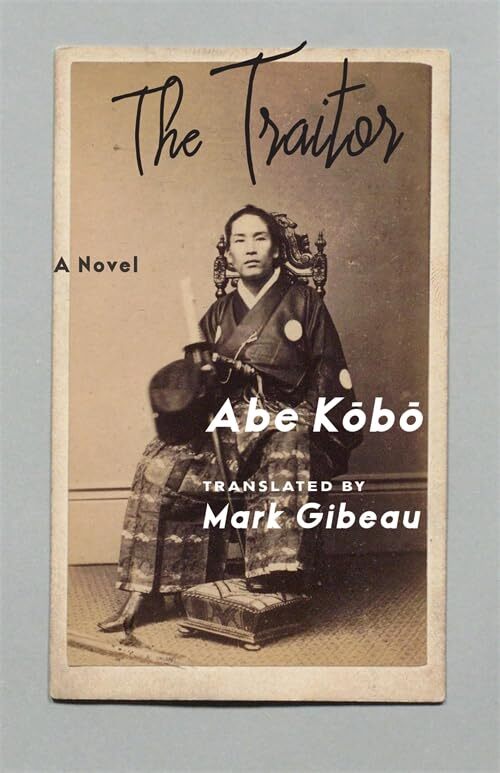
Shōtarō Ikenami’s The Samurai Detectives, the first volume in his celebrated Kenkaku Shōbai series, arrives in English translation by Yui Kajita as a lively entry into Japanese historical fiction. Originally published in 1973, this novel captures the shadowy underbelly of Edo-period Japan through the eyes of Kohei, a grizzled ronin turned detective, his 24-year-old son,…

In 1981, Japanese actress and television personality Tetsuko Kuroyanagi published a best-selling memoir, Totto-chan: The Little Girl at the Window, an engaging story set during her unusual primary school years that happened to take place during World War II. Her book sold 4.5 million copies in Japan in just its first year and has been…

Yoko Tawada’s Archipelago of the Sun, translated by Margaret Mitsutani, is the third and final instalment of a trilogy. The first two volumes—Scattered All Over the Earth and Suggested in the Stars—introduce a diverse cast of characters centered around Hiruko, a Japanese woman in search of her homeland, which seems to have vanished from the…

There is no obvious throughline that runs through this new collection of Osamu Dazai stories; only a series of Dostoevskian protagonists—young men who smoke too many cigarettes, cower in social situations, and who are consumed by deep insecurity. Written in the second half of the 1930s, Retrograde has been arranged and translated by Leo Elizabeth…

At a demolition site in modern-day Osaka, workers unearth an old air raid shelter, sealed for decades. Inside, Murder on the Orient Express by Agatha Christie, The Hollow Man by John Dickson Carr, The Tragedy of the Funatomi by Yu Aoi, and other classic mystery novels are wrapped in a faded cloth, embroidered with “House…

The opening panels of the manga Miss Ruki show the title character working from home processing medical insurance claims. In a voice so dry it verges on sardonic, an unseen narrator explains that Miss Ruki finishes projects weeks earlier than her boss thinks she does, so she spends most of her time reading books from…

A family has gathered in a mansion to discuss the inheritance of a wealthy grandfather’s estate. It is a familiar mystery setup, and one that risks cliché, but Yasuhiko Nishizawa takes it into exciting new territory in The Man Who Died Seven Times. Nearly the whole story occurs within a single repeating day, much like…