“Sakura” by Kanako Nishi
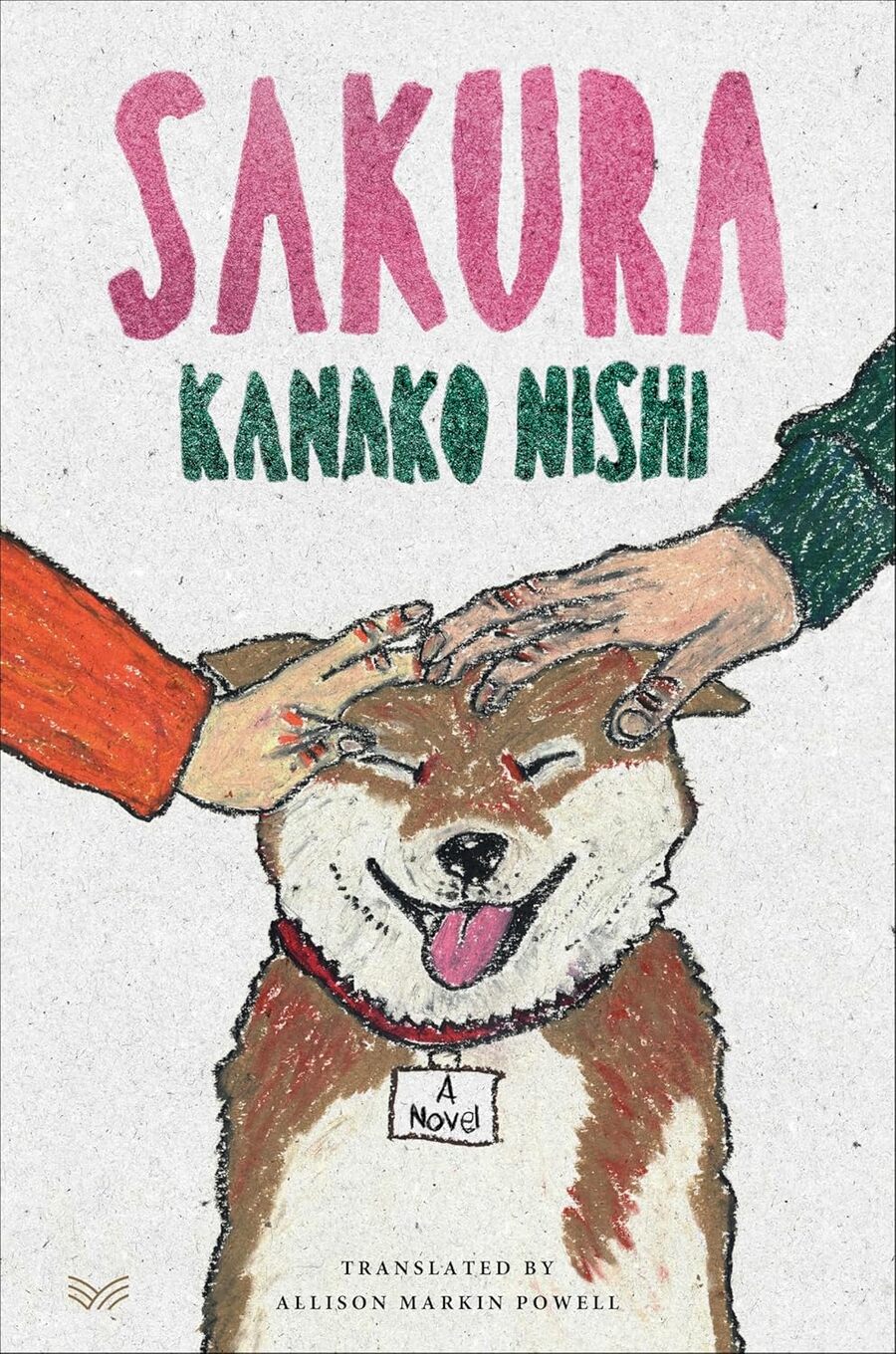
The Osaka-based Hasegawas used to be a model family—happily married, two sons, a daughter, and a dog. But when the elder son Hajime dies at the age of twenty, their lives start falling apart. Each reacts to loss differently: Kaoru, the younger son and the narrator of the story, leaves to study in Tokyo but struggles to fit in; his sister Miki becomes socially withdrawn; the mother engages in compulsive overeating; and the father just disappears. Four years later, following his sudden return, they gather to spend the New Year holidays together and try to pick up the pieces of what remains of their family.
Kanako Nishi’s Sakura, first published in Japan in 2005 and subsequently adapted into a movie in 2020, is an exploration of grief and reconnection. This bildungsroman shifts between present and past as Kaoru reminisces about his childhood. His coming of age, first love, and first disappointments are depicted in photographic detail. Kaoru, like all book’s characters, balances between eccentric and yet relatable:
I might want a coffee, but I tell myself, Wait, what you want is probably going to change any minute. So, by this logic, I end up buying green tea or something. Then, at the moment when the thing I have no interest in drinking falls through the vending machine slot, I think, Not that! I still end up drinking it out of frustration, but I don’t enjoy it. So then I buy a coffee.
Nishi’s writing, as rendered into English by Allison Markin Powell, is intimate, non-judgemental, and subtly ironic. Although the story is told from the perspective of Kaoru, among the other memorable characters are the titular Sakura, “this timid, not-the-prettiest little girl-dog, who’d arrived with a pink petal attached to her tail,” and Hajime, whose tragic death is established right from the beginning. The former serves as comic relief, the glue that somehow keeps the family together amid adversities. Sakura’s very name, the Japanese word for “cherry blossoms”, evokes the impermanence of time. As she ages, the dynamics in the Hasegawa household shifts, and while Kaoru tries to see her as the same as always throughout the book, it is bittersweet to witness her transformation from a carefree puppy to a weary senior dog. What stays the same, however, is her unconditional love for her owners. At the end of the day, it is she who eases tensions during the New Year’s celebration, reminding the Hasegawas of the importance of familial ties.
Nishi touches upon a wide range of difficult topics, from gender non-conformity to queerness and disability.
The elder brother Hajime, on the other hand, comes to embody what has been lost. His image, confined to the past, is idealized by Kaoru, who struggles to find his own sense of self now that his brother is gone. In many ways, Kaoru’s world revolves around Hajime, whom he recalls as an unattainable ideal:
There were people like Hajime—born heroes, without pretense or self-consciousness, who charmed everyone they met— and then there were people like me. I was content to fulfill my role, and in my own modest way, to hear a few people say, “Who’s that guy?” I wasn’t jealous of my brother, but I remember feeling the need to affirm my identity as the hero’s younger brother.
Kaoru, however, is not the only one who cannot seem to redefine himself after his brother’s death. For his sister, Miki, Hajime becomes a figure of worship that borders on incestuous desire. For the mother, his death leaves a void that prompts her to seek solace in food and alcohol. For the father, it serves as a trigger to look back on his life and realize its emptiness. They all keep drifting away from one another, united only by memories of Hajime. None of them finds a sense of closure during the holidays they spend together, but they all begin to take the very first step towards it. The story ends just as their new journey starts.
Through the portrayal of the Hasegawas as imperfect, non-ideal, at times quirky or messy, and sometimes outright controversial, Nishi touches upon a wide range of difficult topics, from gender non-conformity to queerness and disability. She does not shy away from addressing various levels of social ostracization, presenting each character as they are. And just as there is no simple way of handling grief, there is no simple way for them to change themselves. However, there remains a lingering hope for acceptance and for learning to be happy as one is.