Nanako Hanada’s The Bookshop Woman chronicles the unique magic books have to connect people. In her 30s with her marriage and career on the brink, Nanako joins an online matching service that she refers to as PerfectStrangers. Though it resembles a dating site, it’s meant to connect people for thirty-minute conversations around shared interests. To make her profile stand out, she sets a goal to give personalized book recommendations to every person she meets through the site.

On the evening streets of Tokyo, in the heart of the Shinjuku district, a white sedan “reeking of blood and cigarettes” hosts Shindo, the battered and bruised protagonist of The Night of Baba Yaga. These elements—inconspicuous cars, bloody seats, violent people—make up the bulk of Akira Otani’s novel. Beyond the gore lies a queer love story, forming the emotional heart of the book, and the only joy to be found in pages of blood and guts.

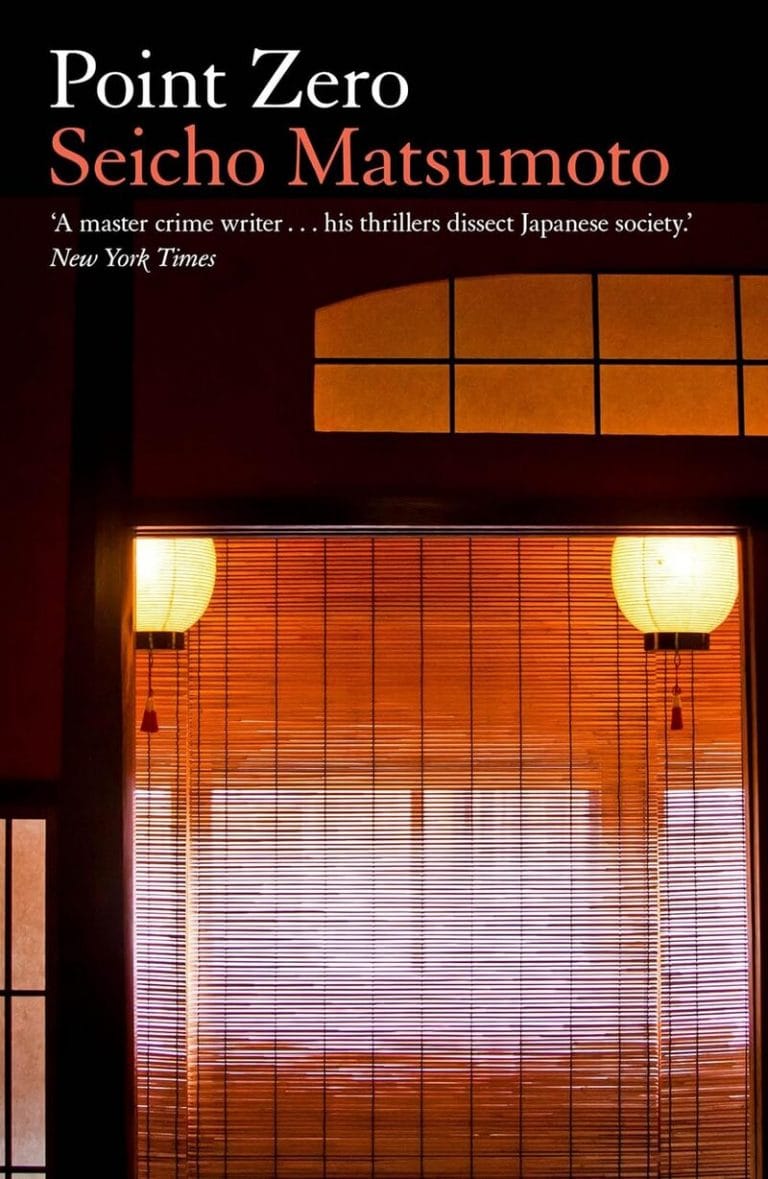
Seicho Matsumoto was one of Japan’s most celebrated mystery writers —with two dozen novels to his name from the late 1950s, at a time when Japan was rebuilding after the war until just before his death in 1992—but only in recent years his work has been translated into English. Point Zero, translated by Louise Heal Kawai, is one of his early novels. The story, set in 1958 and the first part of 1959, takes place mainly in Tokyo and the western port city of Kanazawa and is defined by both the hope of the new era and the agonies of war.  

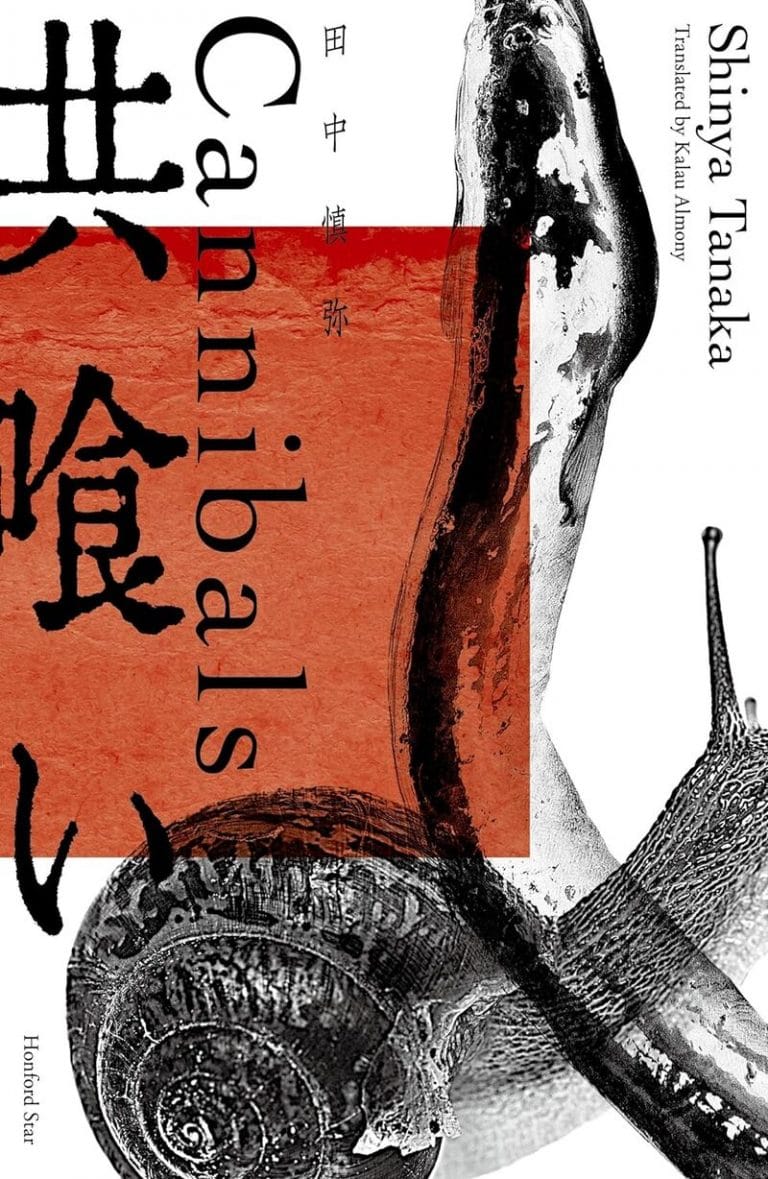
In his Akutagawa Prize-winning Cannibals, Shinya Tanaka doesn’t shy away from dark topics, dealing with crippling poverty, violence and sexual abuse in an often matter-of-fact way. Perhaps the author’s candor is part of the reason that Cannibals (a literal translation of the original Tomogui, though the original has a secondary meaning of ‘mutual destruction’) received Japan’s most prestigious literary prize, although it often walks such a fine line between the frank and the gratuitous that readers themselves may settle on either side in their own assessment.

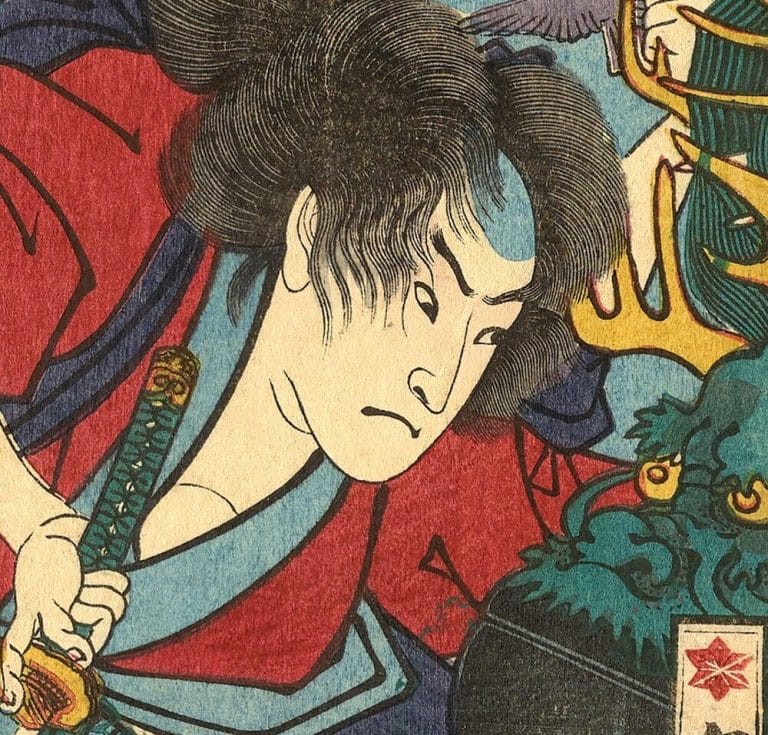
Joy, Despair, Illusion, Dreams: Twenty Plays from the Nō Tradition, Royall Tyler (trans) (Columbia University Press, April 2024)

Nō drama, which integrates speech, song, dance, music, mask, and costume into a distinctive art form, is among Japan’s most revered cultural traditions. It gained popularity in the fourteenth century, when the actor and playwright Zeami (1363–1443) drew the favor of the shogun with his theatrical innovations. Nō’s intricacies and highly stylized conventions continue to attract Japanese and Western appreciation, and a repertoire of some 250 plays is performed today.