Eating out alone in Korea is not the done thing: minimum orders are often for three or four, and restaurants have an intensely communal atmosphere. Some coffee shops and restaurants have installed giant plush Moomins, Pengsoos and other characters so that solo drinkers won’t feel so alone (this may have inspired the cover of Table For One, which shows an anthropomorphic Zebra diner).
Short stories
Tara Isabel Zambrano has published widely in literary journals, mainly stories that center around mothering in one fashion or another, usually set in India or with Indian characters in the diaspora. Now she’s compiled these stories and more in Ruined a Little When We Are Born, which continues with the theme of mothering.
There is a tendency with Osamu Dazai, who in his lifetime struggled with addiction and ultimately committed suicide, to focus on the more overwrought and confessional elements of his prose, hoping to find a mirror of the tragedy of his life in his writings. For his dedicated readers spanning the globe, the relatable elements of the ill-fated author may well be the pessimism and emotive voice within his works, but as well as being blessed with a razor-sharp and often damning self-awareness, Dazai was an adept comic writer who mixed the jocular with the melancholic to brilliant effect.
Kazi Nazrul Islam (1899-1976), aka “Dukhu Mia” and known as the “rebel poet” of the Bengalis, was born in Churulia, a village in the Bardhaman district of West Bengal. A litterateur, lyricist, revolutionary, communist and freedom fighter, he was declared the national poet of Bangladesh in 1987. These Collected Short Stories are a joint endeavour of editors and translators from India and Bangladesh.
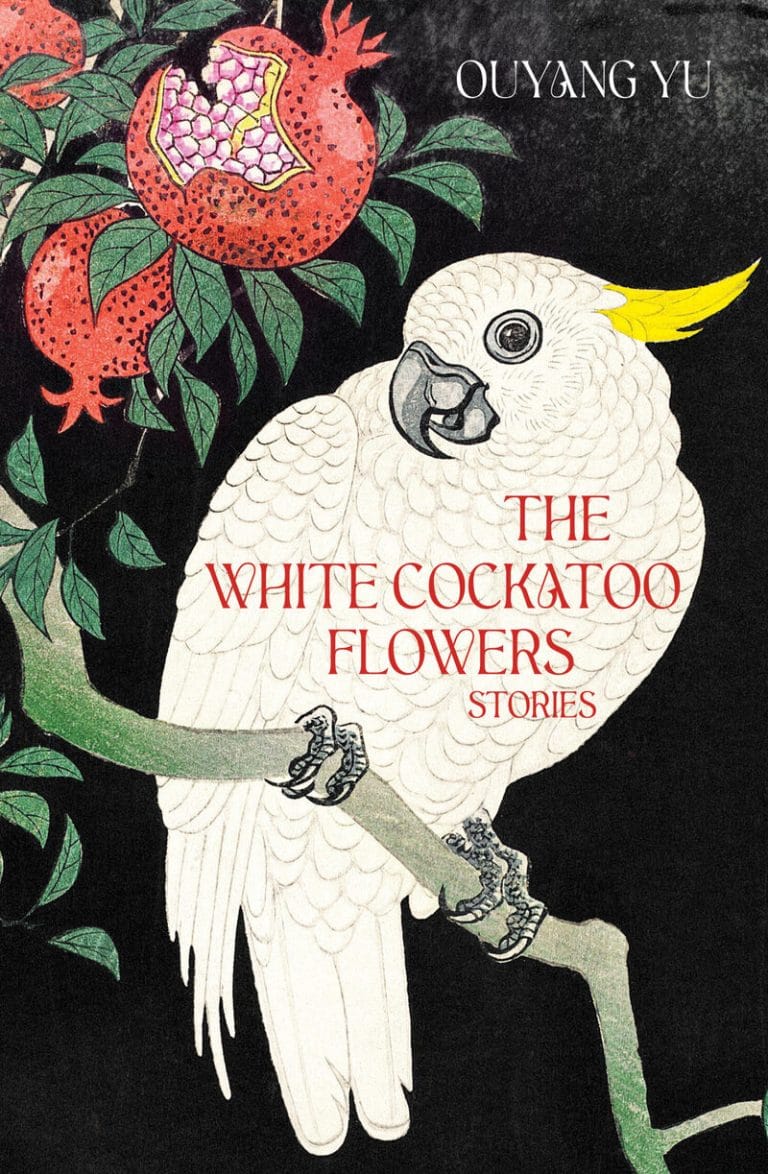
In the opening short story of Ouyang Yu’s short story collection The White Cockatoo Flowers, the main character of the titular story asks himself: “If I were in China now, I would be…” The line sets the stage for a collection of stories that explore what it means to become Australian and the tensions of being part of —or between—multiple cultures.
All three of the short pieces included in Asa: The Girl Who Turned into a Pair of Chopsticks by Akutagawa Prize-winning author Natsuko Imamura are stories of escalation—in each, the mundane finds itself quickly replaced by the tragically absurd.
Ranjan Adiga’s debut collection Leech and other stories comprises 10 short stories based around the experiences of Nepalis adapting to new worlds, lands and experiences. The majority relate to migration, both internal, with migrants from rural Nepal traveling to try make it in the capital, or abroad, in search of their dream life in America. It is unsurprising that a nation shaped by migration should produce a writer who tackles the subject with such nuance and tenderness.
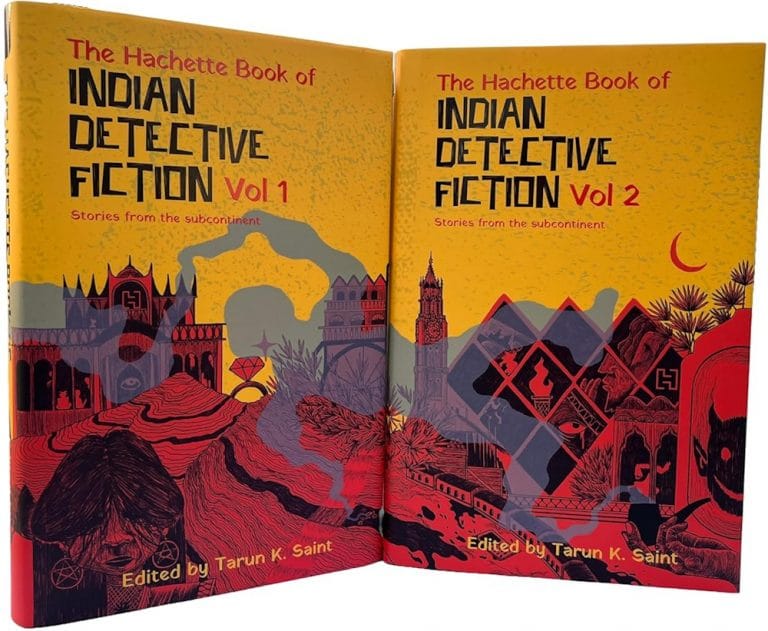
Detective fiction in the West is often grouped with crime fiction and thrillers; but in detective fiction, the focus is on a puzzle and the process of solving it. It’s a game with the reader in which a mystery needs to be unraveled before the detective figures it out. In some places, the detective becomes a figure of interest in himself—detective figures have been, traditionally if less so at present, more often than not, men—a complex personality whose story is interesting and deserves an independent treatment of its own. It is a genre that solves problems, finds answers, holds the culprit accountable: all very attractive attributes for those who just like a good story.
Born of a Swiss mother and an Indian father and raised in England, Meira Chand’s novels have been set in Japan, Singapore, and India, and a couple have been adapted for the stage in London and Singapore. It wasn’t until she was an adult that she lived in India. Her recent book, The Pink, White and Blue Universe, is a new collection of thirteen stories set in India, many of which tackle the issues of belonging.
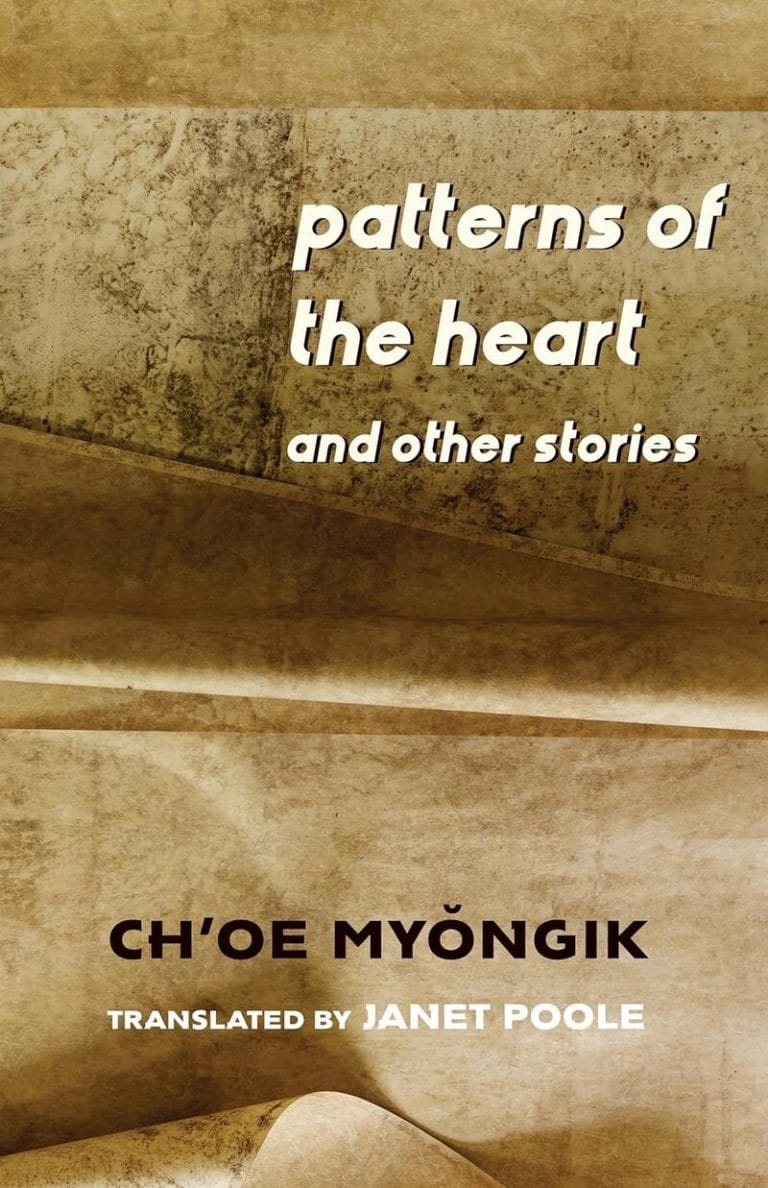
Janet Poole, a professor at the University of Toronto, in Patterns of the Heart and Other Stories has translated into English a collection of works by Choe Myong-ik, a writer whom she calls in her introductory essay an “exquisite architect of the short story form”. Following her essay, Poole presents nine stories, five from the colonial era (published from 1936 to 1941) and four in the postwar period (published from 1946 to 1952). Apart from “Walking in the Rain”, which she published in a bilingual edition in 2015, the stories in this book are available in English for the first time.

You must be logged in to post a comment.