What’s new





“The British Indian Ocean Territory: A Secret and Strategic Cold War History” by Samuel Bashfield
The British Indian Overseas Territory is the sort of place only a stamp-collector will have heard of. It’s more commonly and better known as Diego Garcia, in fact the largest of a group of islands (the Chagos Archipelago) smack dab in the middle of the Indian Ocean, and home to a major US military base…


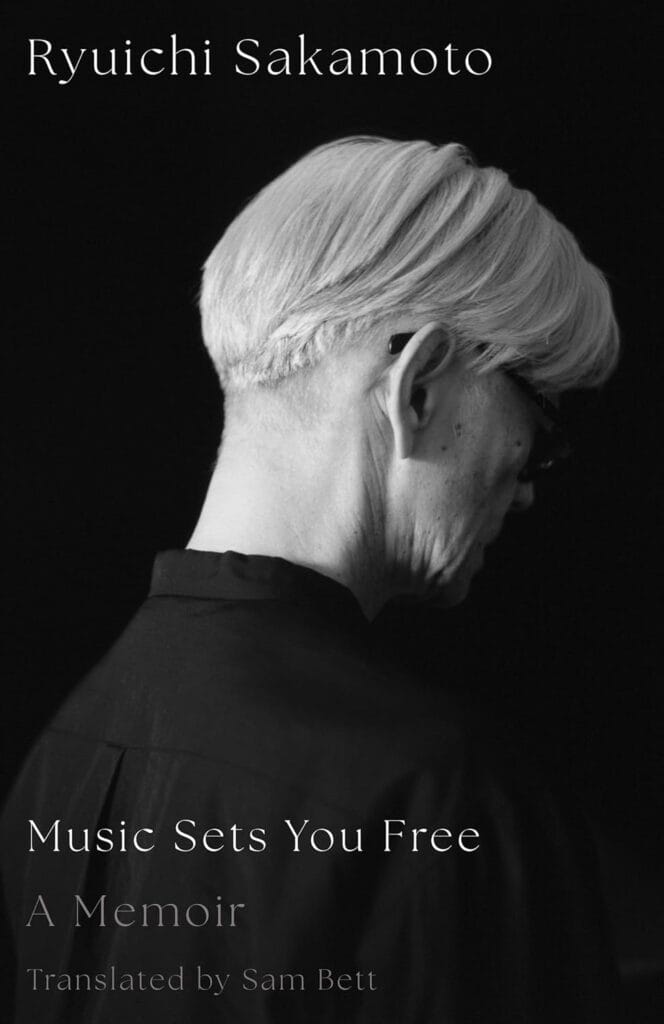
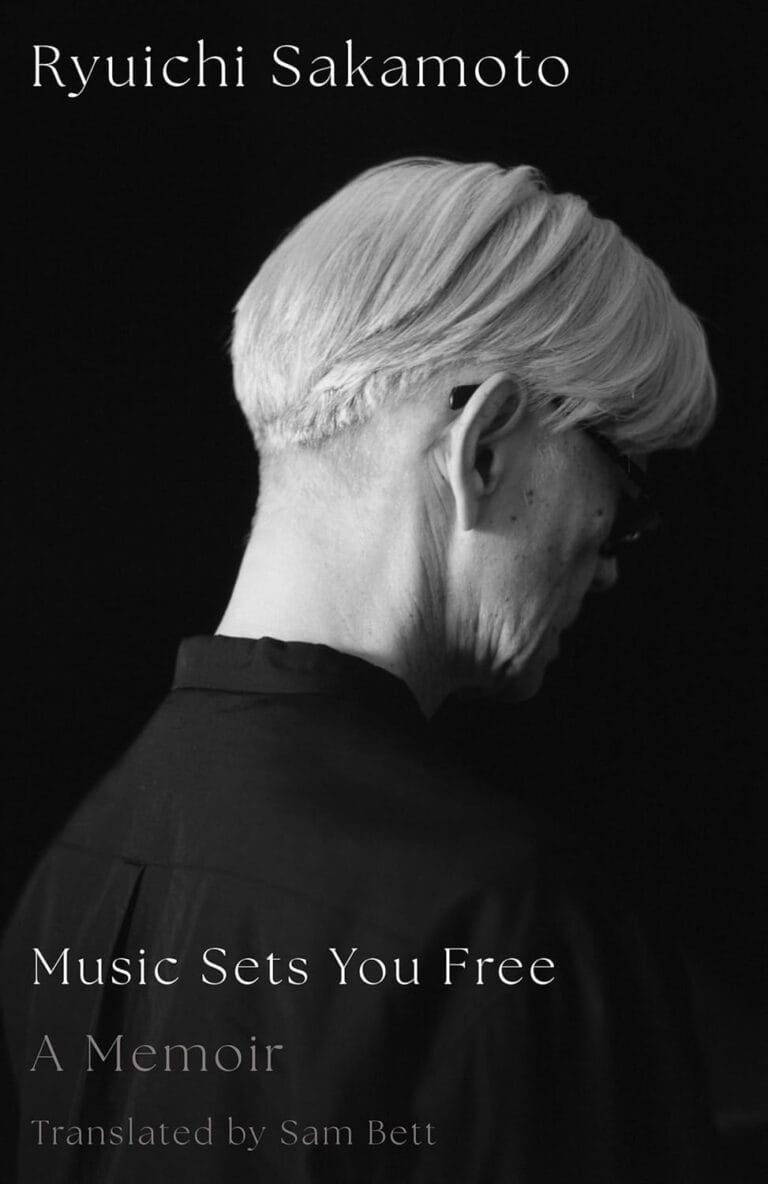
“Music Sets You Free / How Many More Times Will I Watch the Full Moon Rise?” by Ryuichi Sakamoto
First published in Japan in 2009, then followed by a second volume in 2023 written in the shadow of a…
“My Neighbour, The Dictator” by Tari Lang
The years immediately following Indonesian independence were optimistic ones. The early 1950s are remembered as the “parliamentary period” of pluralism,…

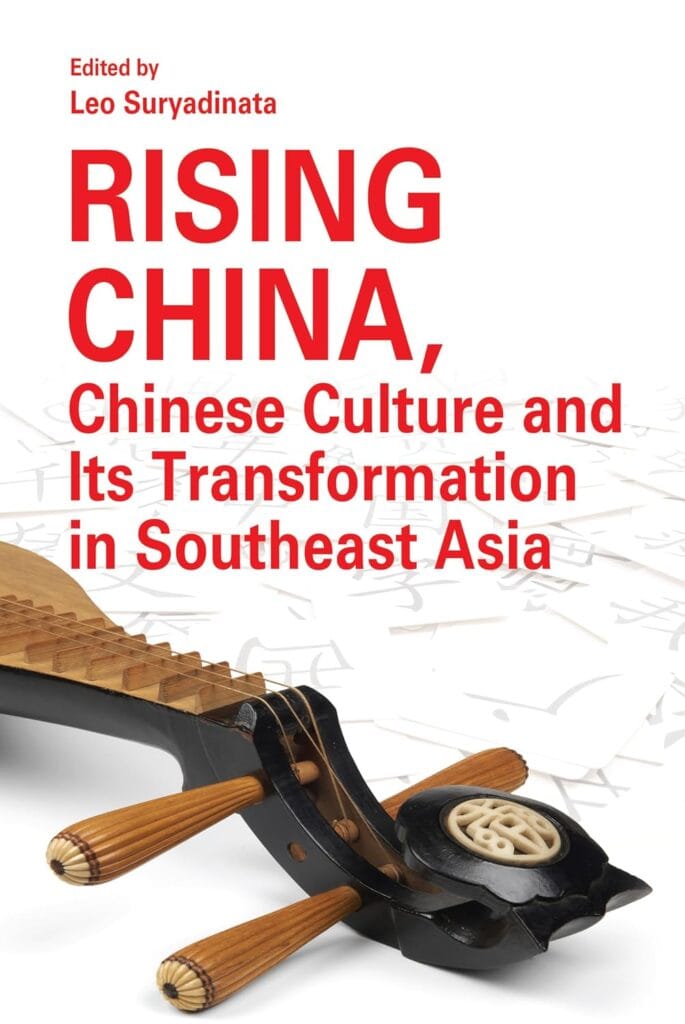
“Rising China, Chinese Cultural and its Transformation in Southeast Asia”
The rise of China as a global superpower, and the myriad impacts of “rising China” on Southeast Asia have energised…
“The Forest of Snow” by Swami Ramananda Bharati
In Hindu mythology, the snow-capped region of Kailash in Tibet is believed to be the abode of Kailashpati or Lord…


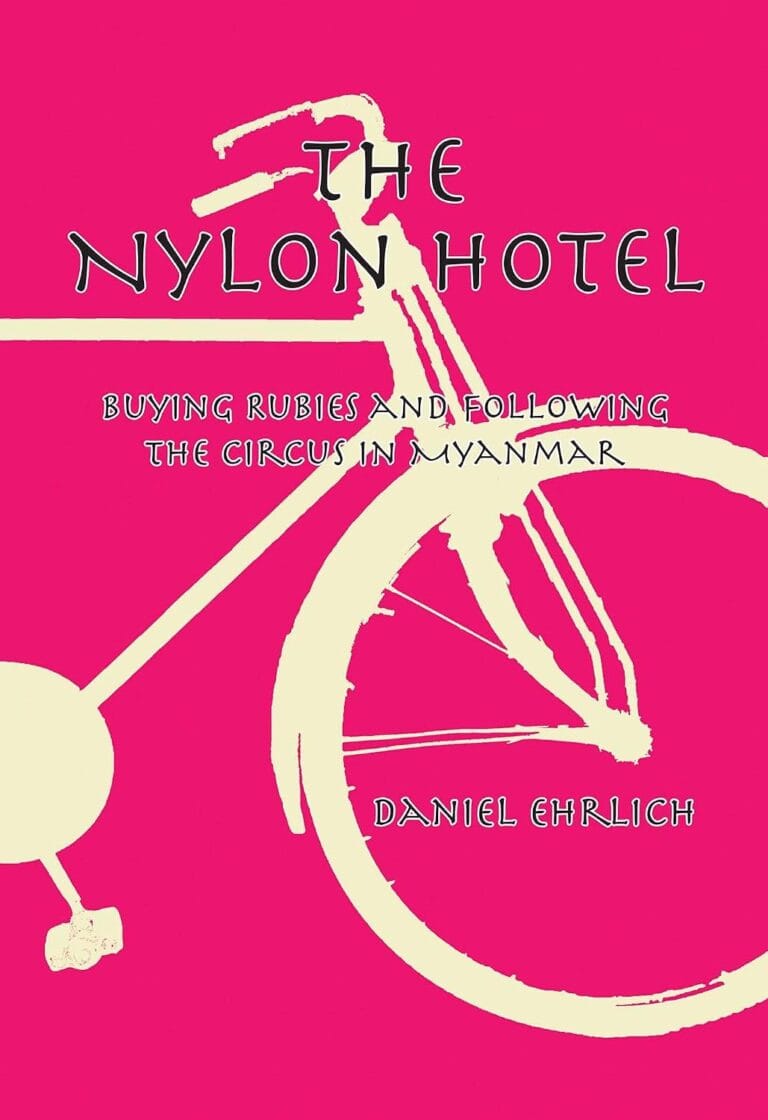
“The Nylon Hotel: Buying Rubies and Following the Circus in Myanmar” by Daniel Ehrlich
Daniel Ehrlich spent four decades as a laboratory head at MIT, leading national programs in semiconductors and optics. Beginning in 1987 and continuing for the next 32 years, he travelled to Myanmar almost every December, crossing twelve time zones, arriving alone in the dark, and checking into a modest Mandalay hotel called the Nylon Hotel…

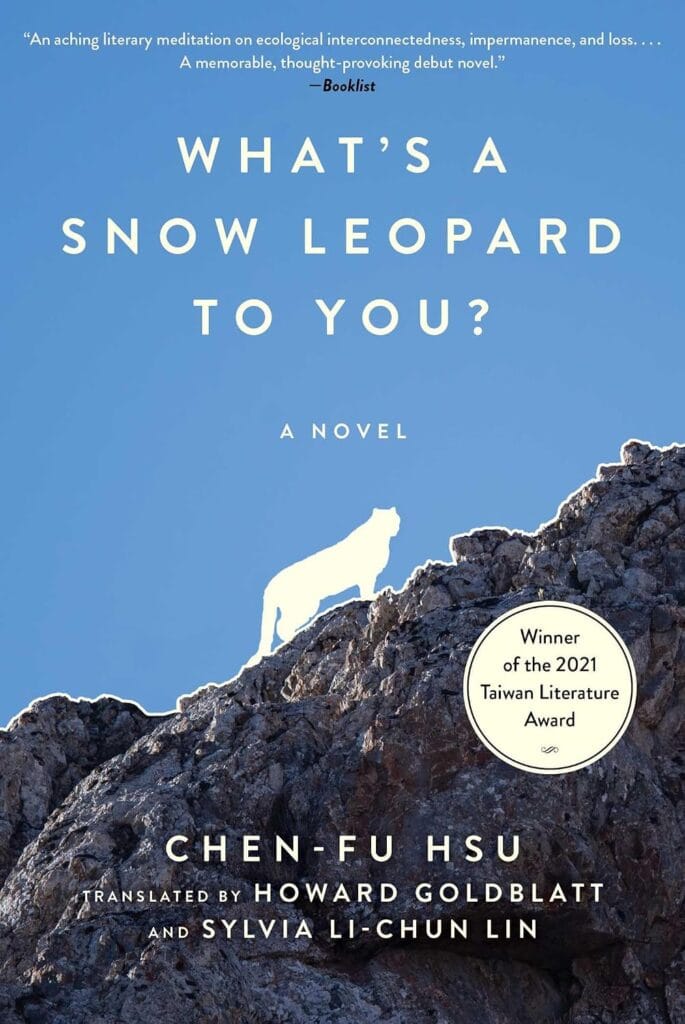
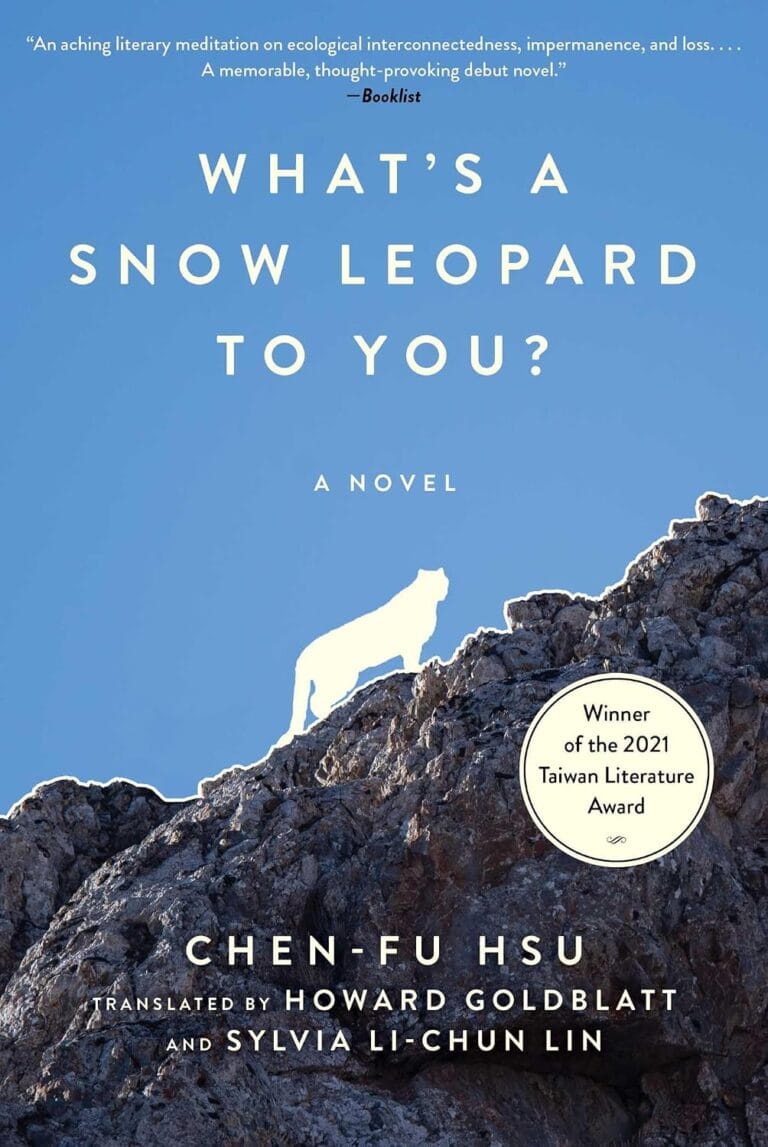
“What’s a Snow Leopard to You?” by Chen-Fu Hsu
Chen-Fu Hsu, a Taiwanese writer interested in bugs, photography and geography, traveled to Tibet to gain first-hand experience with snow leopards for What’s a Snow Leopard to You?, his collection of more than forty short prose pieces. The collection won the 2021 Taiwan Literature Award, an award that joins a number of others earned by…

“She Walks at Night” by Seishi Yokomizo
She Walks at Night is the eighth Seishi Yokomizo mystery to be published in English since 2019 and features a…
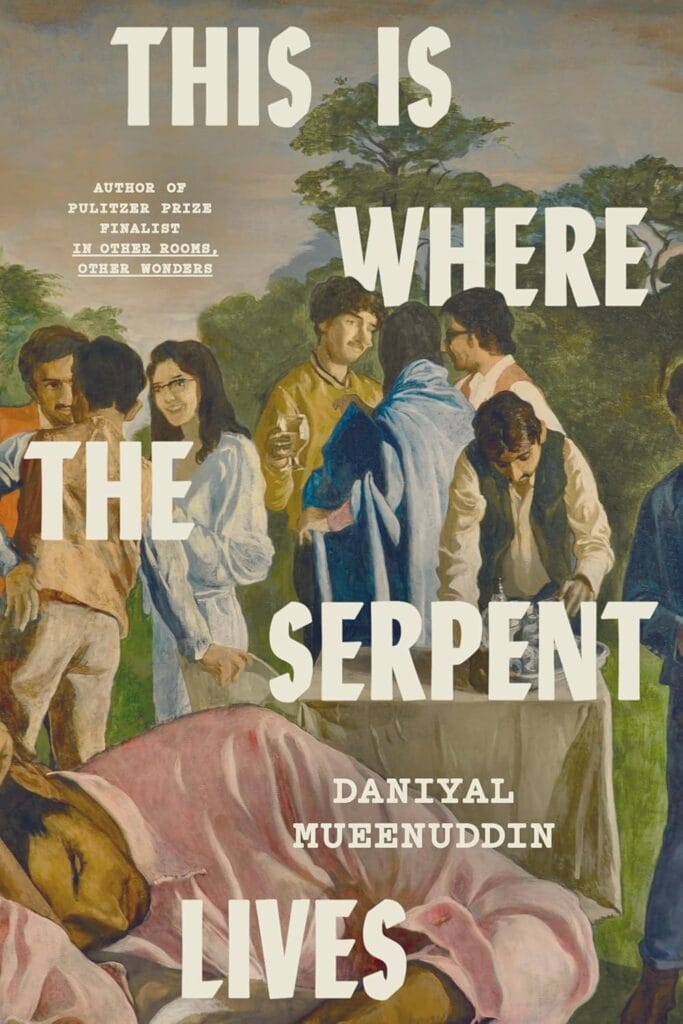
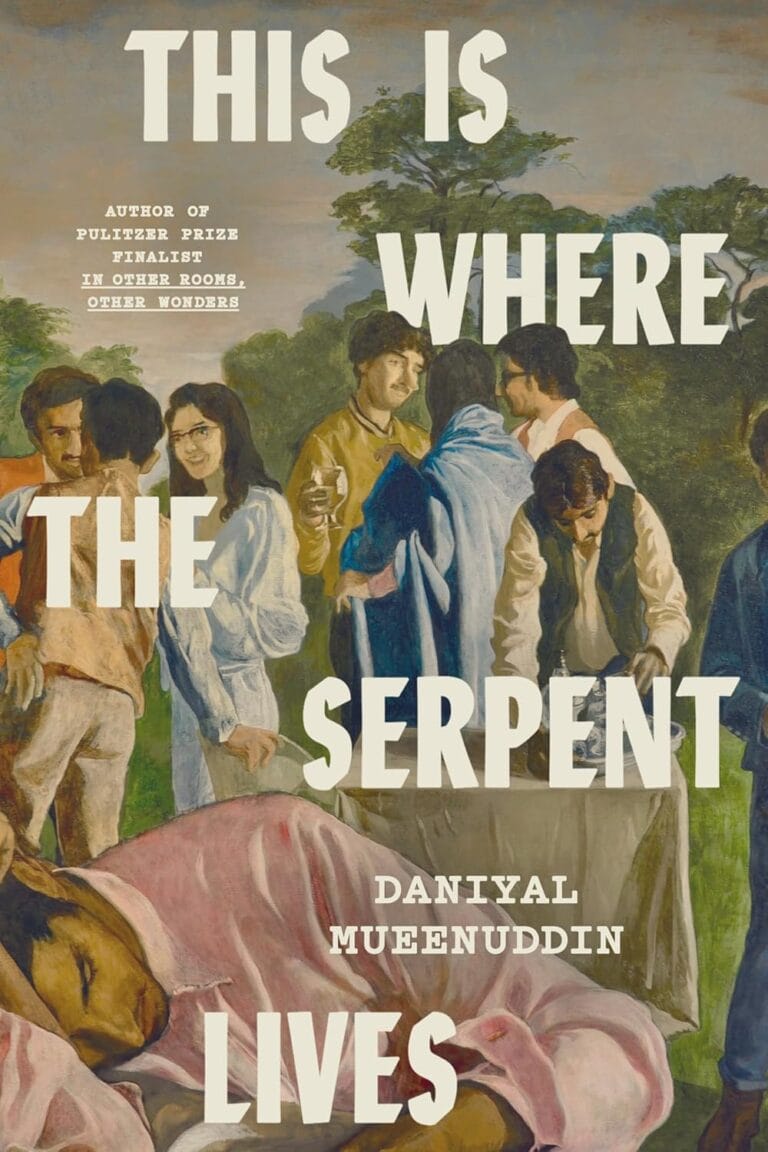
“This is Where the Serpent Lives” by Daniyal Mueenuddin
In This is Where the Serpent Lives, Daniyal Mueenuddin unpacks the nuances of the Pakistani landowning class through rich, in-depth…


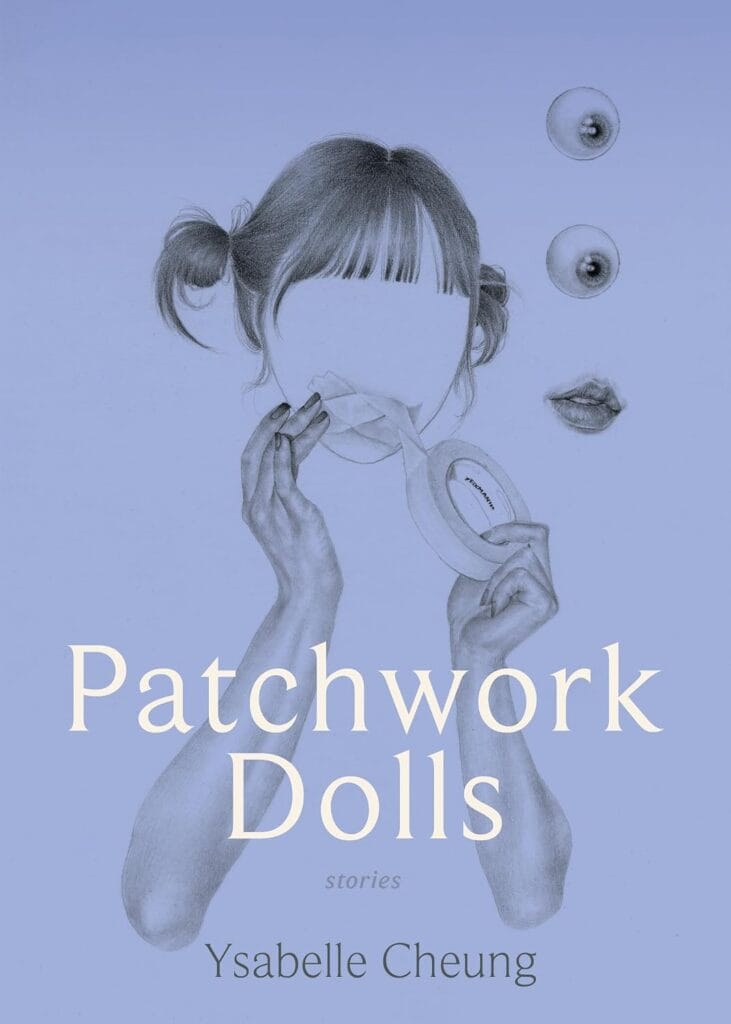
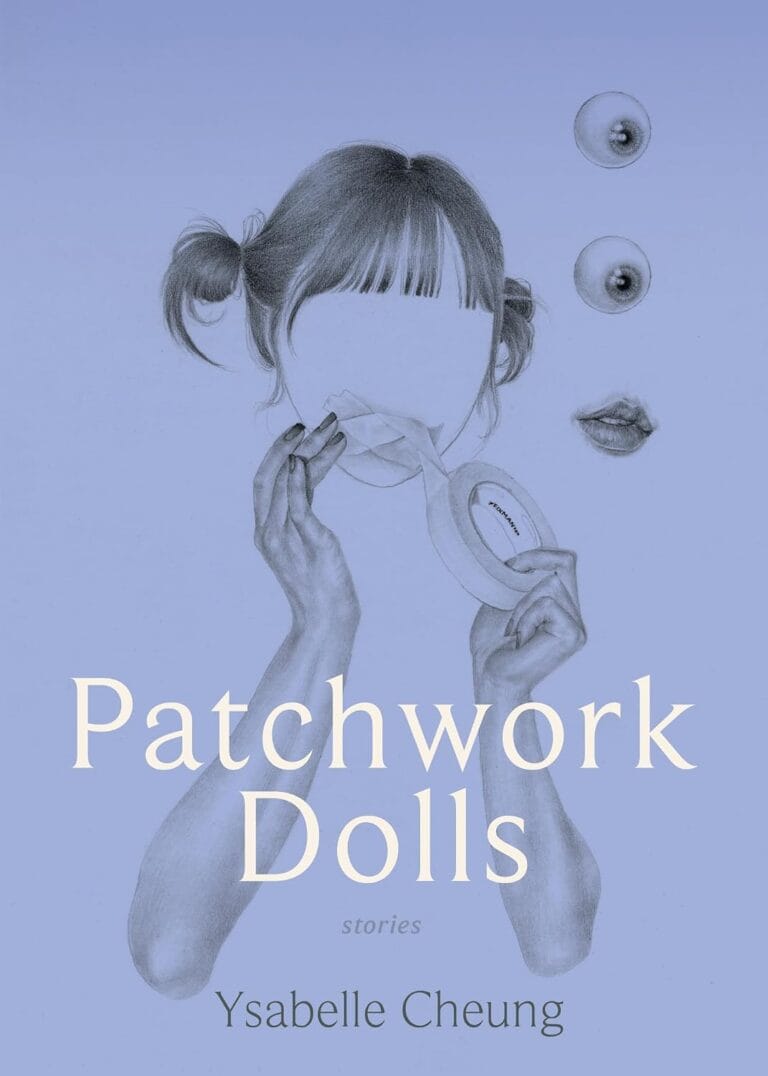
“Patchwork Dolls” by Ysabelle Cheung
In the title story of Ysabelle Cheung’s debut story collection Patchwork Dolls, the narrator Sophia and her childhood friends sell…
“Kiki and the New Magic” by Eiko Kadono
The young witch Kiki, protagonist of Eiko Kadano’s beloved Kiki’s Delivery Service, is now fourteen years old. After a quick…


“The Girl With The Seven Lives” by Vikas Swarup
This review was originally posted in August 2024 and has been re-posted for its US release. Vikas Swarup is interested in narrative spectacle. His famous novel, Q & A, was adapted into the Oscar-winning film Slumdog Millionaire, which enthralled a primarily Western audience who had never seen the filth and grit of Mumbai slum life…

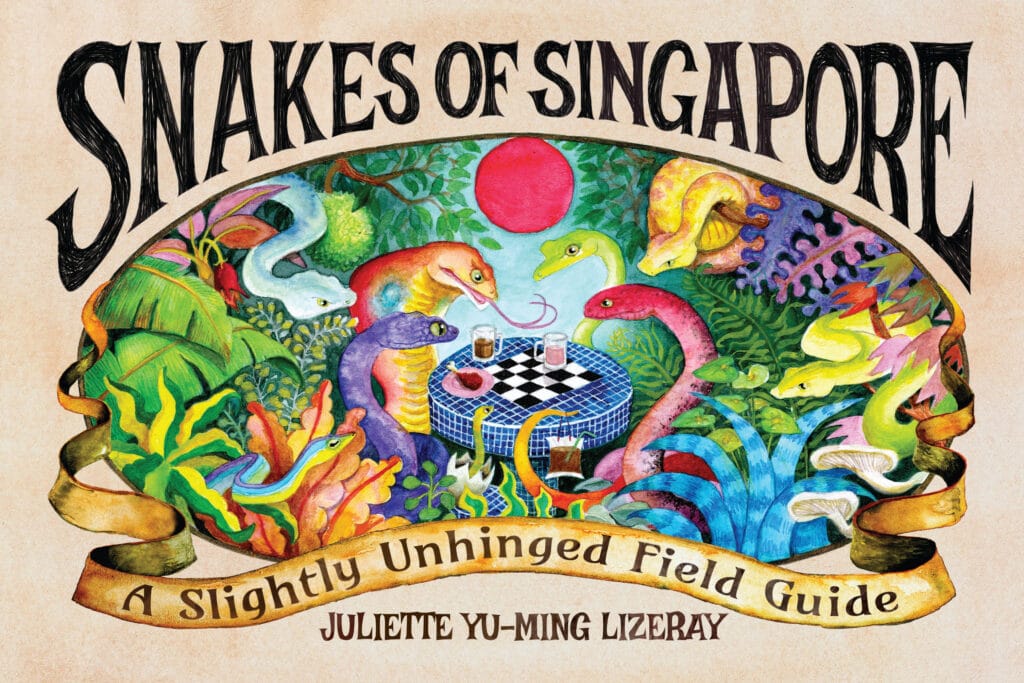
“Snakes of Singapore: A Slightly Unhinged Field Guide” by Juliette Yu-Ming Lizeray
Meet Singapore’s strangest inhabitants. The snake that cartwheels. The snake that clones itself. The snake that flies through the air. Snakes are everywhere in Singapore, gliding through mangroves, sunning on…
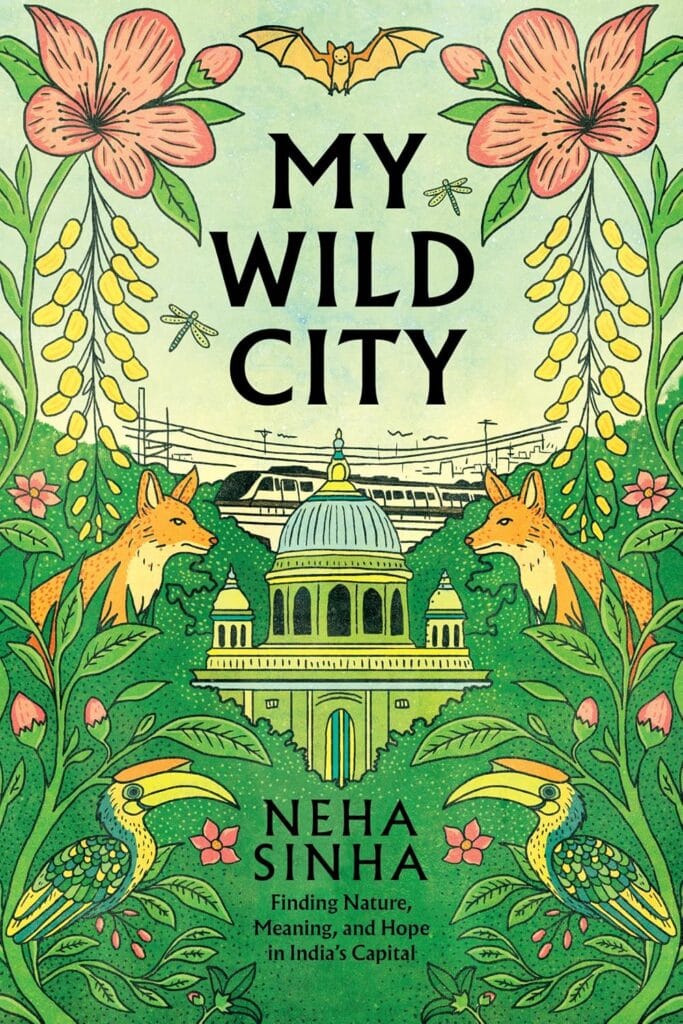
“My Wild City: Finding Nature, Meaning, and Hope in India’s Capital” by Neha Sinha
In My Wild City, acclaimed nature writer Neha Sinha takes us on an unforgettable journey through the hidden wildernesses of the bustling metropolis of Delhi, India, where she finds as…
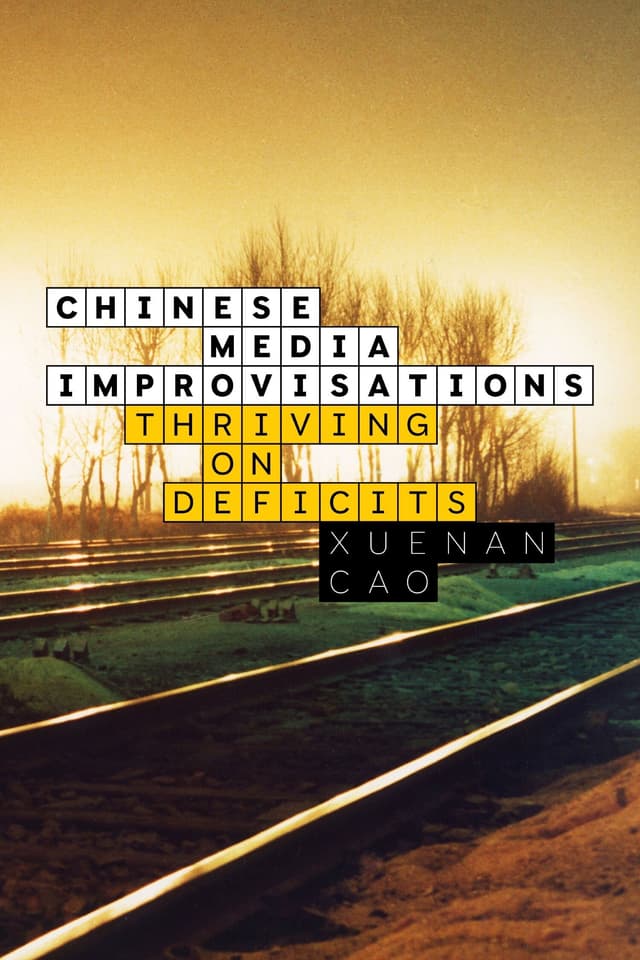
“Chinese Media Improvisations” by Xuenan Cao
Xuenan Cao offers an unexpected angle on China’s technological rise, spotlighting the role of deficit-driven improvisation. As Cao demonstrates, where printing paper, computers, and microchips have been in shortage, media…
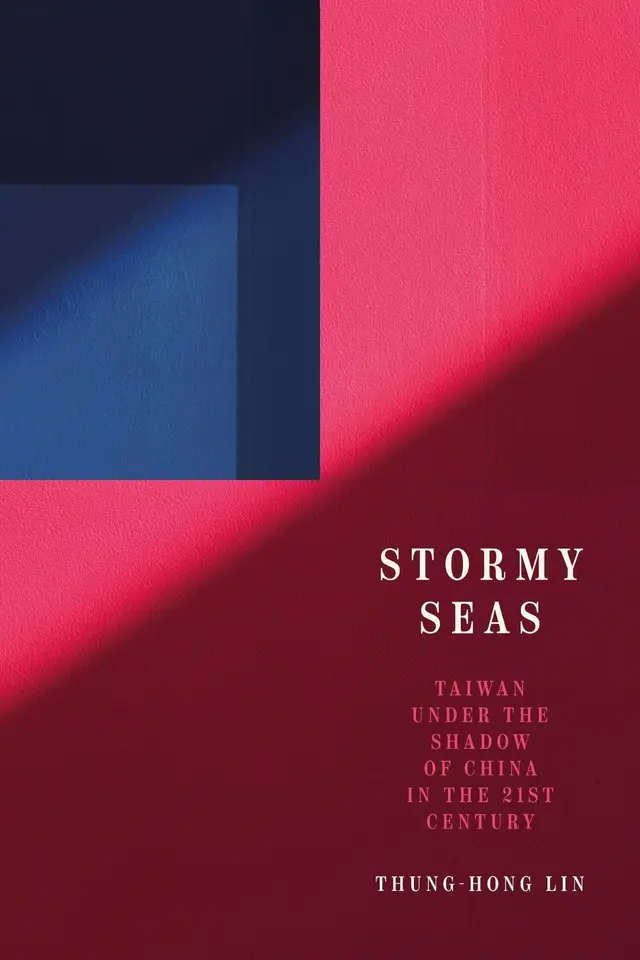
“Stormy Seas” by Thung-Hong Lin
How can a small democracy resist the influence of a powerful authoritarian neighbor? Taiwan is frequently praised for its successful economic development and peaceful transition to democracy, serving as a…

You must be logged in to post a comment.