“Salt Upon the Water” by Lyn Dickens
When Clarissa FitzRoy arrives on South Australia’s Kangaroo Island in October 1836, the heiress is met with the salty spray of the ocean.

Although Razia Sajjad Zaheer’s collection Darkness and Other Stories was written following India’s partition in 1947, it simmers with relevance today. Women still confront misogyny and sexism. They continue to be judged for their choices—sometimes by their own kind—and must often accept a lower social status.

Our Madhopur Home is a multigenerational family saga narrated through an unusual and carefully balanced set of perspectives, most strikingly that of Laura, the family’s Labrador who observes: “this is not just my tale but also a narrative of bonds and relationships on a broad canvas,” and that the story of the Madhopur home is…

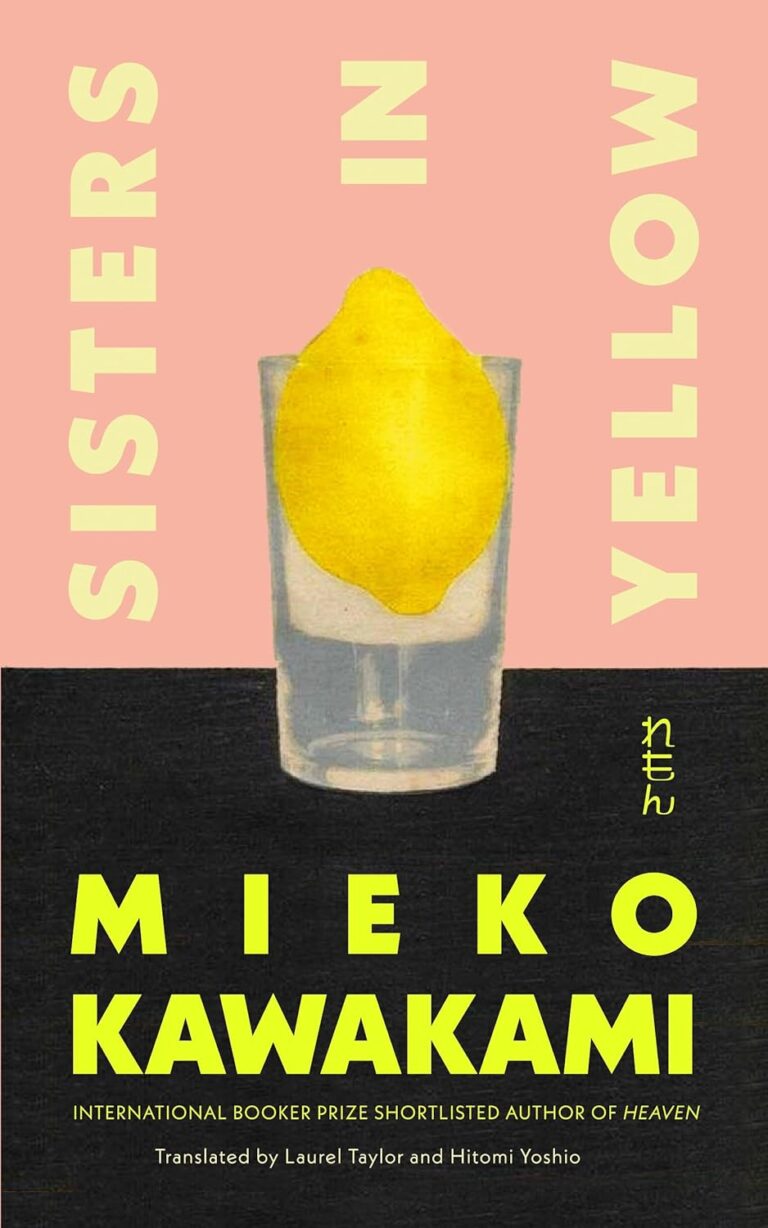
In Tokyo’s Himonya district lives Kaede’s grandfather, a former school principal with a love of mystery novels that he has passed down to his granddaughter.

Elisa Shua Dusapin’s debut novel, Winter in Sokcho, won a National Book Award, among others. It was set in South Korea, while her next two novels were respectively set in Japan and Russia. Of Franco-Swiss and Korean heritage, Dusapin has crafted her fourth and most recent novel, The Old Fire, as a homecoming of sorts:…

Genpei Akasegawa (whose given name was Katsuhiko Akasegawa) was already famous as Neo-Dadaist artist when he began writing under the name of Katsuhiko Otsuji, and he soon proved himself able to work fruitfully in both domains, earning numerous awards. I Guess All We Have Is Freedom, beautifully translated by Matt Fargo, brings together five of…

“The story here,” Indian Dalit author Kalyani Thakur Charal writes in the introduction to Andhar Bil, “centres round my village, my childhood, my beloved Andhar Bil which has a close, intimate relationship not only with me but also with numerous boys and girls of my village.” Drawing on her lived experience of loss, uprooting, and…

With A Guardian and a Thief, Megha Majumdar seems to avoid the dreaded “sophomore slump”. Her well-received debut, A Burning, published during the first year of the pandemic, was nominated for a National Book Award. Her second had done even better: a finalist (among other acclaim) in the National Book Awards this year. The novel…

Rika Hourachi has an unusual talent. She’s fluent in conversational Latin. It makes her the perfect hire for an odd position at a nearby museum. The staff needs someone to keep one of their marble statues company. The first century Roman copy of a Greek statue of Aphrodite is lonely. After all, all the other…

Awarded Japan’s Yomiuri Prize for Literature, The Summer House is Masashi Matsuie’s debut novel. Also published as Summer at Mount Asama, the 2012 work reaches English readers through Margaret Mitsutani’s expert translation. Matsuie constructs the story just as his character Sensei, architect Shunsuke Murai designs buildings: with deceptive ease, creating spaces that beckon people to…

Indian epics seem to have an endless supply of characters for those who wish to retell the narrative from different angles. In Bhima’s Wife, Kavita Kané keeps Hidimbi at the centre to show the Great War unfolding that brings death and destruction to everyone.
Studio Ghibli’s 1988 film Grave of the Fireflies has been described as the greatest film someone will only watch once. Deeply emotional, director Isao Takahata’s tale of two Japanese war orphans struggling and failing to survive in the closing days of World War II is almost too painful to bear. But the story isn’t Takahata’s—Grave…

The Shimabara Rebellion of 1637-38 has long been a shadowy footnote in Japanese history: an uprising of poor farmers and hidden Christians, crushed with such ferocity that 37,000 men, women, and children were slaughtered at Hara Castle. In most textbooks it garners a brief mention, a prelude to the closing of Japan, when the Tokugawa…
In her 1944 essay “Writing of One’s Own”, Eileen Chang wrote “I do not like heroics. I like tragedy and, even better, desolation”. Twenty-one years earlier, in his speech “What happens after Nora leaves home?”, discussing the ending of Ibsen’s A Doll’s House, Lu Xun raised the awkward question of what will become of a…

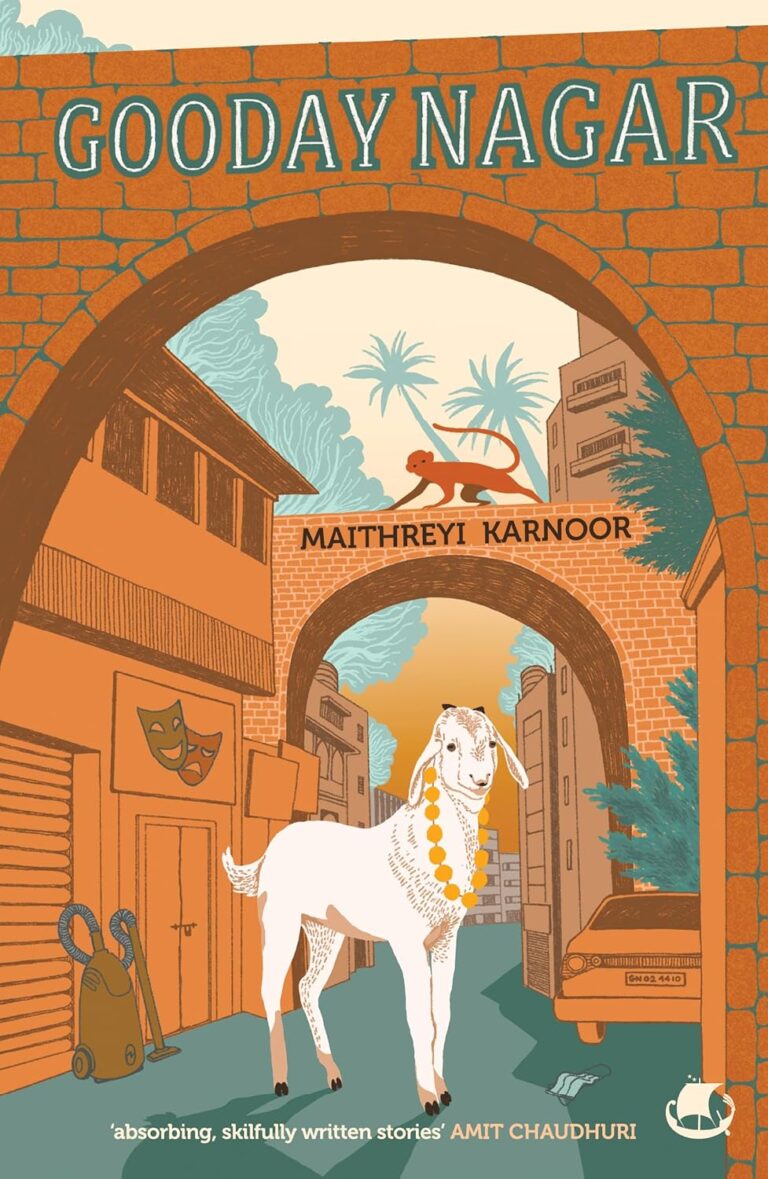
I was born in Bombay and lived there, not far from the Gateway of India, for the first sixteen years of my life. I left the city by the bay soon after turning sixteen. When I returned decades later, I barely recognised it. The city and I had both gone through dramatic changes in the…