
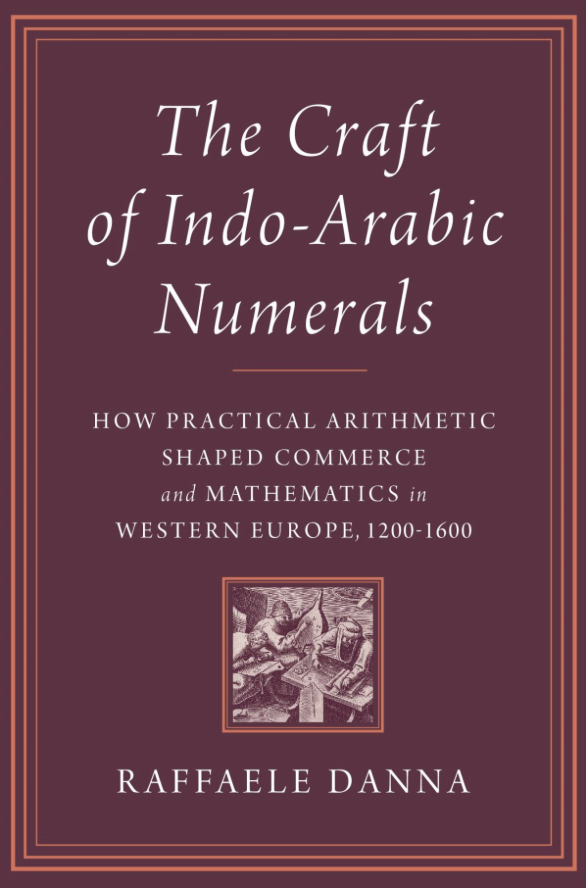
“The Craft of Indo-Arabic Numerals: How Practical Arithmetic Shaped Commerce and Mathematics in Western Europe, 1200-1600” by Raffaele Danna
There is, despite the title, very little that is Asian in Raffaele Danna’s new The Craft of Indo-Arabic Numerals. The subtitle—How Practical Arithmetic Shaped Commerce and Mathematics in Western Europe, 1200-1600—tells it all. However, the numerals themselves—concepts of great intellectual depth and practical value—came to the West from the Arabs, and originated in India (hence…

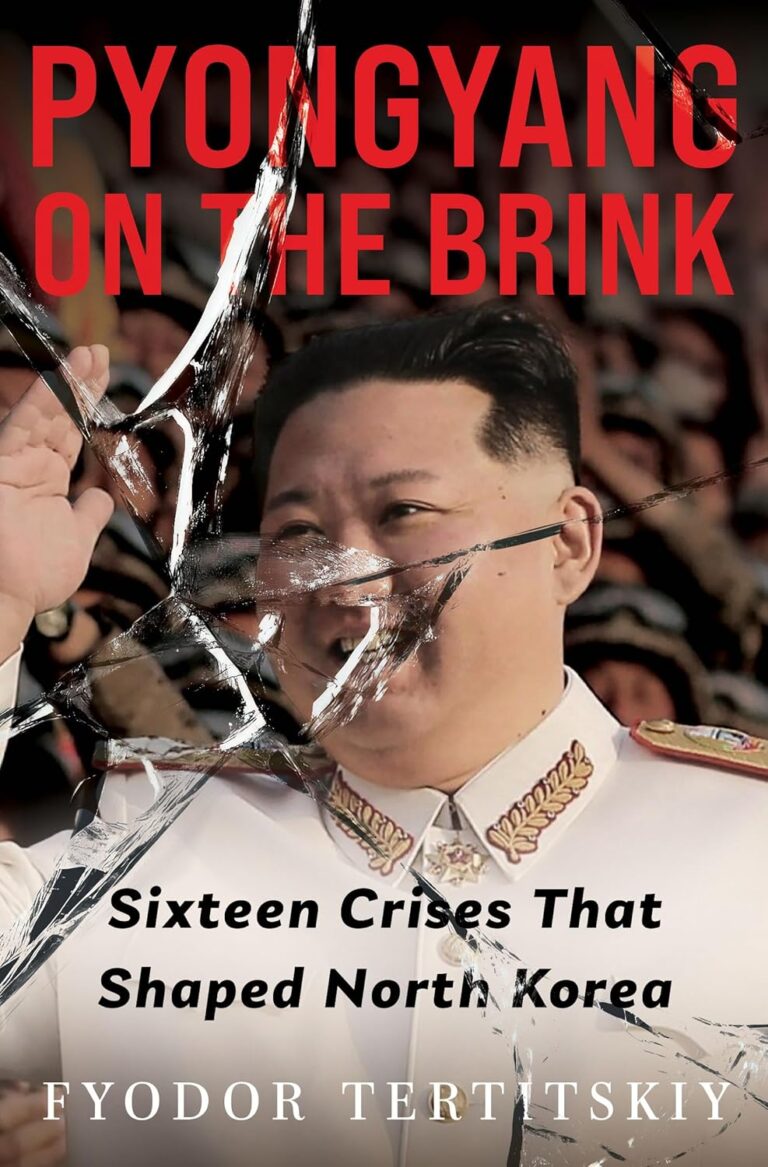
“Pyongyang on the Brink: Sixteen Crises That Shaped North Korea” by Fyodor Tertitskiy
Sequels seldom seem as good as the works from which they spring. Many seem to repeat the originals, simply going…
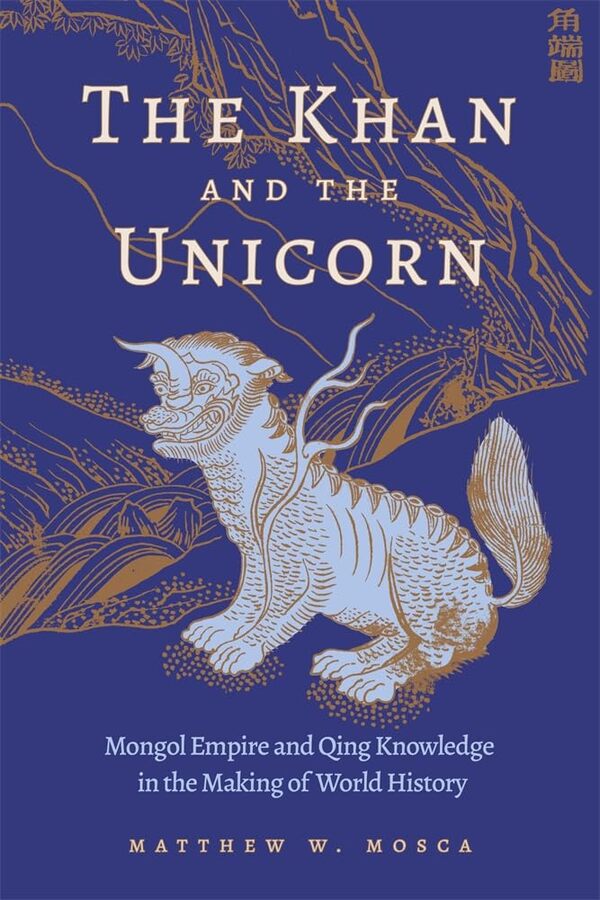
“The Khan and the Unicorn: Mongol Empire and Qing Knowledge in the Making of World History” by Matthew V Mosca
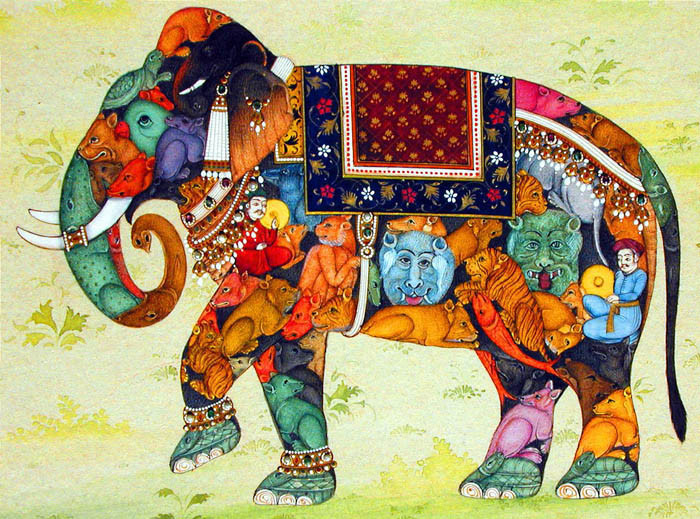
Leading the vanguard of his armies across India, Genghis Khan suddenly encountered an uncanny animal, blue‑green in colour, with the…

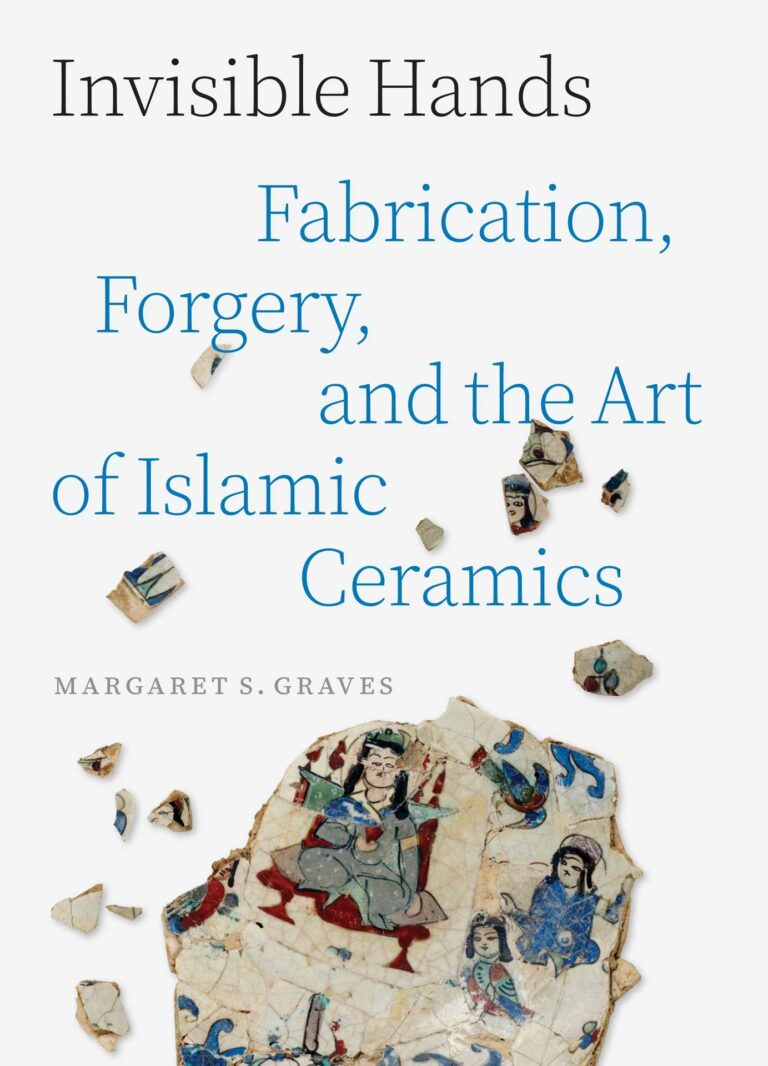
“Invisible Hands: Fabrication, Forgery, and the Art of Islamic Ceramics” by Margaret S Graves
It normally makes a great difference to art “history” if a given object is authentic or fabricated. And yet, the…
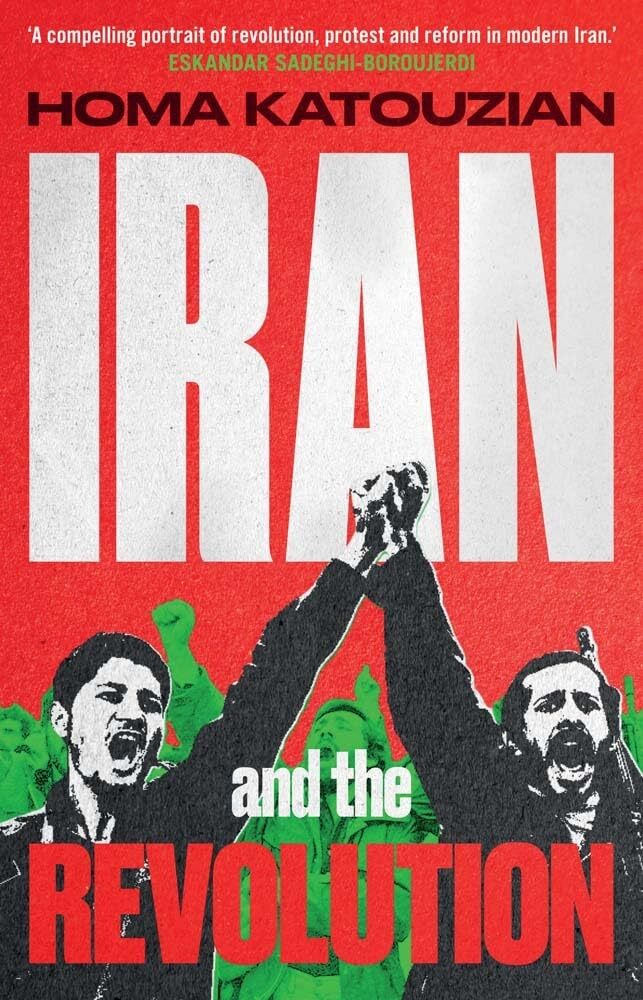
“Iran and the Revolution: A History” by Homa Katouzian
With the US-Israeli war against Iran into its second month, the publication of Homa Katouzian’s history of the 1979 Iranian…

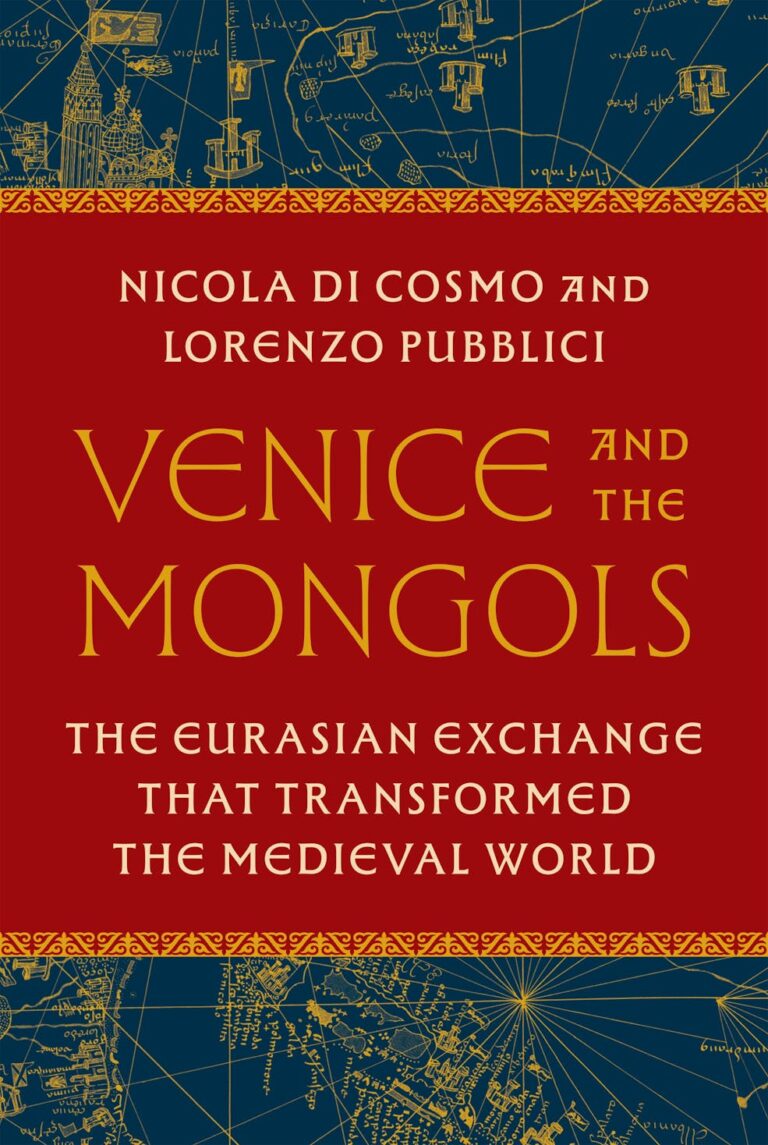
“Venice and the Mongols: The Eurasian Exchange That Transformed the Medieval World” by Nicola Di Cosmo and Lorenzo Pubblici
Those hoping that a book called Venice and the Mongols would be a deep-dive into everything Marco Polo will be disappointed, for that most celebrated of Venetians warrants only a single chapter. Authors Nicola Di Cosmo and Lorenzo Pubblici focus rather more on Venice’s forays—commercial and territorial—into the Black Sea, where they ran up against…

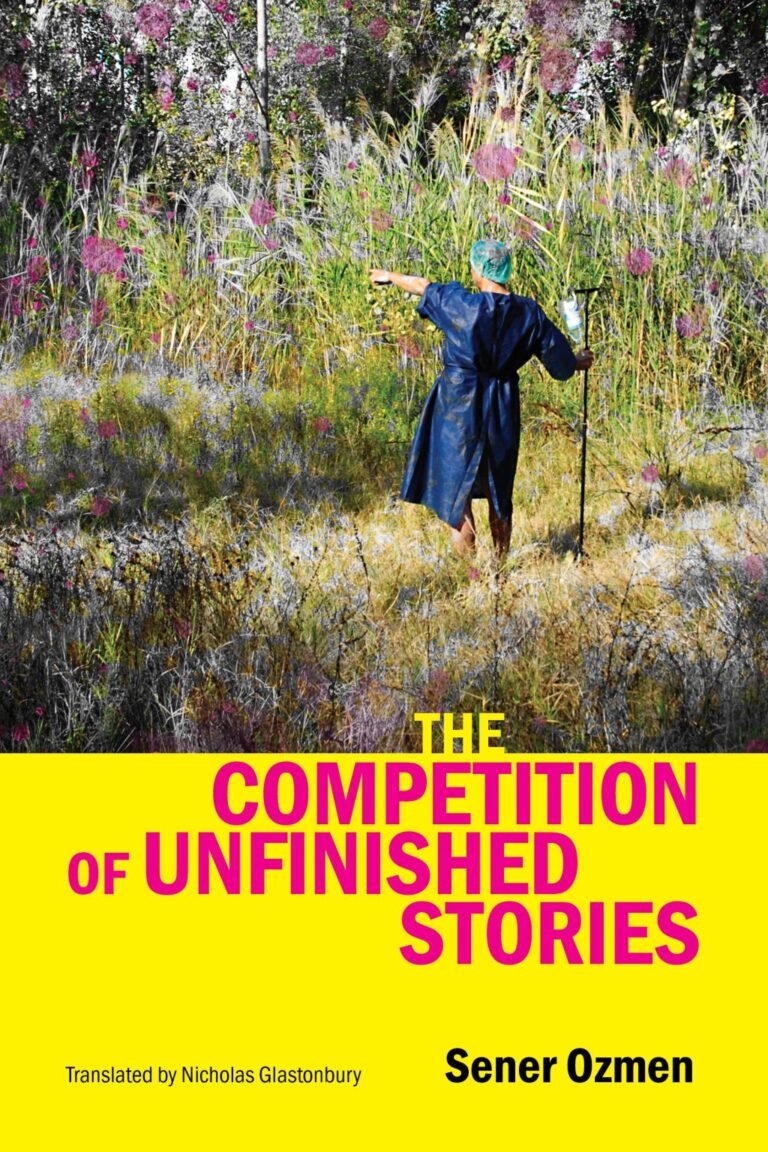
“The Competition of Unfinished Stories” by Sener Ozmen
Sertac Karan, a Turkish-Kurd and the protagonist of this absurdist black comedy, is a would-be writer who is alienated from society and much given to procrastination. From childhood, his exorbitant imagination shines at creating outlandish characters, which, when he is an adult, will become actual delusions, as his fantasies invade and undermine conventional reality. First…

“The Dog Meows, the Cat Barks” by Eka Kurniawan
Eka Kurniawan’s The Dog Meows, the Cat Barks follows the coming of age of Sato Reang, a mischievous boy growing up…
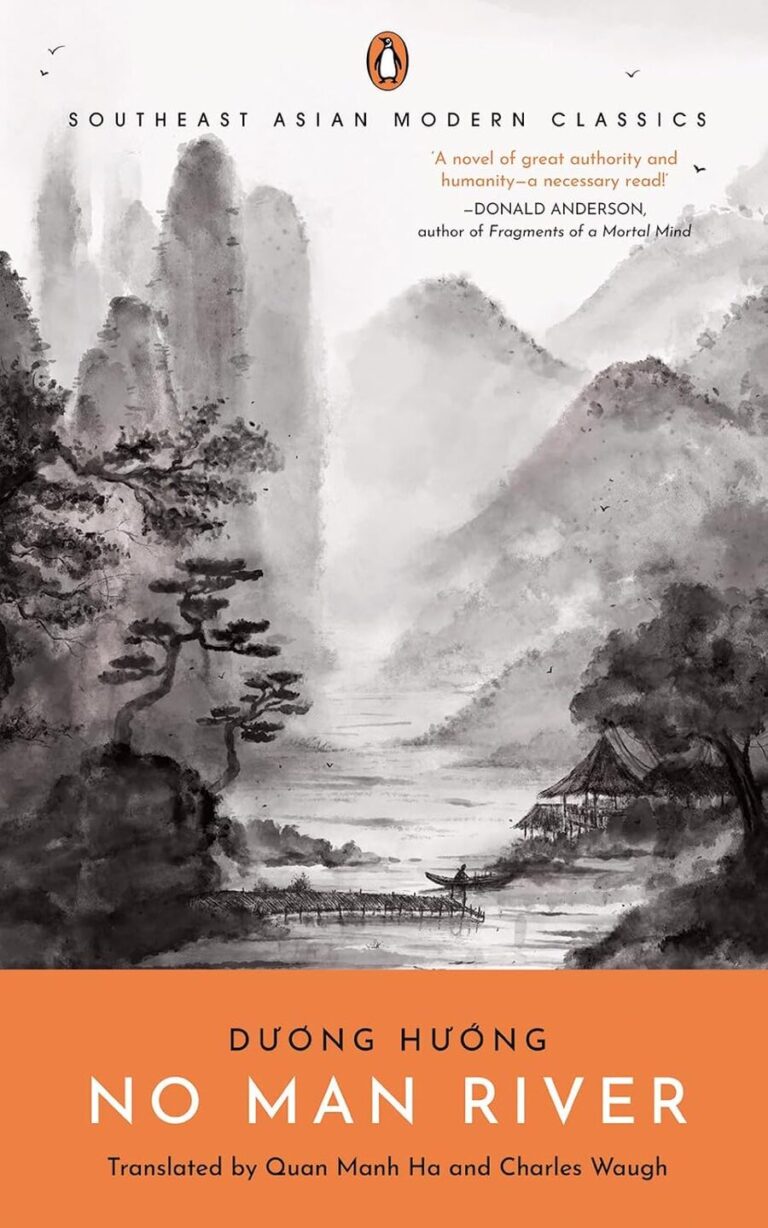
“No Man River” by Dương Hướng
War, in No Man River, is an endless affair. Sprawling from the 1950s to the 1970s, the novel follows a close-knit…


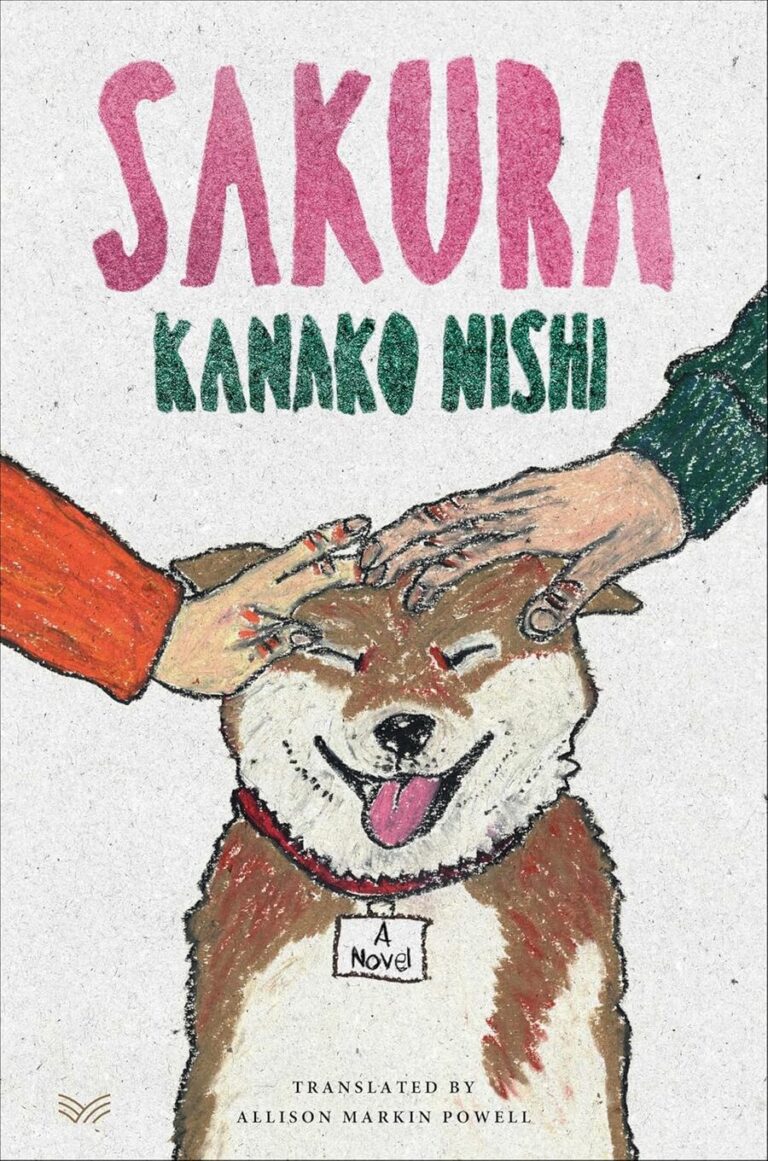
“Sakura” by Kanako Nishi
The Osaka-based Hasegawas used to be a model family—happily married, two sons, a daughter, and a dog. But when the…
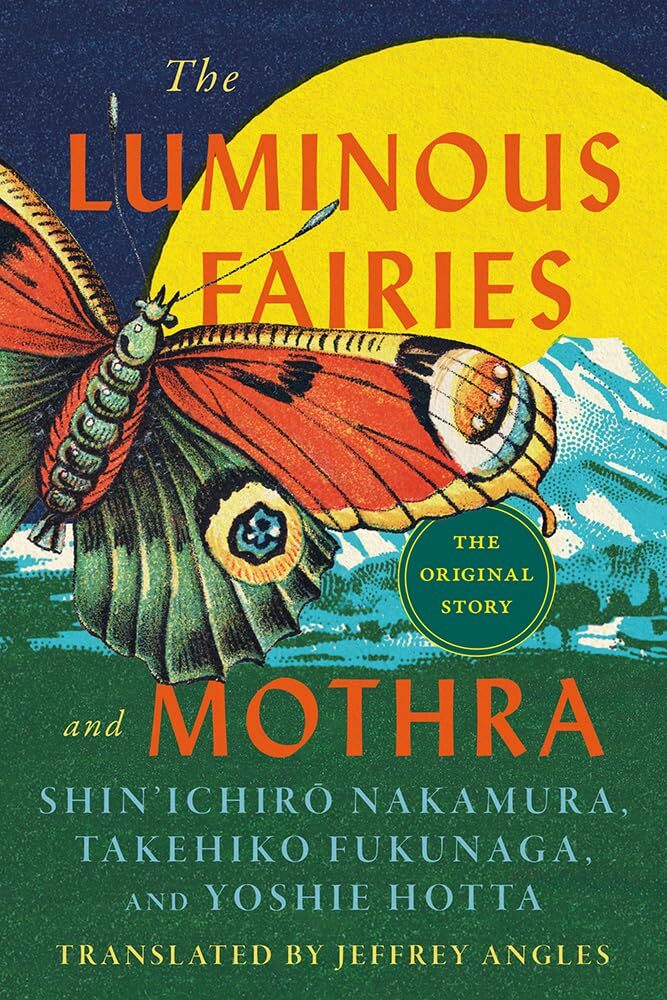
“The Luminous Fairies and Mothra” by Takehiko Fukunaga, Yoshie Hotta & Shin’ichiro Nakamura
In 2023, University of Minnesota Press released a translation of Godzilla and Godzilla Raids Again. The two novellas (published as…

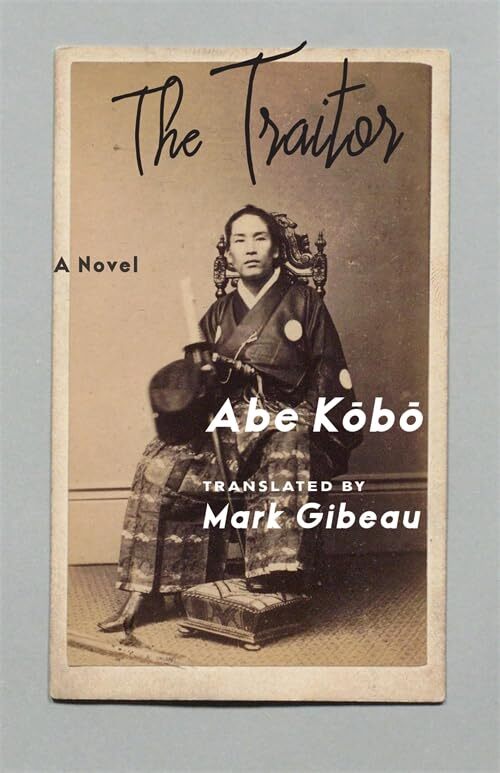
“The Traitor” by Kobo Abe
Originally published in Japan in 1964, and now translated for the first time into English, Kobo Abe’s The Traitor starts with a writer’s visit to a country town of Akkeshi. There he learns from an innkeeper, Fukuchi, the story of three hundred convicts who escaped into Hokkaido after the end of the brief Boshin War,…
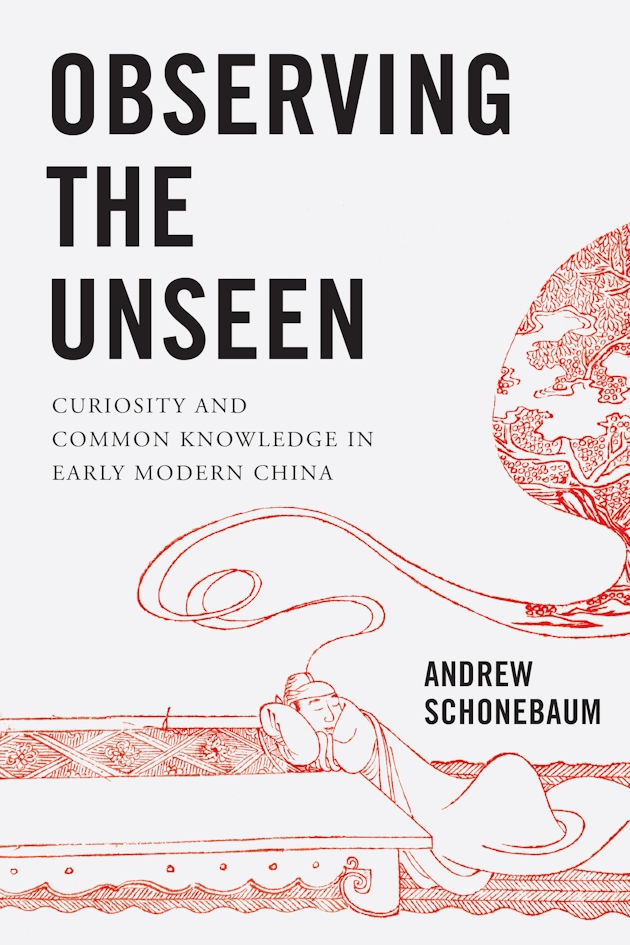
“Observing the Unseen: Curiosity and Common Knowledge in Early Modern China” by Andrew Schonebaum
Observing the Unseen explores how literate and marginally literate people in China between the sixteenth and nineteenth centuries investigated the invisible, the ubiquitous, and the inexplicable. Whether through medical encyclopedias, daily-use…
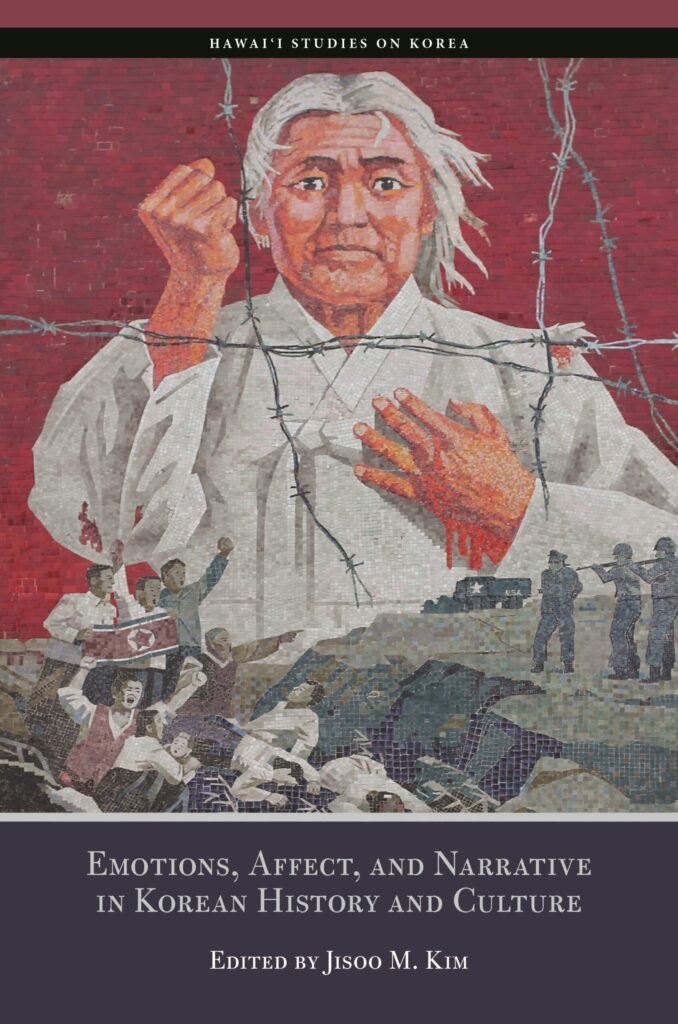
“Emotions, Affect, and Narrative in Korean History and Culture”, edited by Jisoo M Kim
This collection of eleven essays explores emotions and affect in Korean culture across a broad temporal span, from the Koryŏ dynasty (918–1392) to the present. Drawing on a diverse array…
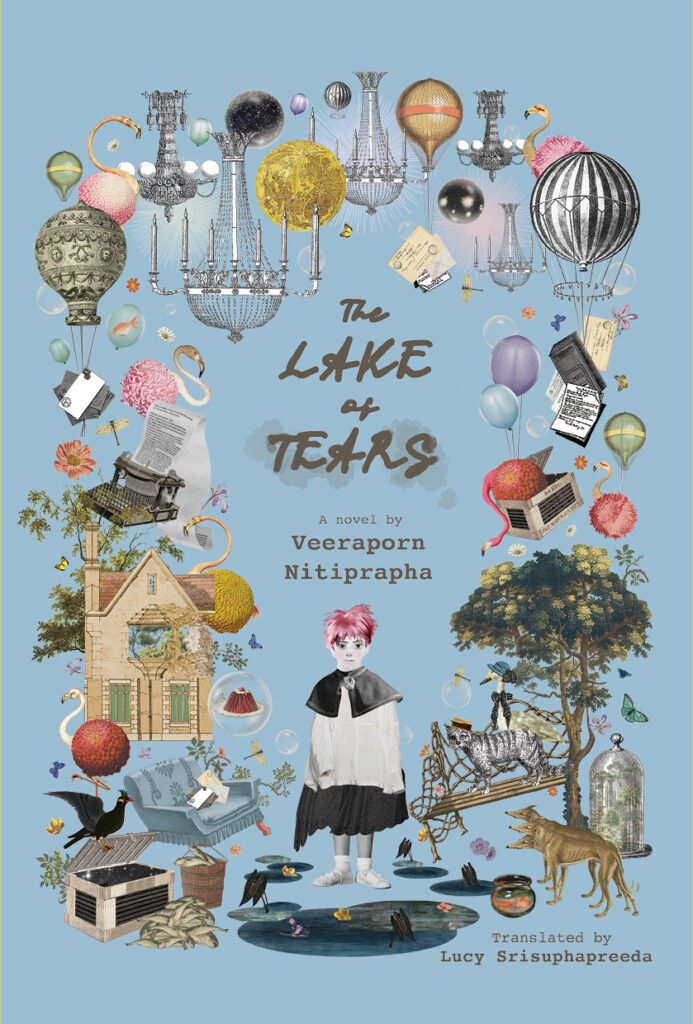
“The Lake of Tears” by Veeraporn Nitiprapha
The Lake of Tears is Veeraporn’s third novel, following The Blind Earthworm in the Labyrinth and Memories of the Memories of the Black Rose Cat. Unlike those novels, it is…

“The Memory Tree” (Series) by Veena Naravane
The author, a former president of Army Women’s Welfare Association in India, explores the layered nature of grief in military families, especially for children, through The Memory Tree, a three-book…
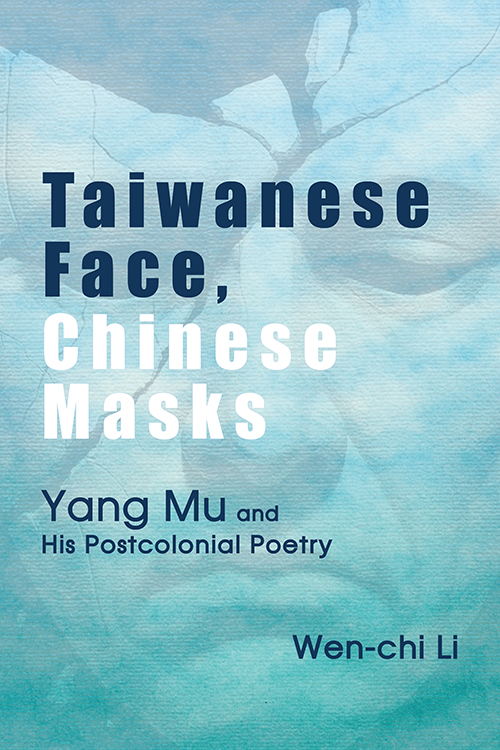
“Taiwanese Face, Chinese Masks: Yang Mu and His Postcolonial Poetry” by Wen-chi Li
This groundbreaking study examines the poetry of Yang Mu, a pivotal Taiwanese writer who used Chinese literary forms to challenge Sinocentric narratives during Taiwan’s White Terror and democratization. Drawing on…
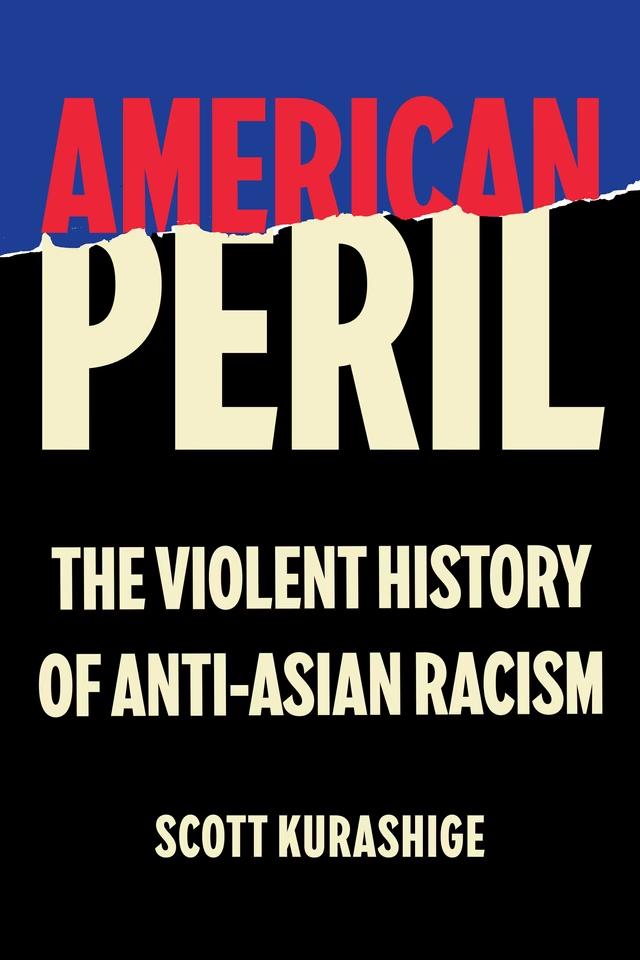
“American Peril: The Violent History of Anti-Asian Racism” by Scott Kurashige
During the COVID-19 pandemic, racist demagoguery fomented a campaign of terror against Asian Americans. But these attacks were part of a much longer pattern that made anti-Asian racism integral to…
You must be logged in to post a comment.