What’s new
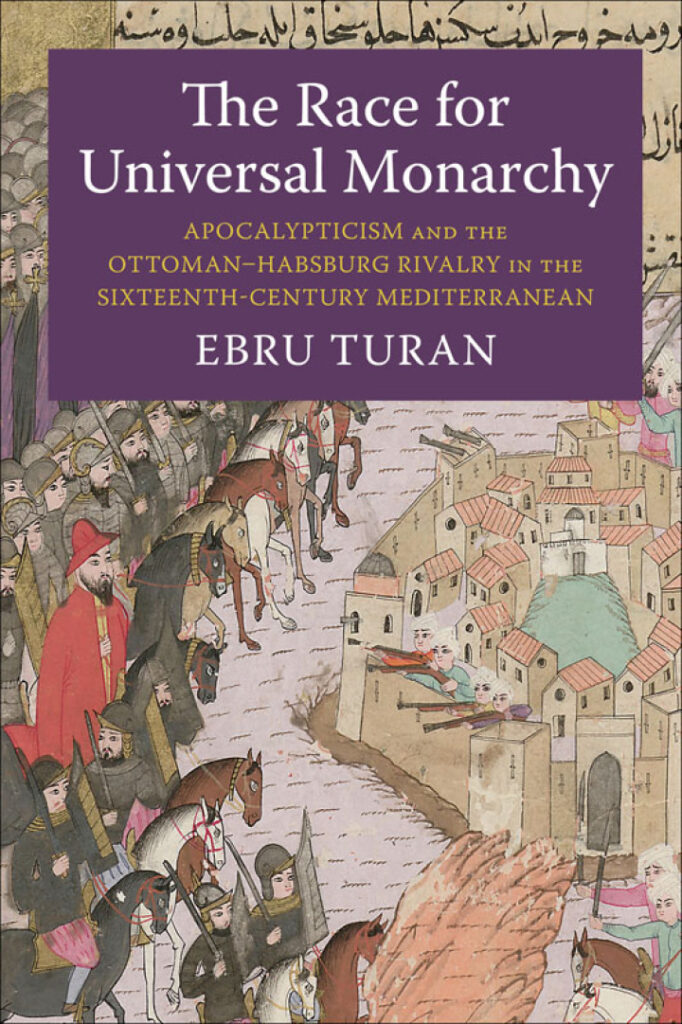


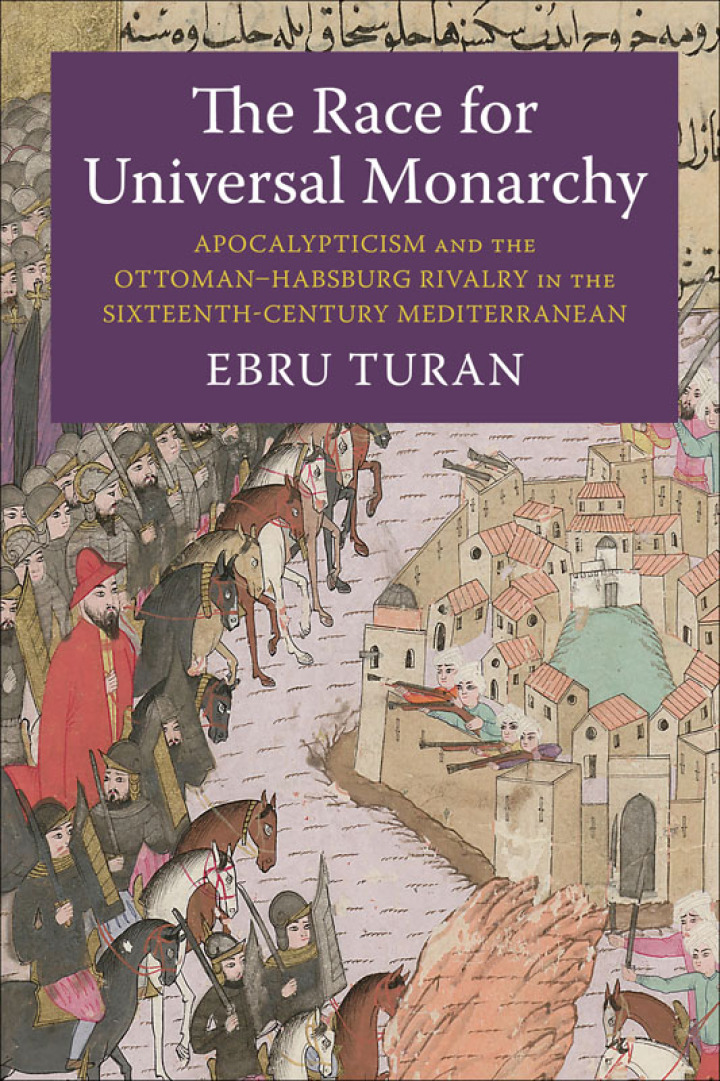
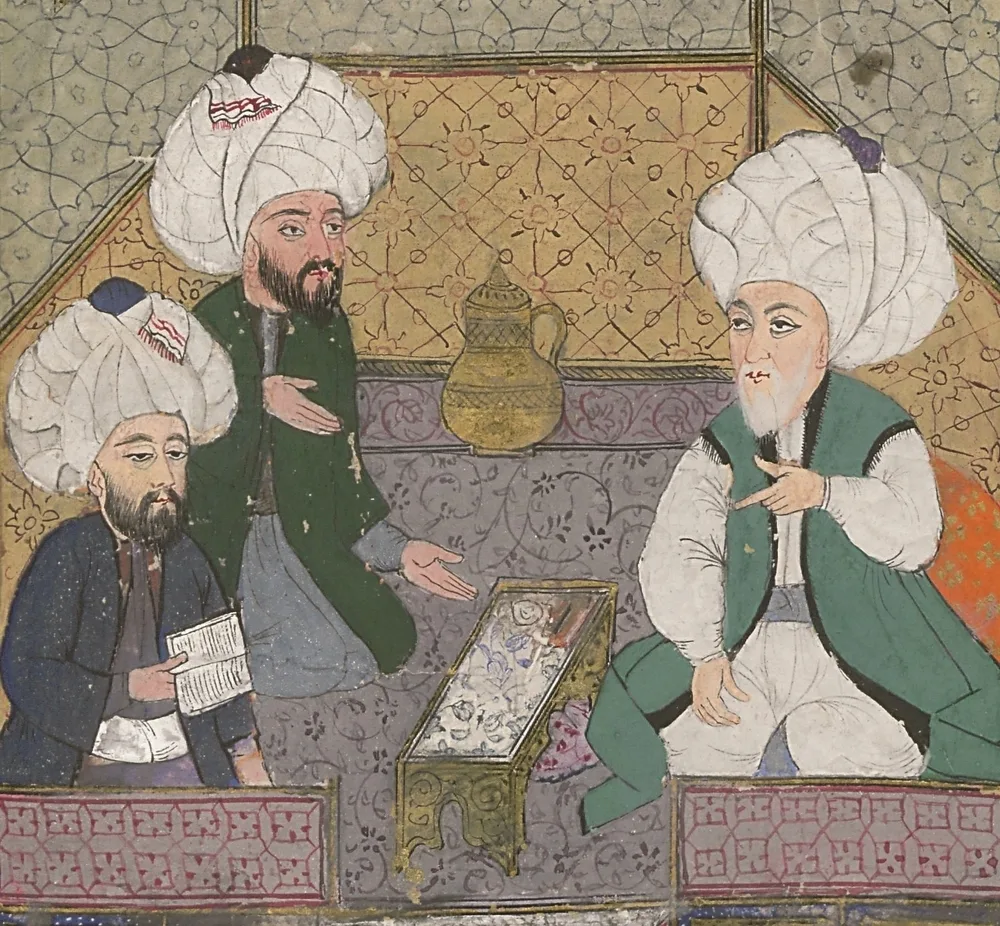
“The Race for Universal Monarchy: Apocalypticism and the Ottoman–Habsburg Rivalry in the Sixteenth-Century Mediterranean”
“The Persian learned men,” wrote Herodotus in his Histories, “say that the Phoenicians were the cause of the feud.” Historians have been trying ever since to understand the series of wars that set Europe and Asia against each other, going back to the Trojan War. In The Race for Universal Monarchy, Ebru Turan argues that,…

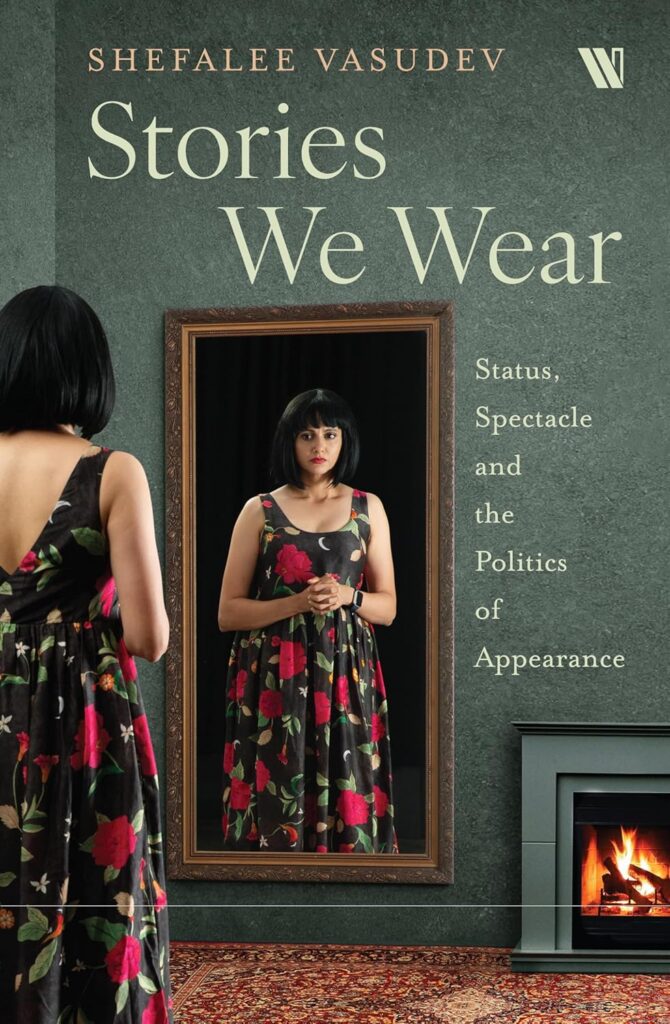
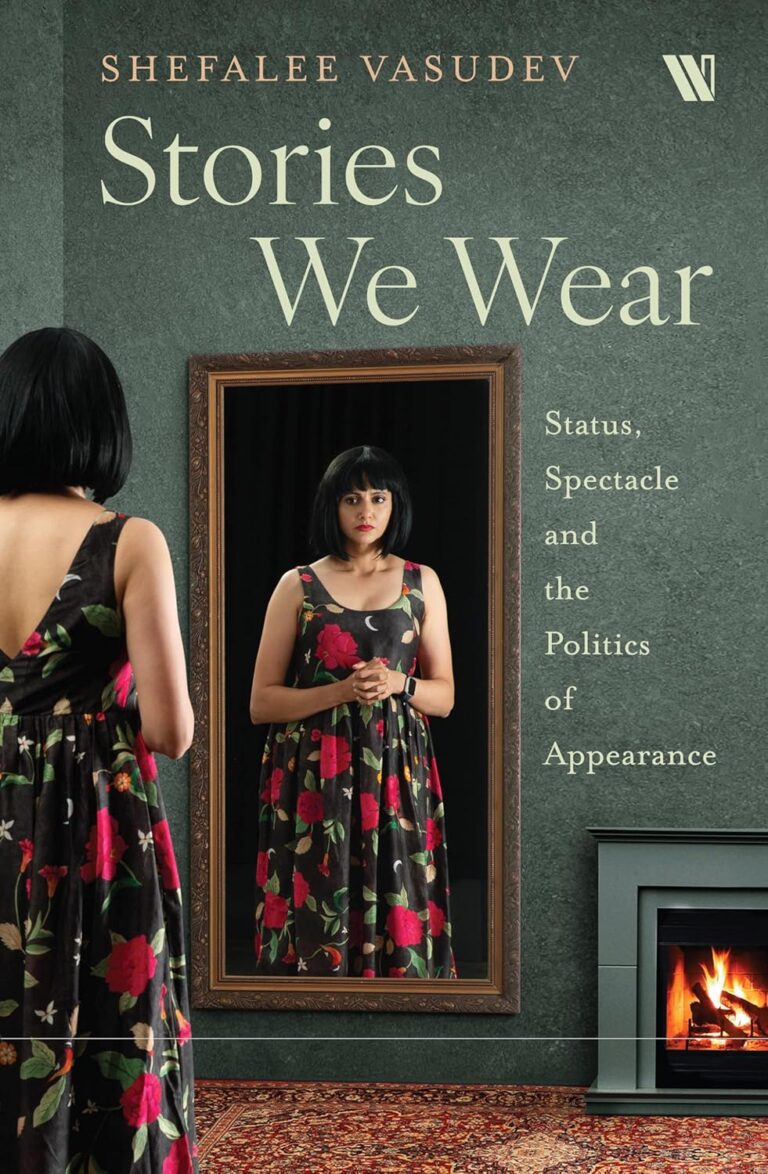
“Stories We Wear: Status, Spectacle and The Politics of Appearance” by Shefalee Vasudev
Shefalee Vasudev’s Stories We Wear unpacks the contradictions behind image and appearance in the vast and diverse land that is India….
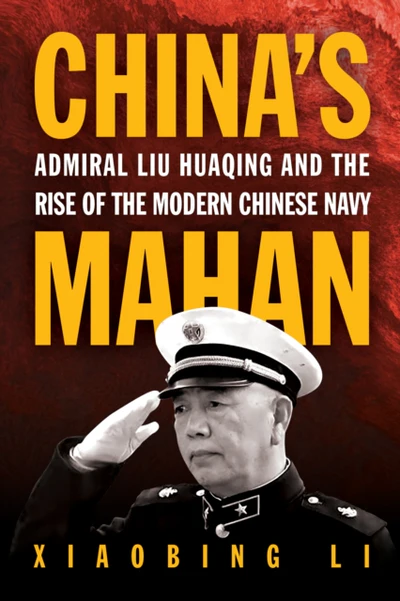
“China’s Mahan: Admiral Liu Huaqing and the Rise of the Modern Chinese Navy” by Xiaobing Li
In one sense the title of Xiaobing Li’s biography of Chinese Admiral Liu Huaqing, China’s Mahan, is somewhat misleading because…

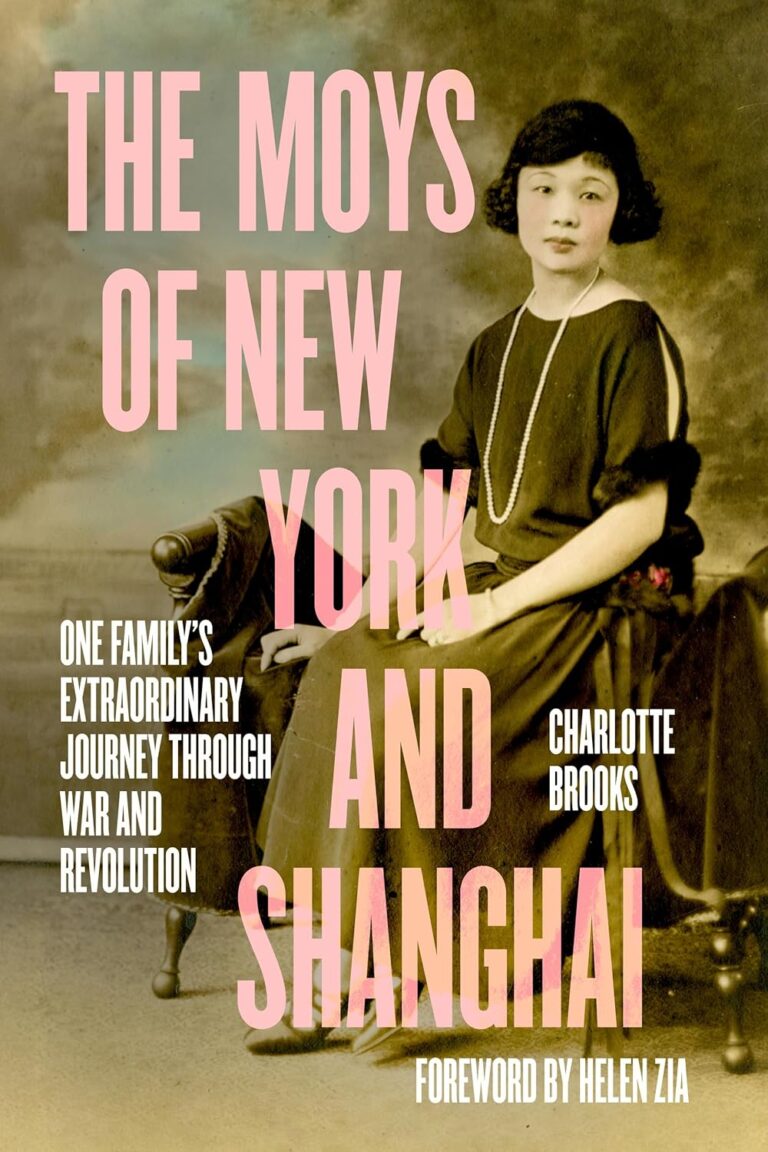
“The Moys of New York and Shanghai: One Family’s Extraordinary Journey Through War and Revolution”
In one of the cases of history not so much repeating itself as rhyming, the current trend of Chinese Americans…
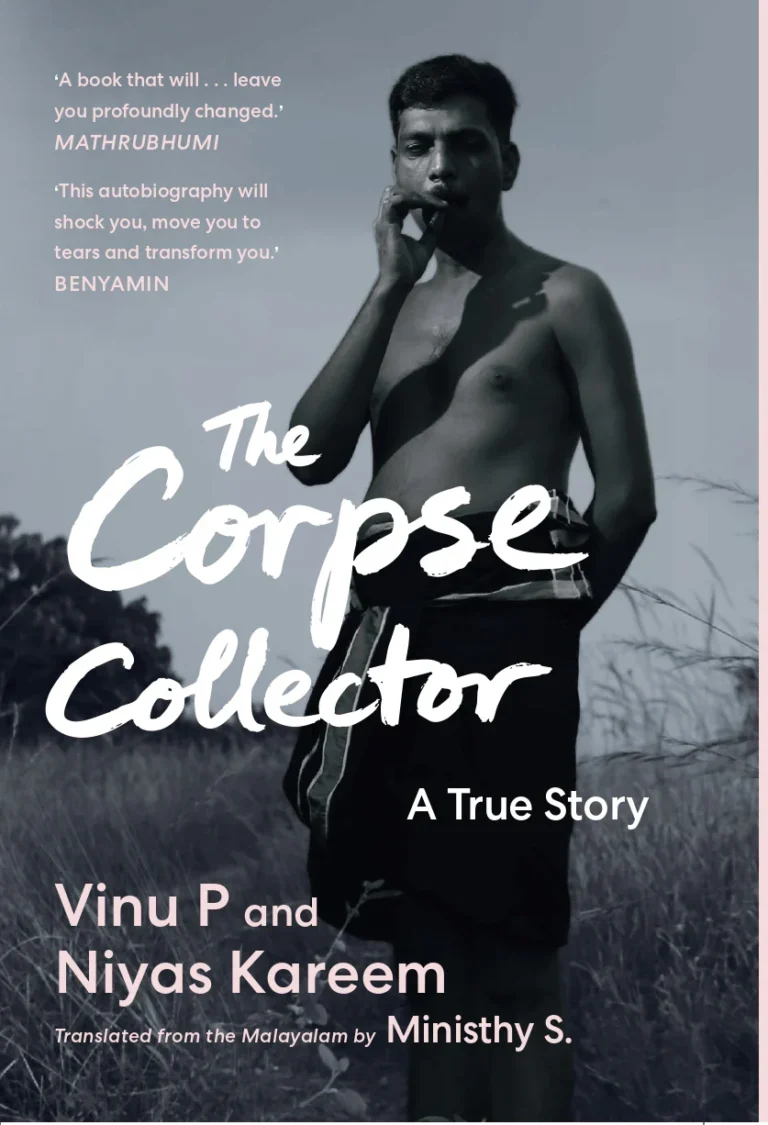
“The Corpse Collector”
Vinu P is a “corpse collector”; that is, he retrieves the bodies of those who die “unnatural” deaths—victims of accidents,…

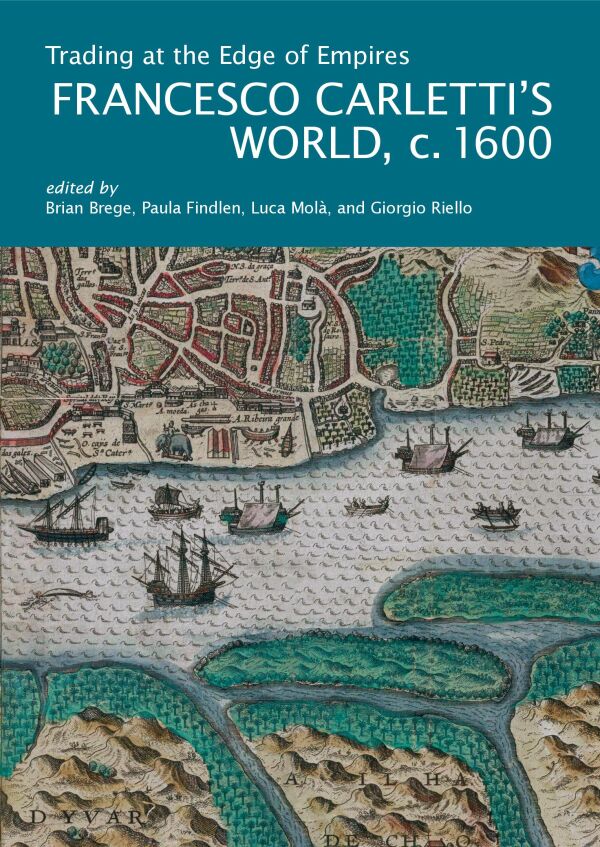
“Trading at the Edge of Empires Francesco Carletti’s World, c. 1600”
At the turn of the 17th century, Florentine Francesco Carletti left from Seville with his father Antonio for Cape Verde, where they were planning to buy slaves for resale in the Caribbean. He ended up in an almost decade-long circumnavigation of the world, the first private citizen to do so. His travels took him to…

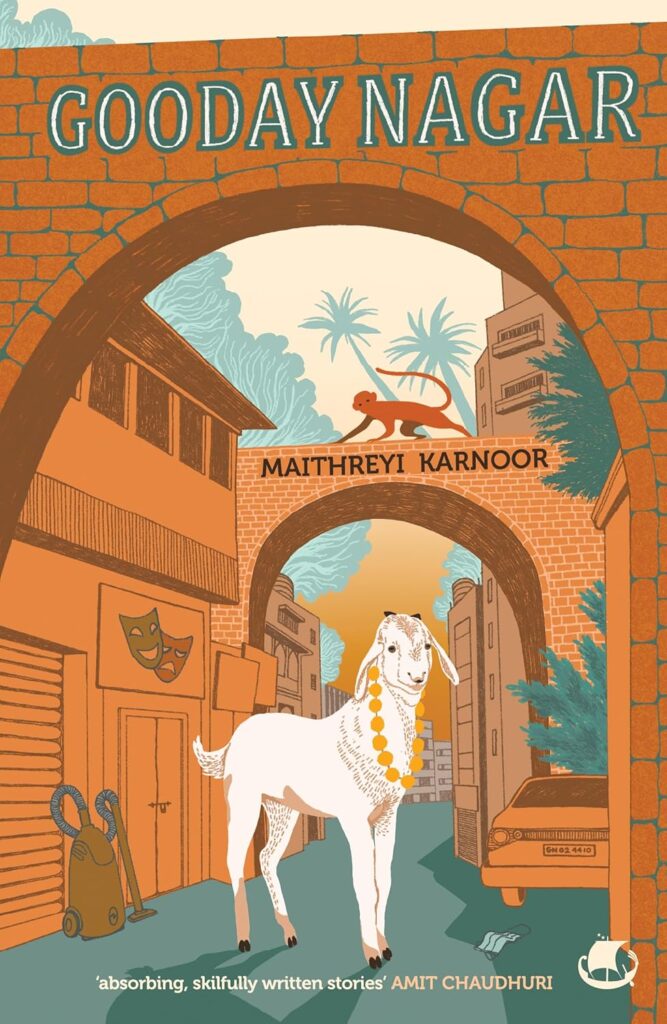
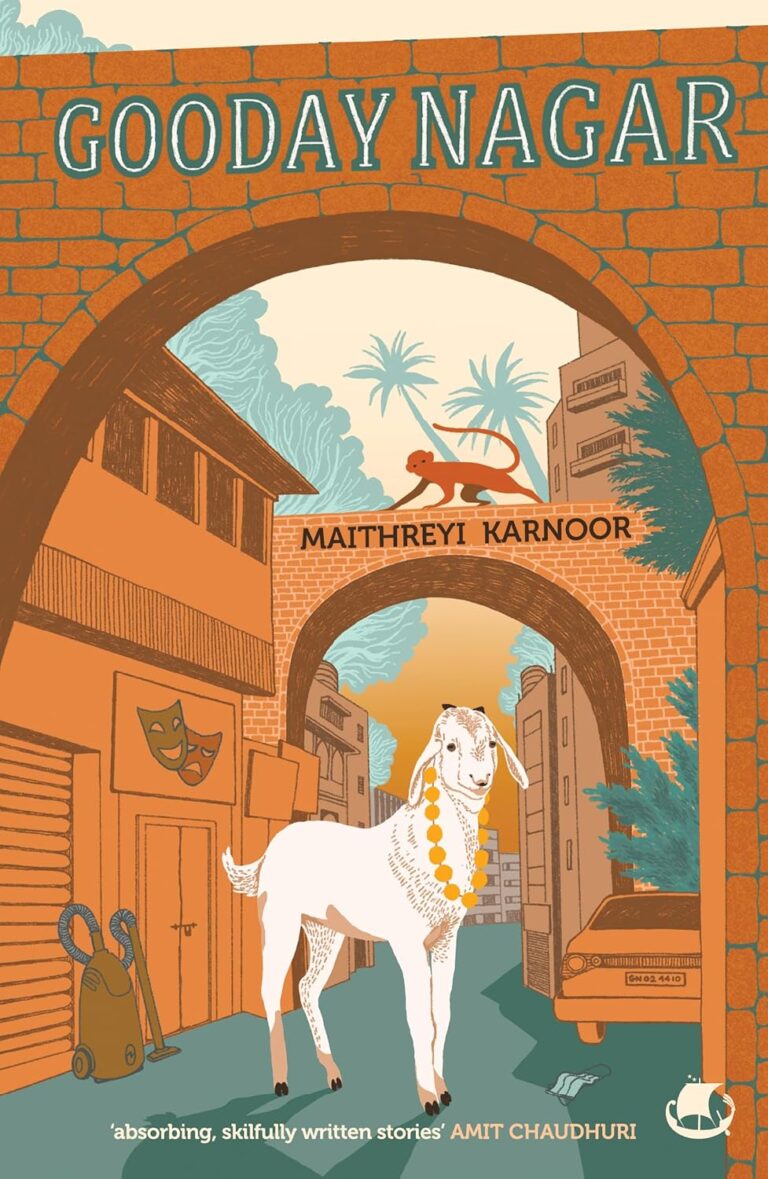
“Gooday Nagar” by Maithreyi Karnoor
Gooday Nagar is a collection of short stories about the people (or, better, “characters”) of and around the eponymous fictional Indian town. If this sounds a bit like RK Narayan’s classic Malgudi Days, that’s no accident; one of the stories even references it. As a stylist, author Maithreyi Karnoor is hard to pin down. She…

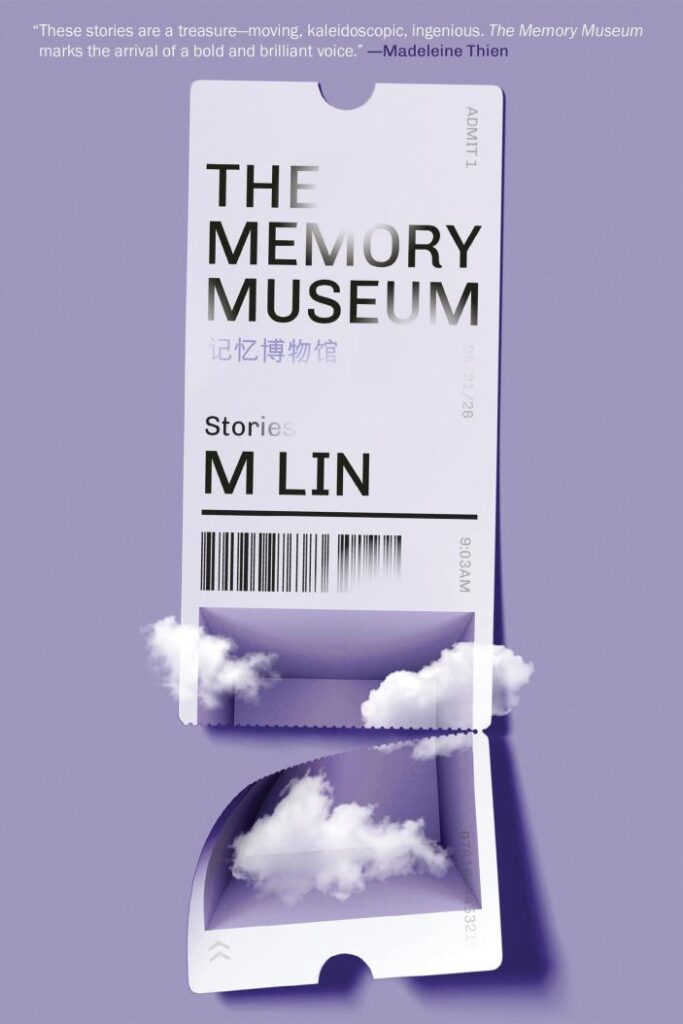
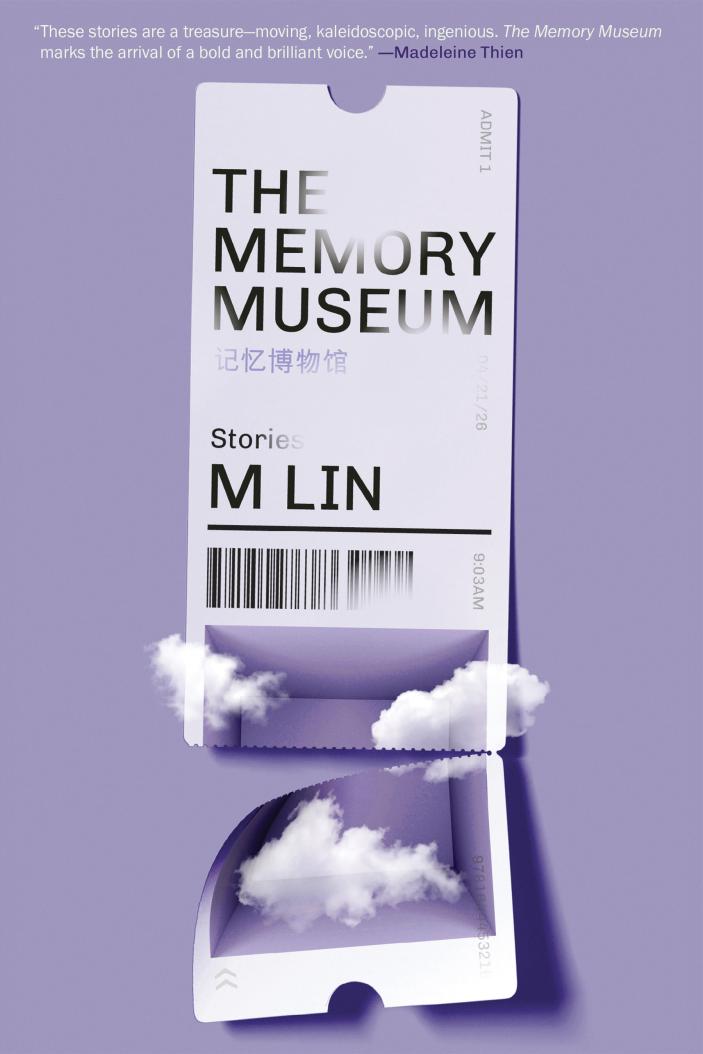
“The Memory Museum” by M Lin
In 2020, when the pandemic forced the world into lockdown, M Lin—who had moved to New York City from Beijing…
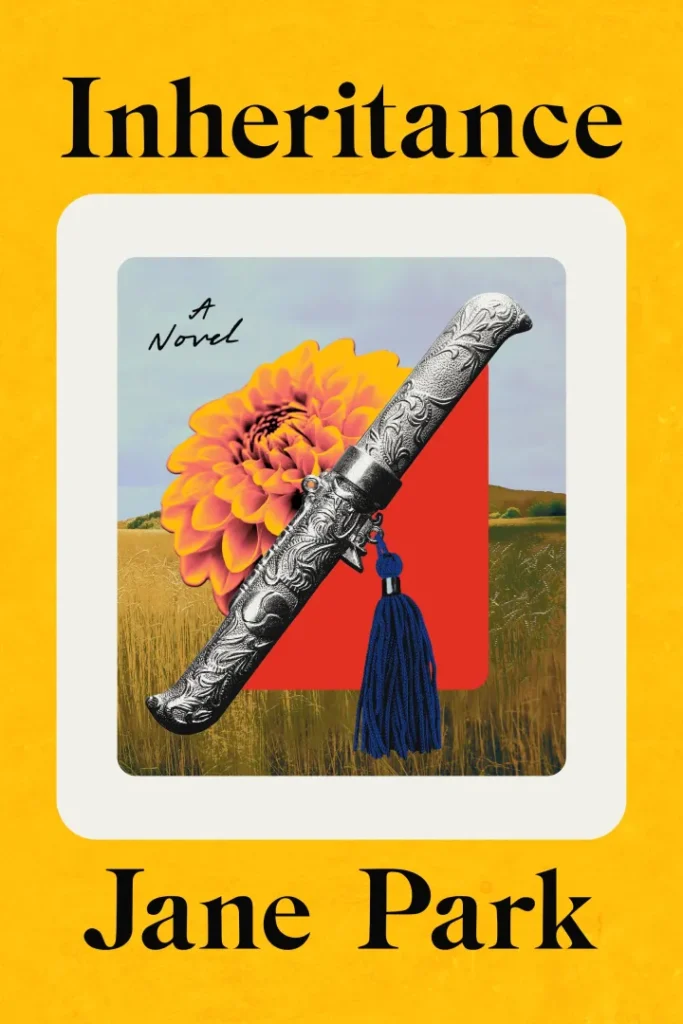
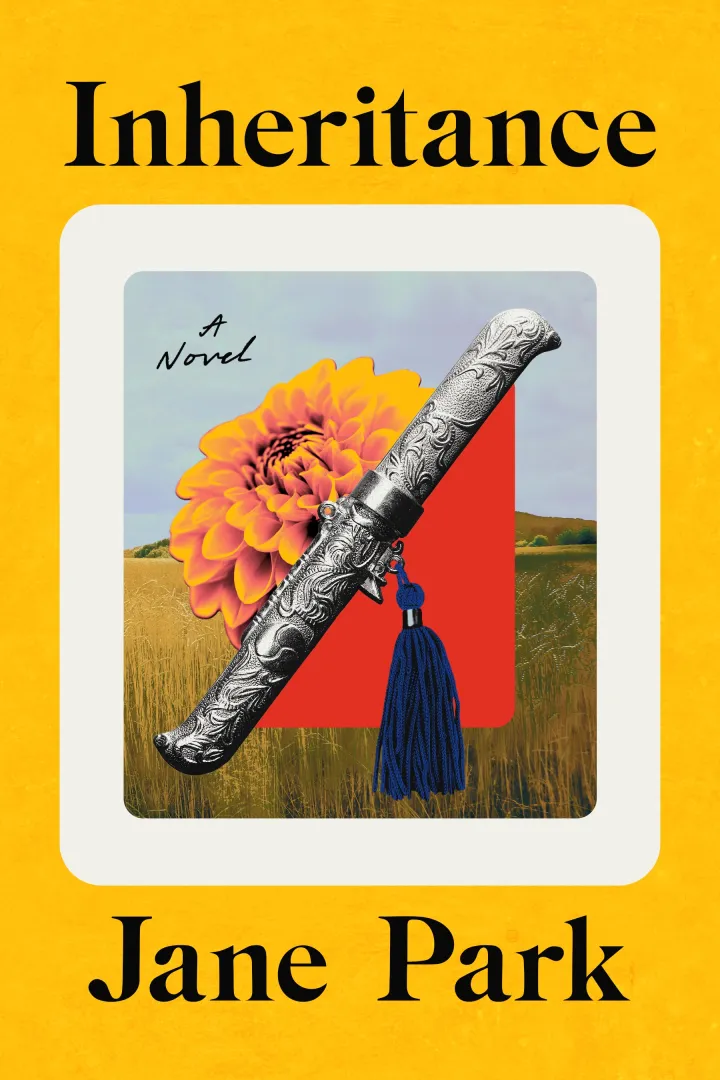
“Inheritance” by Jane Park
Trauma echoes differently on the prairies. In her debut novel, Inheritance, Jane Park follows a Korean immigrant family whose father’s…

“Troubled Waters” by Ichiyo Higuchi
Ichiyo Higuchi, a contemporary of Anton Chekhov, Henry James, O Henry and Colette, may well be the most acclaimed and…
“Earth, Water & Fire” by Eiji Yoshikawa
Miyamoto Musashi (ca 1583–1645) was a heroic figure of Japanese history, a master swordsman revered as a kensei, or “sword…



“Murder in Byzantium” by Julia Kristeva
Julia Kristeva is one of the most formidable minds in contemporary literary and cultural theory, the Bulgarian-born, Paris-based intellectual who gave us Powers of Horror, a 1980 study of abjection that remains a landmark of psychoanalytic criticism, who coined the term “intertextuality”, who spent decades making psychoanalysis and semiotics speak to each other in increasingly…

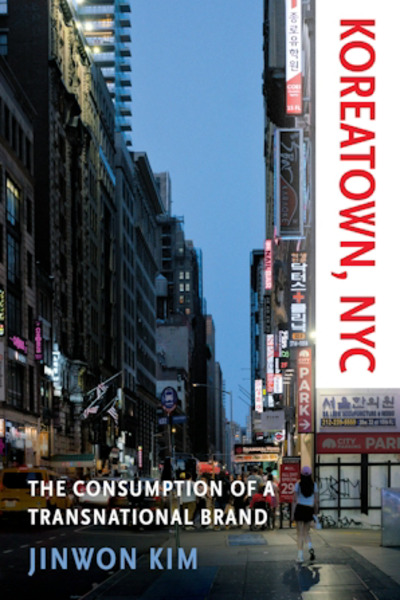
“Koreatown, NYC: The Consumption of a Transnational Brand” by Jinwon Kim
In the past decade, Korean entertainment has gained global recognition, with Korean movies and TV shows winning Oscars and Emmys, and K-Pop groups becoming wildly popular. In Manhattan, Koreatown has…
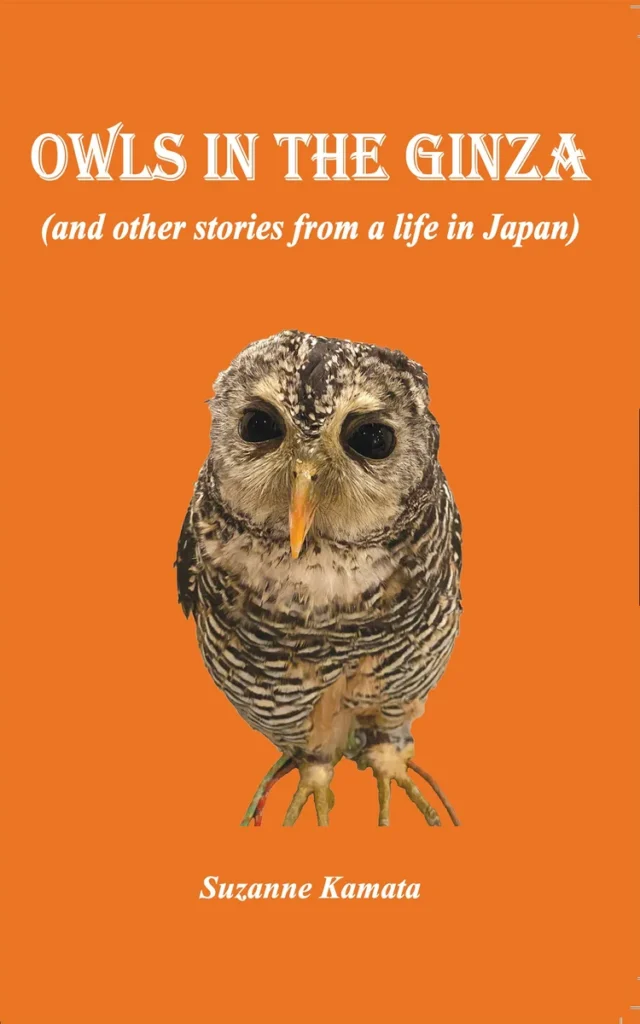
“Owls in the Ginza” by Suzanne Kamata
Thinking of leaving the country? Does the life of a digital nomad beckon to you? Suzanne Kamata has been there, done that, and is still doing it. Living in Japan…
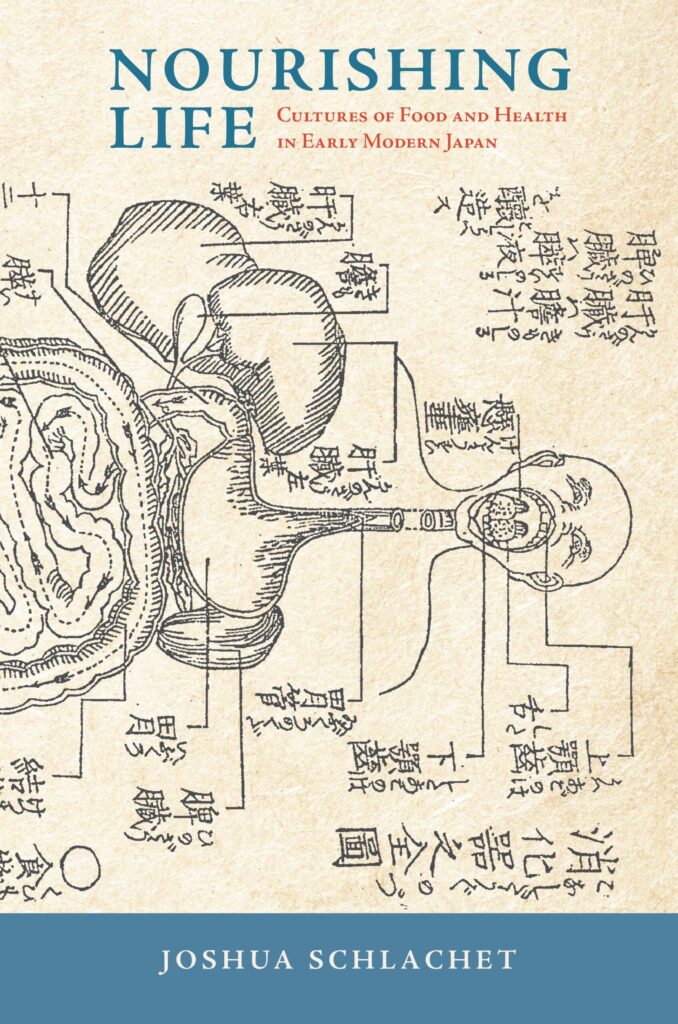
“Nourishing Life: Cultures of Food and Health in Early Modern Japan”
Can food determine your fate? Could indulging in delicacies bring calamity to your community? Joshua Schlachet’s Nourishing Life reevaluates the history of Japanese food culture by examining how ideas of…
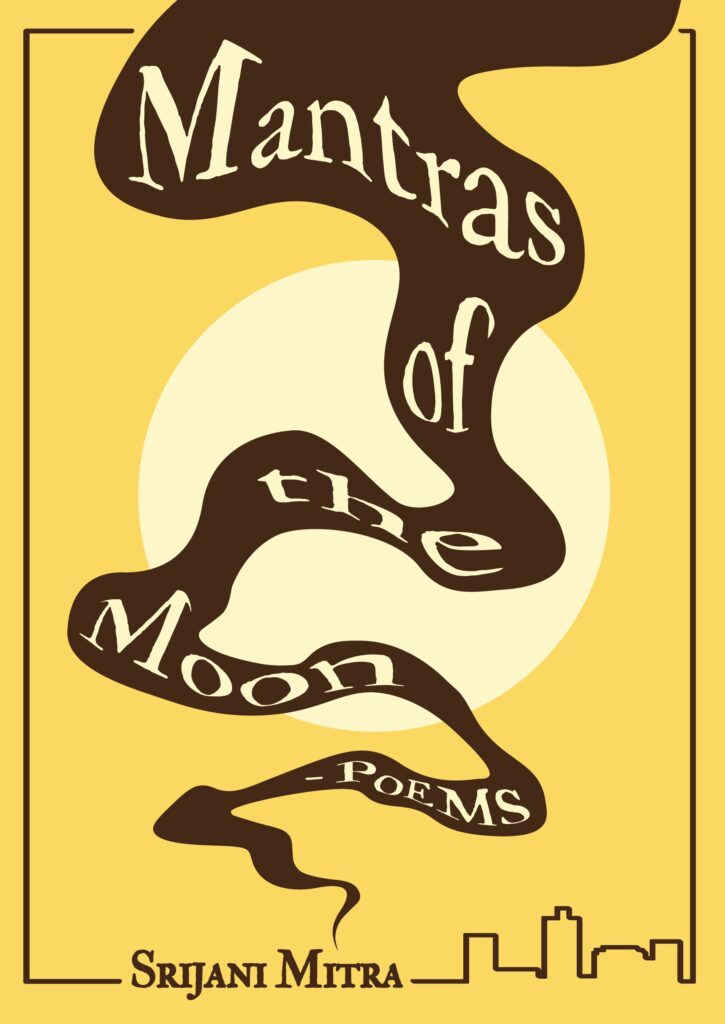
“Mantras of the Moon” by Srijani Mitra
Mantras of the Moon is a luminous collection of poems born from the desire to explore the self, memory, and Indian heritage. These poems weave together psychology, mythology, desire, and…
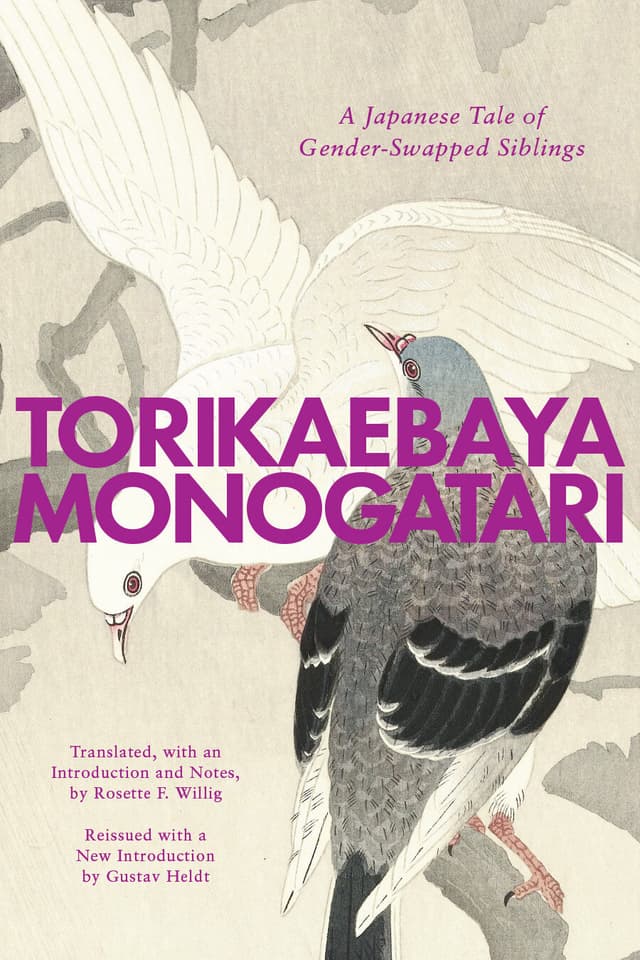
“Torikaebaya Monogatari: A Japanese Tale of Gender-Swapped Siblings”
Torikaebaya Monogatari is a twelfth-century Japanese tale like no other. As suggested by its title, which literally translates to “if only I could exchange them” (torikaebaya) “story” (monogatari), it follows…
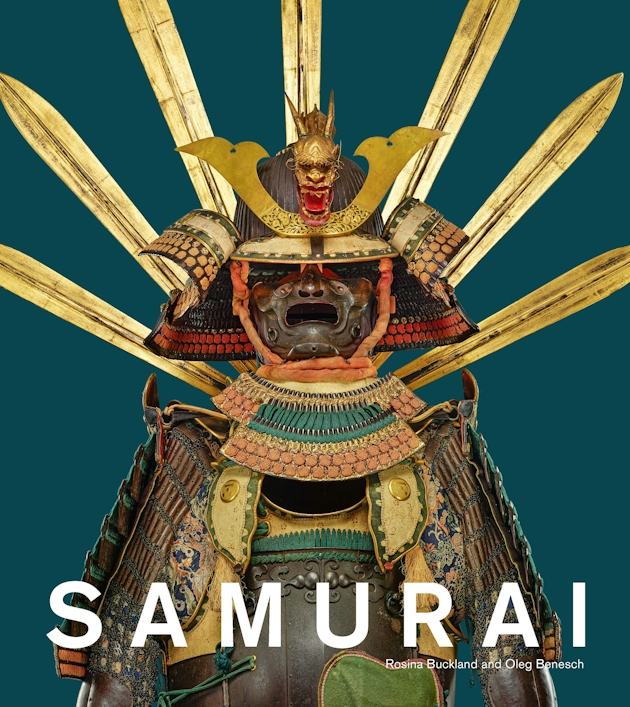
“Samurai” by Rosina Buckland and Oleg Benesch
Lavishly illustrated, Samurai explores the reality and myths of the samurai from medieval times to today’s popular culture through objects from international collections. Essays by scholars throughout the book discuss…
You must be logged in to post a comment.