“Inheritance” by Jane Park
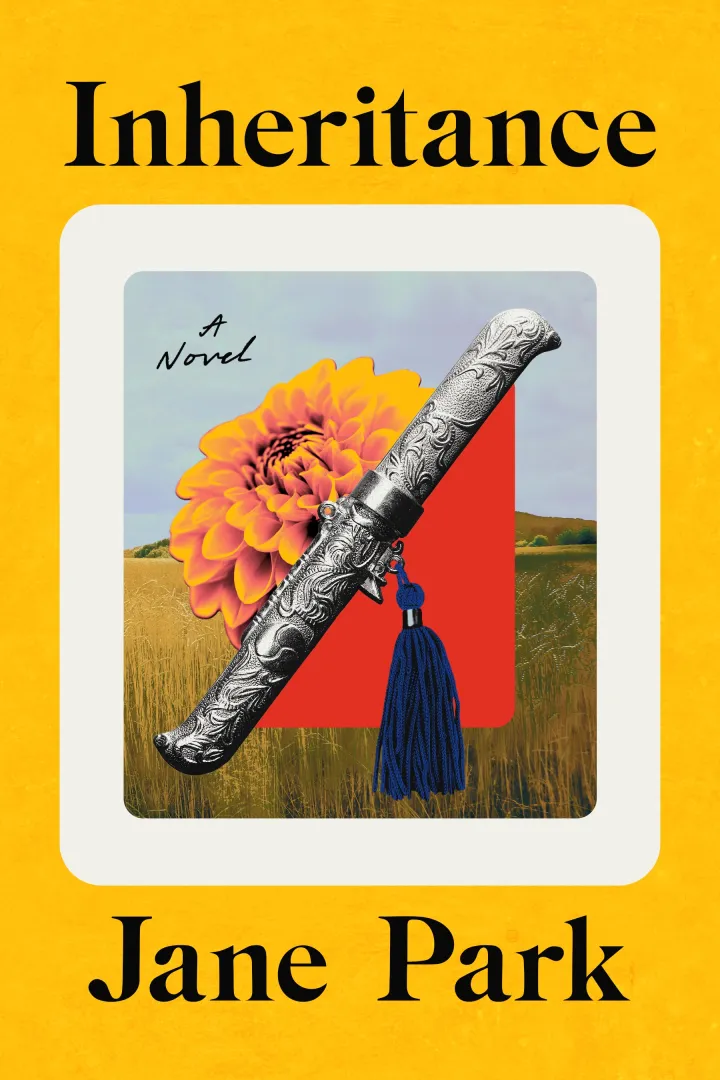
Trauma echoes differently on the prairies. In her debut novel, Inheritance, Jane Park follows a Korean immigrant family whose father’s hidden and unspoken past shadows their Canadian-born children, unfolding not in the urban centres typical of immigrant stories, but in the stark towns of remote, rural Alberta.
As the book opens, New York attorney Anne Kim returns home to Edmonton after her father passes away. While she’s helping her mother with funeral arrangements, she learns that her father was not from Seoul, as Anne had always been told. He had in fact escaped North Korea during the war. During his escape, he left behind a younger brother named Maknae. At the time, no one expected the war to last long or to have lasting consequences that would separate families for decades. For years Anne’s father had written letters in Korean to Maknae, but never sent them because he had no way of contacting him. After her father’s death and after she learns about this past, Anne finds a translator to translate the letters from Korean into English to learn more about her family’s history.
Park alternates the contemporary part of her story, which takes place a decade ago in 2014 and 2015, with flashbacks to Anne’s childhood and to the years in which her father wrote these letters to his brother. The different parts of the story draw a clear picture of how difficult it is for Anne and her brother Charles to grow up as some of the only Asian students in their classes in relatively provincial Alberta. And if that isn’t difficult enough, when Anne is in seventh grade, her family moves an hour from Edmonton to a small fictional town called Crow Plains. Anne’s first day of school is frightening.
I stare directly ahead, not meeting the curious eyes on me. Without surveying my classmates, I
know they are all white. I decide to be as invisible as I can. If no one notices me, I won’t incur
their ridicule.
Anne learns that the only way to fit in is to assimilate as much as possible, which means not bringing
Korean food to school for lunch. When she’s invited to her friend Meredith’s house for a sleepover,
Meredith’s mother asks Anne to serve herself from the dishes on the table. Anne has never eaten a
Western dinner.
I pick up a chicken drumstick with my fingers, then pierce some green beans with my fork.
Everyone watches me. I wonder if this is out of deference; in our family, we wait for my father or
the oldest male to take his food before anyone else can help themselves, and perhaps in their
household, this is translated to the newest guest.
With this little glitch and a couple more behind her, Anne does well at school and becomes ambitious while Charles stops earning good grades and falls in with the wrong crowd. Mr Kim works as a welder far from home and later runs a grocery that the townspeople refuse to patronise because they see the Kims as outsiders. The family makes Korean friends, but as with every group, some are loyal while others are not.
Park… reminds us that immigrant stories unfold just as powerfully, and often more precariously, in the quietest corners of North America
Park’s ambitious debut underscores how isolation can shape the immigrant experience—not only through the weight of inherited trauma, but through the absence of one’s own ethnic community in rural towns. By situating her Korean Canadian family far from the country’s multicultural centres, she broadens the literary map and reminds us that immigrant stories unfold just as powerfully, and often more precariously, in the quietest corners of North America.