What’s new
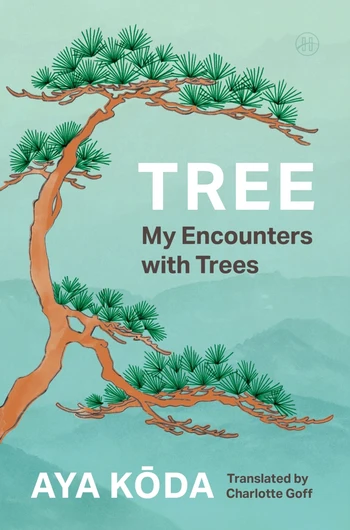

“Tree” by Aya Kōda
Until she was forty-three years old, Aya Kōda (1904-1990) was known primarily for being the daughter of the novelist Rohan Kōda, who was influential in the development of early modern literature in Japan. Yet after Rohan’s death, a publisher asked Aya to write a memoir about her family, and she soon proved a force in…
-

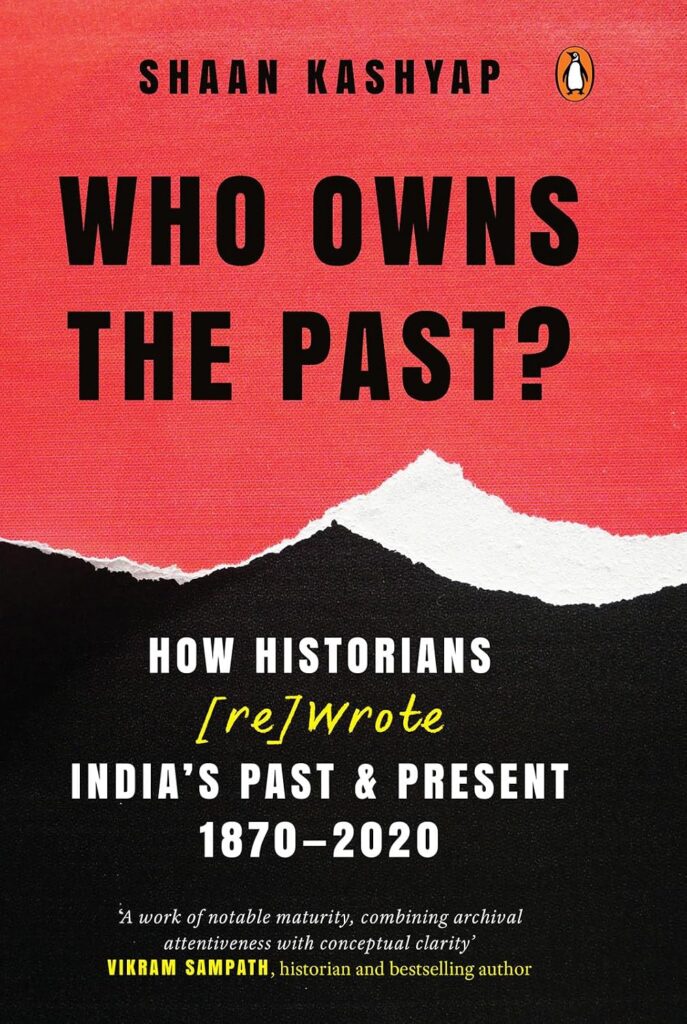
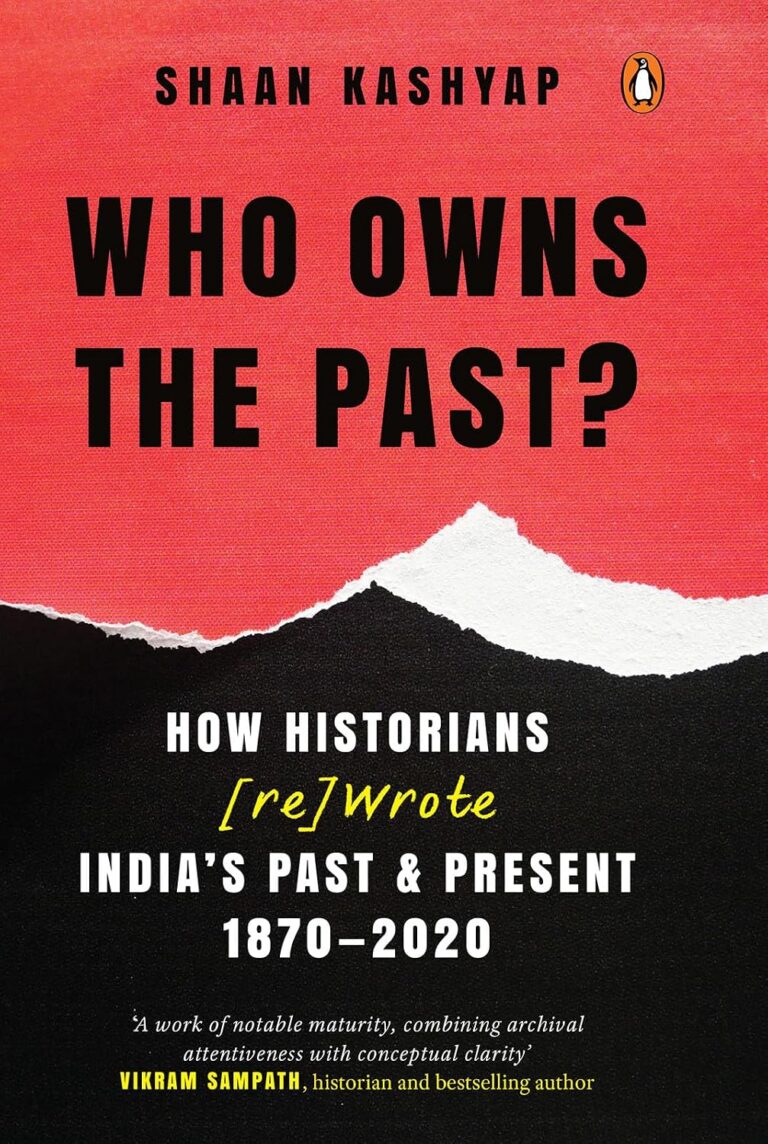
“Who Owns the Past?” by Shaan Kashyap
History, or least the writing of it, does not remain confined to academia or historians; it can increasingly become a… -

“Hong Kong Art Deco Architecture: Unveiling the Hidden Heritage”
In Moliere’s play Le Bourgeois Gentilhomme, the wannabe aesthete Monsieur Jourdain learns with delight that “for more than forty years…
-

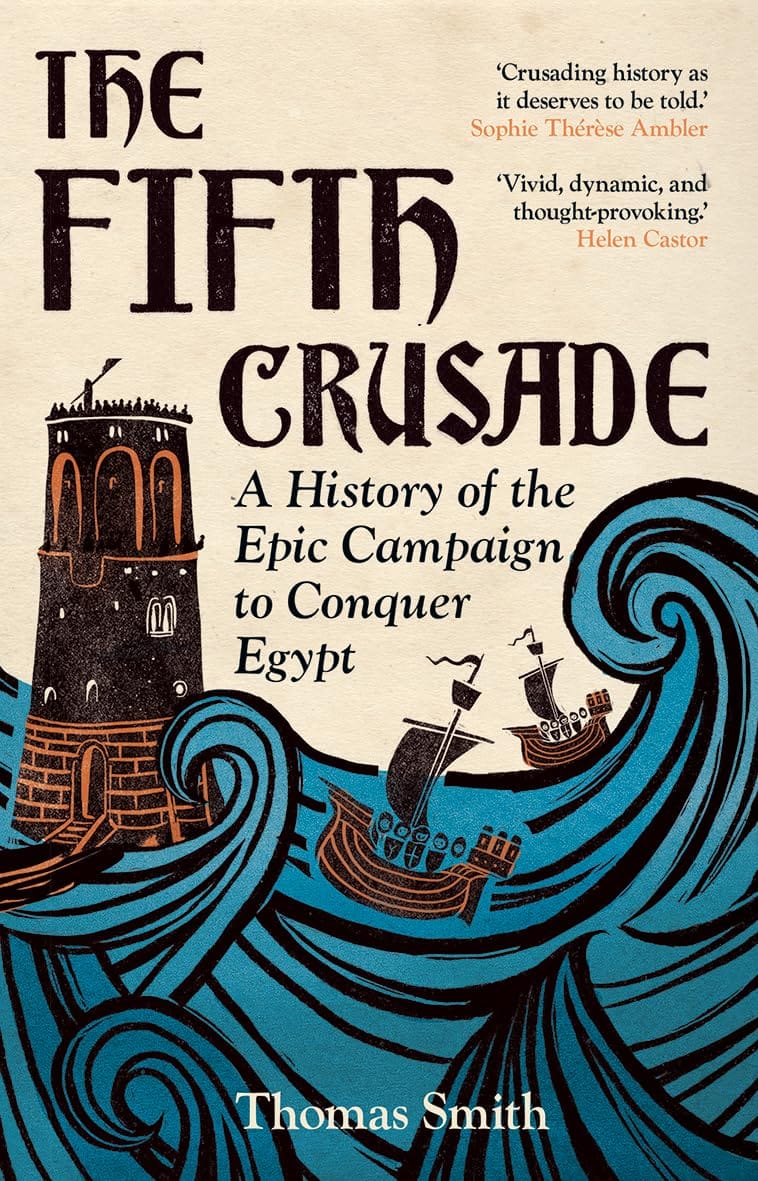
“The Fifth Crusade” by Thomas Smith
This century’s “forever wars” have nothing on the Crusades, which lasted some three centuries and had to be numbered. Lay… -

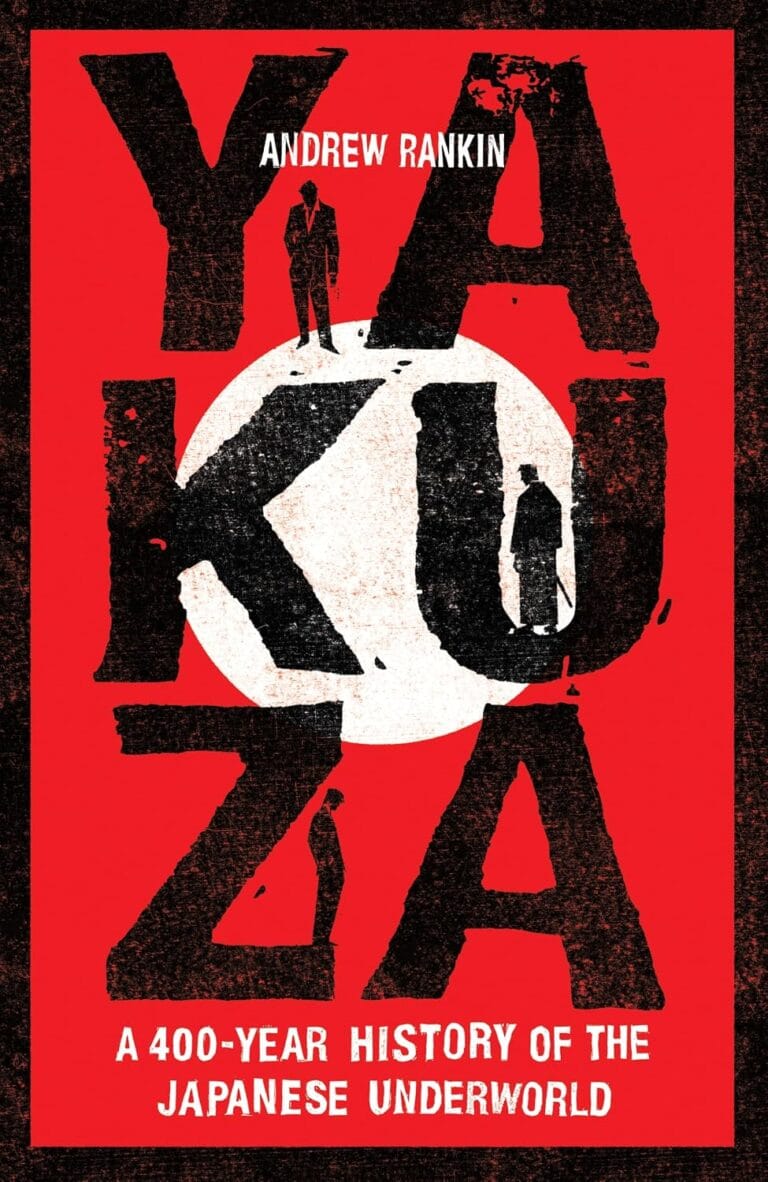
“Yakuza” by Andrew Rankin
The word yakuza has its own history, and it is not what most readers assume. Kabuki theatre and popular fiction…

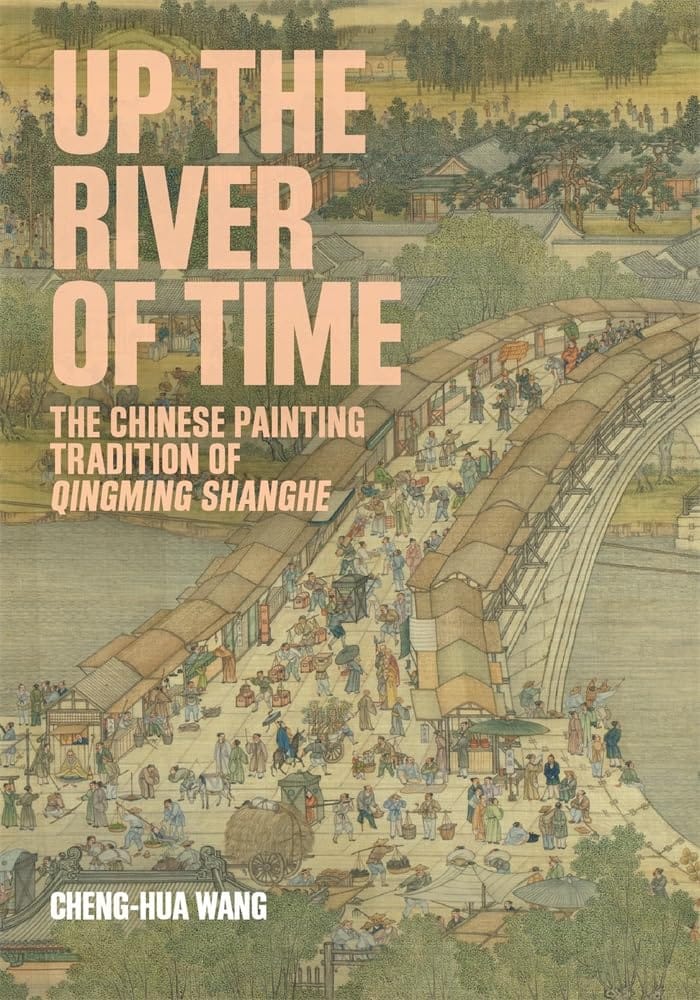
“Up the River of Time” by Cheng-hua Wang
Can a painting outlive its authenticity? For art lovers and collectors, an artwork’s value is often inseparable from its status as a singular object. This is why the authenticity of the Mona Lisa is of paramount importance to the Louvre Museum. The painting’s “value” comes not just from its visual qualities, but it carries with it the…

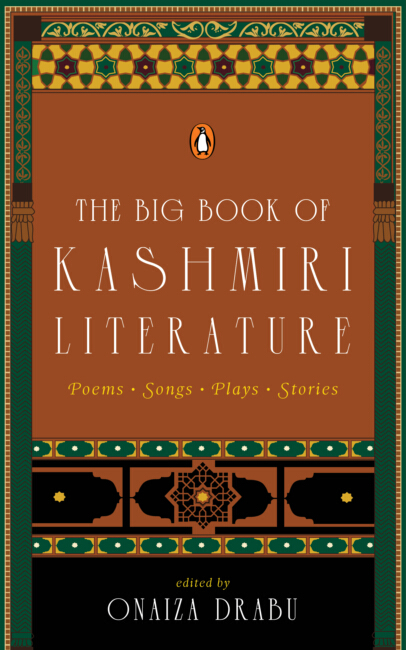
“The Big Book of Kashmiri Literature”
In 1958, a Kashmiri poet who earned his living cutting timber sat down in front of a radio microphone and stumbled over a verse from a printed edition of his own work. His name was Samad Mir, and he was one of the best-loved mystic poets of his day. His interviewers were JL Kaul, a…
-

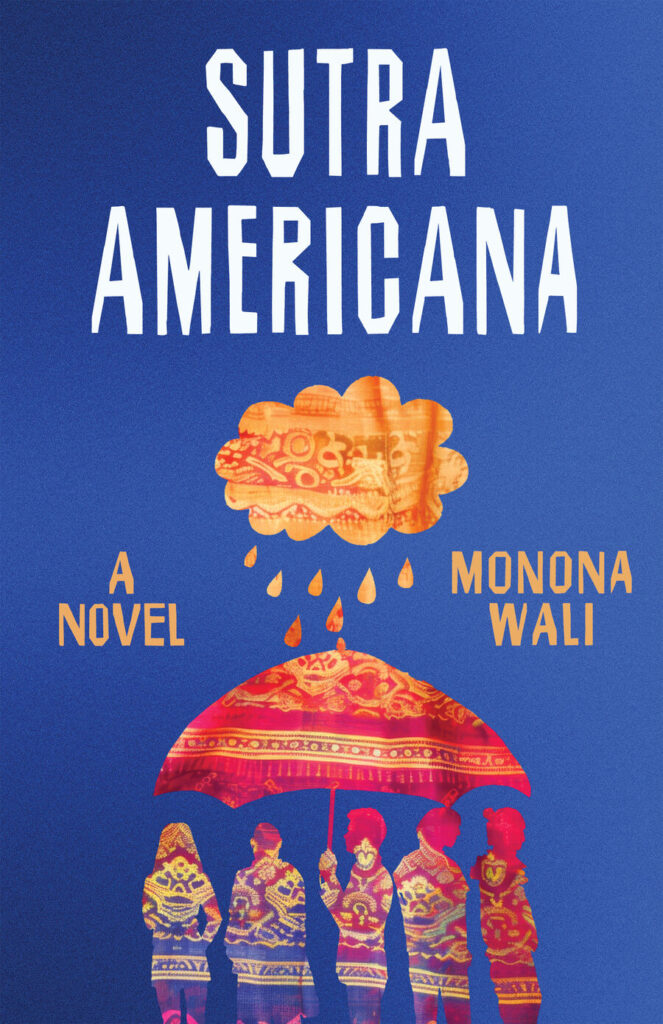
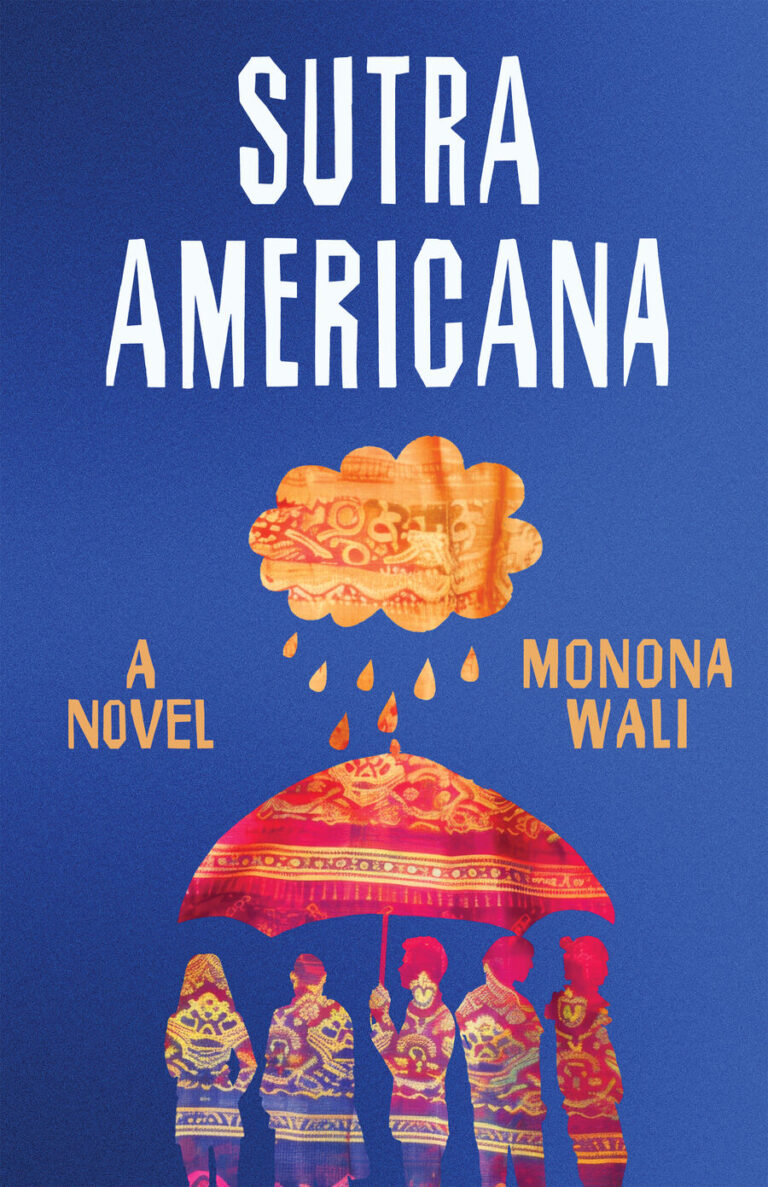
“Sutra Americana” by Monona Wali
It’s not hard to picture the leap Monona Wali made from filmmaker to writer after reading her latest novel, Sutra… -

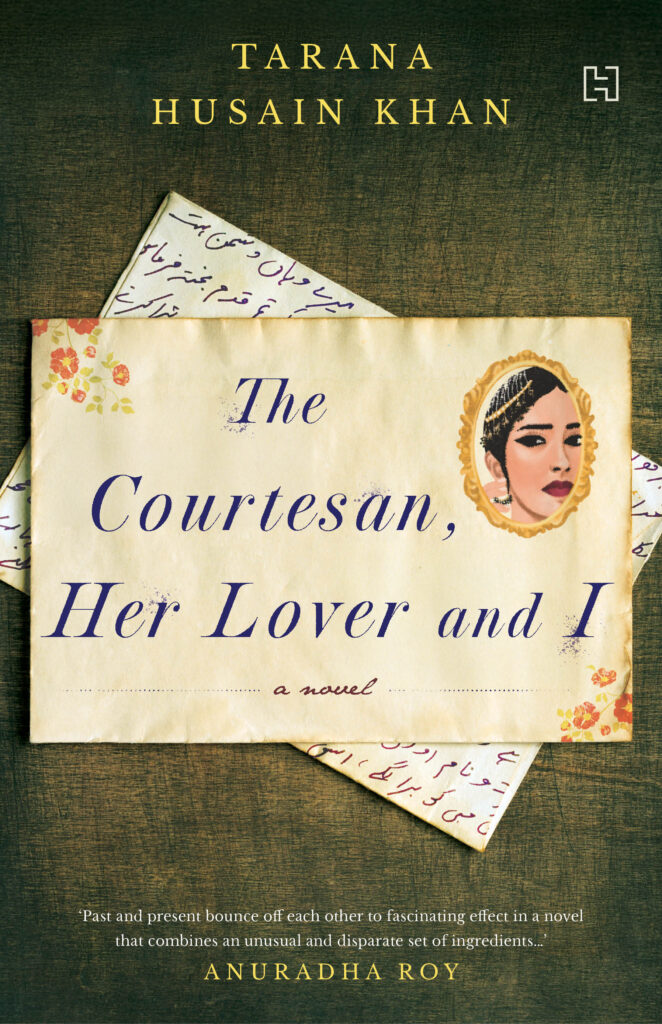
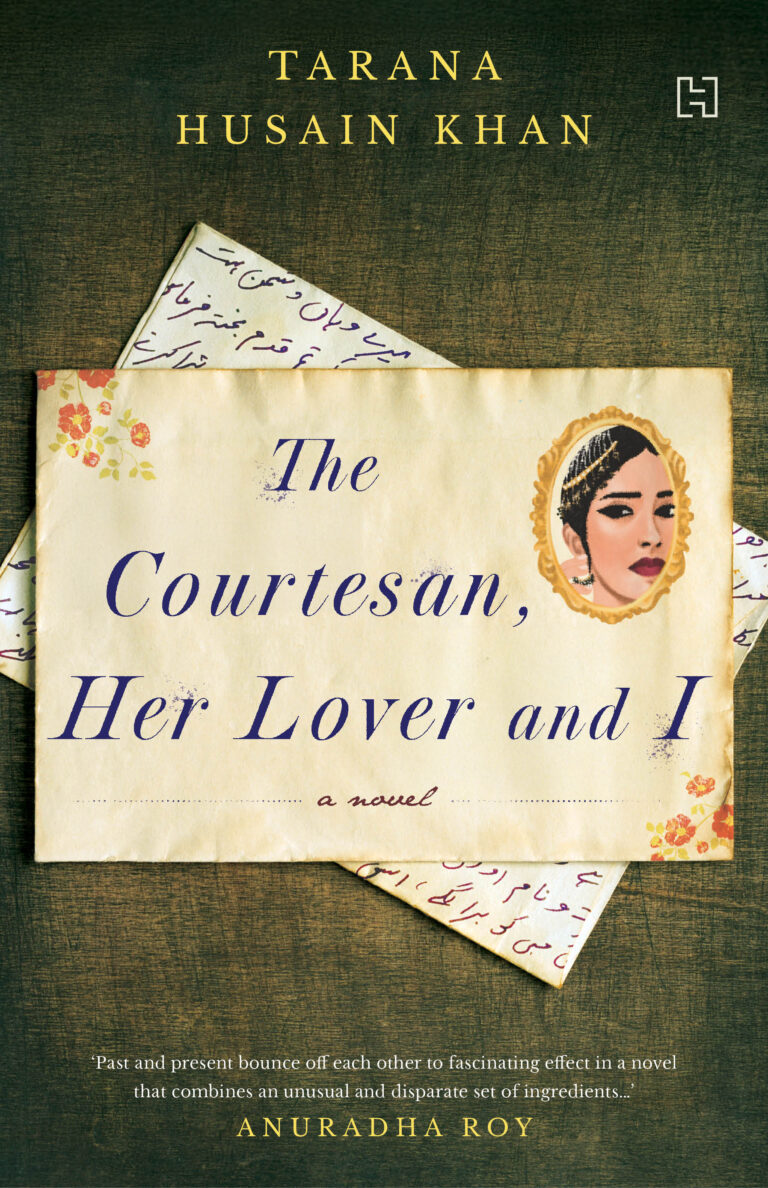
“The Courtesan, Her Lover, and I” by Tarana Husain Khan
In modern day Rampur, aspiring writer Rukmini finds herself fascinated by the life of Munni Bai Hijab: the real-life 19th-century…
-

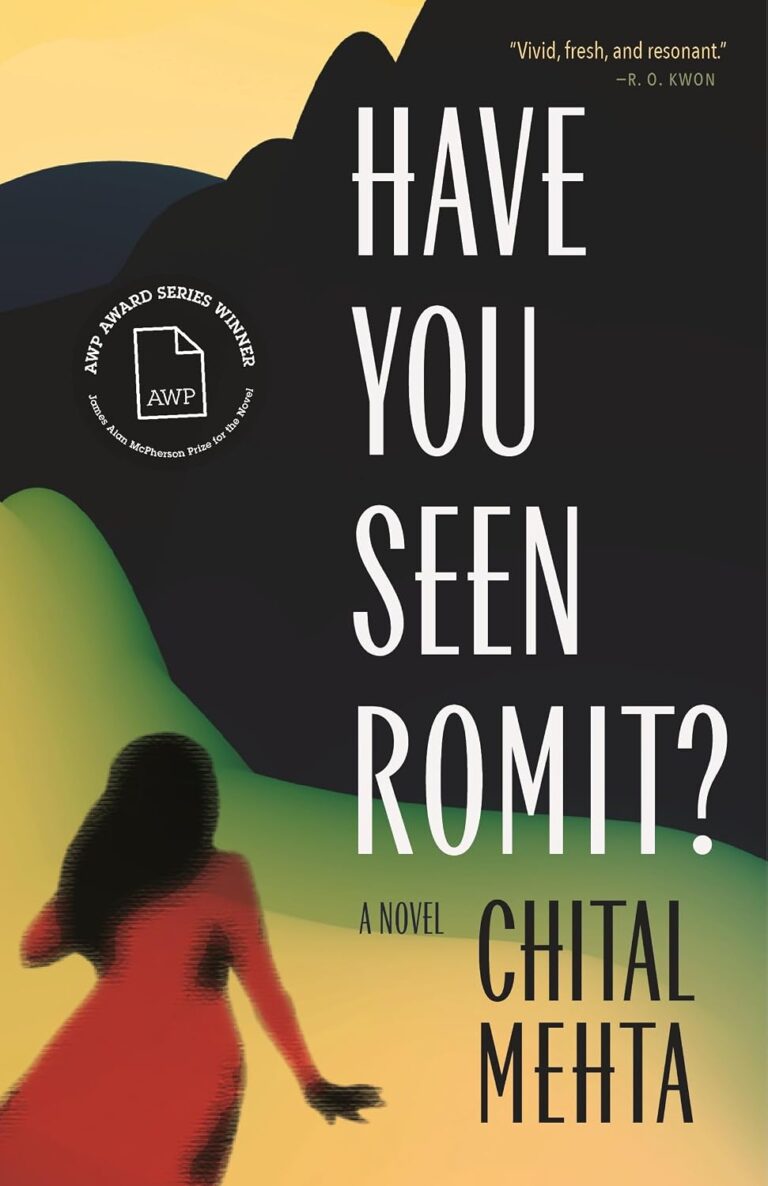
“Have You Seen Romit?” by Chital Mehta
Usha and her husband Om are part of a Gujarati community in Coimbatore and the parents of three grown children:… -
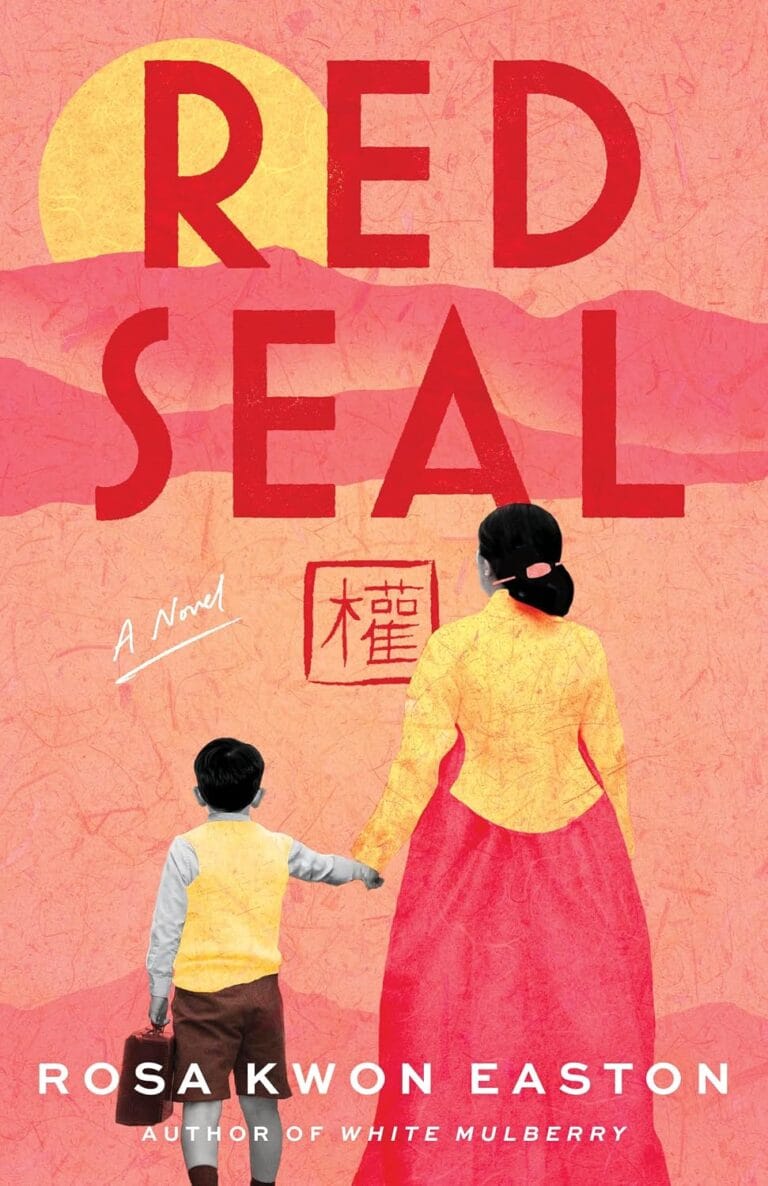
“Red Seal” by Rosa Kwon Easton
Rosa Kwon Easton’s debut novel, White Mulberry, tells the story of Miyoung, a Korean nurse who passes as Japanese while…

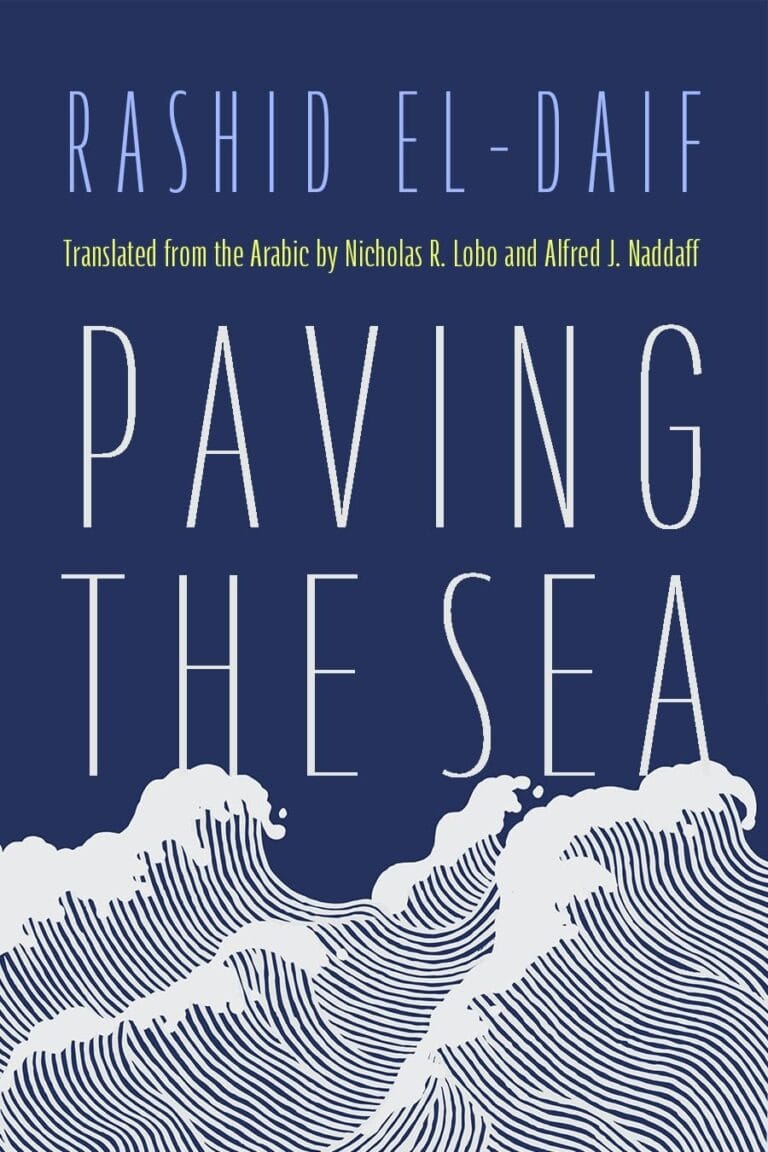
“Paving the Sea” by Rashid El-Daif
Lebanese novelist and poet Rashid El-Daif is one of the leading voices in contemporary Arabic literature, perhaps best known in English for Dear Mr Kawabata (1995) which addresses the aftermath of the Lebanese Civil War. His most recently translated work, Paving the Sea (originally written in 2011), satirizes the aspiration for Western liberalism and nationalism,…
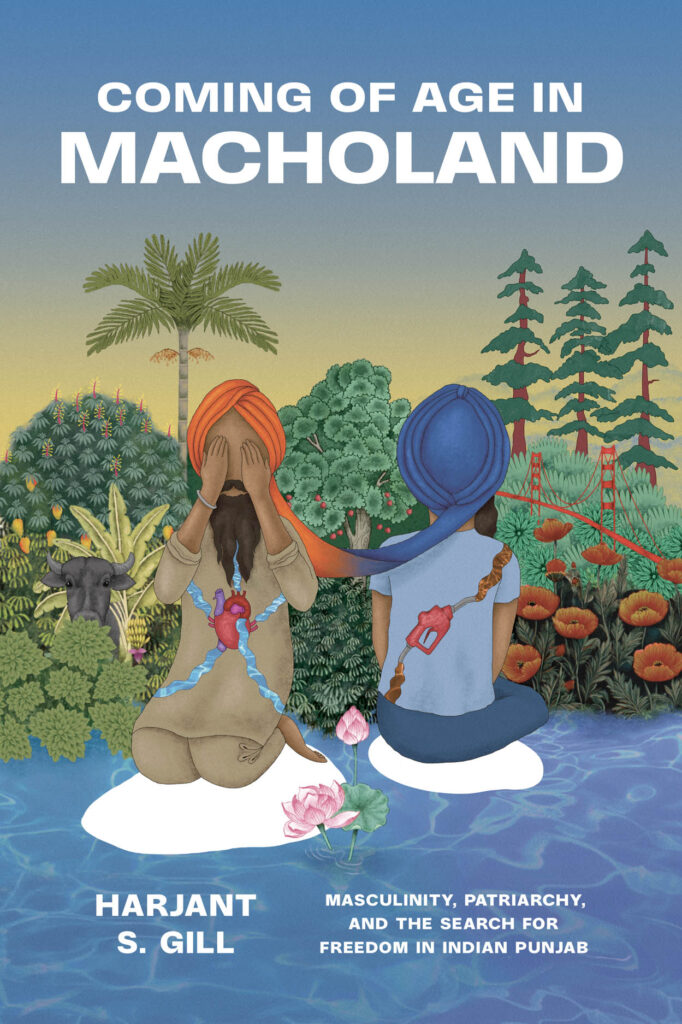
“Coming of Age in Macholand” by Harjant S Gill
Through Punjabi men’s struggles to marry, migrate, love, and escape, Coming of Age in Macholand reveals what patriarchy costs the men it promises to empower. In 2019, Sandeep, a twenty-seven-year-old from…
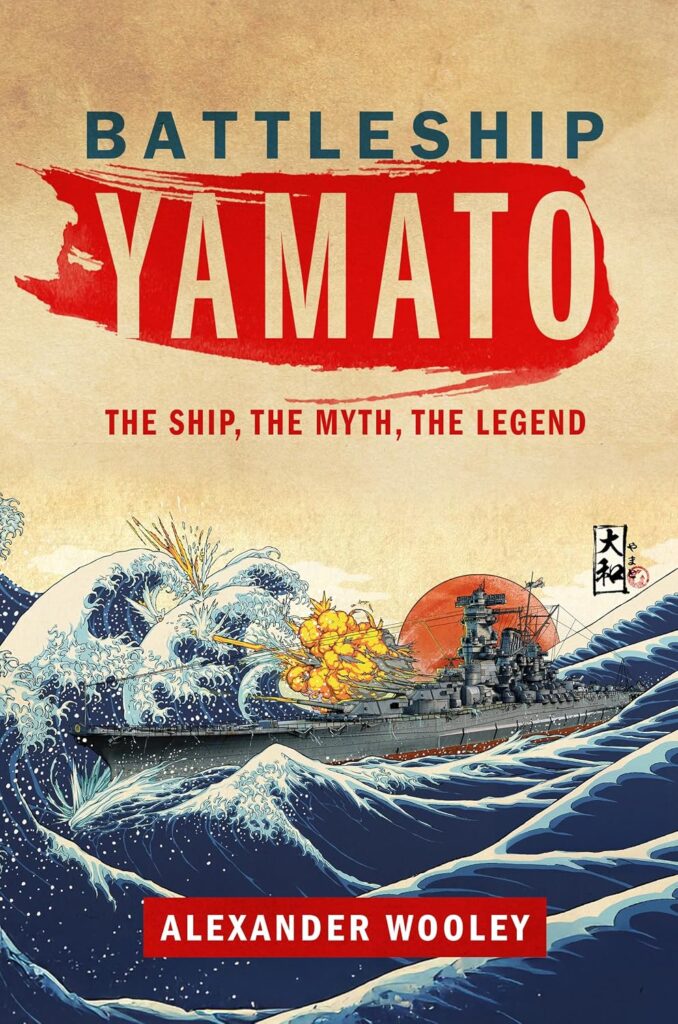
“Battleship Yamato” by Alexander Wooley
Author Alexander Wooley explores the enduring legacy of the battleship Yamato, weaving together history, myth, and cultural impact to reveal how a wartime icon became a symbol of Japan’s identity…
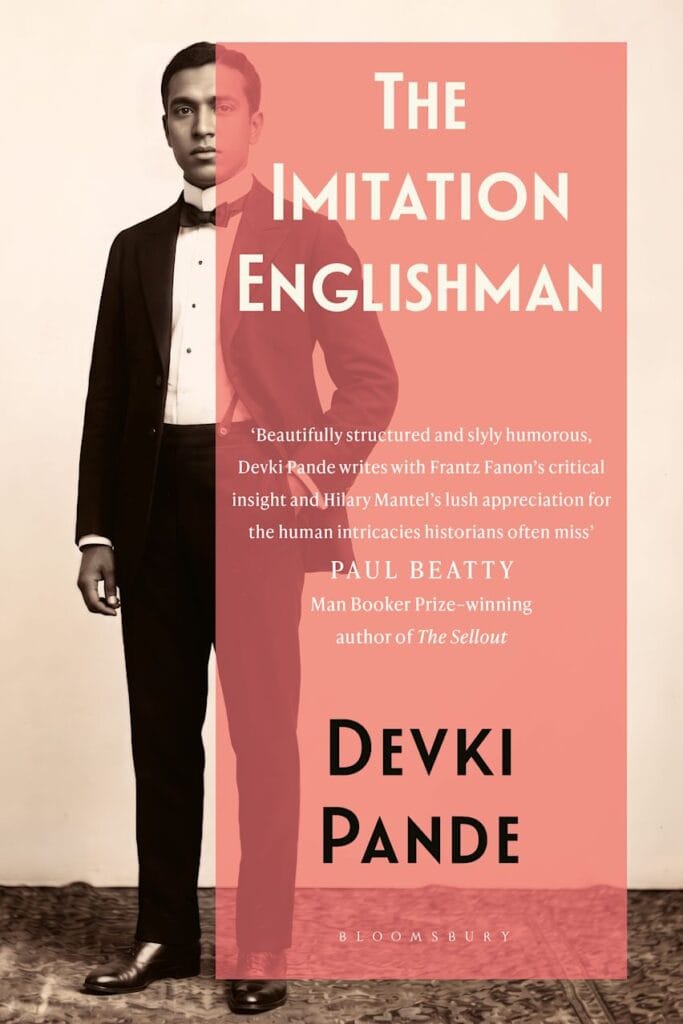
“The Imitation Englishman” by Devki Pande
It is 1916, the middle of World War I. Madhusudan Chandra Joshi is a young clerk who works at the District Courts of India. As he journeys to Heidelberg to…
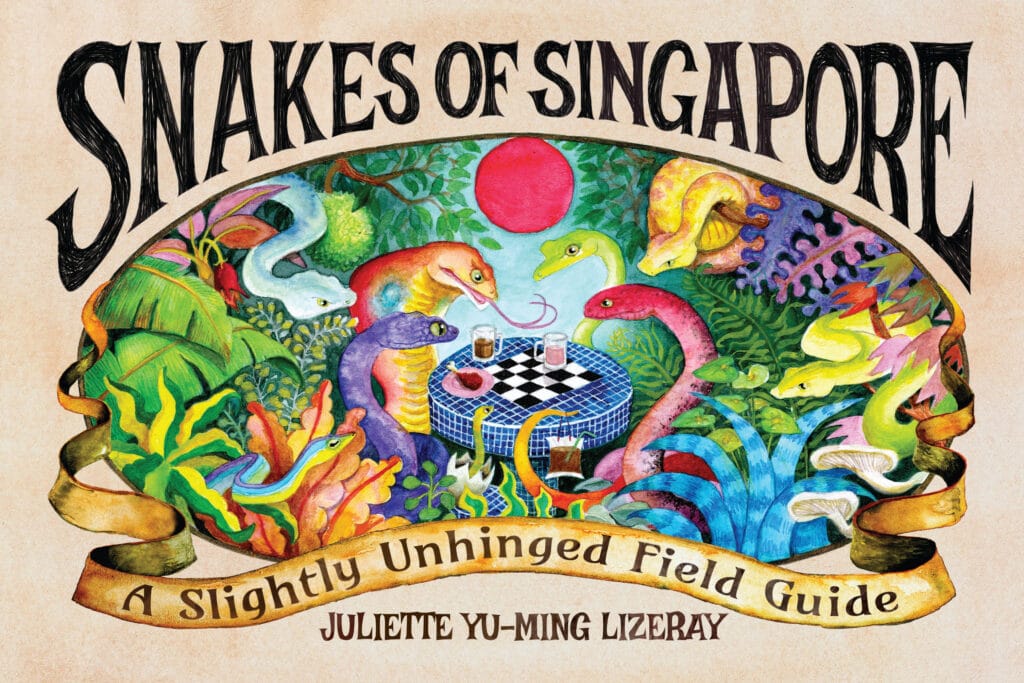
“Snakes of Singapore: A Slightly Unhinged Field Guide” by Juliette Yu-Ming Lizeray
Meet Singapore’s strangest inhabitants. The snake that cartwheels. The snake that clones itself. The snake that flies through the air. Snakes are everywhere in Singapore, gliding through mangroves, sunning on…
You must be logged in to post a comment.