What’s new
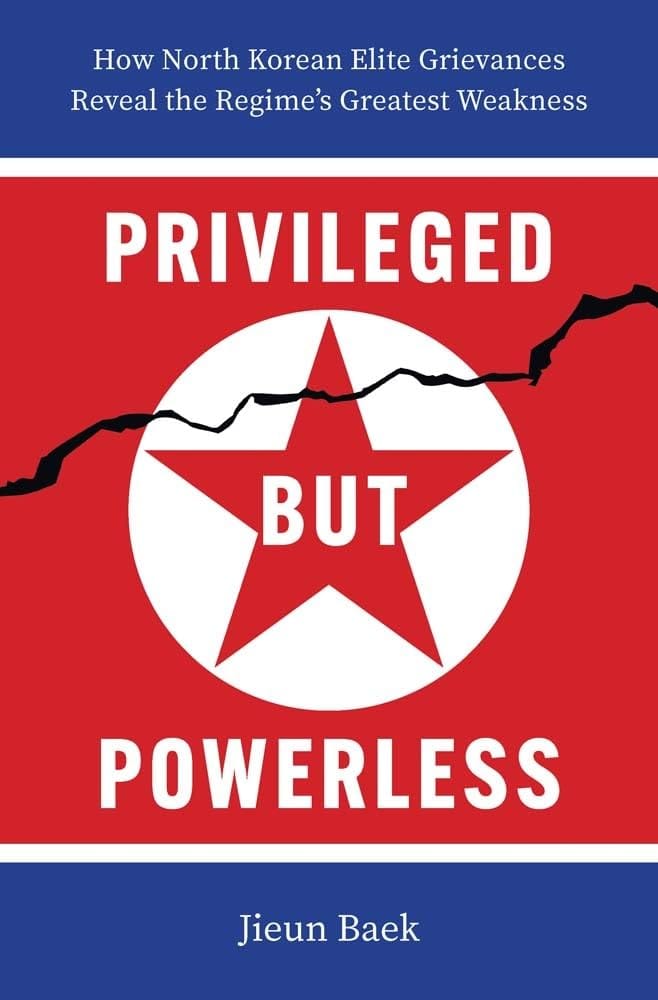

“Privileged But Powerless” by Jieun Baek
North Korea is the most tightly controlled country in the world. It is ruled by the Kim family and their control over the country’s 26 million citizens depends on the loyalty of elites of the Korean Workers’ Party (KWP)—the communist party that has brutally enforced the Kims’ hold on power since the aftermath of the…

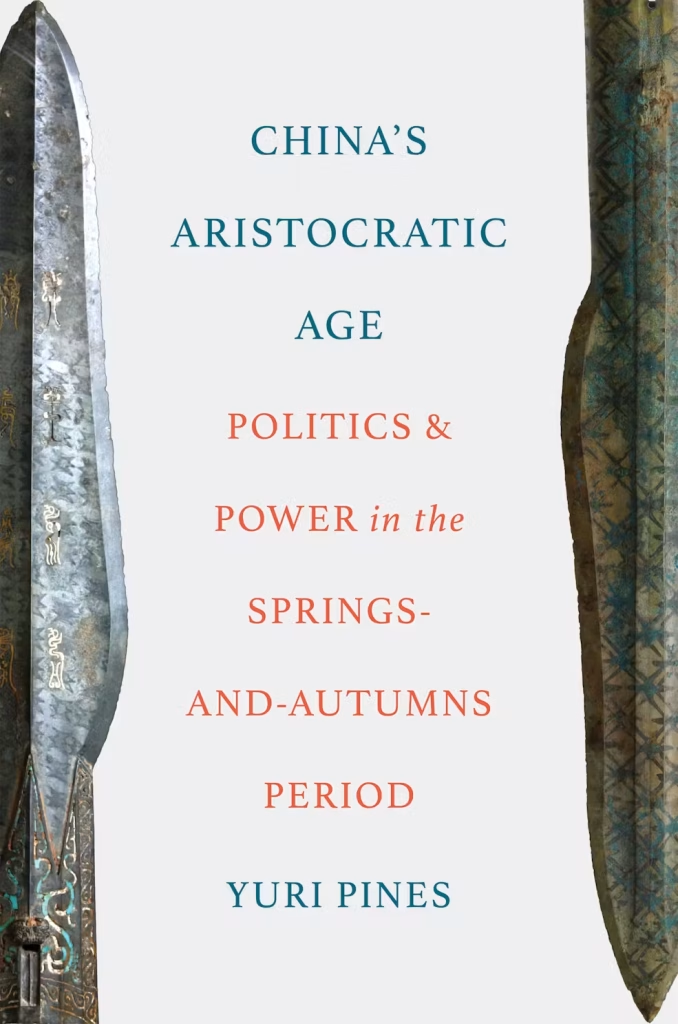
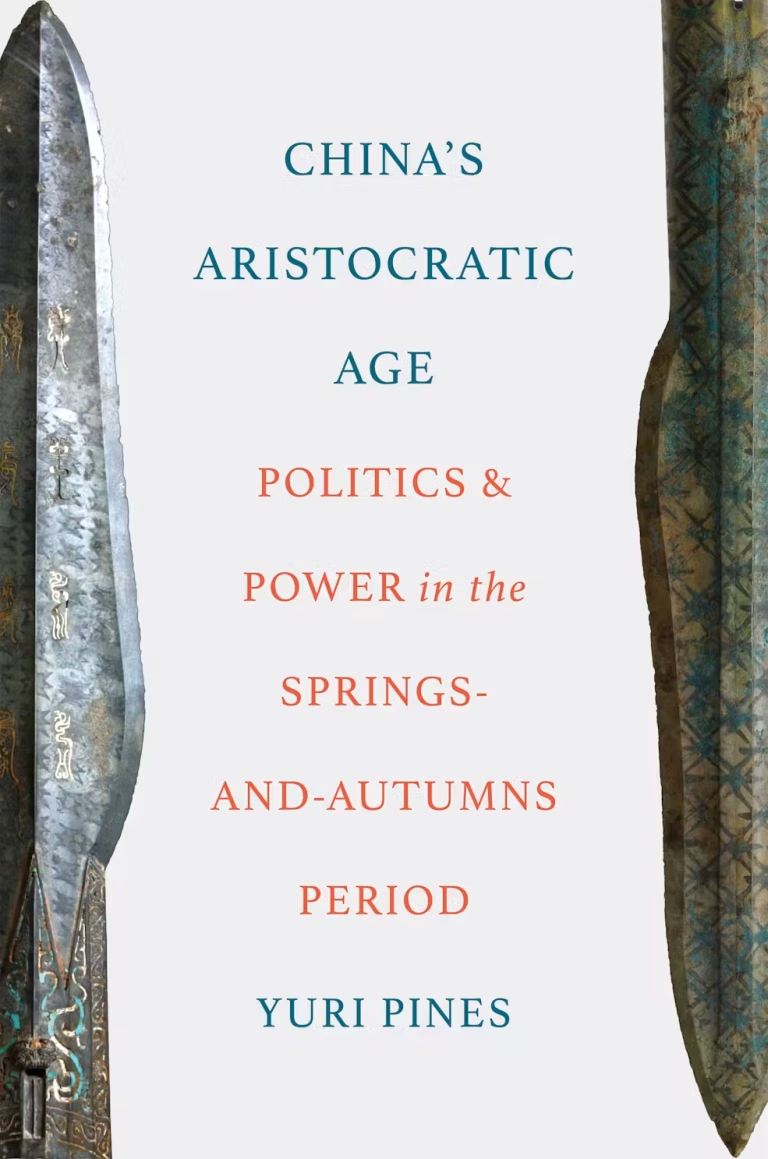
“China’s Aristocratic Age” by Yuri Pines
The norm in Chinese political thought for two thousand years has been, to quote Mencius, that “there cannot be two…
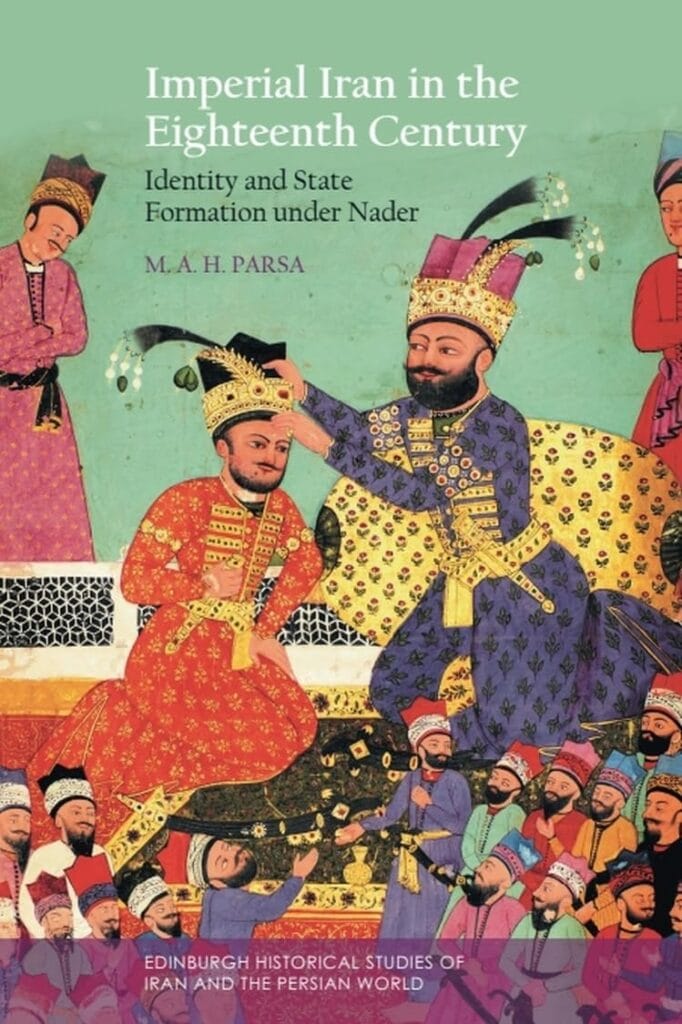
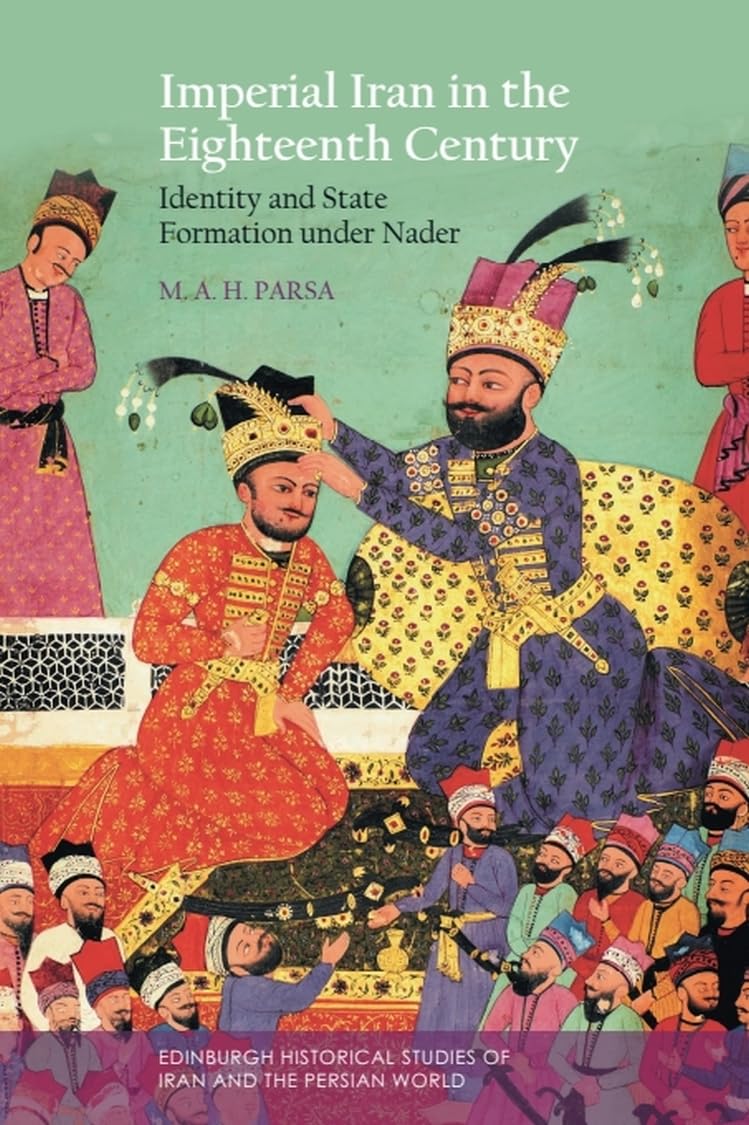
“Imperial Iran in the Eighteenth Century” by MAH Parsa
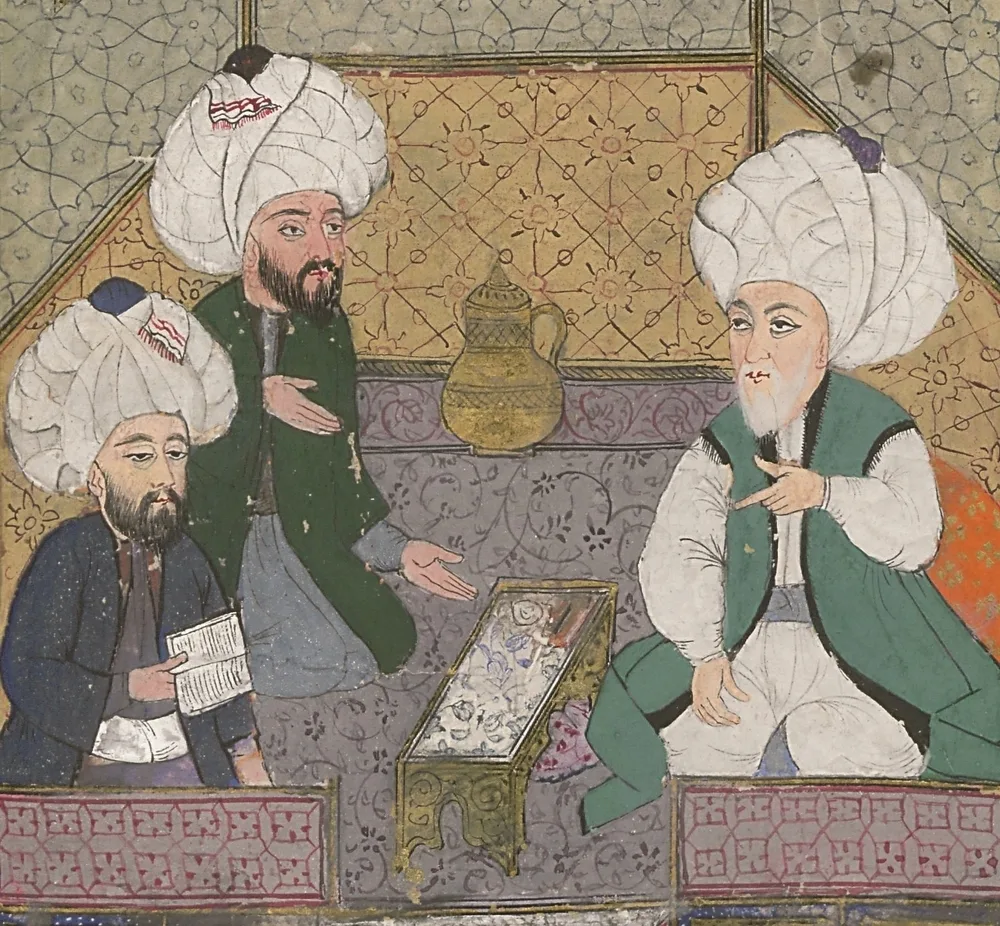
In 1722, a war band of grizzled Afghans battled their way from Kandahar to Esfahan and, after a grim siege,…

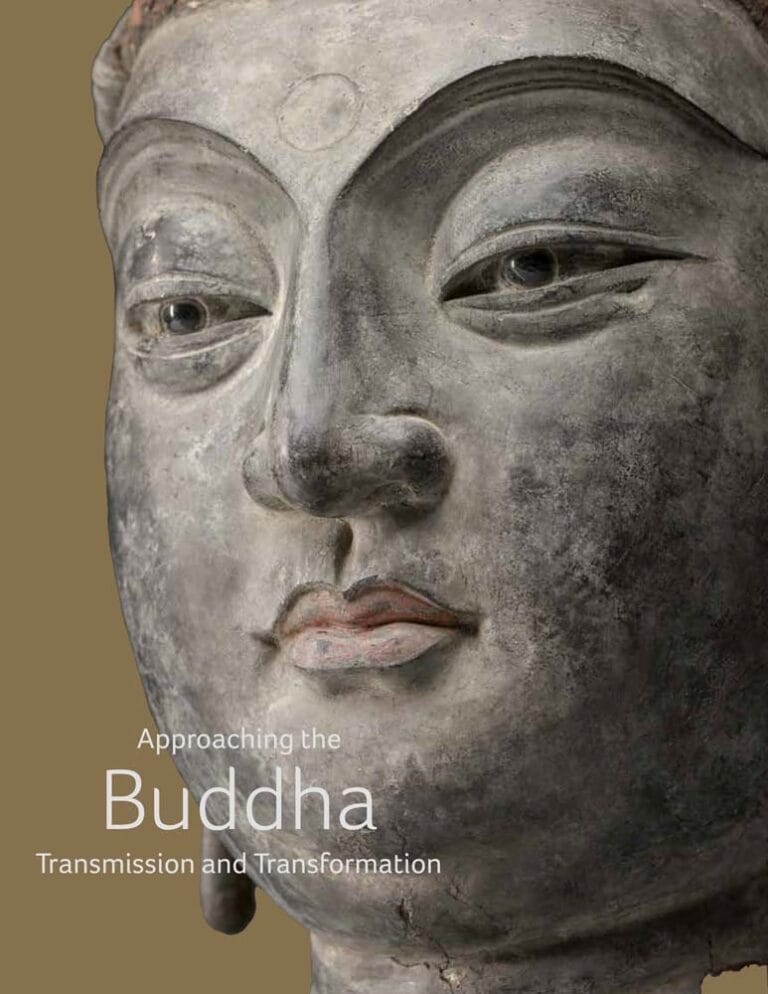
“Approaching the Buddha” by Hao Sheng
Approaching the Buddha: Transmission and Transformation, is based on the Xuzhou Collection, a dazzling array of ceremonial objects assembled by…
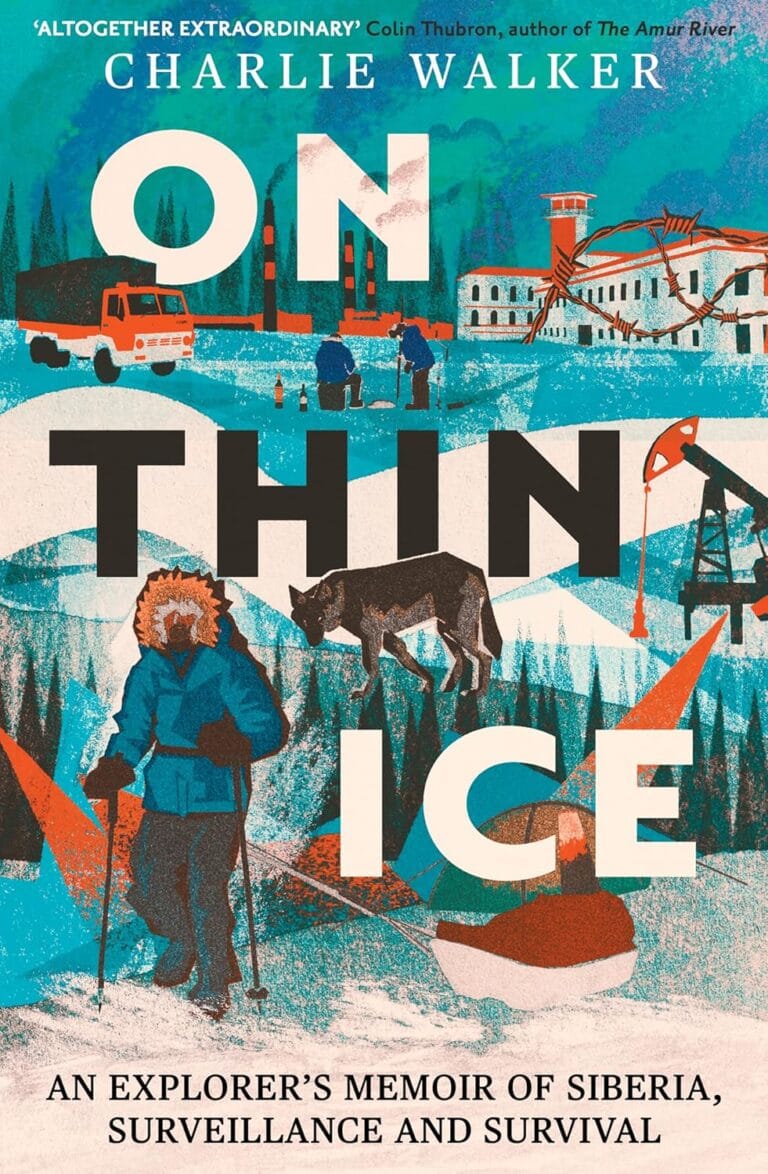
“On Thin Ice” by Charlie Walker
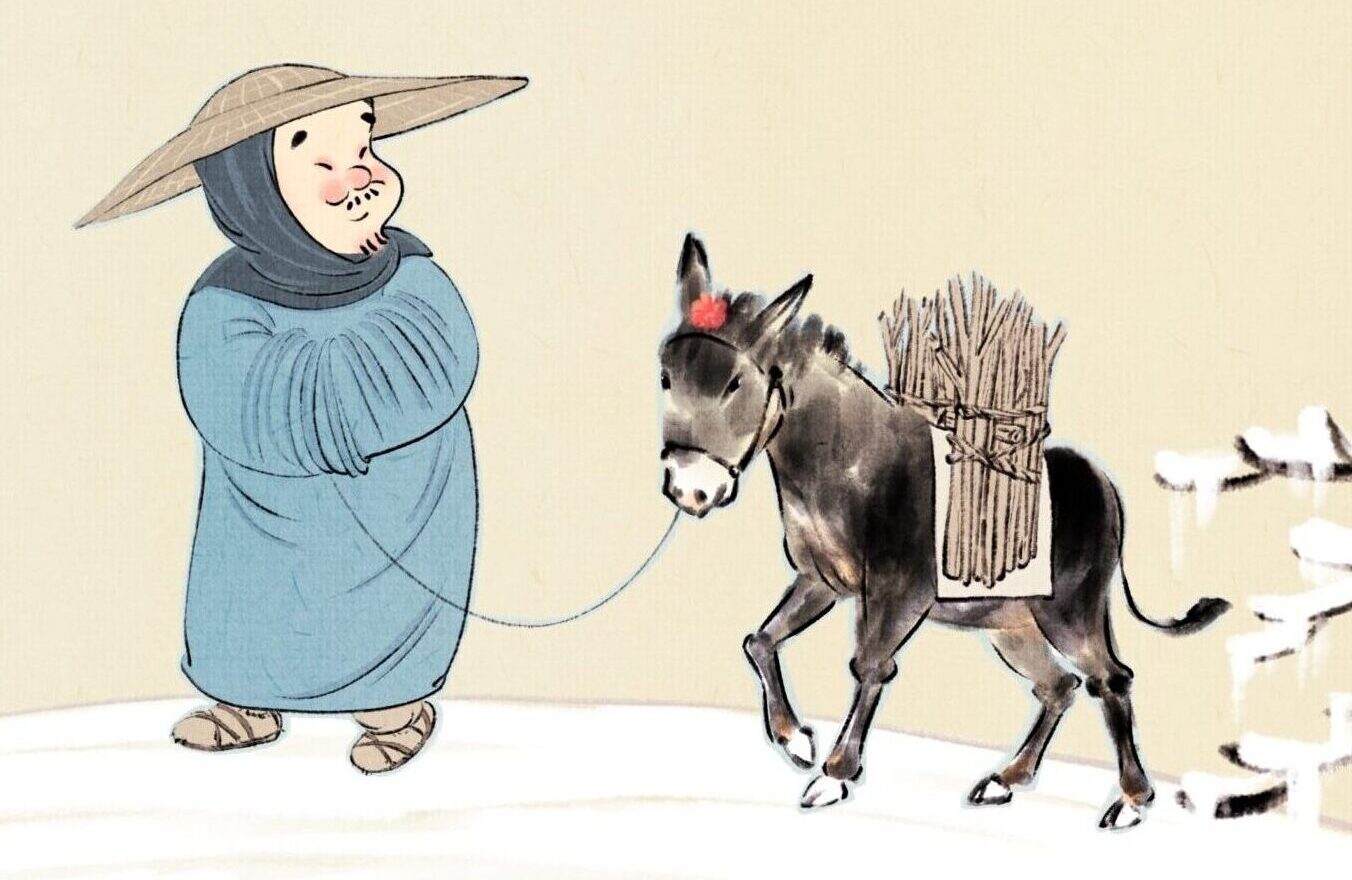
Walking through Siberia in the dead of winter may not, on the face of it, sound like a very good…

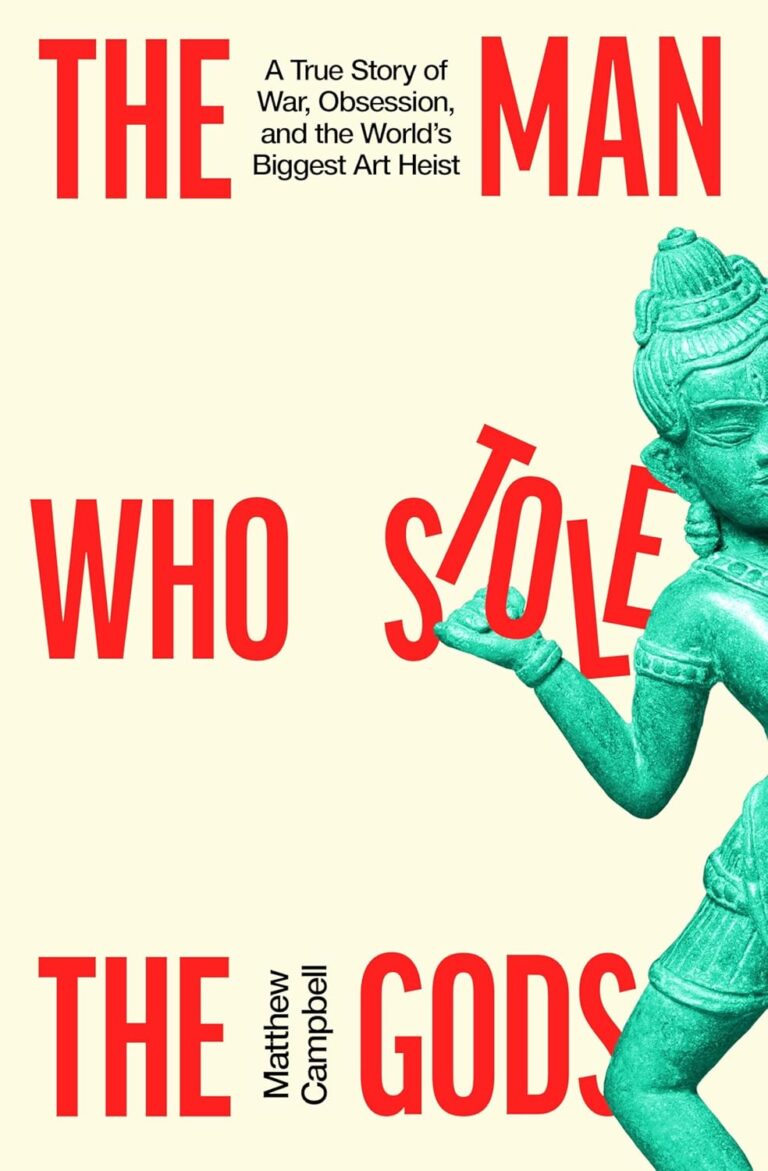
“The Man Who Stole the Gods” by Matthew Campbell
A New York Times headline from late February read “Cambodia Celebrates the Return of Looted Artifacts From a Tainted Dealer”. It wasn’t front-page news, and readers may have missed the connection to previous scandals involving such storied institutions as New York’s Metropolitan Museum, the Smithsonian, the Denver Art Museum, Sotheby’s and Spinks, all of whom…

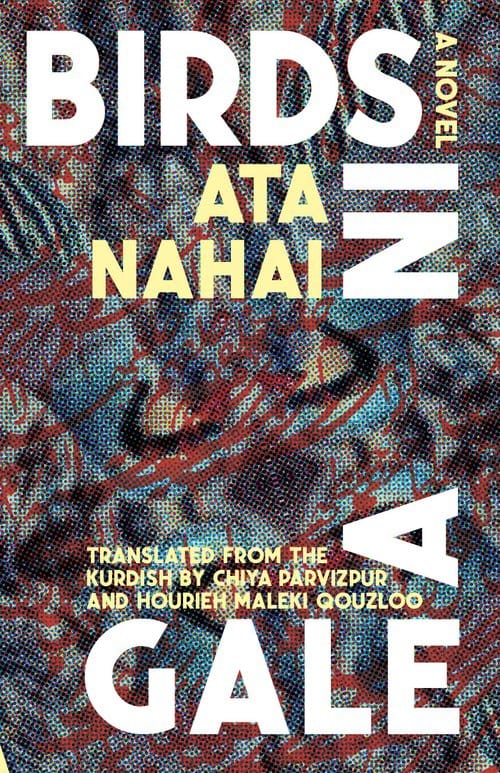
“Birds in a Gale: A Novel” by Ata Nahai
Nahai, who hails from Iranian Kurdistan, is regarded as one of the leading contemporary novelists writing in Kurdish. Birds in a Gale, originally published in 2002 and set in the Iran of the 1990s to consider the aftermath of the Iranian revolution of 1979, is one of his most celebrated novels and demonstrates both his…

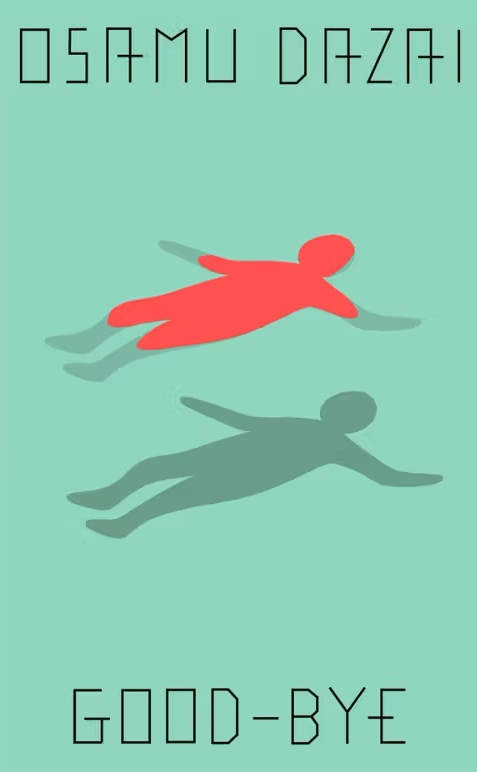
“Good-Bye” by Osamu Dazai
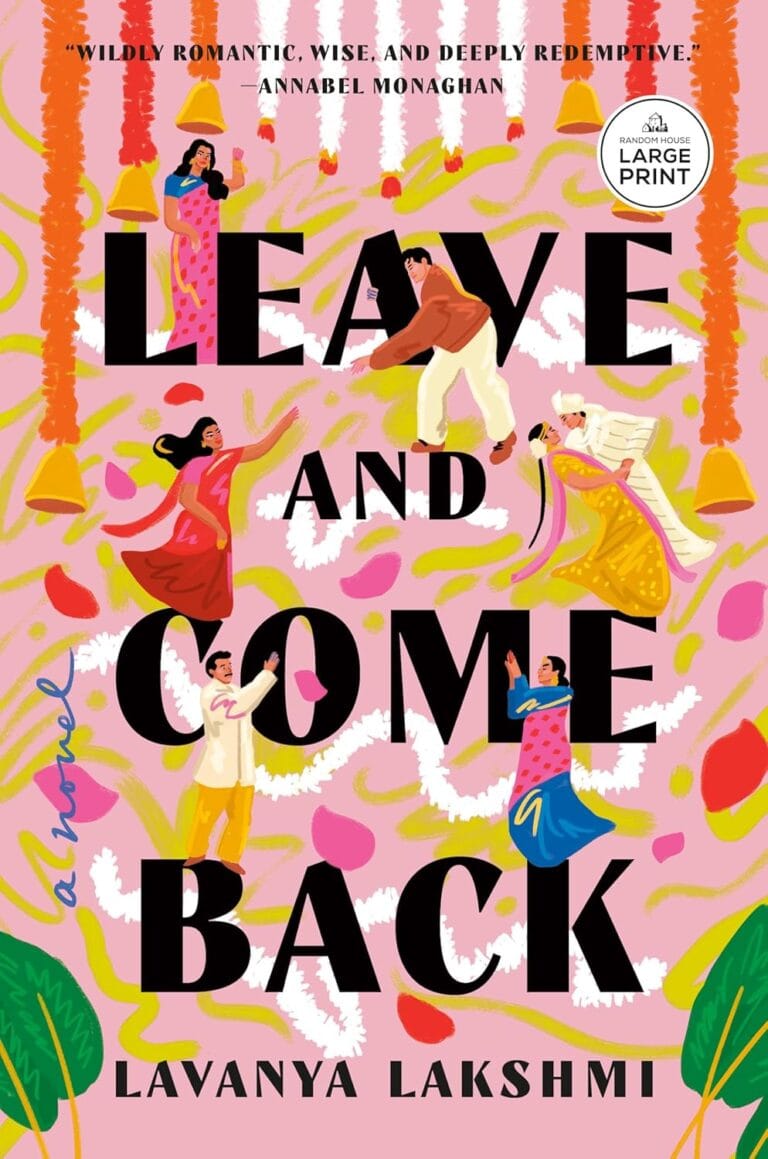
Osamu Dazai’s Good-Bye is a collection of short stories picked from different stages of his career, most of which have…“Leave and Come Back” by Lavanya Lakshmi
Shah Rukh Khan is such a well-known Indian actor that his name is likely to be recognized even by people…

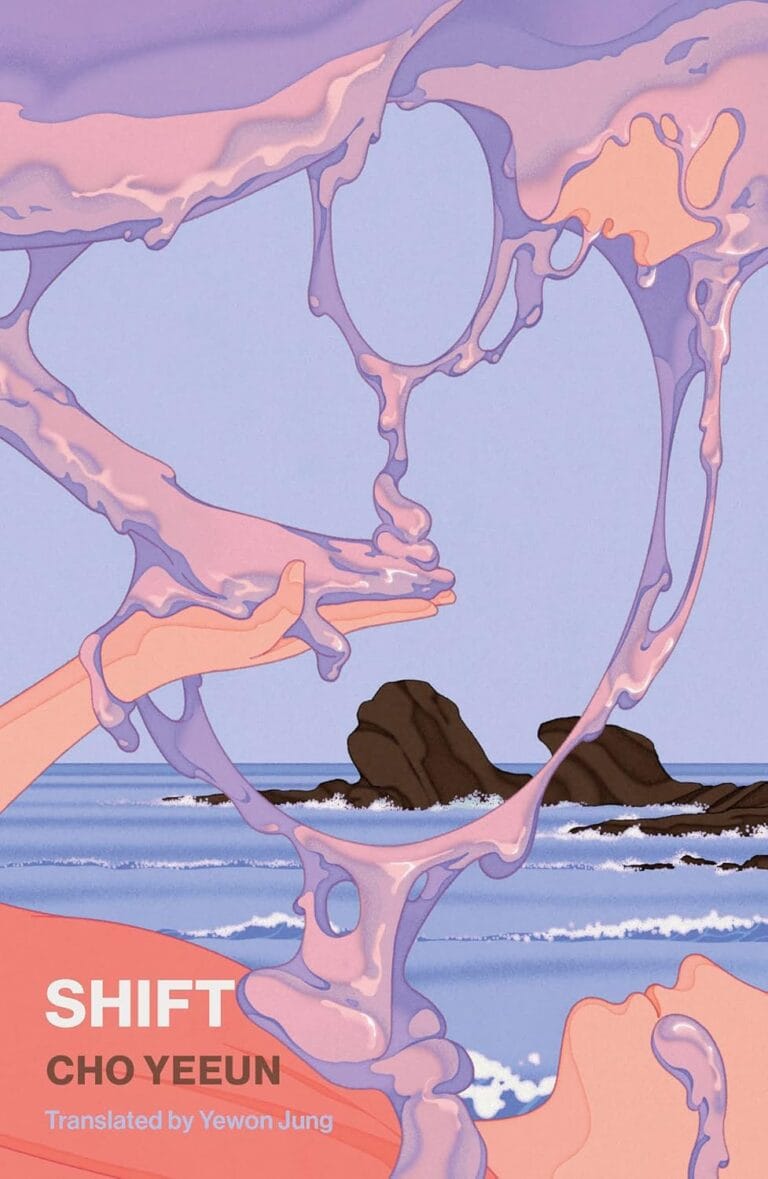
“Shift” by Cho Yeeun
At first, Cho Yeeun’s Shift, recently translated by Yewon Jung, might be mistaken for a straight-up detective novel. Yi Chang,…
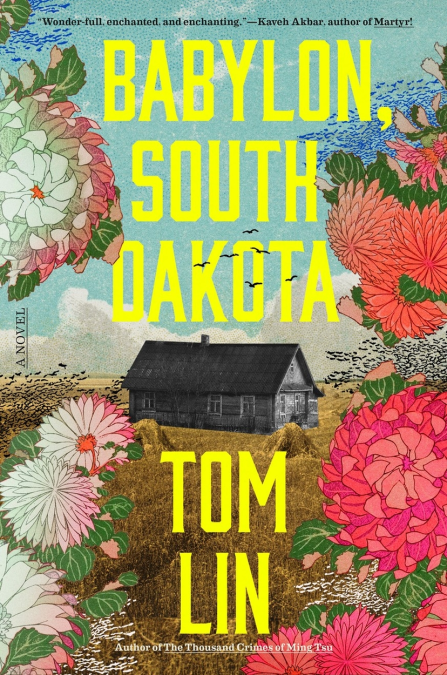
“Babylon, South Dakota” by Tom Lin
Tom Lin’s debut novel, The Thousand Crimes of Ming Tsu, paid homage to the American Western, with a Chinese twist,…

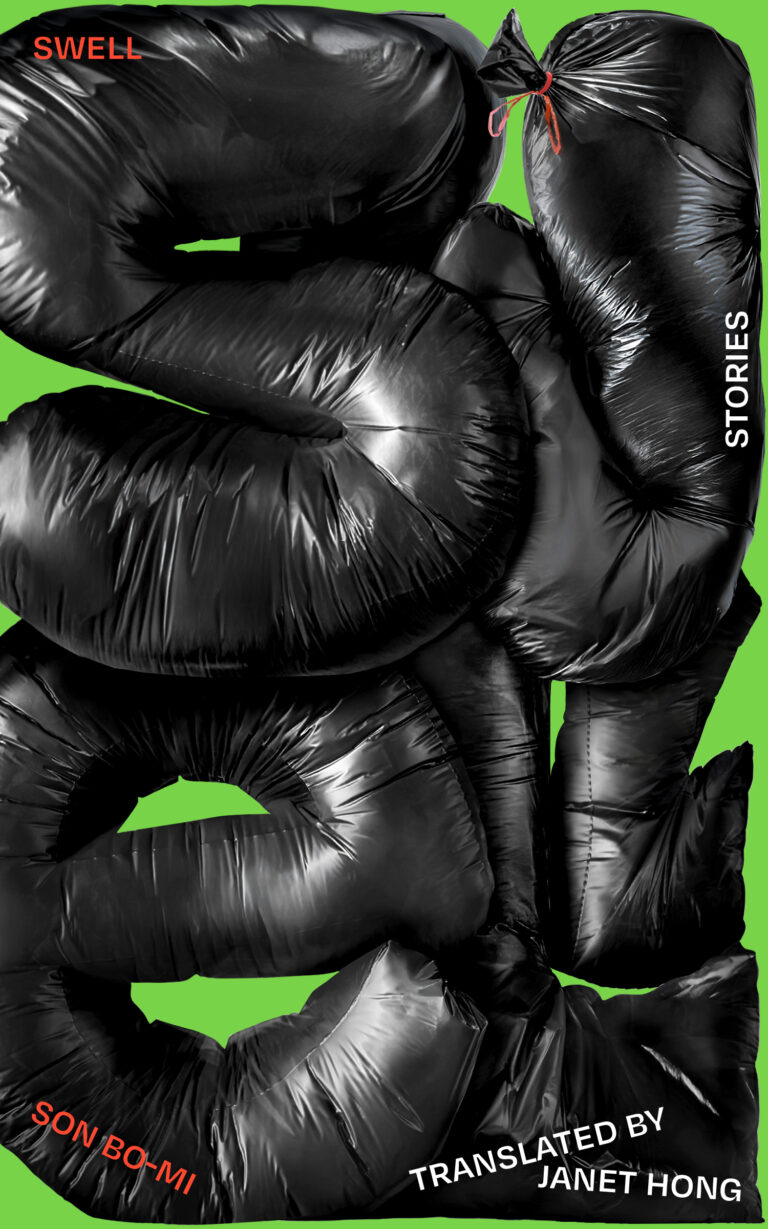
“Swell” by Son Bo-mi
A teenage boy goes to a concert of his favourite rock band with his father only to become a victim of mass shooting. In a parallel lifetime, he returns from the concert completely unharmed while his father suffers life-altering injuries. Which of these two versions of their lives is “true”? Swell, Son Bo-mi’s collection of…
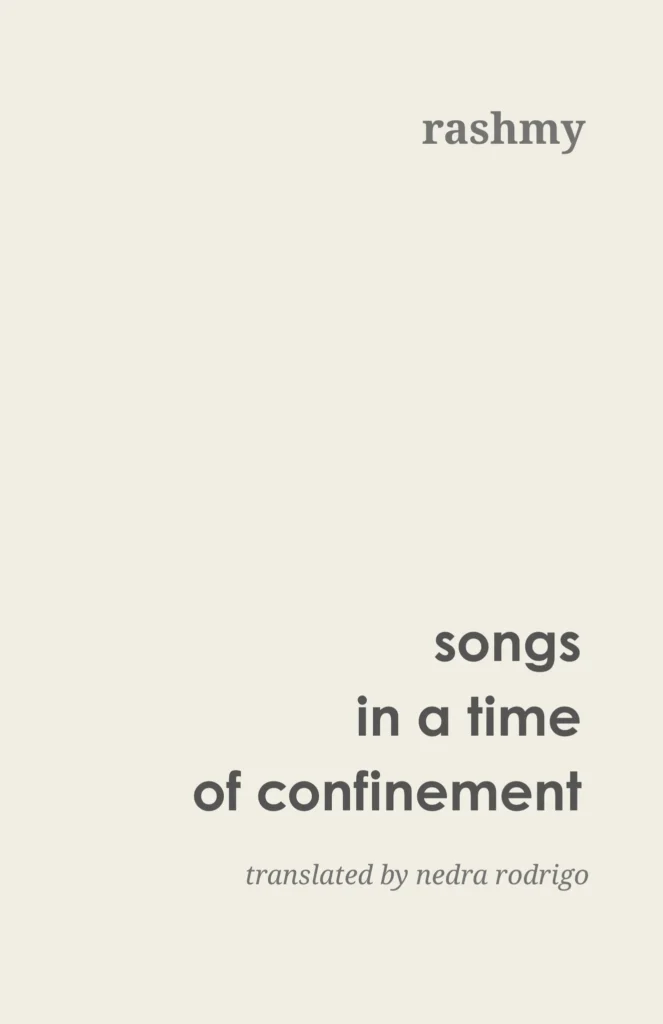
“Songs in a Time Confinement” by Rashmy
Rashmy writes poetry in a Tamil unique to the East Coast of Sri Lanka, embedded in its ecologies and heavily influenced by its folklore, centuries of trade, and echoes of…
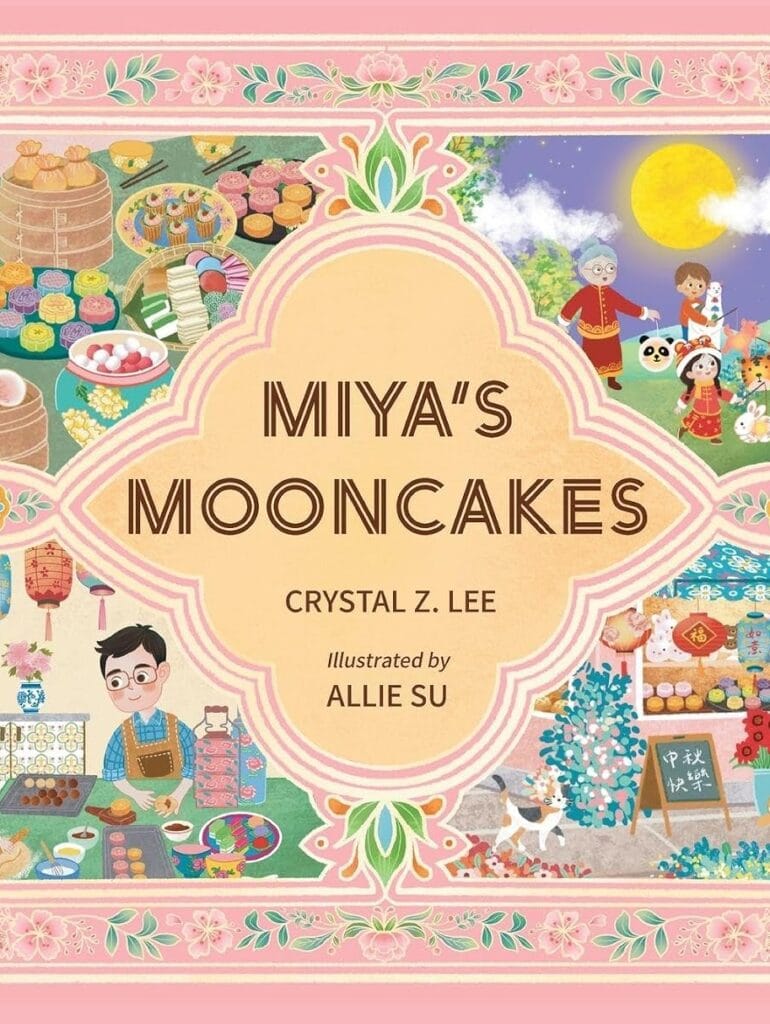
“Miya’s Mooncakes” by Crystal Z Lee
It’s almost time for Miya’s favorite holiday, the Mid-Autumn Festival. She loves all the holiday traditions: moon gazing, lighting lanterns, and best of all, baking and eating mooncakes! But after…
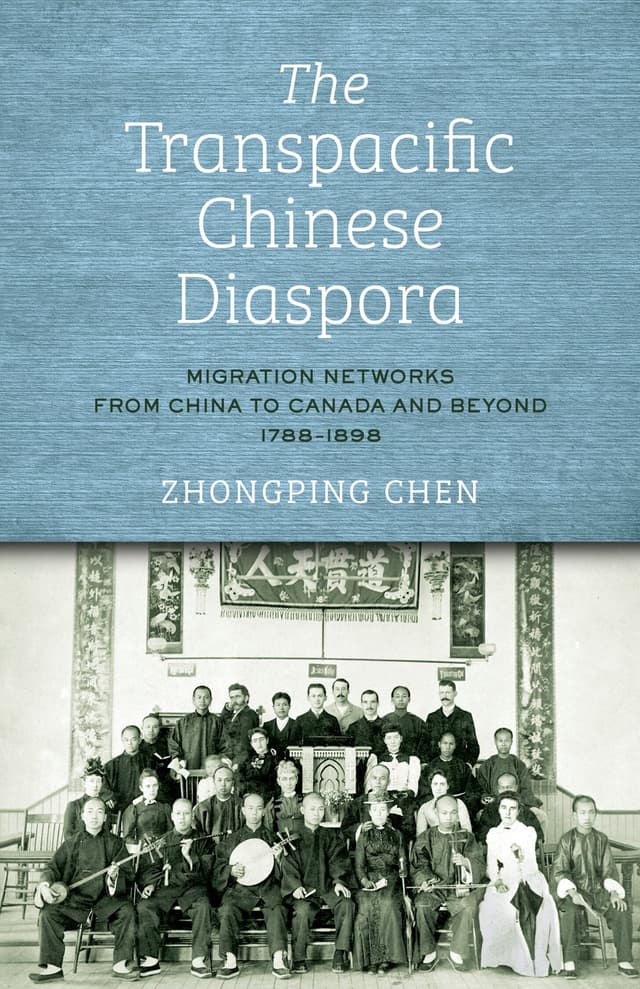
“The Transpacific Chinese Diaspora” by Zhongping Chen
In The Transpacific Chinese Diaspora, Chen examines the origins, rise, and reform of the Cantonese-dominated Chinese diaspora in Canada between 1788 and 1898. Combining a diasporic approach with both qualitative…
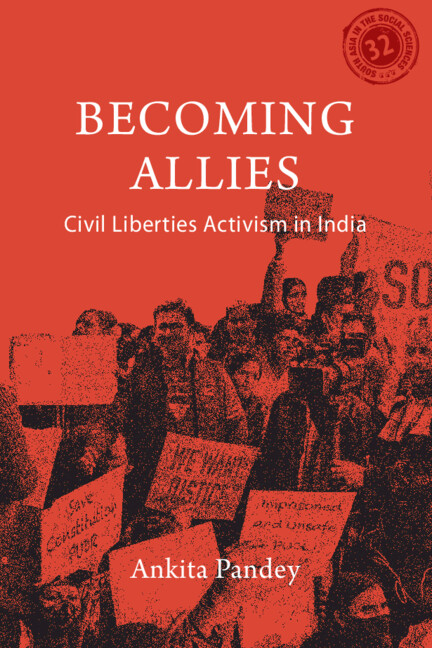
“Becoming Allies: Civil Liberties Activism in India” by Ankita Pandey
What motivates individuals to stand up against injustices that don’t personally affect them? Becoming Allies explores a vital but often overlooked dimension of social movements: the role of those who…
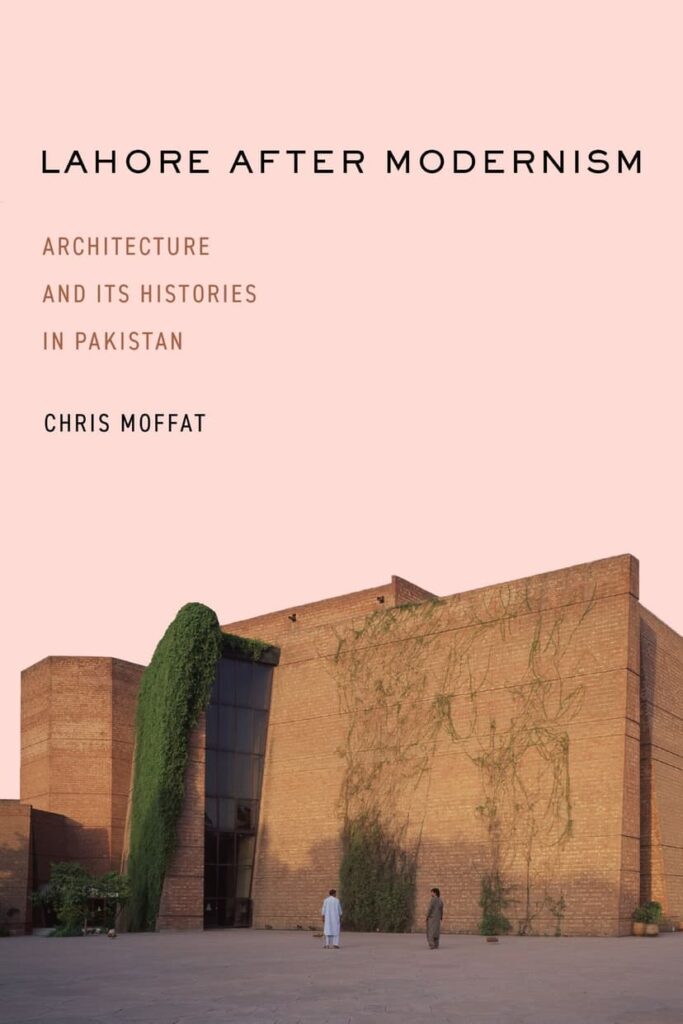
“Lahore After Modernism” by Chris Moffat
Lahore After Modernism is a pioneering study of architecture and the politics of construction, destruction and conservation in urban Pakistan. In the decades after independence in 1947, architects in Pakistan…
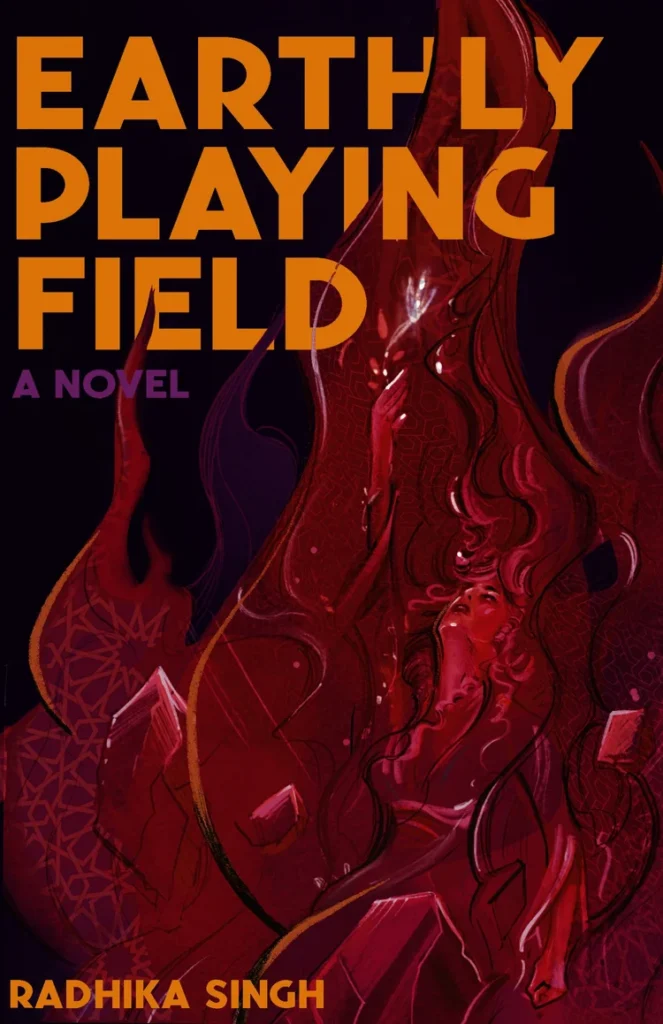
“Earthly Playing Field” by Radhika Singh
Roma has a steady job, a mortgage, and a surrogate family in Queens. But as she moves through her daily routines, the powerful Empire that rules her world bares its…
You must be logged in to post a comment.