What’s new

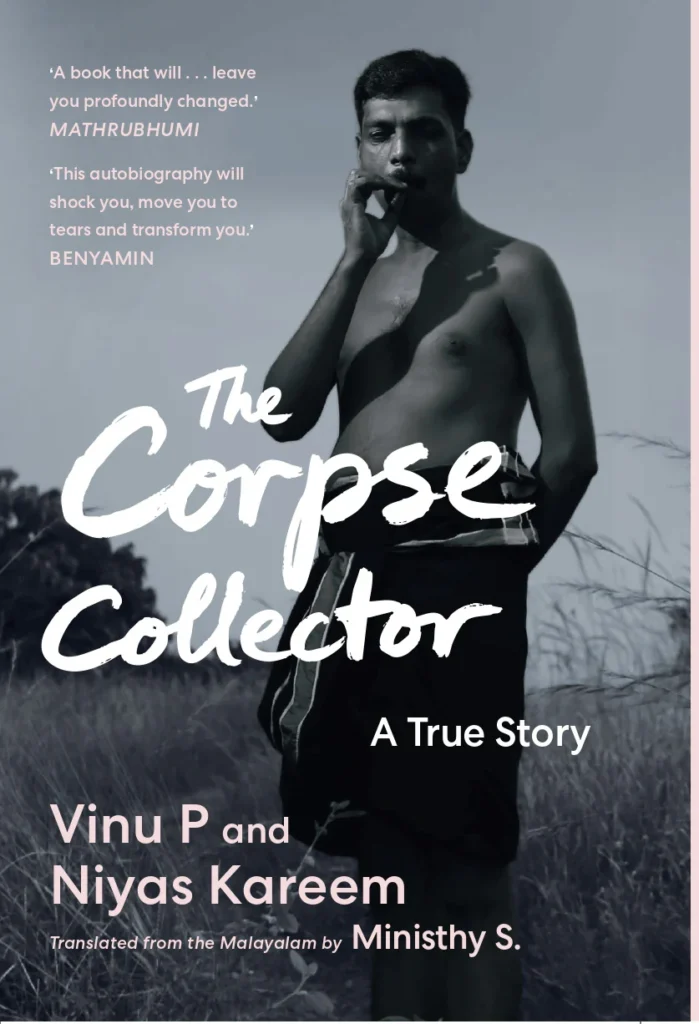
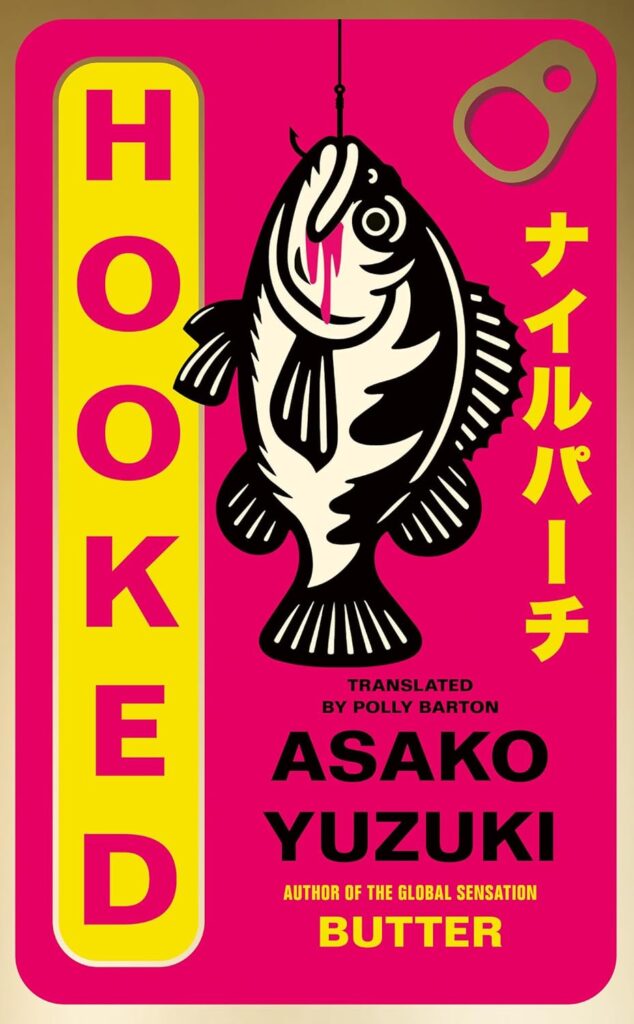

“The Corpse Collector”
Vinu P is a “corpse collector”; that is, he retrieves the bodies of those who die “unnatural” deaths—victims of accidents, suicides, and abandonment, and so on—and assists the police in the enquiries that follow. This being India, where Vinu lives and works in Kerala, what might elsewhere be considered the duties of a first responder…

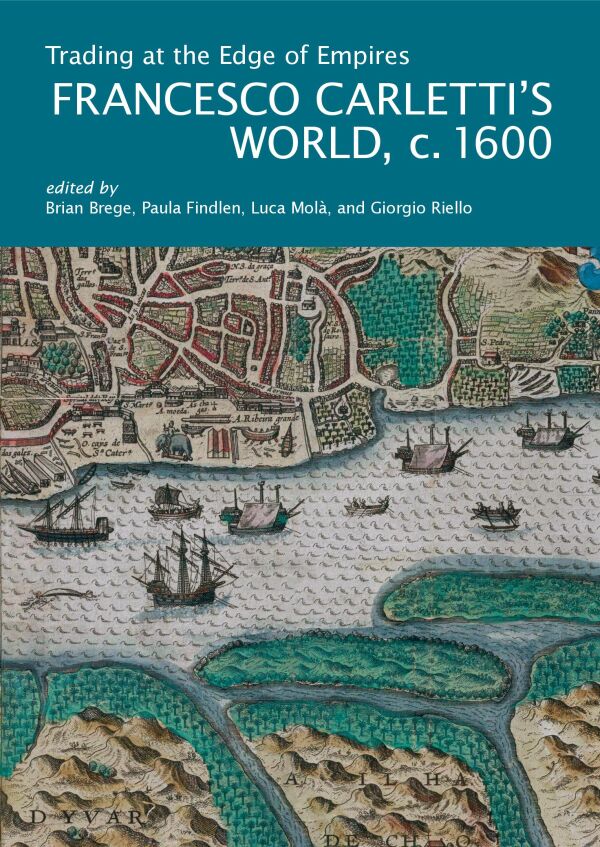
“Trading at the Edge of Empires Francesco Carletti’s World, c. 1600”
At the turn of the 17th century, Florentine Francesco Carletti left from Seville with his father Antonio for Cape Verde,…
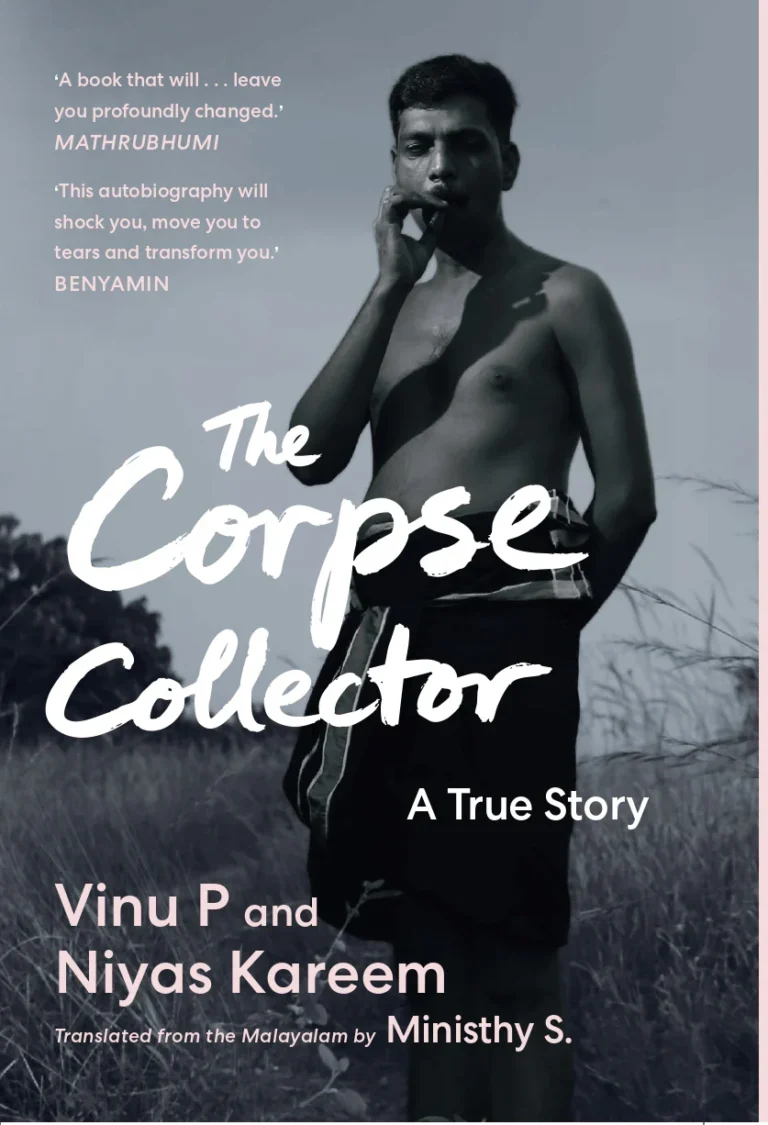
“Writing Between Languages: Translation and Multilingualism in Indian Francophone Writing” by Sheela Mahadevan
Much of the contemporary Indian literary landscape features writing in English and Indian languages, but Sheela Mahadevan points to the…
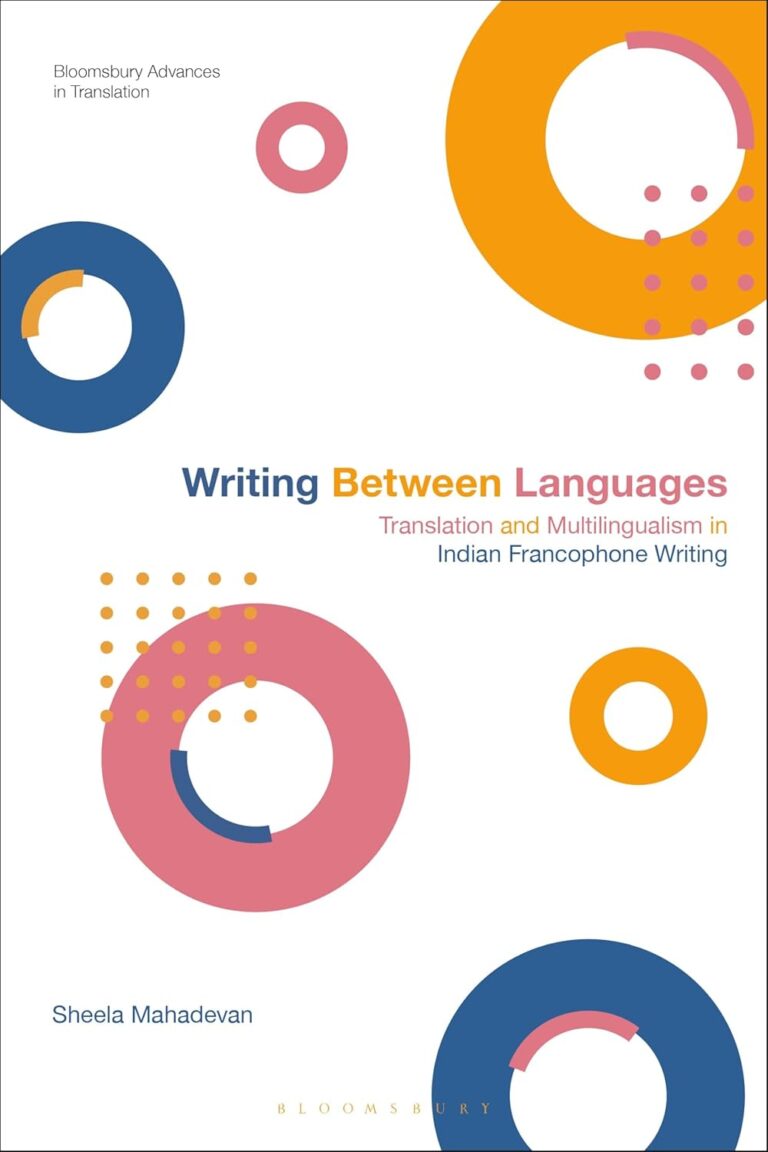

“The Craft of Indo-Arabic Numerals: How Practical Arithmetic Shaped Commerce and Mathematics in Western Europe, 1200-1600” by Raffaele Danna
There is, despite the title, very little that is Asian in Raffaele Danna’s new The Craft of Indo-Arabic Numerals. The…
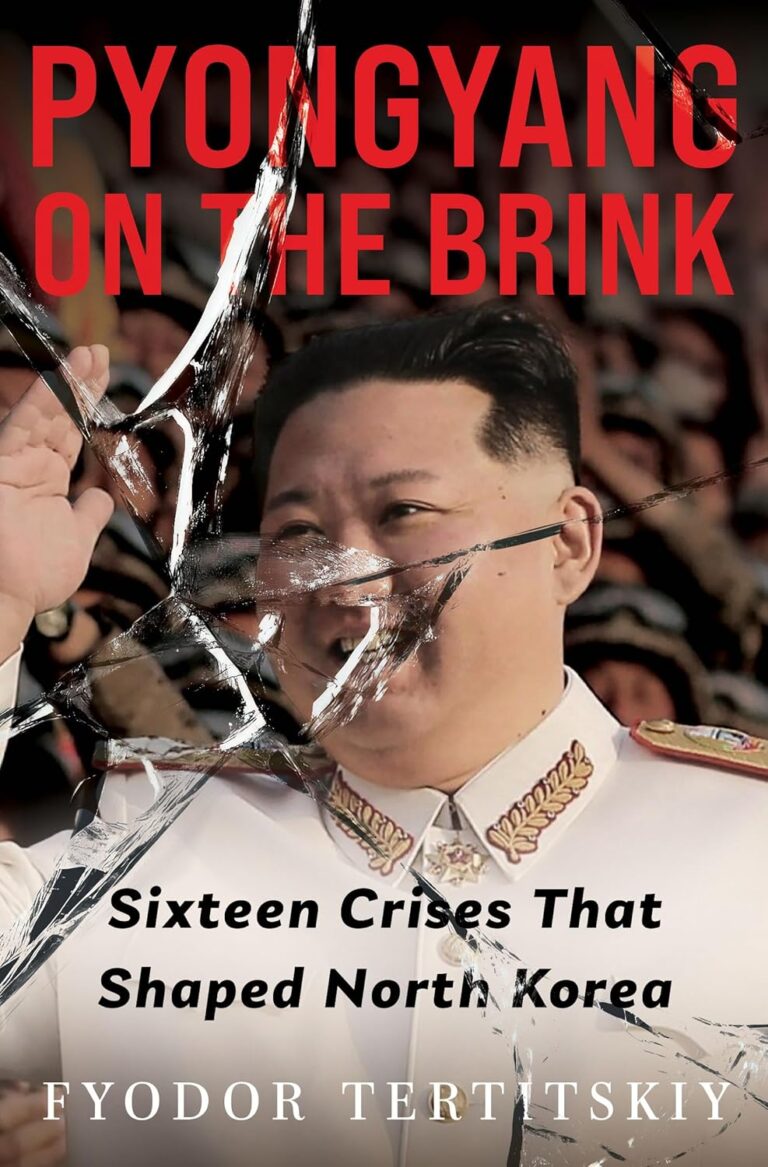
“Pyongyang on the Brink: Sixteen Crises That Shaped North Korea” by Fyodor Tertitskiy
Sequels seldom seem as good as the works from which they spring. Many seem to repeat the originals, simply going…

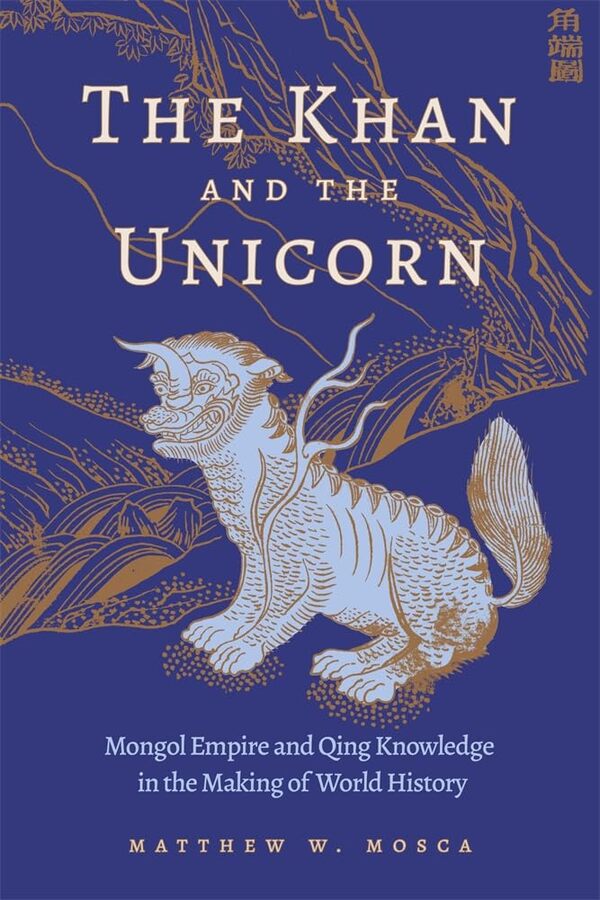
“The Khan and the Unicorn: Mongol Empire and Qing Knowledge in the Making of World History” by Matthew V Mosca
Leading the vanguard of his armies across India, Genghis Khan suddenly encountered an uncanny animal, blue‑green in colour, with the body of a bull, the tail of a horse, and a single horn. The Great Khan declared this apparition inauspicious, turned his reins, and led his army back to Mongolia. In The Khan and the Unicorn,…

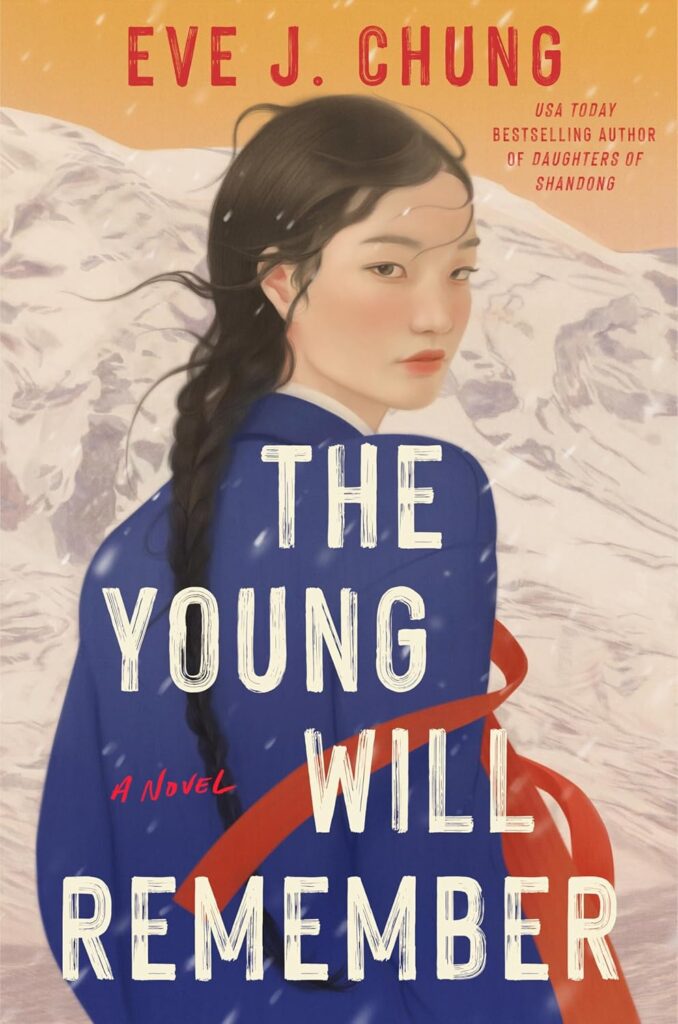
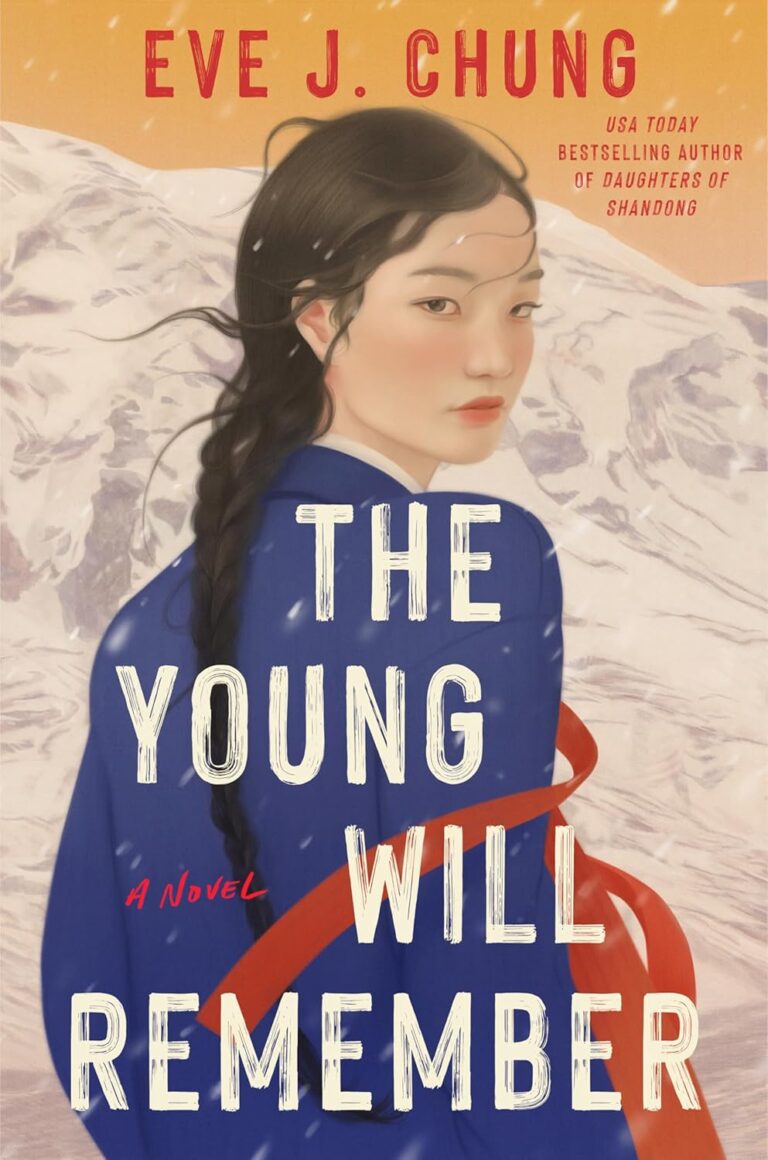
“The Young Will Remember” by Eve J Chung
A number of female war correspondents and photographers covered the Korean War for the American media, although much of this history has faded from public consciousness. Eve J Chung resurrects the memory of these journalists in her new novel, The Young Will Remember, an engaging story that revolves around Ellie Chang, a Chinese American war…

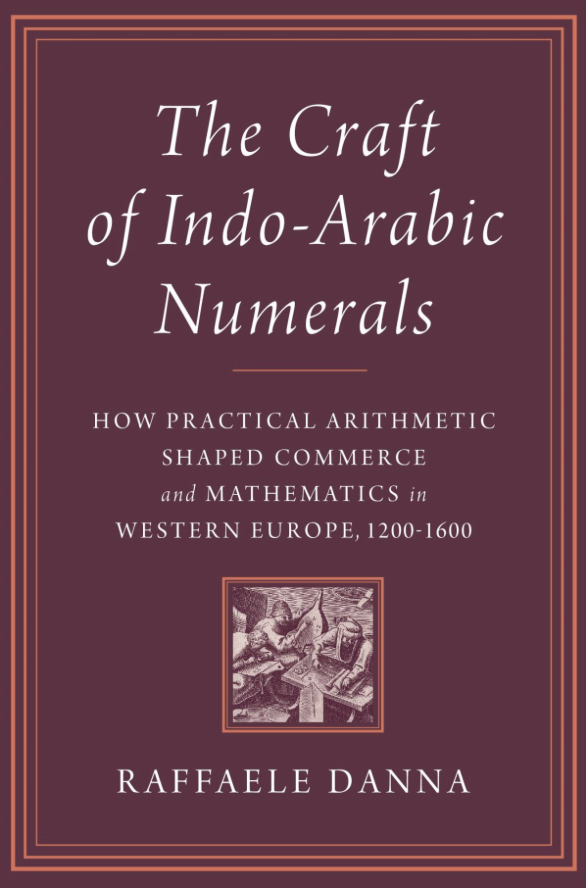
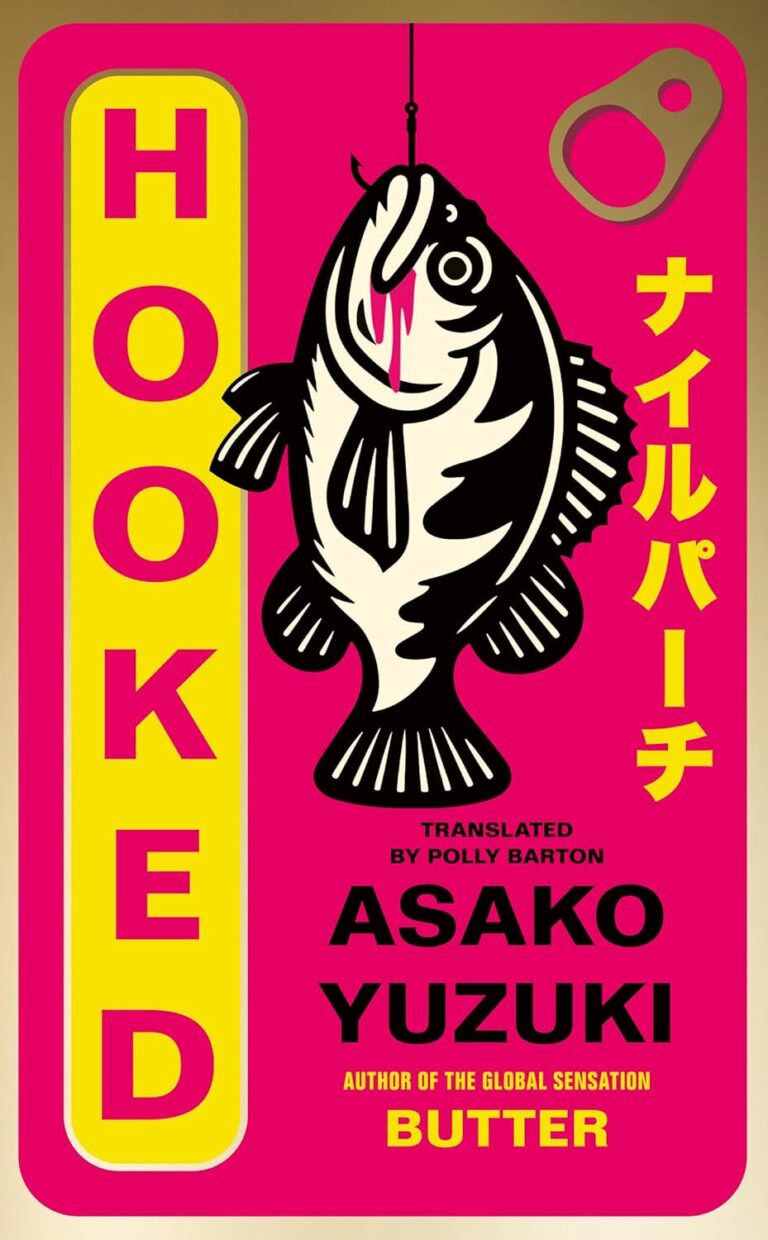
“Hooked: A Novel of Obsession” by Asako Yuzuki
Asako Yuzuki came onto the English literary scene with her best-selling novel, Butter: A Novel of Food and Murder, based…“The Competition of Unfinished Stories” by Sener Ozmen
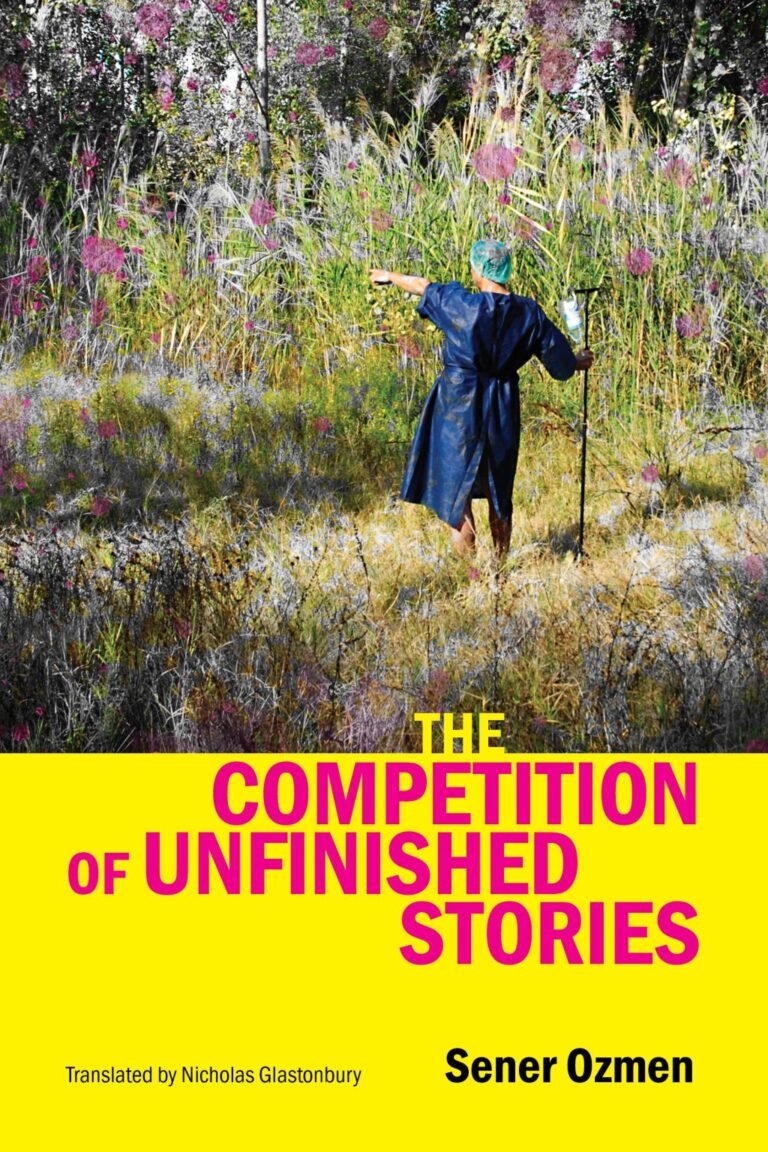
Sertac Karan, a Turkish-Kurd and the protagonist of this absurdist black comedy, is a would-be writer who is alienated from…

“The Dog Meows, the Cat Barks” by Eka Kurniawan
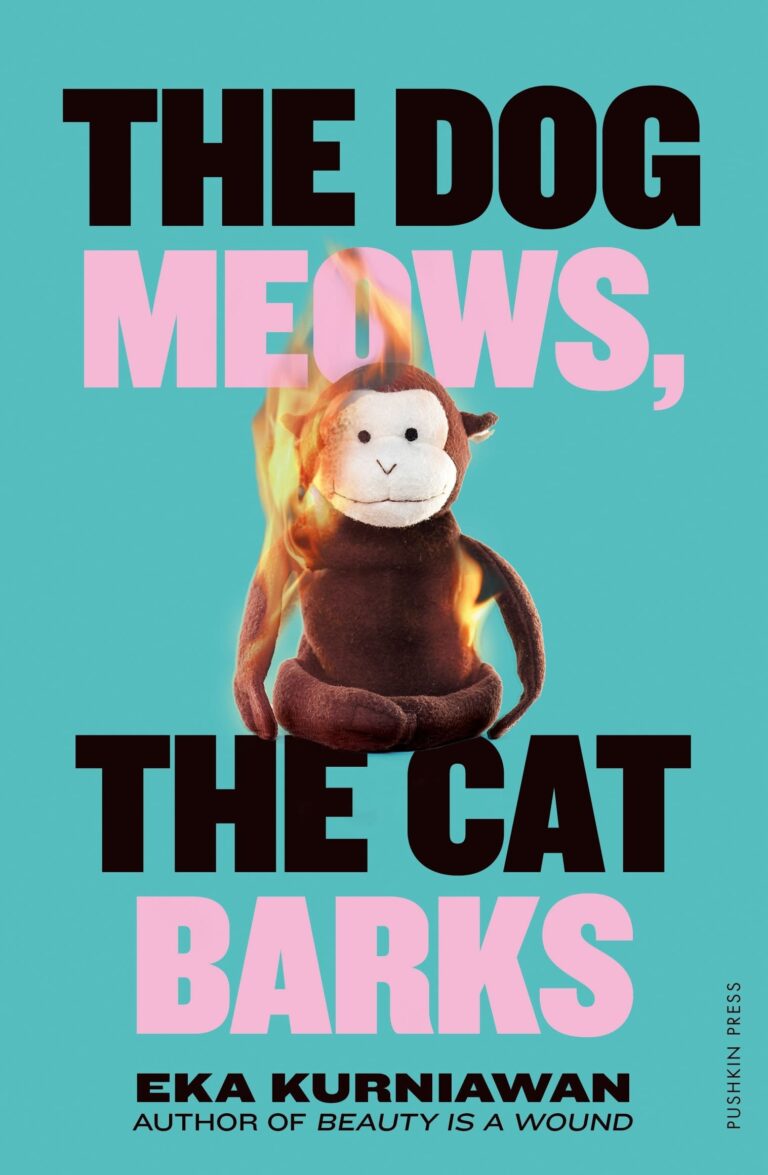
Eka Kurniawan’s The Dog Meows, the Cat Barks follows the coming of age of Sato Reang, a mischievous boy growing up…
“No Man River” by Dương Hướng
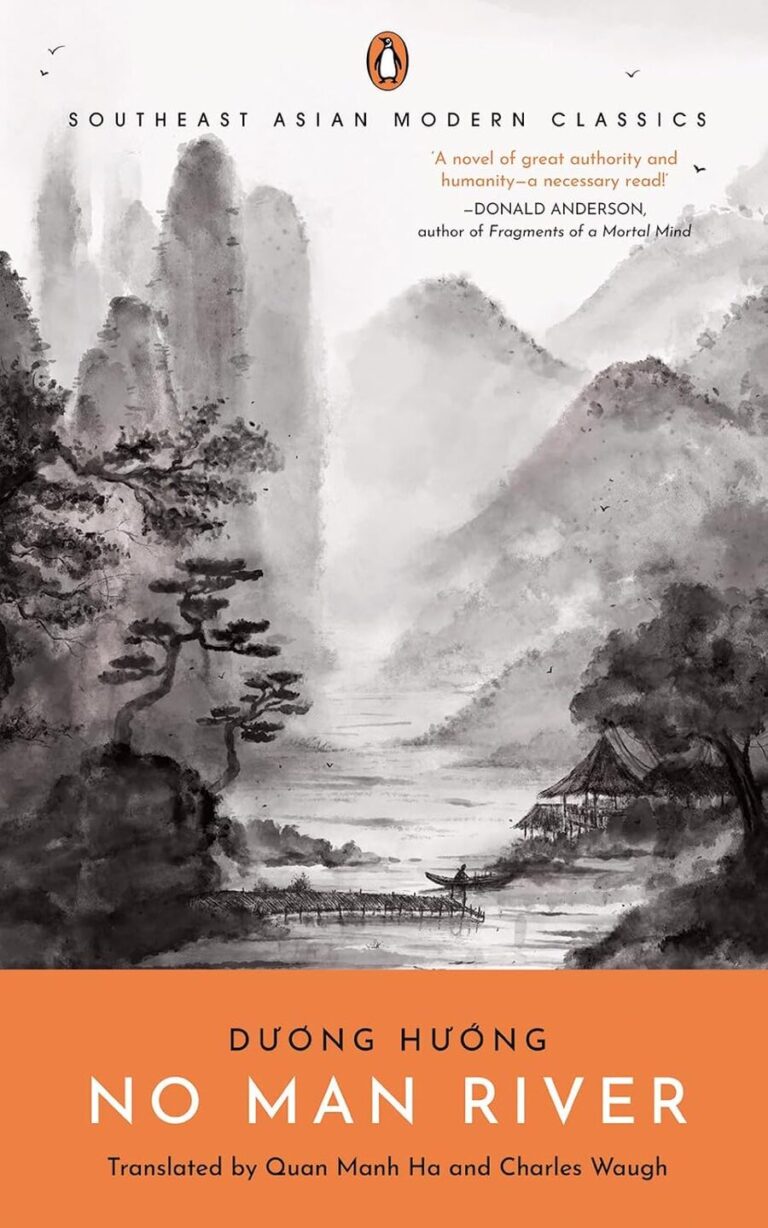
War, in No Man River, is an endless affair. Sprawling from the 1950s to the 1970s, the novel follows a close-knit…

“Sakura” by Kanako Nishi
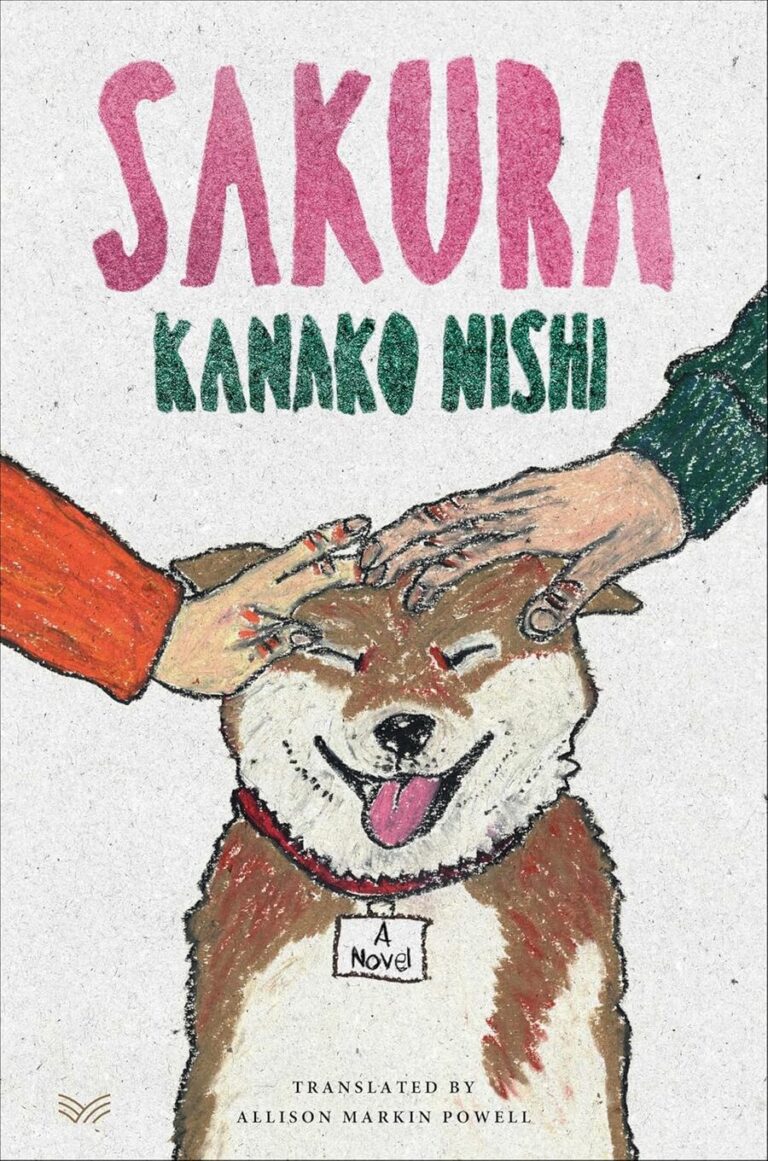
The Osaka-based Hasegawas used to be a model family—happily married, two sons, a daughter, and a dog. But when the elder son Hajime dies at the age of twenty, their lives start falling apart. Each reacts to loss differently: Kaoru, the younger son and the narrator of the story, leaves to study in Tokyo but…
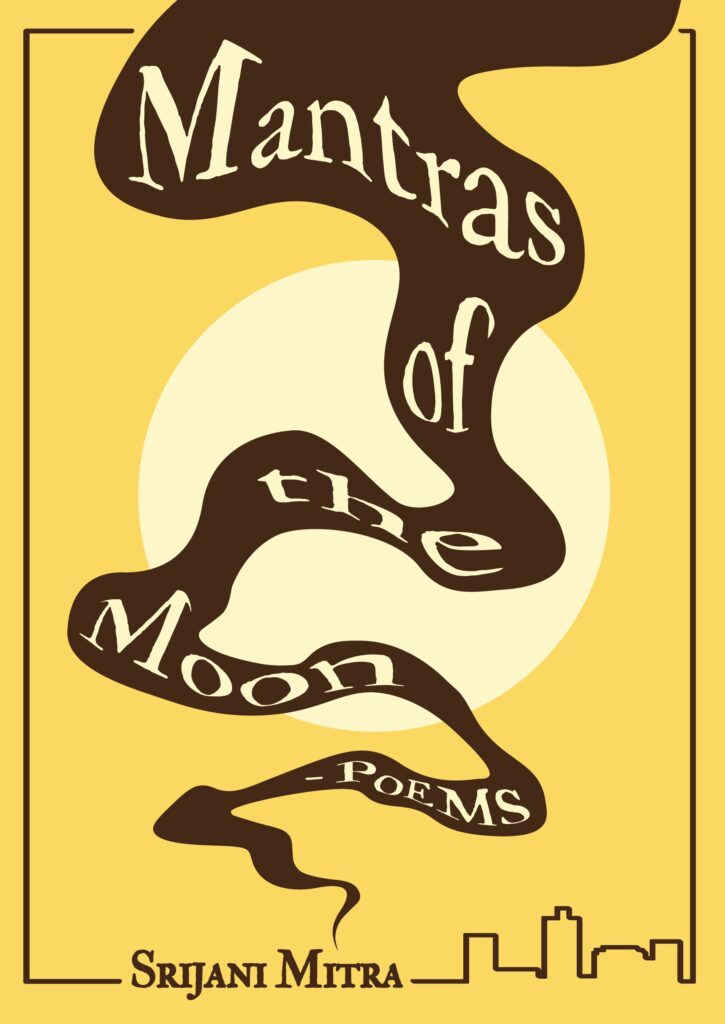
“Mantras of the Moon” by Srijani Mitra
Mantras of the Moon is a luminous collection of poems born from the desire to explore the self, memory, and Indian heritage. These poems weave together psychology, mythology, desire, and…
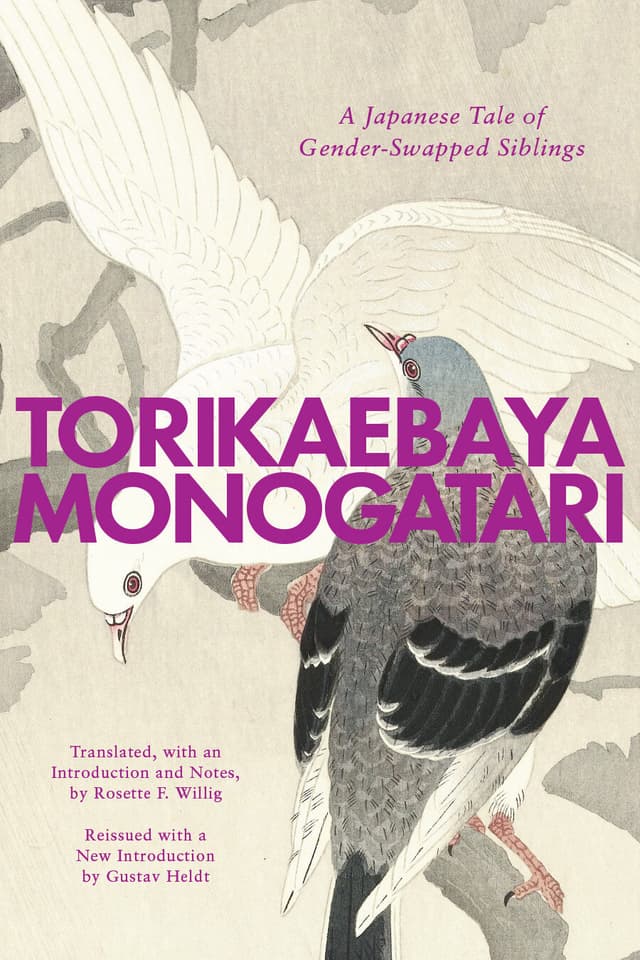
“Torikaebaya Monogatari: A Japanese Tale of Gender-Swapped Siblings”
Torikaebaya Monogatari is a twelfth-century Japanese tale like no other. As suggested by its title, which literally translates to “if only I could exchange them” (torikaebaya) “story” (monogatari), it follows…
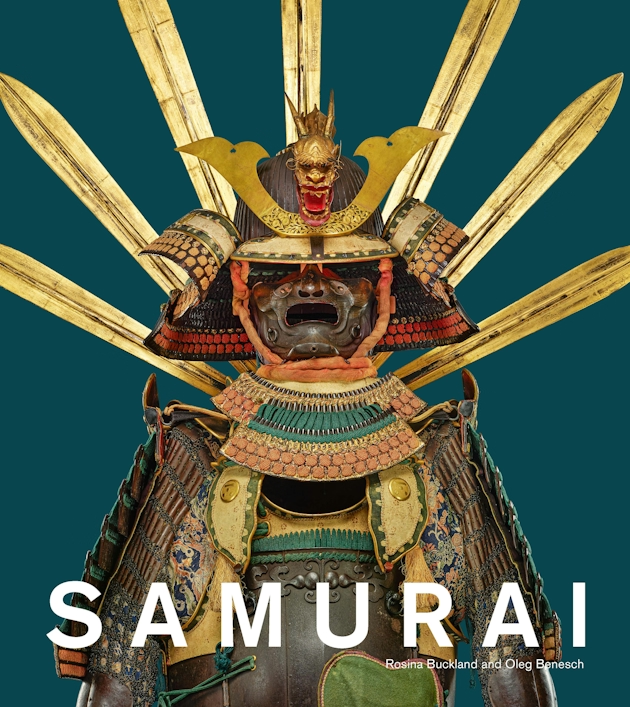
“Samurai” by Rosina Buckland and Oleg Benesch
Lavishly illustrated, Samurai explores the reality and myths of the samurai from medieval times to today’s popular culture through objects from international collections. Essays by scholars throughout the book discuss…
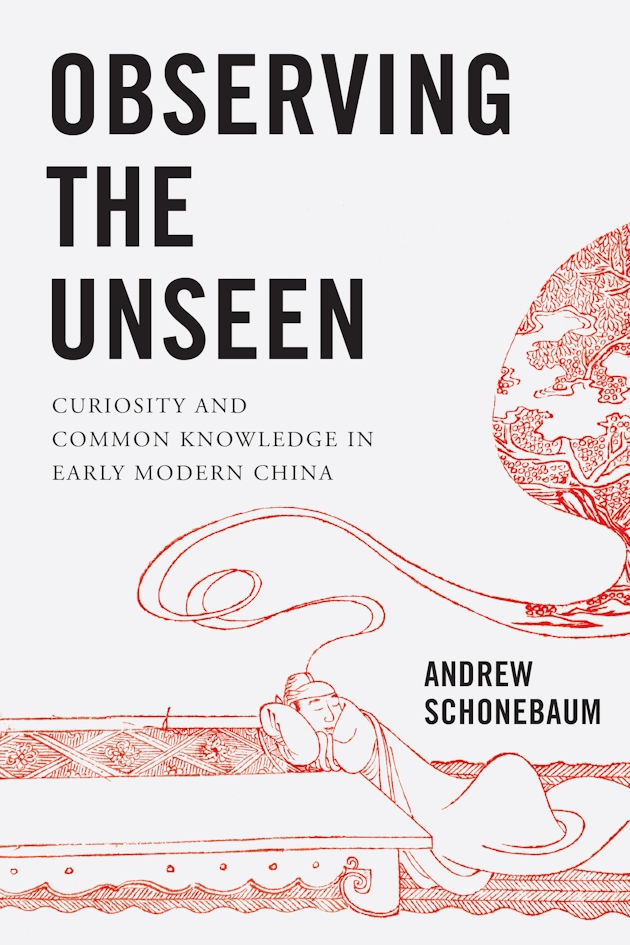
“Observing the Unseen: Curiosity and Common Knowledge in Early Modern China” by Andrew Schonebaum
Observing the Unseen explores how literate and marginally literate people in China between the sixteenth and nineteenth centuries investigated the invisible, the ubiquitous, and the inexplicable. Whether through medical encyclopedias, daily-use…
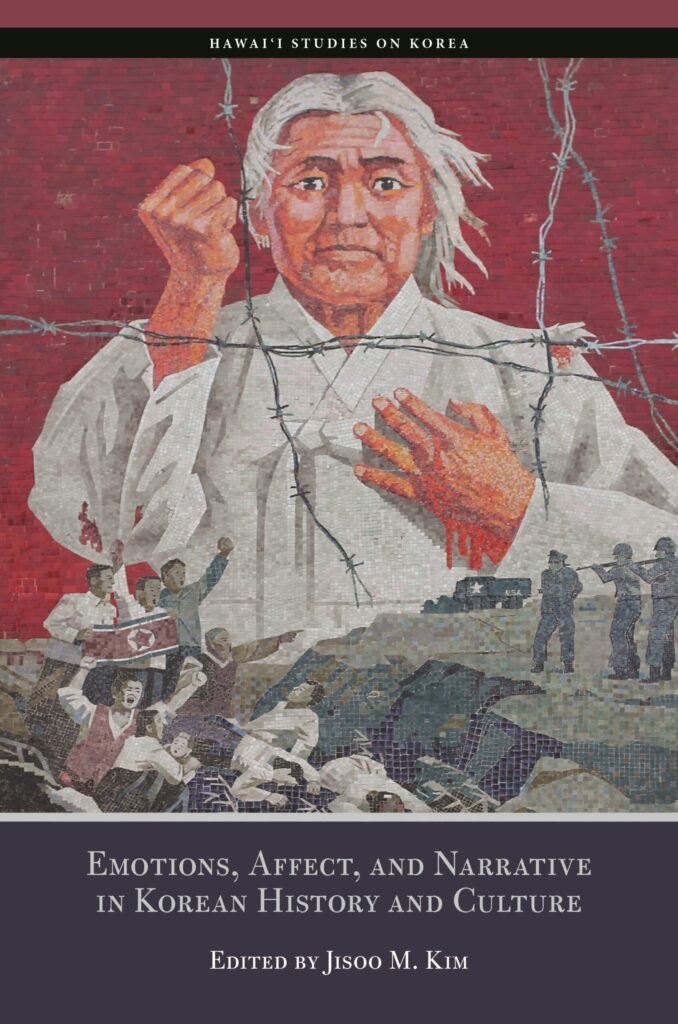
“Emotions, Affect, and Narrative in Korean History and Culture”, edited by Jisoo M Kim
This collection of eleven essays explores emotions and affect in Korean culture across a broad temporal span, from the Koryŏ dynasty (918–1392) to the present. Drawing on a diverse array…
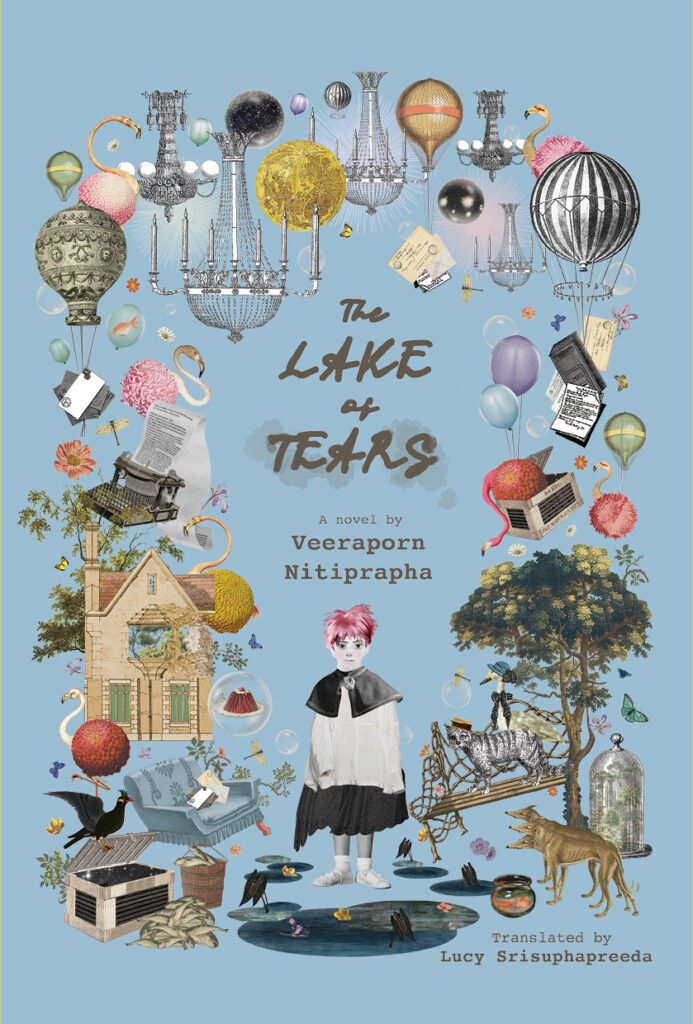
“The Lake of Tears” by Veeraporn Nitiprapha
The Lake of Tears is Veeraporn’s third novel, following The Blind Earthworm in the Labyrinth and Memories of the Memories of the Black Rose Cat. Unlike those novels, it is…
You must be logged in to post a comment.