What’s new
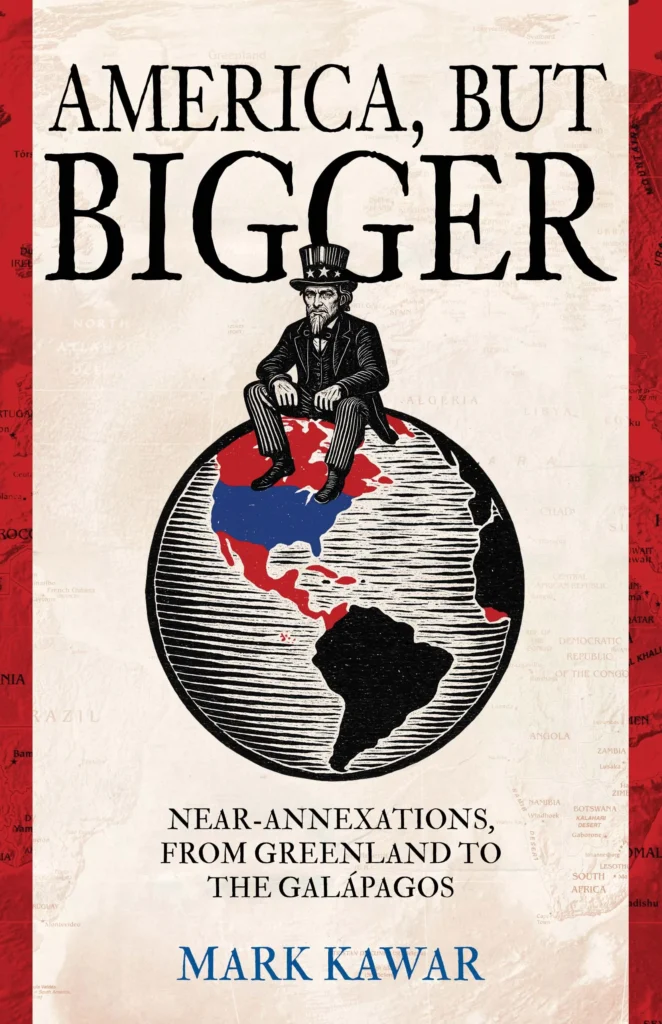
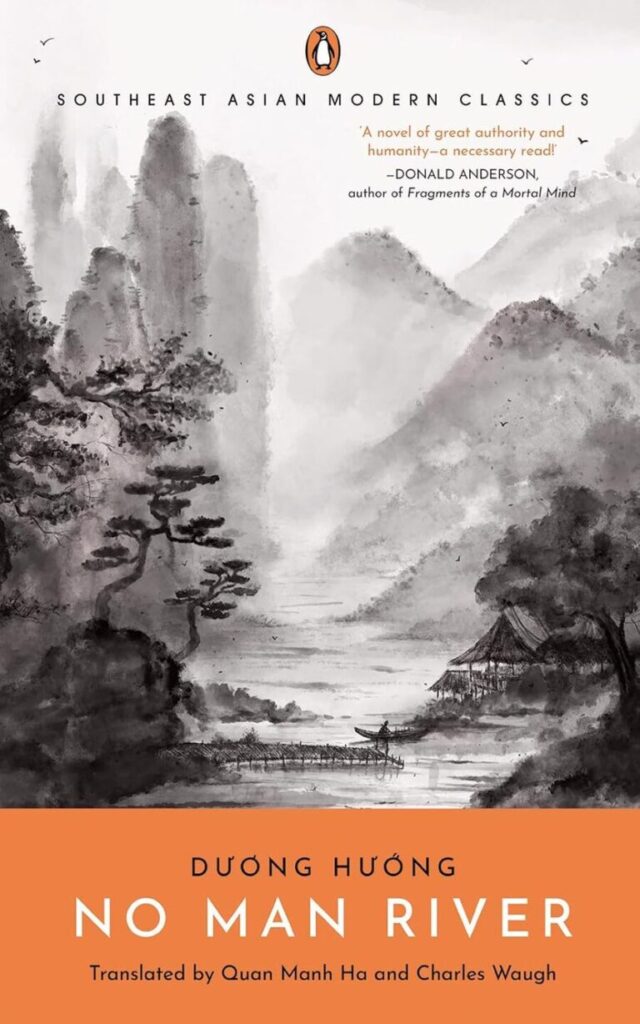

“America, but Bigger” by Mark Kawar
That the US is “imperialistic”, if not necessarily “imperial”, has been a point of political rhetoric my entire life. That, however, the US constitutes and maintains an actual empire is an idea of somewhat more recent vintage; whether or not Daniel Immerwahr was the first to make the point in How to Hide an Empire:…
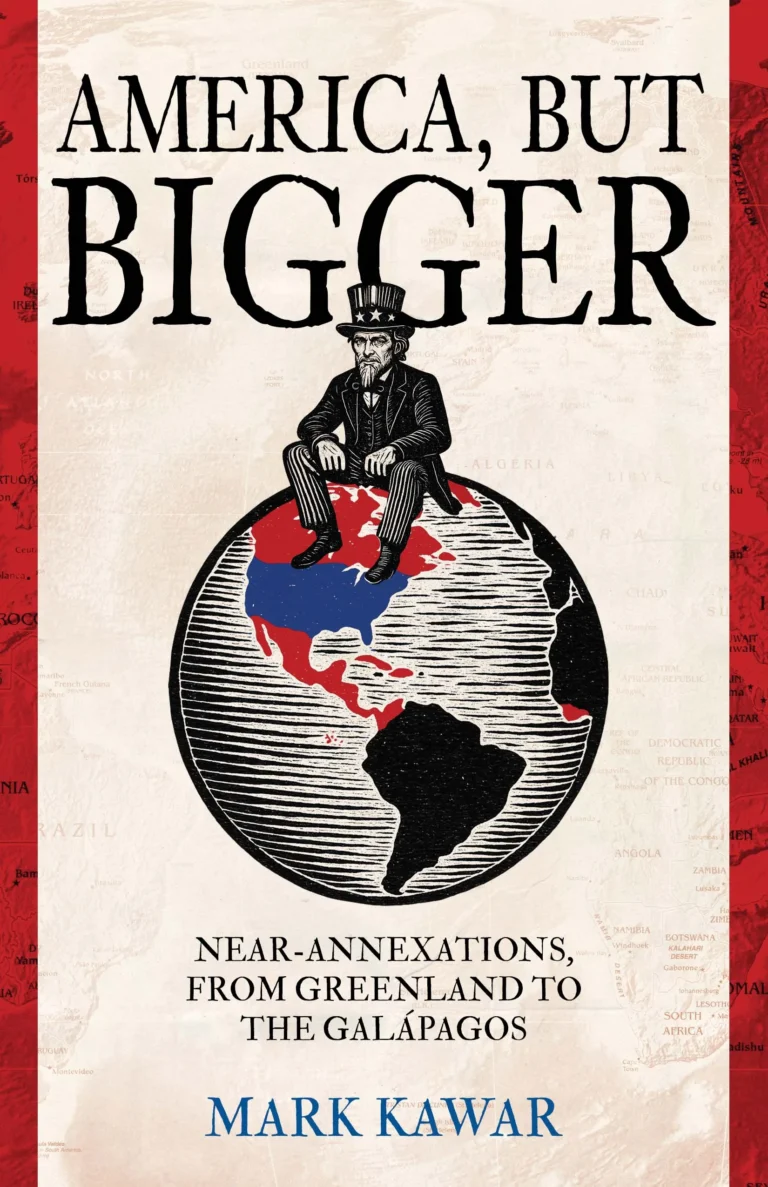

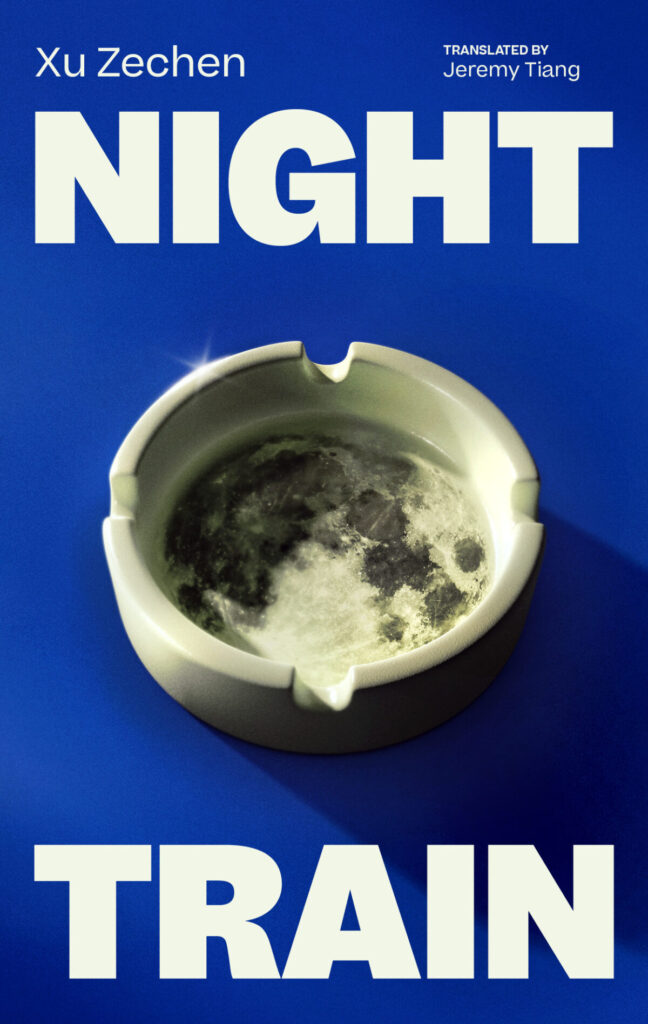
“Night Train” by Xu Zechen
Chen Munian is not a murderer. Yet who is he accused of murdering? Why can he not shake off the…
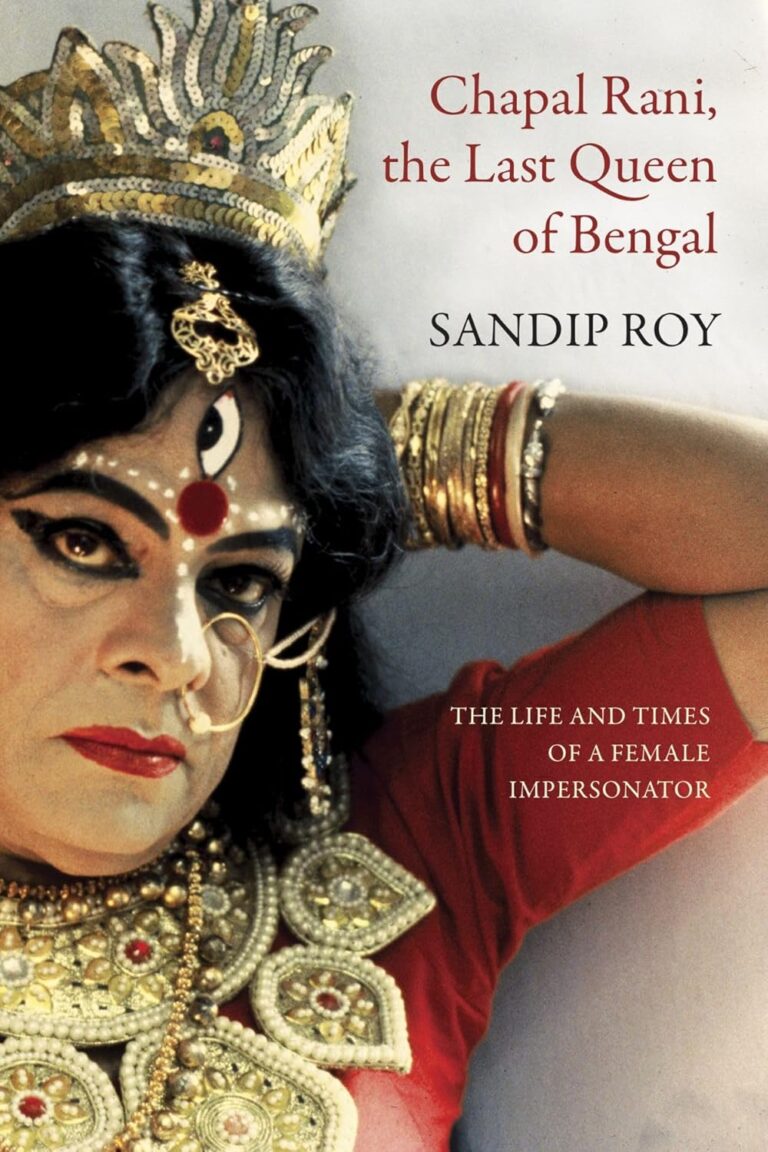
“Chapal Rani, the Last Queen of Bengal” by Sandip Roy
A young, aspiring actor joins an itinerant theatre troupe to perform on makeshift stages in remote villages, traveling from place…

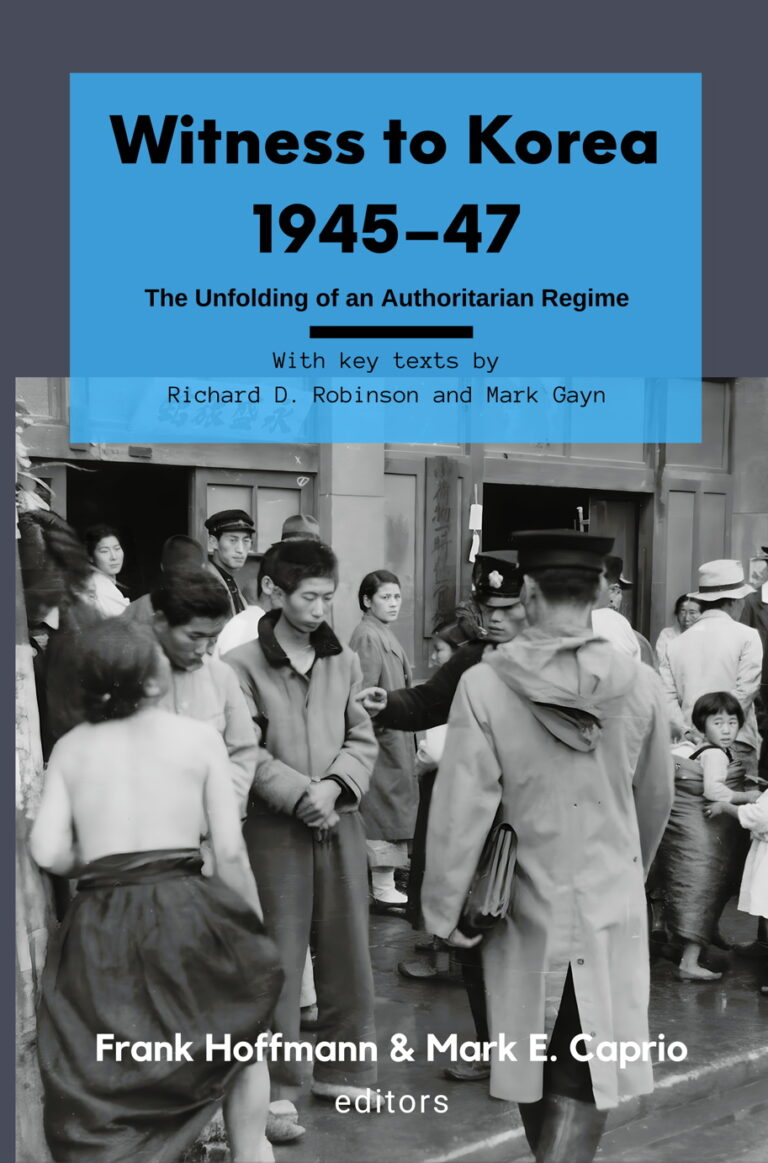
“Witness to Korea, 1945-47: The Unfolding of an Authoritarian Regime” by Frank Hoffmann and Mark E Caprio
Histories of the Korean War (1950-1953) published in the United States have been surprisingly numerous for a conflict known as…
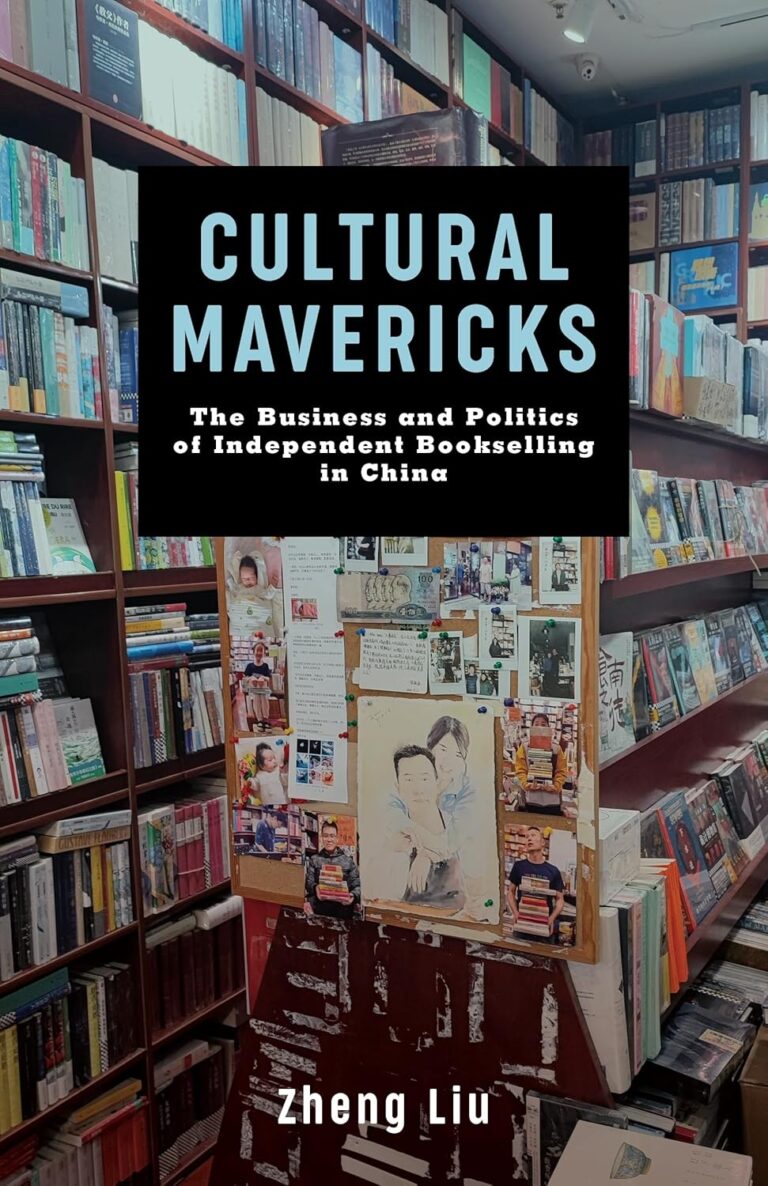
“Cultural Mavericks: The Business and Politics of Independent Bookselling in China” by Zheng Liu
Cultural Mavericks traces the rise of independent bookselling in China over the last twenty years. That such a rise should…

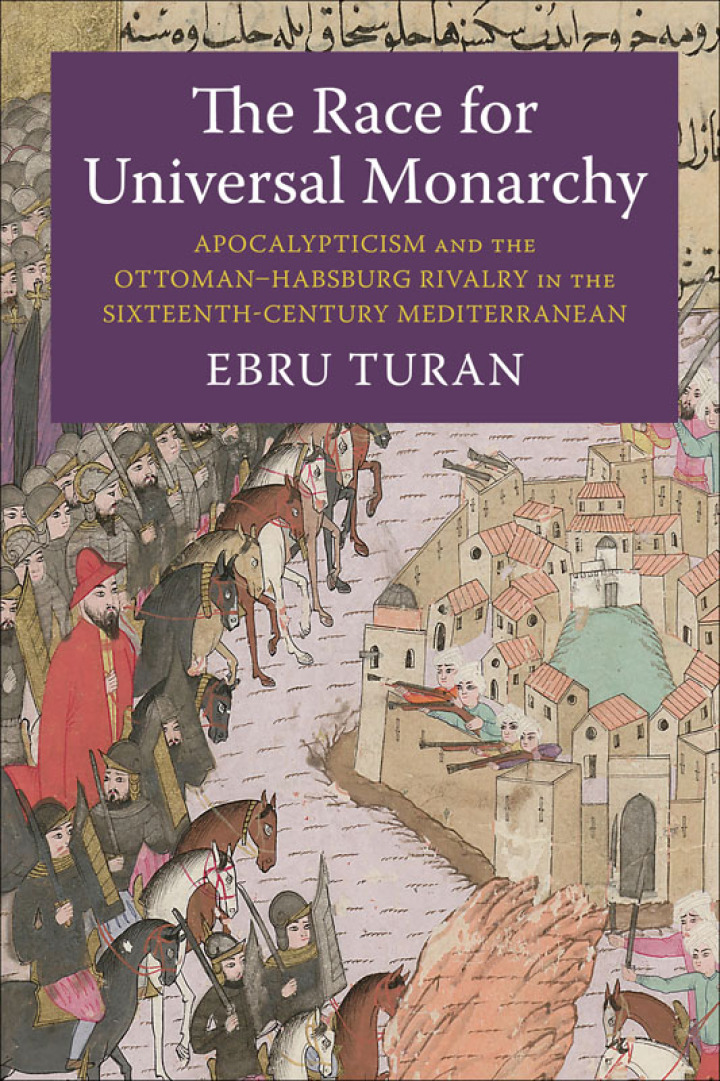
“The Race for Universal Monarchy: Apocalypticism and the Ottoman–Habsburg Rivalry in the Sixteenth-Century Mediterranean”
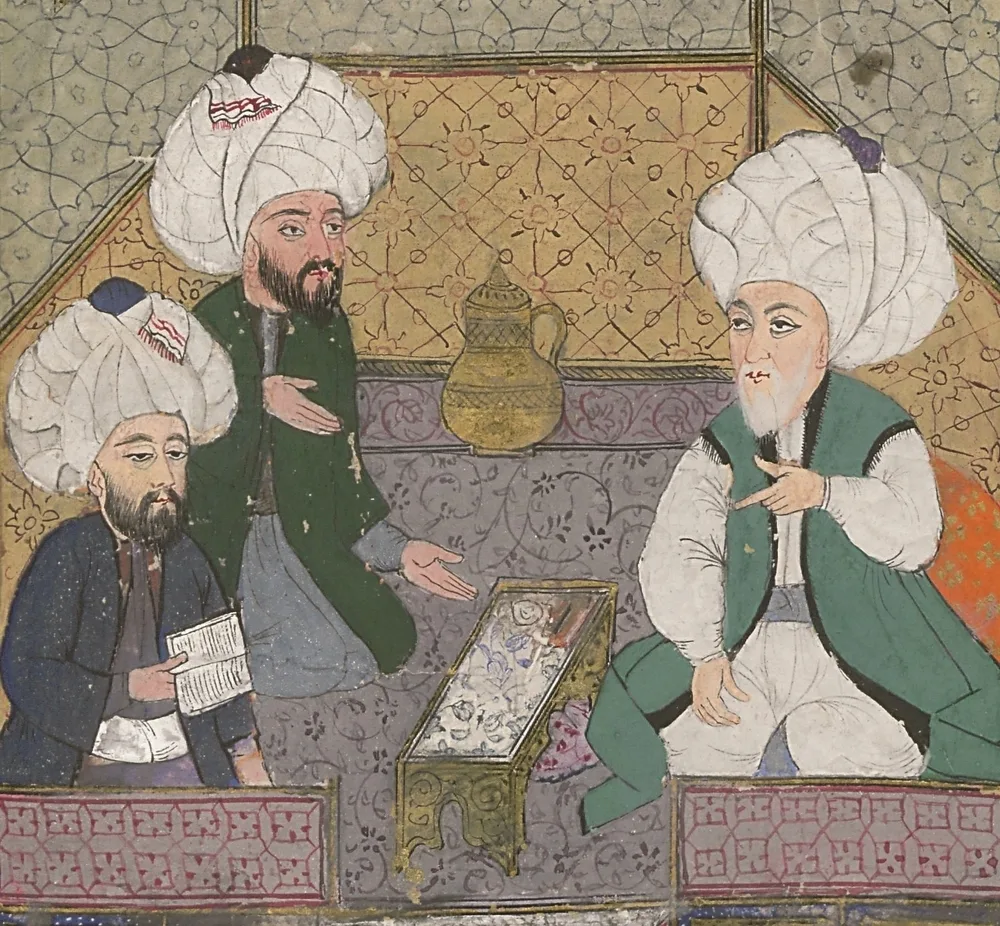
“The Persian learned men,” wrote Herodotus in his Histories, “say that the Phoenicians were the cause of the feud.” Historians have been trying ever since to understand the series of wars that set Europe and Asia against each other, going back to the Trojan War. In The Race for Universal Monarchy, Ebru Turan argues that,…
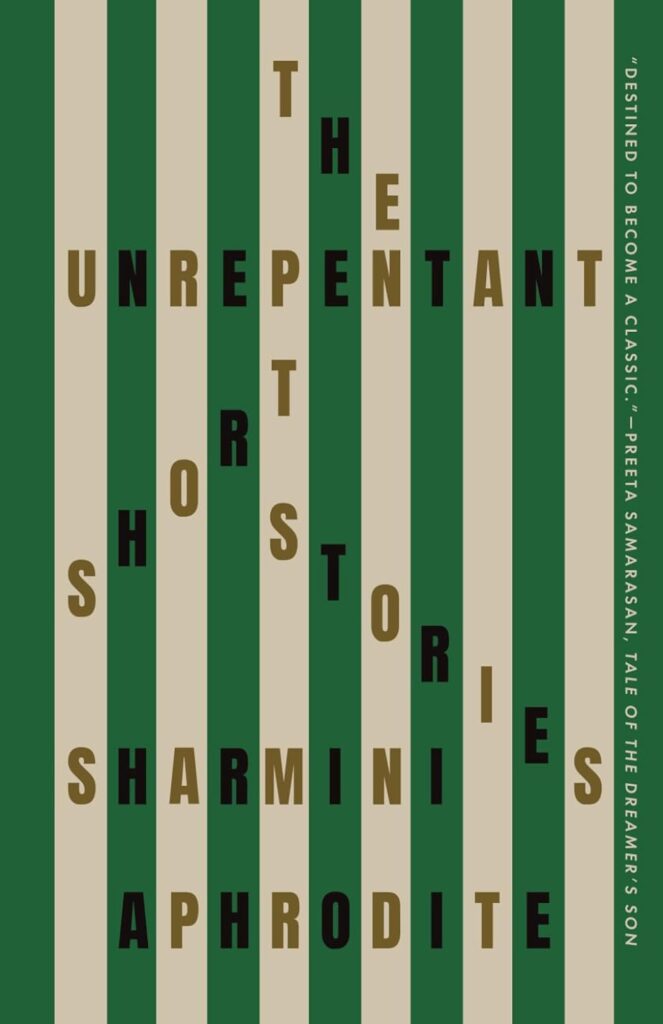
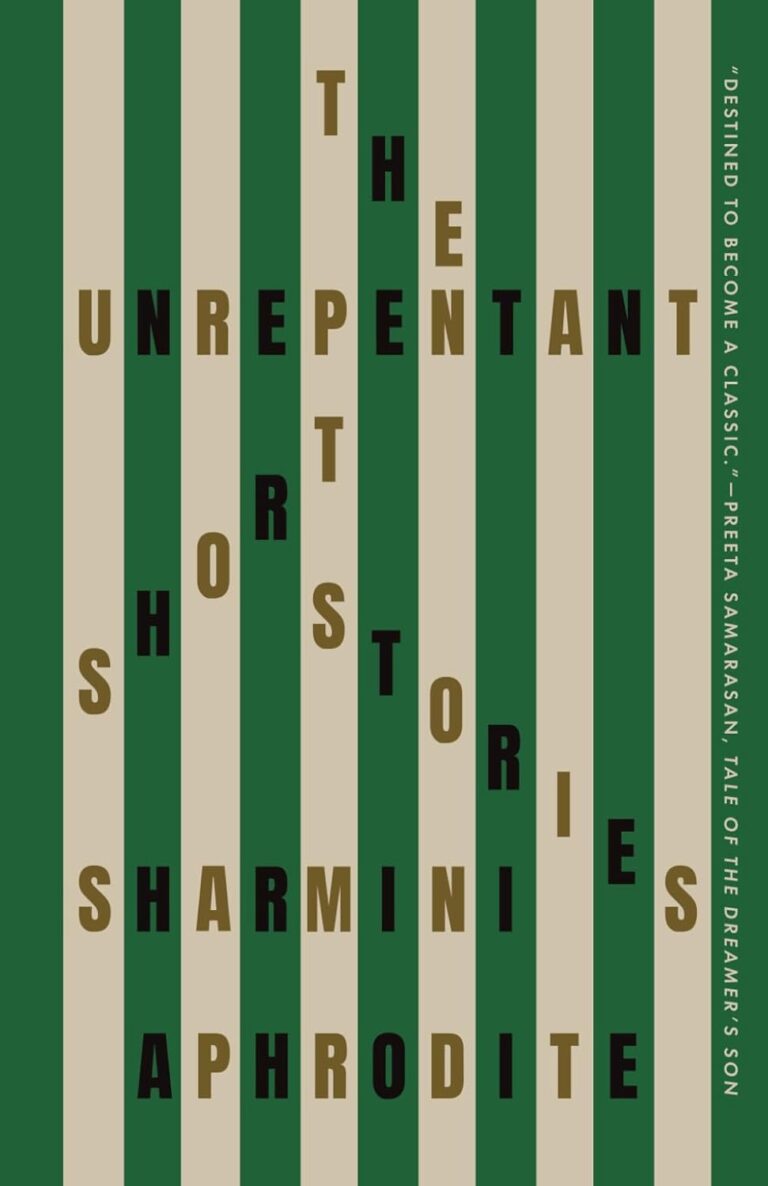
“The Unrepentant” by Sharmini Aphrodite
Rich in detail and the range of characters it features, The Unrepentant is as an impressive collection of 14 short stories that sheds light on the diversity of life and experiences in the Malay peninsula and Singapore during and in the aftermath of the Malayan Emergency (1948-1960), in which the communist pro-independence movement conducted guerilla…

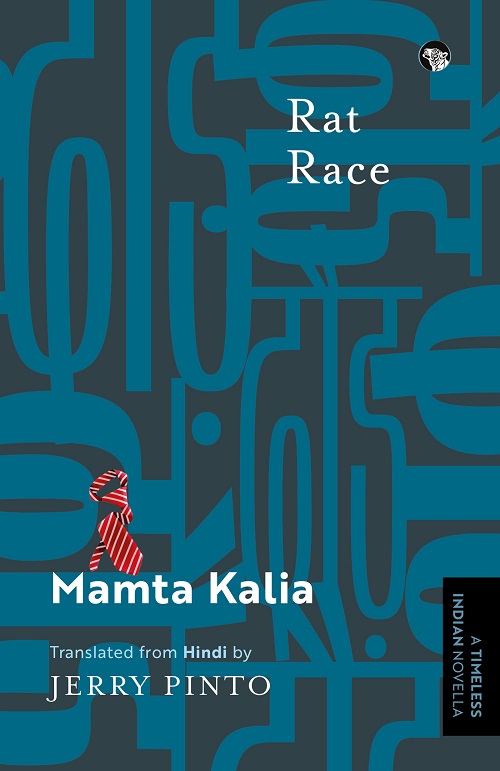
“Rat Race” by Mamta Kalia
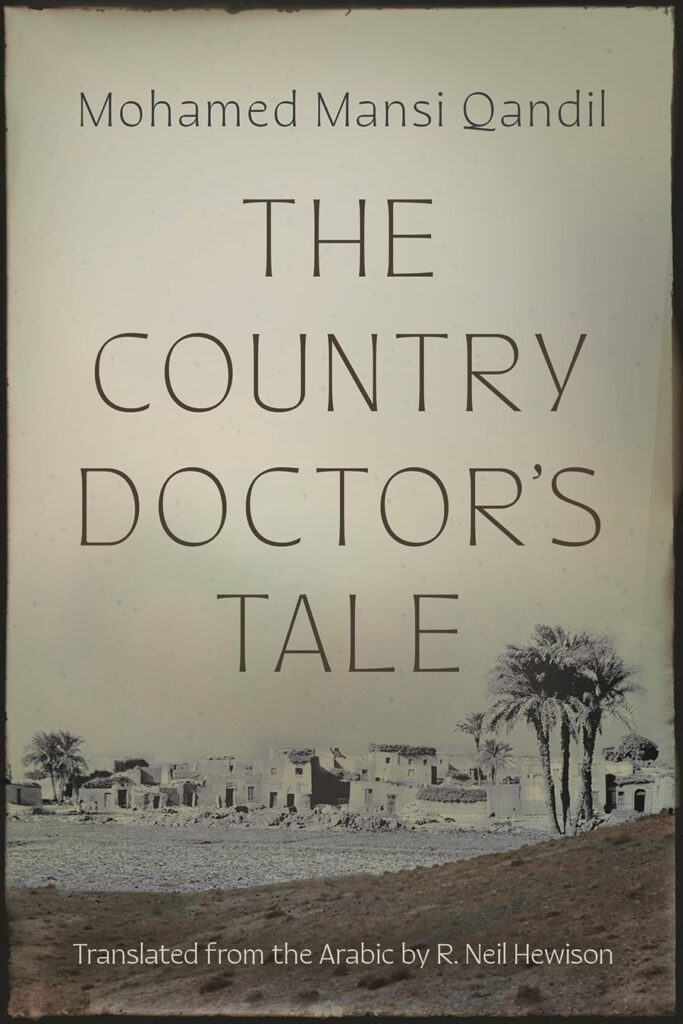
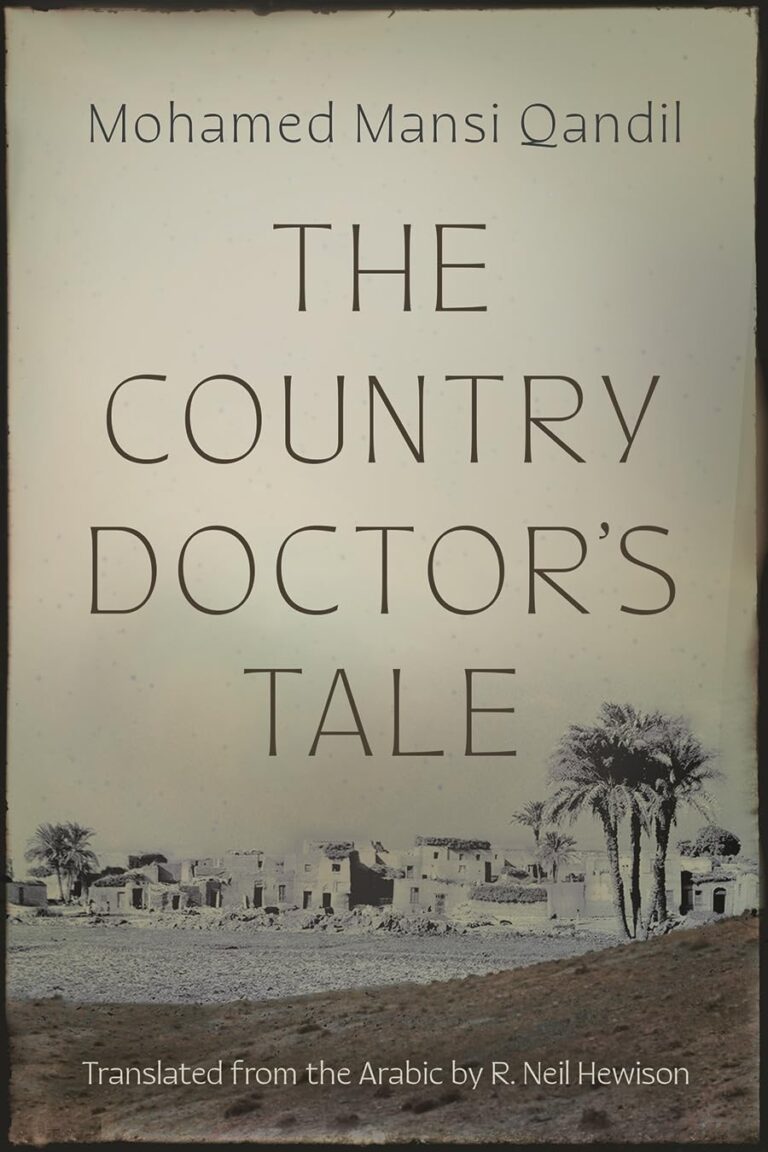
Rat Race is a slice-of-life story following characters in a modern, capitalistic India as they balance the demands of ambition…“The Country Doctor’s Tale” by Mohamed Mansi Qandil
In 2006, Mohamed Mansi Qandil won one of Egypt’s most prestigious literary prizes, the Sawiris Cultural Award, with his breakthrough…

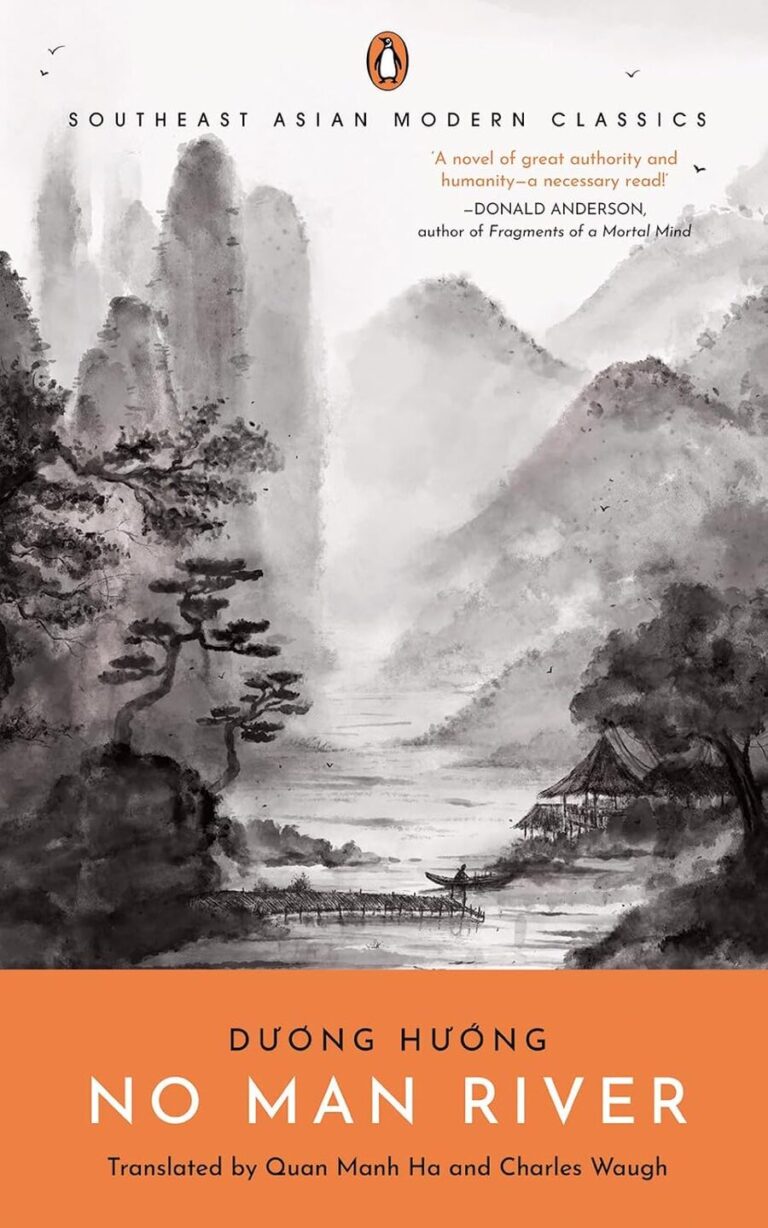
“No Man River” by Dương Hướng
A sweeping historical novel, Dương Hướng’s No Man River charts Vietnam’s path to independence from the anticolonial struggle against the…
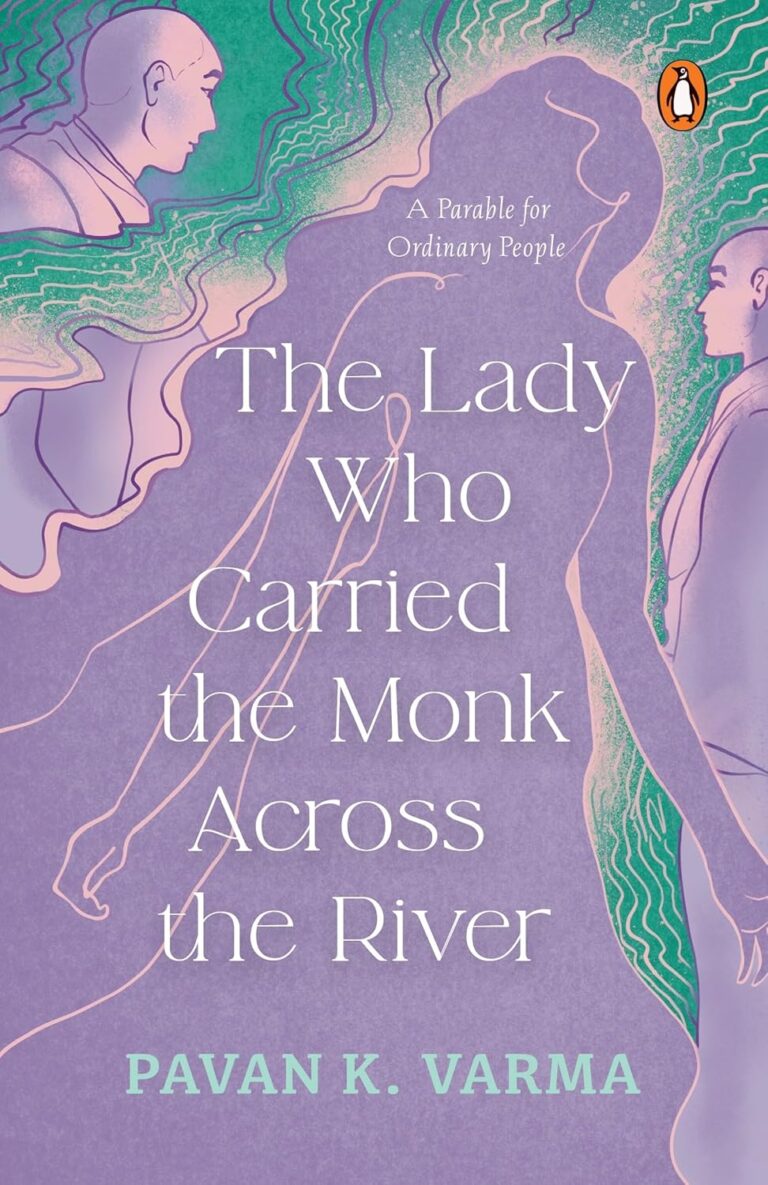
“The Lady Who Carried the Monk Across the River: A Parable for Ordinary People” by Pavan K Varma
While philosophy has often figured in literature, the Indian philosophical universe of dharma, karma, yoga, consciousness, body, mind, desire, and…

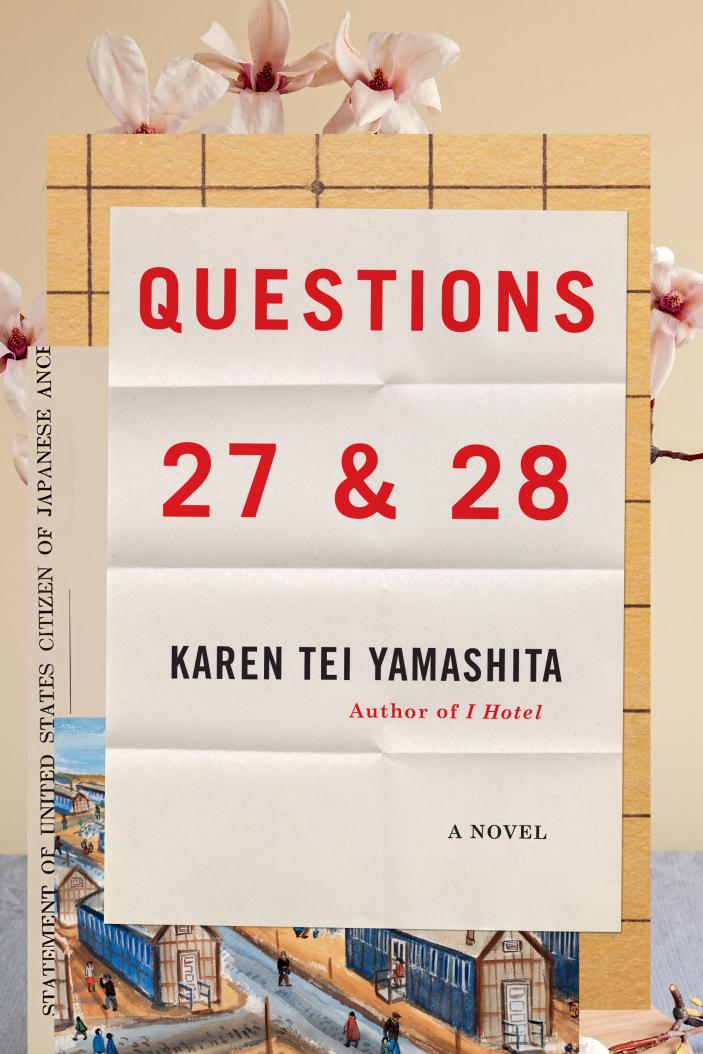
“Questions 27 & 28” by Karen Tei Yamashita
Of the many questions Japanese American internees were asked before they would be released from the World War 2 camps were Questions 27 and 28. Question 27 asked if men were willing to serve in the US military and Question 28 asked internees to renounce their loyalty to Emperor Hirohito. The interrogation of minority groups…
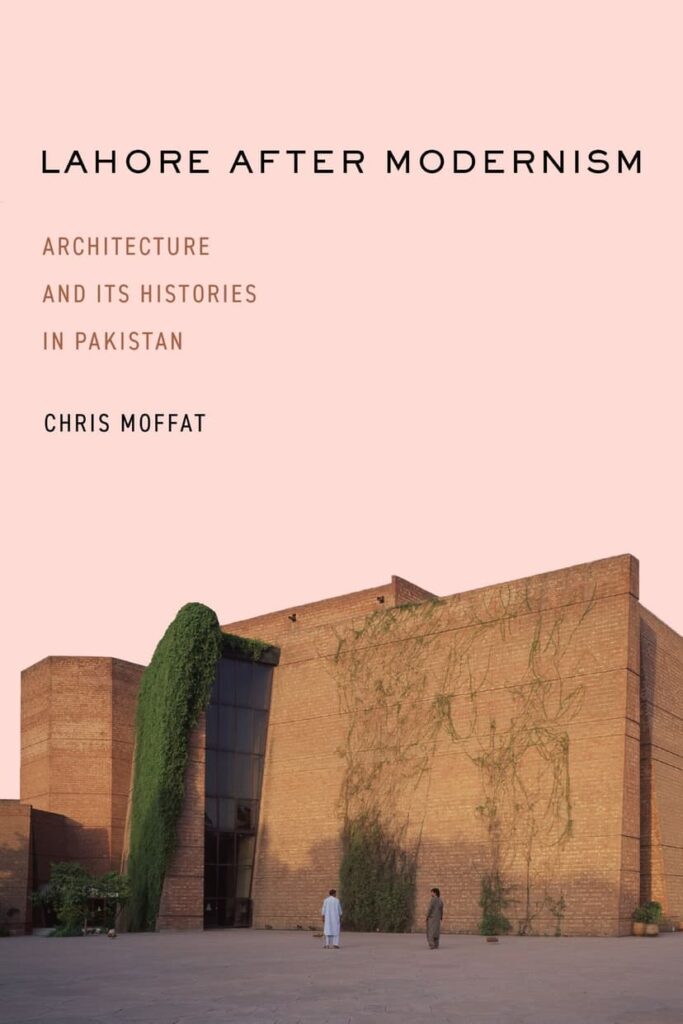
“Lahore After Modernism” by Chris Moffat
Lahore After Modernism is a pioneering study of architecture and the politics of construction, destruction and conservation in urban Pakistan. In the decades after independence in 1947, architects in Pakistan…
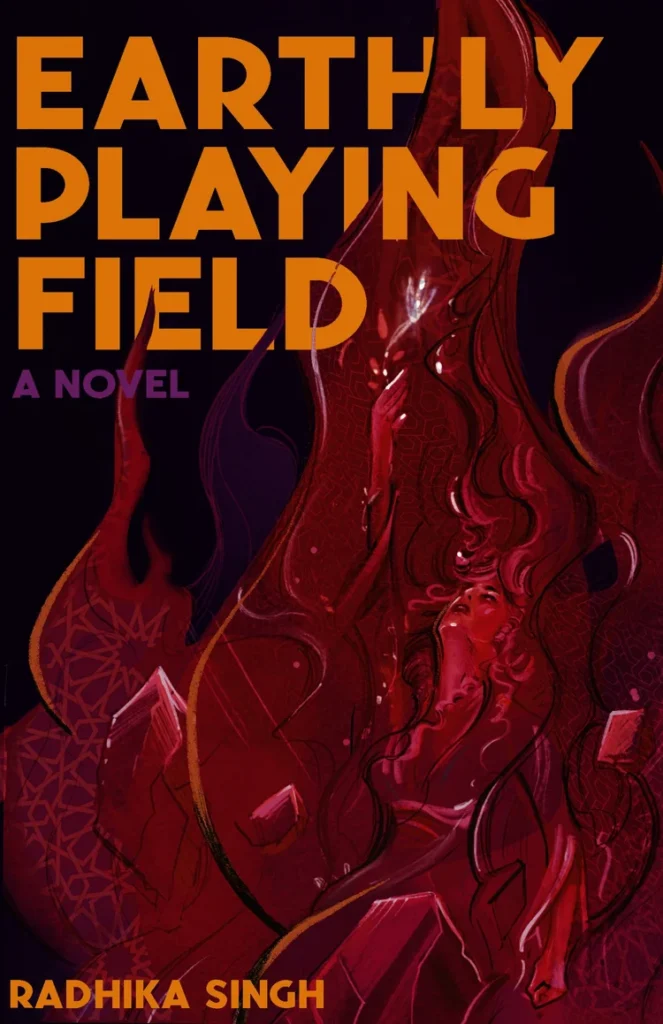
“Earthly Playing Field” by Radhika Singh
Roma has a steady job, a mortgage, and a surrogate family in Queens. But as she moves through her daily routines, the powerful Empire that rules her world bares its…
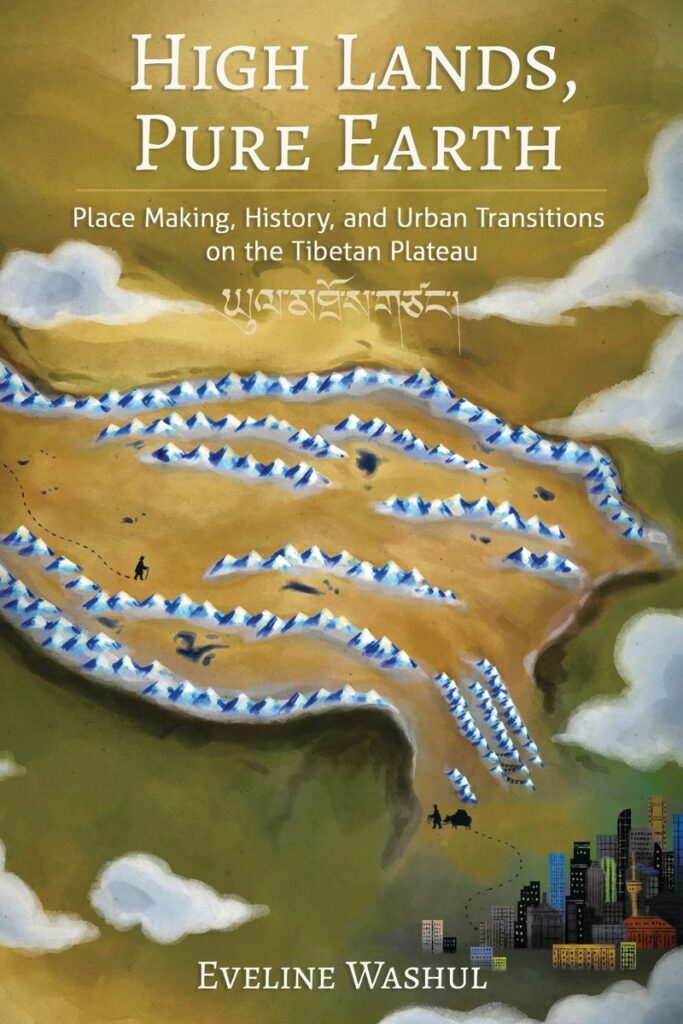
“High Lands, Pure Earth: Place Making, History, and Urban Transitions on the Tibetan Plateau” by Eveline Washul
High Lands, Pure Earth foregrounds Tibetan experiences of urban transitions in China’s late-reform period. In the 21st century, China’s accelerated urbanization has transformed the Tibetan Plateau. Yet Tibetan urban experiences…
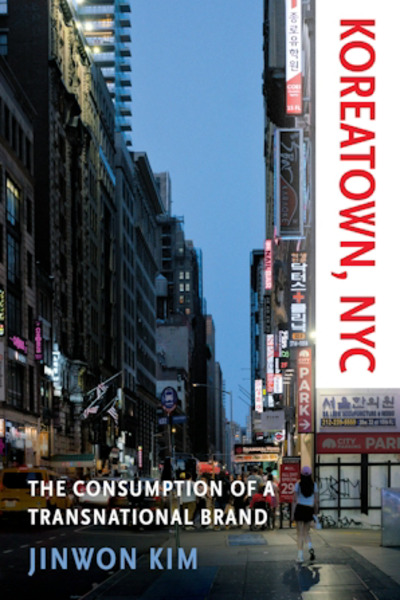
“Koreatown, NYC: The Consumption of a Transnational Brand” by Jinwon Kim
In the past decade, Korean entertainment has gained global recognition, with Korean movies and TV shows winning Oscars and Emmys, and K-Pop groups becoming wildly popular. In Manhattan, Koreatown has…
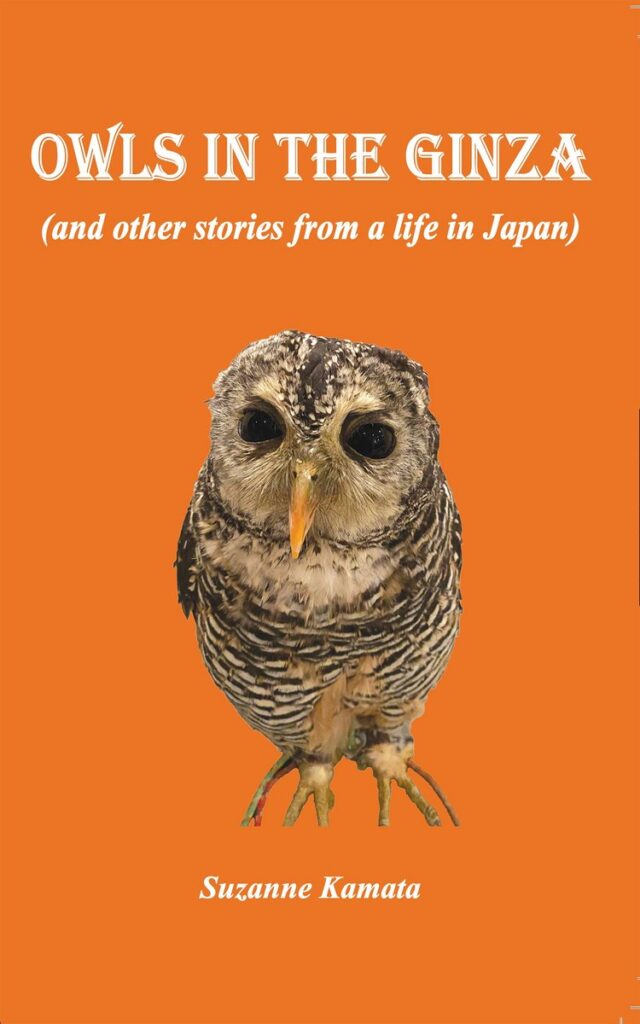
“Owls in the Ginza” by Suzanne Kamata
Thinking of leaving the country? Does the life of a digital nomad beckon to you? Suzanne Kamata has been there, done that, and is still doing it. Living in Japan…
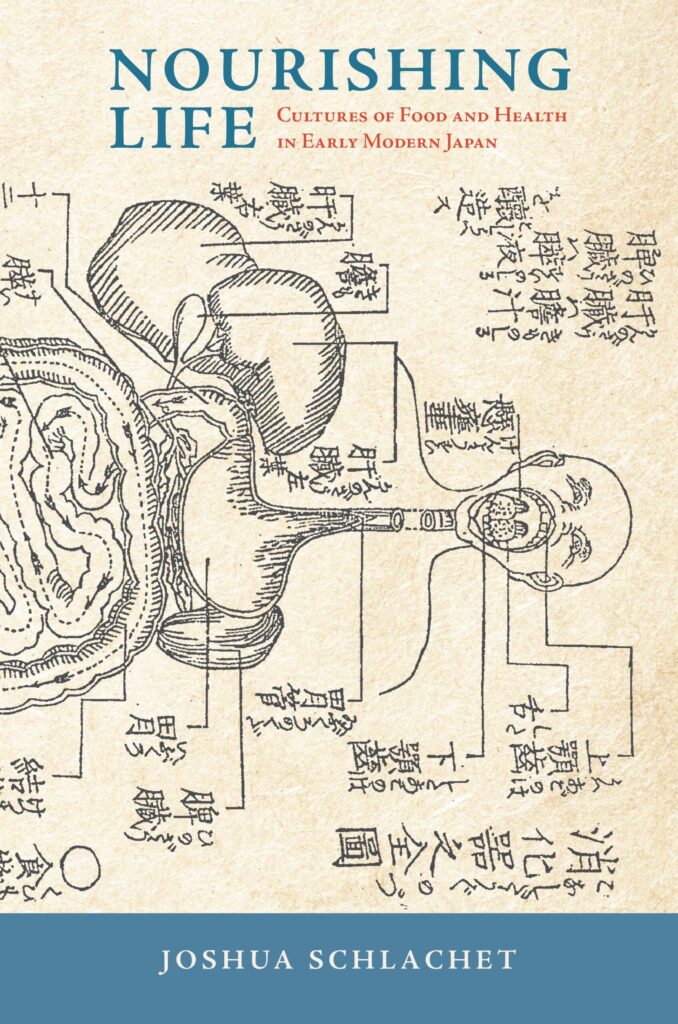
“Nourishing Life: Cultures of Food and Health in Early Modern Japan”
Can food determine your fate? Could indulging in delicacies bring calamity to your community? Joshua Schlachet’s Nourishing Life reevaluates the history of Japanese food culture by examining how ideas of…
You must be logged in to post a comment.