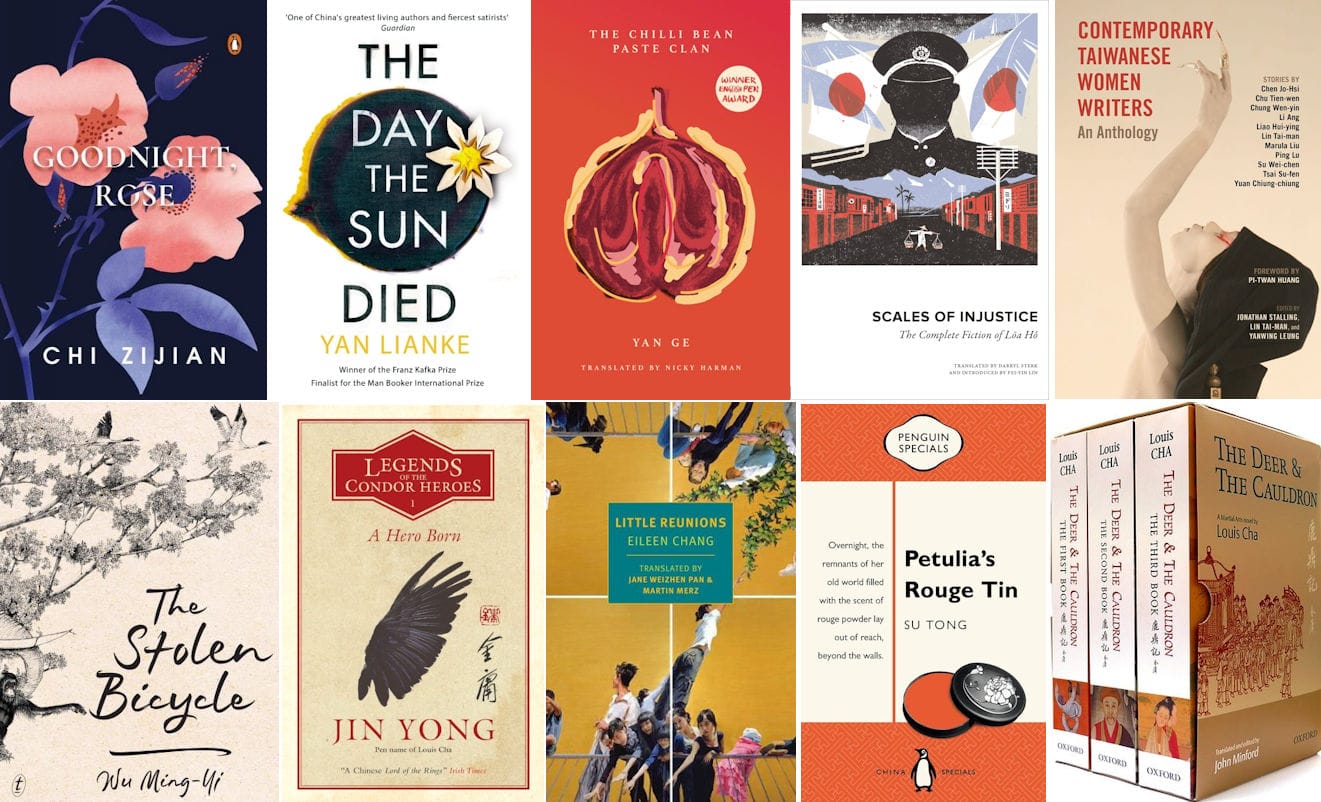
2018: Chinese fiction in translation

Our reviews of Chinese fiction—novels and short story collections—in translation this year.
[gdgallery_gallery id_gallery=”10″]
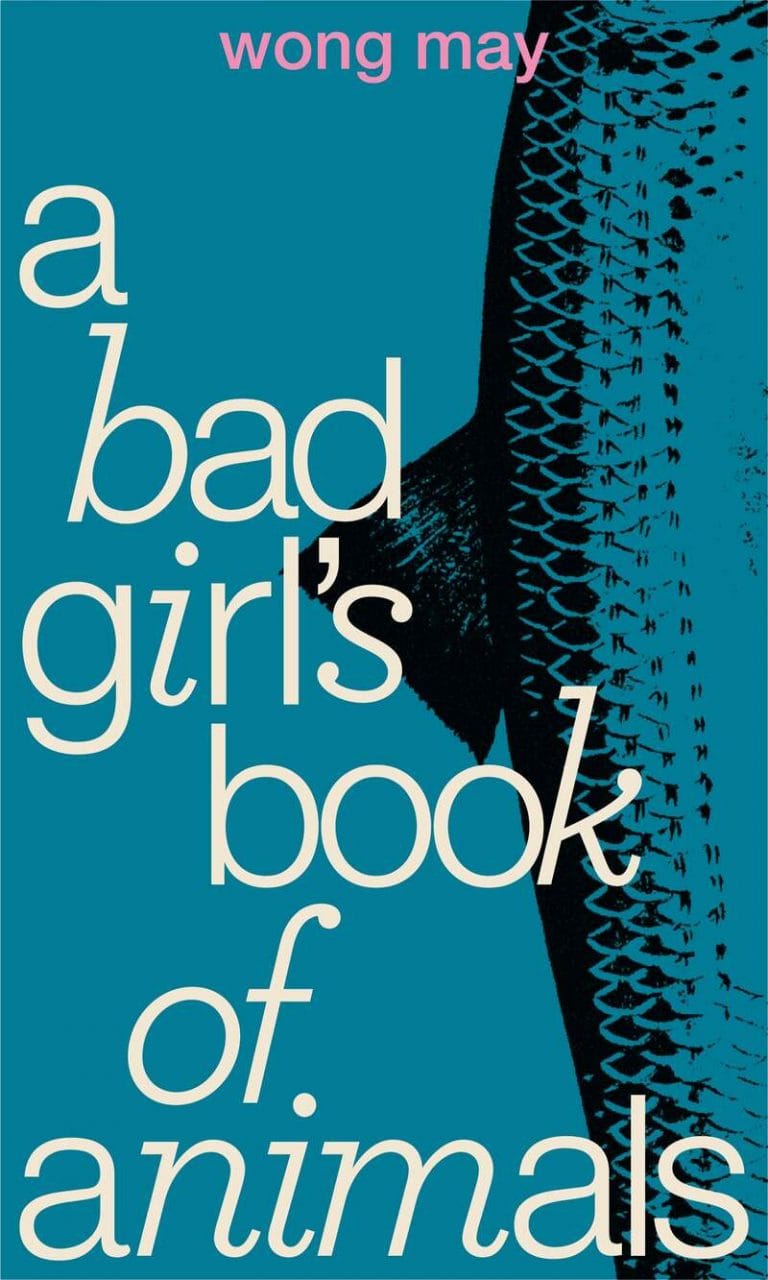
Our reviews of Chinese fiction—novels and short story collections—in translation this year.
[gdgallery_gallery id_gallery=”10″]
Contributor
The island of Sri Lanka resembles a teardrop, also the title of Sue Amos’s latest novel, set in 1953 when the country was still called Ceylon. Teardrop is a murder mystery that weaves in both folklore and the beauty of the island.
This year’s 75th anniversary of the end of WW2 and, in particular, the end of the War in the Pacific, has coincided with a number of books, some broad, some focusing on individuals. But few perhaps look at what is—at first glance—as unlikely a corner as Kelly A Hammond’s China’s Muslims & Japan’s Empire.
The mid-20th century comic strip Terry and the Pirates, as cringeworthy as its artless racism is, tells us as much about the Americans of the era as it does about the Chinese. In a similar way, the Longstreets’ Geishas and the Floating World is a delightful artifact for seeing Japan through the 1960s American, more…

Sikhs, at least Sikh men, are conspicuous among Indians by their ever-present turbans and their less noticeable but similarly ever-present daggers. Mistaken for, and sometimes attached as Aghani Muslims after 9/11, they can also be misunderstood in their native India, mocked as dim-wits in the Sardarji jokes and, followingt the assassination of Indira Gandhi by…
That He Hui chose to open her concert, part of a 20th career anniversary tour of China, with Adriana Lecouvreur’s first act aria from Francesco Cilèa’s eponymous opera says everything one needs to know about this Chinese soprano’s attitude towards her art.

It is worth periodically remembering—as the tsunami of news of China’s momentous economic and political developments rushes past—that China has not always been “Chinese” in the quite the way it is, or can be presented to be, today.