This post was published before January 2026. Some links, images or other content may no longer display or work as originally intended.
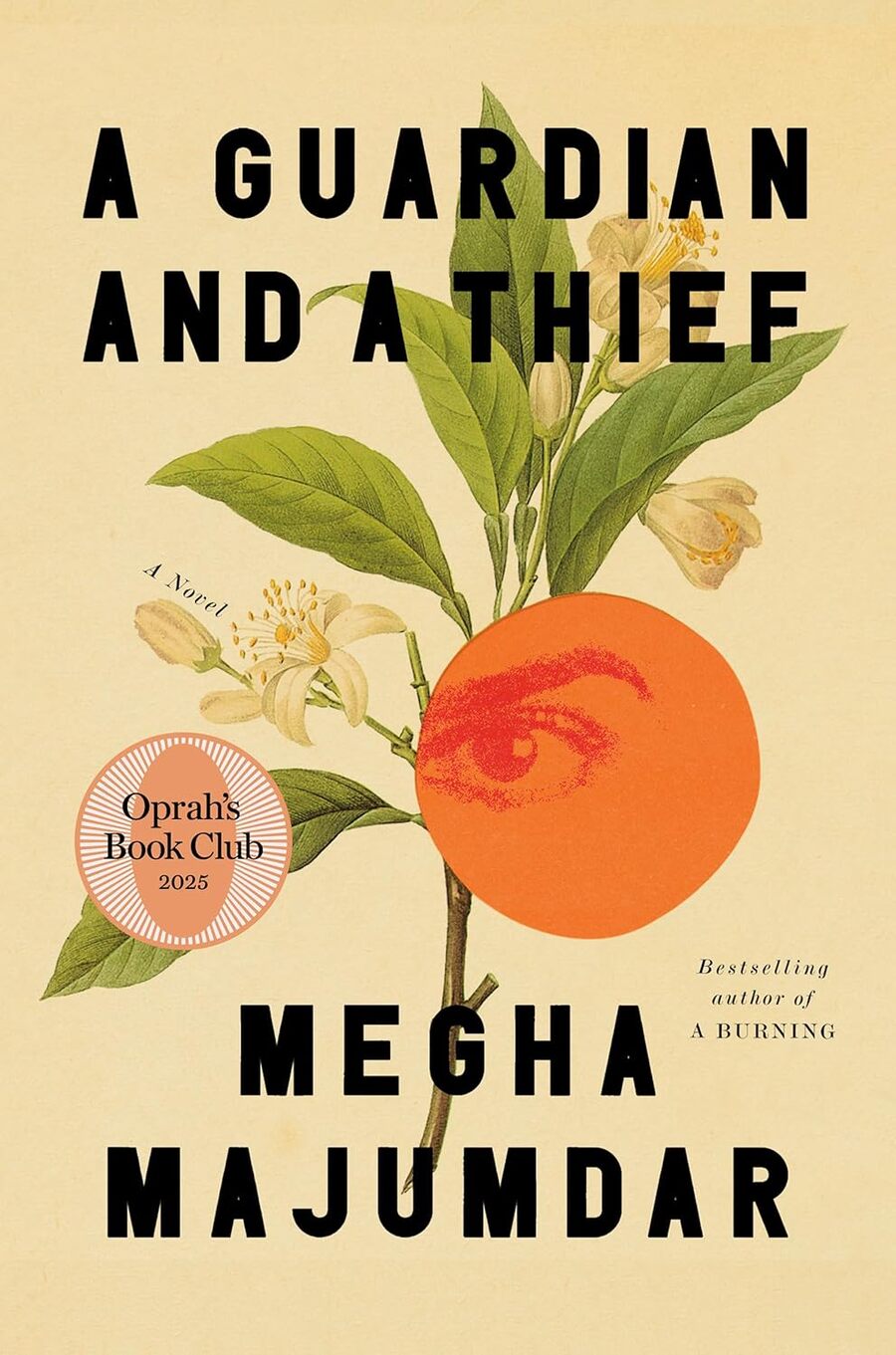
With A Guardian and a Thief, Megha Majumdar seems to avoid the dreaded “sophomore slump”. Her well-received debut, A Burning, published during the first year of the pandemic, was nominated for a National Book Award. Her second had done even better: a finalist (among other acclaim) in the National Book Awards this year. The novel is short, yet packed with mystery, intrigue, and a warning or two about global warming, income disparity and xenophobia.
Majumdar’s memorable characters all go by nicknames. The story takes place in a near-future Kolkata over the span of a week while Ma, her elderly father Dadu, and two year-old daughter Mishti await their departure for the United States, specifically to Michigan where they will reunite with Ma’s husband, Baba, to escape the scorching heat that has rendered the city uninhabitable with frightening food shortages.
In the city, those who walked to the neighborhood markets with umbrellas in their hands and wishful lists in their pockets, broad corners torn from the newspaper with writing in Bengali—cabbage, ginger, lychees if they were good, ice cream, half loaf of bread—found the roads alongside which the markets usually sat, its baskets and tarps invading, rickshaws and cars sounding their horns, slow shoppers inspecting the purple shine of eggplant and pressing guavas hard as hail, instead completely empty, nothing but some onion peel scattered at the edges where the pavement gave way to earth, where on most days goats and cows might have nudged the soil for something to eat. But those animals were gone too.
Ma works at a shelter that gives out food to people less fortunate, but Ma is pilfering food from the mouths of shelter residents. A foil, Boomba arrives in Kolkata and the shelter after leaving his parents and younger brother in their village to strike it rich in the big city.
The depth of night always felt adjacent to real life, a fourth dimension of the world that allowed the honesty and courage that daylight forbade. Perhaps it was that the moon and stars reminded people of their finite lives in the margins of the universe’s story—what did it matter what human beings did or didn’t do? Or perhaps it was only the clock losing its tether to the day’s routines and yielding to pure time. Boomba felt bold. “Let me find a job there, and find a house. Then we can leave this all behind.”
Boomba observes Ma stealing eggs from the shelter and late at night sets out to steal from her. He breaks into her apartment while she, Dadu and Mishti are sleeping, and absconds with her phone and purse which, unbeknownst to him, holds the three passports.Baba calls from Michigan to ask about Ma’s preparations for leaving Kolkata at the end of the week. She doesn’t tell him about the troubles that have befallen their family. And every time it seems as if Ma has finally solved the latest crisis in her family, something more serious occurs. Her father, Dadu, is reluctant to leave his beloved Kolkata.
This was the city he believed in, the city in which knowing somebody once was knowing them forever. The city in which knowing somebody meant laying claim to their time, and expecting them to lay claim to one’s own time. Everything beautiful, and everything useful, about the city could be found in these relationships of dependence—with one’s barber, one’s rickshaw driver, one’s editor, one’s neighbor.
These relationships are difficult when there’s a drought so awful that crops and animals perish and people become desperate to survive. On the other side of the world where Baba awaits, Americans are angry about immigrants entering the country after fleeing climate crises. Yet not all is unbearable. Majumdar’s writing brings empathy to all of her characters, whether they are thieves or guardians or both at once.
Contributor
Susan Blumberg-Kason
Susan Blumberg-Kason is the author of Bernardine’s Shanghai Salon: The Story of the Doyenne of Old China, Good Chinese Wife: A Love Affair with China Gone Wrong and When Friends Come From Afar: The Remarkable Story of Bernie Wong and Chicago’s Chinese American Service League.