“The War That Made the Middle East: World War I and the End of the Ottoman Empire” by Mustafa Aksakal
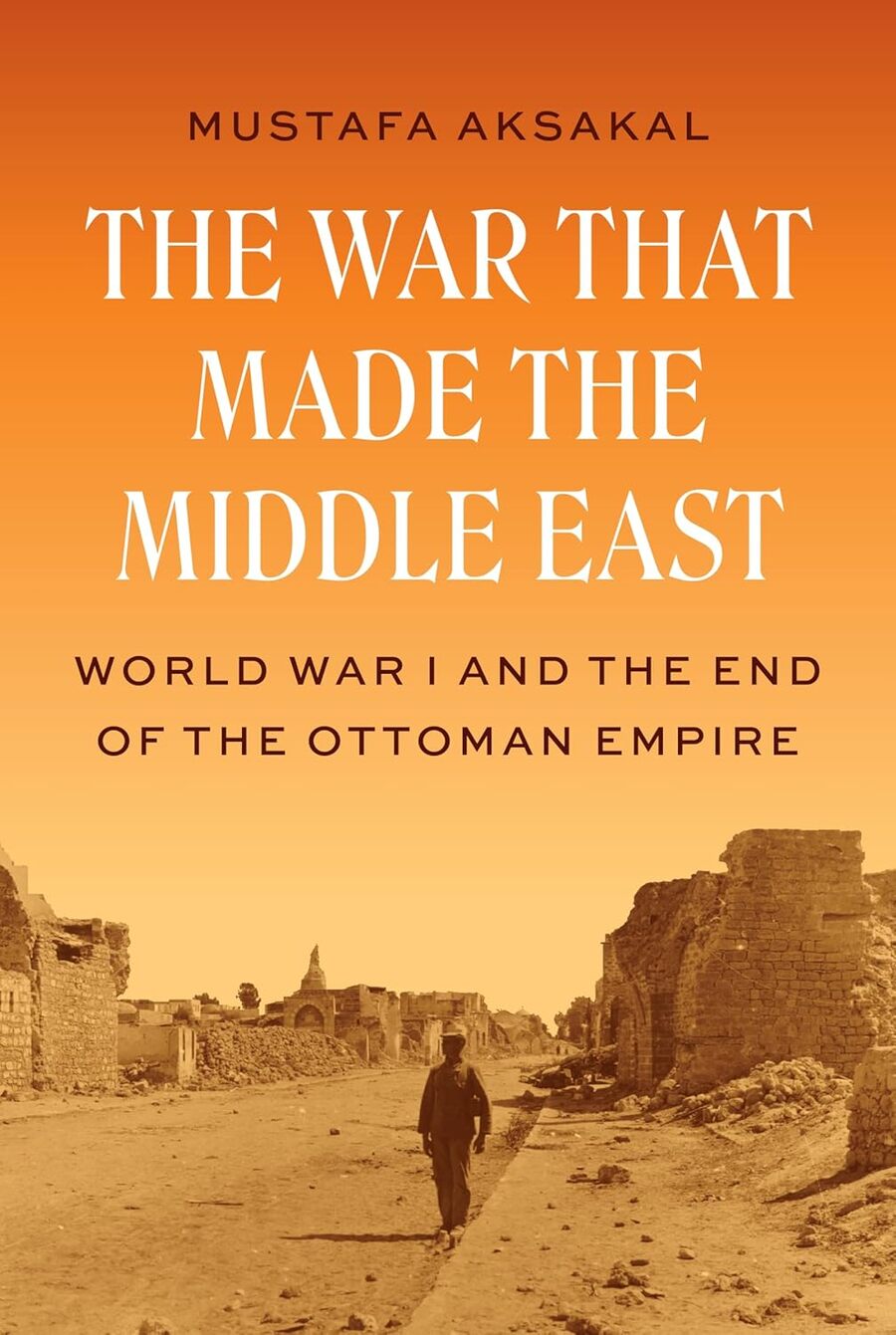
Historians are usually loath to ask “what if?”, but in The War That Made the Middle East: World War I and the End of the Ottoman Empire, Georgetown’s Mustafa Aksakal gets close. The book, he writes
takes seriously the empire’s potential viability that was destroyed in the First World War. A different future for the empire was also on the table, one that kept alive and extended the empire’s history of a multiethnic and multireligious society. That potential, too, was a principal casualty of the war. It spelled disaster for the people of the Ottoman Empire during the conflict and, arguably, ever since.
Spoiler alert: Aksakal places the bulk of the blame on the “Ottoman Committee of Union and Progress, or the ‘Unionists.’”It was this revolutionary organization that conducted the Ottoman state’s policies in the First World War.
Anyone who has studied the period at all will recognise the name of Enver who is central to this story.Aksakal is probably correct when he writes that “today, beyond a small group of specialists, the war as experienced in the Ottoman Empire remains largely unknown.” He is also undoubtedly correct when he draws a direct line from this period to the modern, fractured (fractious) Middle East; it was, after all, still mostly Ottoman in 1914.
Yet, The War That Made the Middle East nevertheless tells the story much as I learned it in University almost a half-century ago: that the empire was in considerable political disarray. Aksakal recounts bad decision after bad decision, leading to military, economic and social disaster. He argues that the multi-ethnic and multi-religious social fabric only frayed to the breaking point during the war. He makes the case in considerable, and usually unforgiving, detail while giving equal space to those who tried to preserve civility, fairness and the rule of law.The Ottoman state … took the war to its own communities before taking it to the Great Powers. It was this dynamic—the interplay of war, historical memory, and Unionist decision-making—that destroyed the empire in the years of the First World War.
Those who want the details on the Battle of Gallipoli or the Ottoman’s late-war foray into Baku will be disappointed. The former is dispensed with in a couple of pages, while the latter is hardly mentioned. Aksakal instead concentrates on the toxic effect that the Unionists had on politics and that all that followed from it, from military defeat and social disaster to alienation of the empire’s various ethnic and religious minorities and domestic massacre. Two chapters are entitled “Empire of Hunger” and “Empire of Atrocity”.Not that Aksakal has much time for the Europeans in this story, who are portrayed (not incorrectly) as imperialistic and cynical. Yet the Ottoman Empire was an empire: self-determination wasn’t part of their vocabulary either.The implication, however, is the collapse of the empire was not a foregone conclusion. Even if one accepts that Aksakal’s position that the pre-War Ottoman empire was in pretty good nick, or at least better than conventional narratives at the time and since have had it, it remains hard to see how the fate could have been avoided. He notes that European countries’ imperial designs on Ottoman territory meant they weren’t all that interested in having Turkey as an ally. The Romanov, Habsburg and Qing empires all fell within a few years of each other. What made the Ottomans different enough to avoid this fate?
Could the aftermath have been different? The remaining majority Arab territories would surely have gone their own way, most likely under European rule of one kind or another. But some things might have been different. Aksakal describes an incident (of several) that one feels one should have known, but didn’t: